Carriers are often judged by one thing: whether the shipment arrives on time. But anyone working in logistics knows the job is much more complex than that. A carrier has to manage driver communication, shipment status, route changes, proof of delivery, customer expectations, delays, equipment availability, and constant update requests from forwarders and shippers.
The pressure is rising. Customers want real-time updates. Freight forwarders want cleaner milestone data. Supply chains are facing more disruption from port congestion, capacity pressure, regulatory requirements, and route uncertainty. Traditional methods like phone calls, emails, spreadsheets, and manual status updates are no longer enough for this environment.
A mobile-based supply chain visibility platform helps carriers work smarter by turning daily transport activity into real-time, trackable, shareable data. Instead of being chased for updates, carriers can provide visibility automatically and become stronger logistics partners.
Why Carriers Need Better Visibility Tools Today?
Carriers sit at the center of shipment execution. They are the ones physically moving cargo, but they are often the last to benefit from modern visibility tools. Many still depend on manual updates, dispatcher calls, driver messages, and disconnected tracking systems.
That creates several operational problems. Shipment milestones are updated late. Dispatch teams spend too much time answering the same status questions. Delivery delays are noticed after they have already affected the customer. Proof of delivery may take hours or days to reach the right team. These issues reduce efficiency and create unnecessary pressure on carrier operations.
Real-time transportation visibility platforms are now seen as essential because supply chains need live tracking, predictive alerts, and faster disruption response, especially as logistics networks become more complex across road, rail, air, and ocean.
How a Mobile Visibility Platform Supports Carrier Operations?
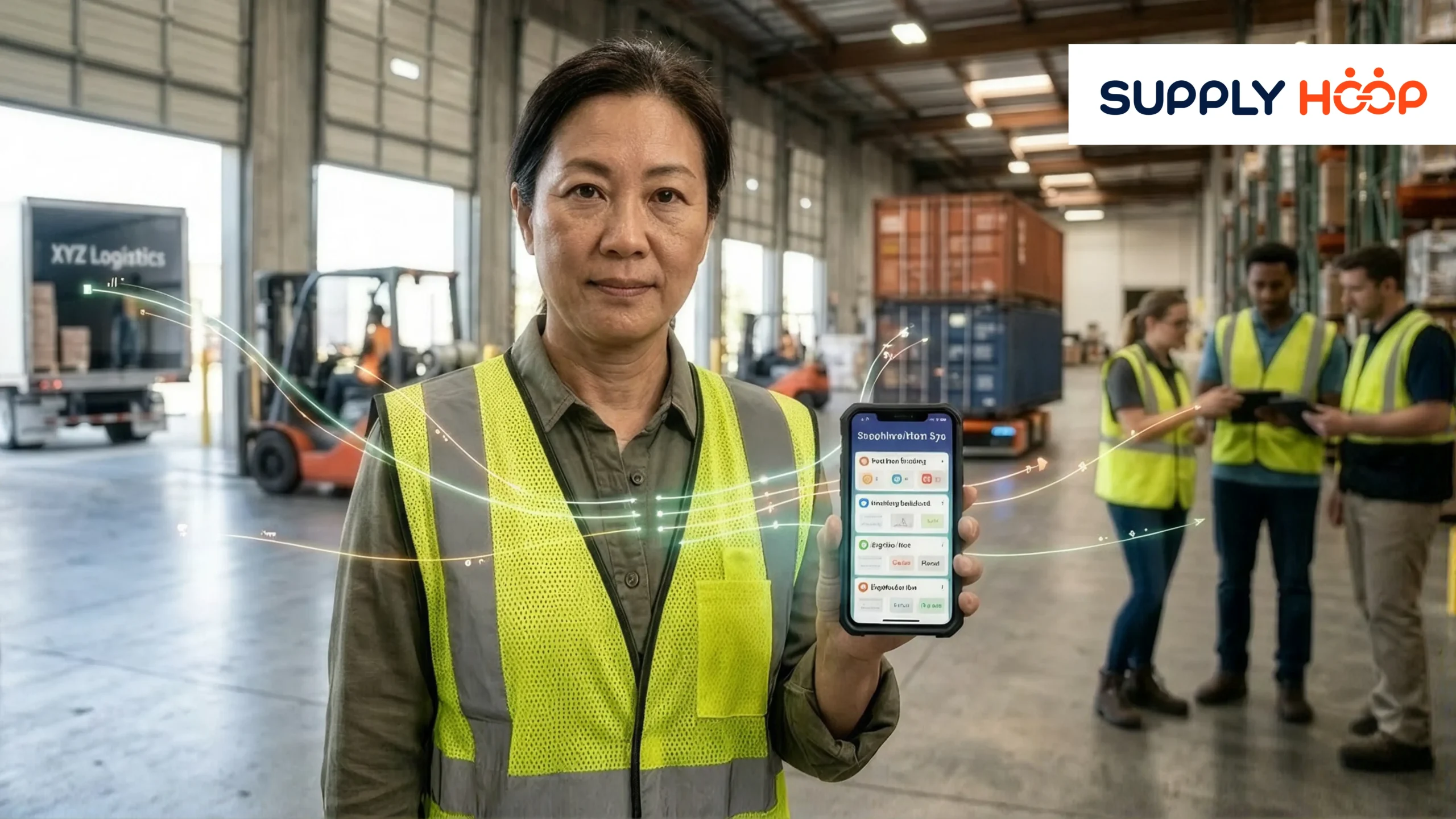
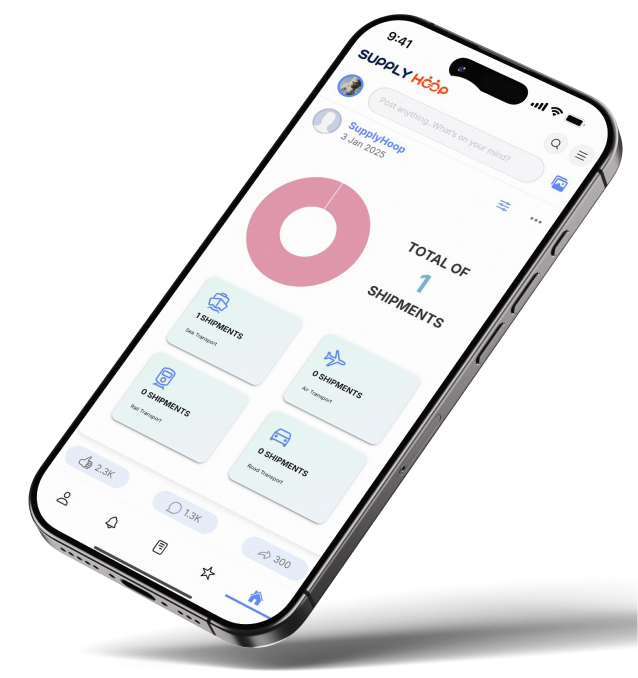
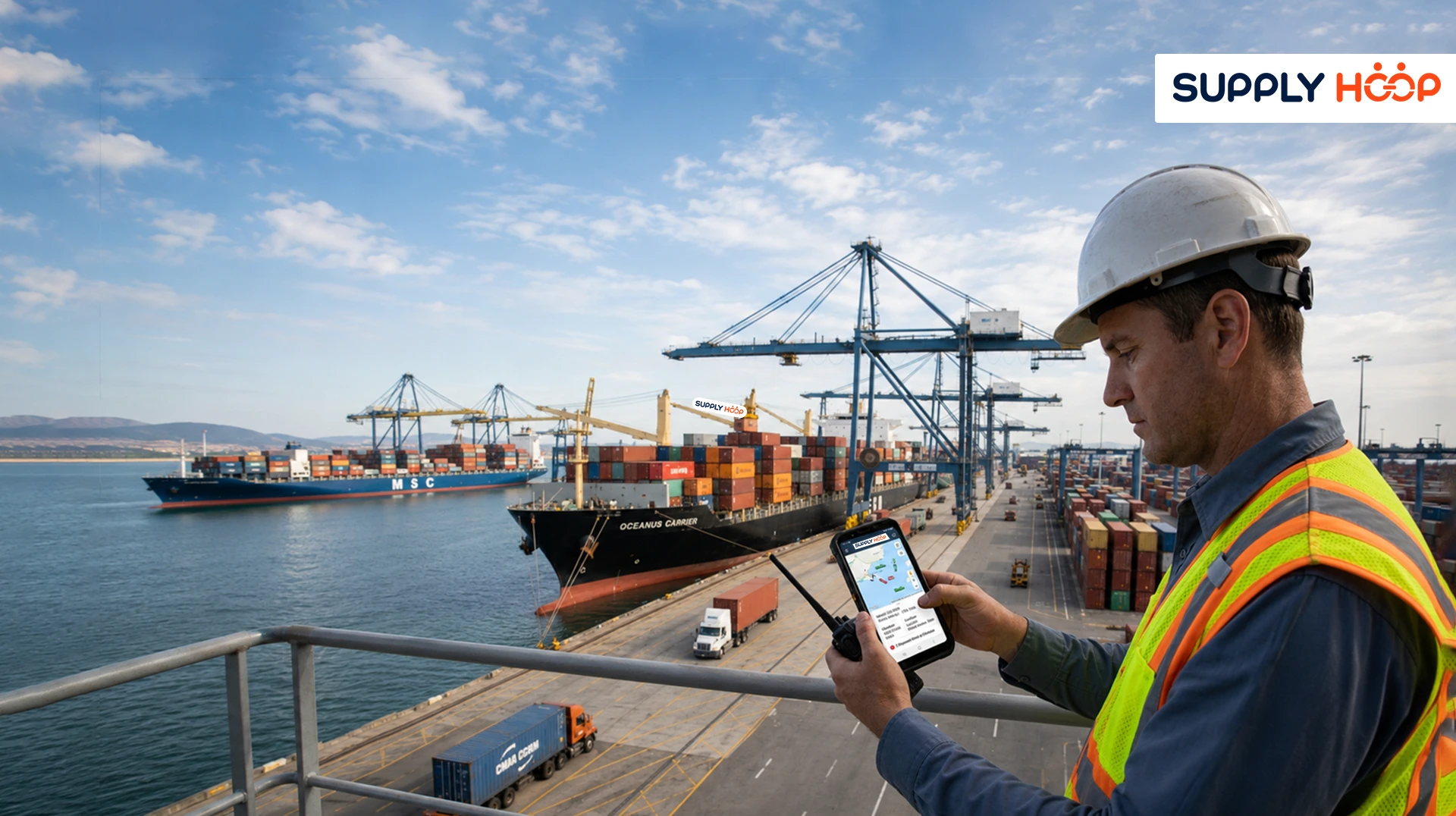
A mobile-based visibility platform gives carriers a practical way to update shipment status directly from the field. Drivers, dispatchers, and operations teams can share live milestones without relying on long email chains or manual calls.
Through a mobile app, carriers can update key events such as pickup completed, in transit, delayed, arrived, unloaded, and delivered. These updates can flow directly to freight forwarders, shippers, and customers through the same visibility platform.
This helps carriers reduce repetitive communication while improving data accuracy. The carrier no longer has to answer the same question multiple times because the shipment status is already visible to the right stakeholders.
Real-Time Tracking Reduces Manual Follow-Ups
One of the biggest daily frustrations for carriers is constant status checking. Forwarders and customers ask for updates because they do not have live visibility. Dispatchers then call drivers, check route status, and send manual replies.
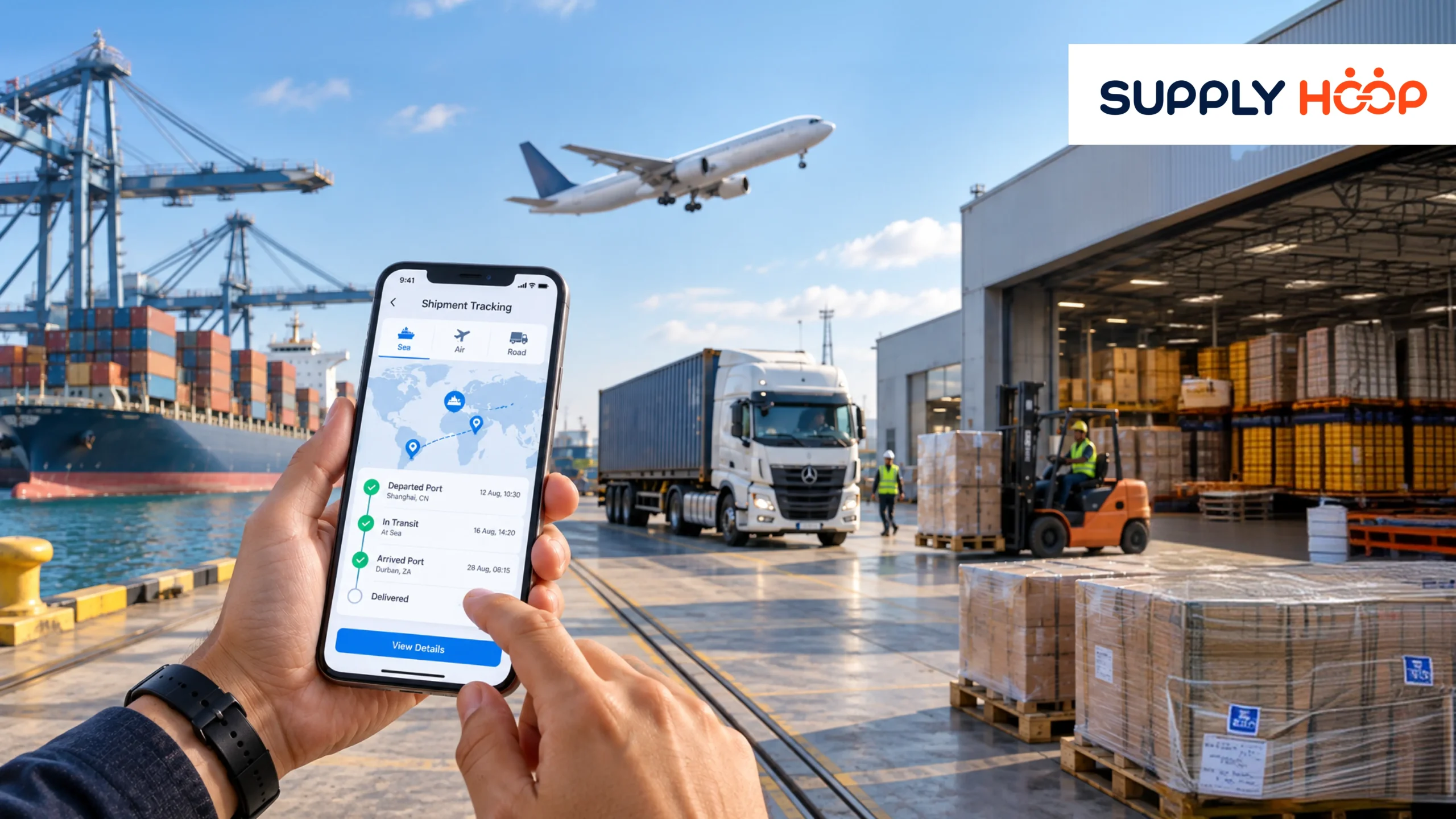
A mobile visibility platform reduces that workload by providing real-time shipment tracking and automated milestone updates. Logistics teams can monitor shipment locations, estimated arrival times, and delivery progress without repeatedly contacting the carrier.
This does not remove communication. It makes communication more useful. Instead of spending time on basic status questions, teams can focus on exceptions, delays, and service recovery.
Faster Exception Handling Helps Protect Delivery Performance
Delays happen. Traffic, weather, equipment problems, loading delays, and customer site congestion can all affect delivery timelines. The key is how quickly those issues are reported and resolved.
With mobile visibility, carriers can report exceptions immediately. If a driver is delayed, the app can notify relevant teams in real time. If the route changes, the system can update the ETA automatically. If a delivery cannot be completed, the issue can be documented immediately with notes or photos.
This helps carriers protect service performance because exceptions are handled early instead of being discovered after the delivery window is missed.
Better ETA Accuracy Builds Trust
Carriers are often measured by ETA accuracy. When ETAs are wrong or delayed, customers lose confidence. A mobile-based visibility platform helps improve ETA reliability by using live shipment movement data instead of static estimates.
Accurate ETAs help everyone plan better. Warehouses can prepare docks. Customers can allocate labor. Forwarders can provide reliable updates. Carriers can avoid unnecessary pressure caused by unrealistic expectations.
Industry visibility platforms increasingly use predictive ETAs and real-time exception monitoring across transport modes to help teams anticipate delays and respond earlier.
Digital Proof of Delivery Speeds Up Billing
For carriers, proof of delivery is not just an operational document. It directly affects billing and cash flow. When PODs are delayed, invoices are delayed too.
A mobile app allows drivers to capture delivery confirmation instantly. They can upload signed documents, photos, timestamps, and delivery notes directly from the field. This creates a cleaner handover between delivery completion and invoice processing.
The result is faster billing, fewer disputes, and better financial visibility.
Stronger Collaboration with Freight Forwarders and Shippers
A good visibility platform not only helps the shipper or forwarder. It also improves the carrier’s working relationship with them.
When carriers provide real-time updates through a shared platform, they become easier to work with. Forwarders gain confidence because they can see shipment progress. Shippers receive accurate updates. Customers experience fewer communication gaps.
This can strengthen the carrier’s reputation and help carriers stand out in a competitive market where service quality matters as much as price.
Mobile Access Makes Adoption Easier for Drivers and Dispatchers
Technology adoption is often difficult when systems are complicated. A mobile app makes visibility easier because drivers and dispatchers can use a familiar device without needing heavy desktop tools.
The app should be simple enough for field use. Drivers need quick updates, not complex screens. Dispatchers need live operational views, not more admin work. A well-designed mobile visibility app should reduce effort, not add another burden.
This is especially important because logistics companies are trying to reduce manual scanning and manual updates through better tracking technology. Major carriers are investing in automation to close visibility gaps and reduce manual work, showing how important accurate tracking has become for modern transportation networks.
What Carriers can Track Through a Mobile Visibility Platform?
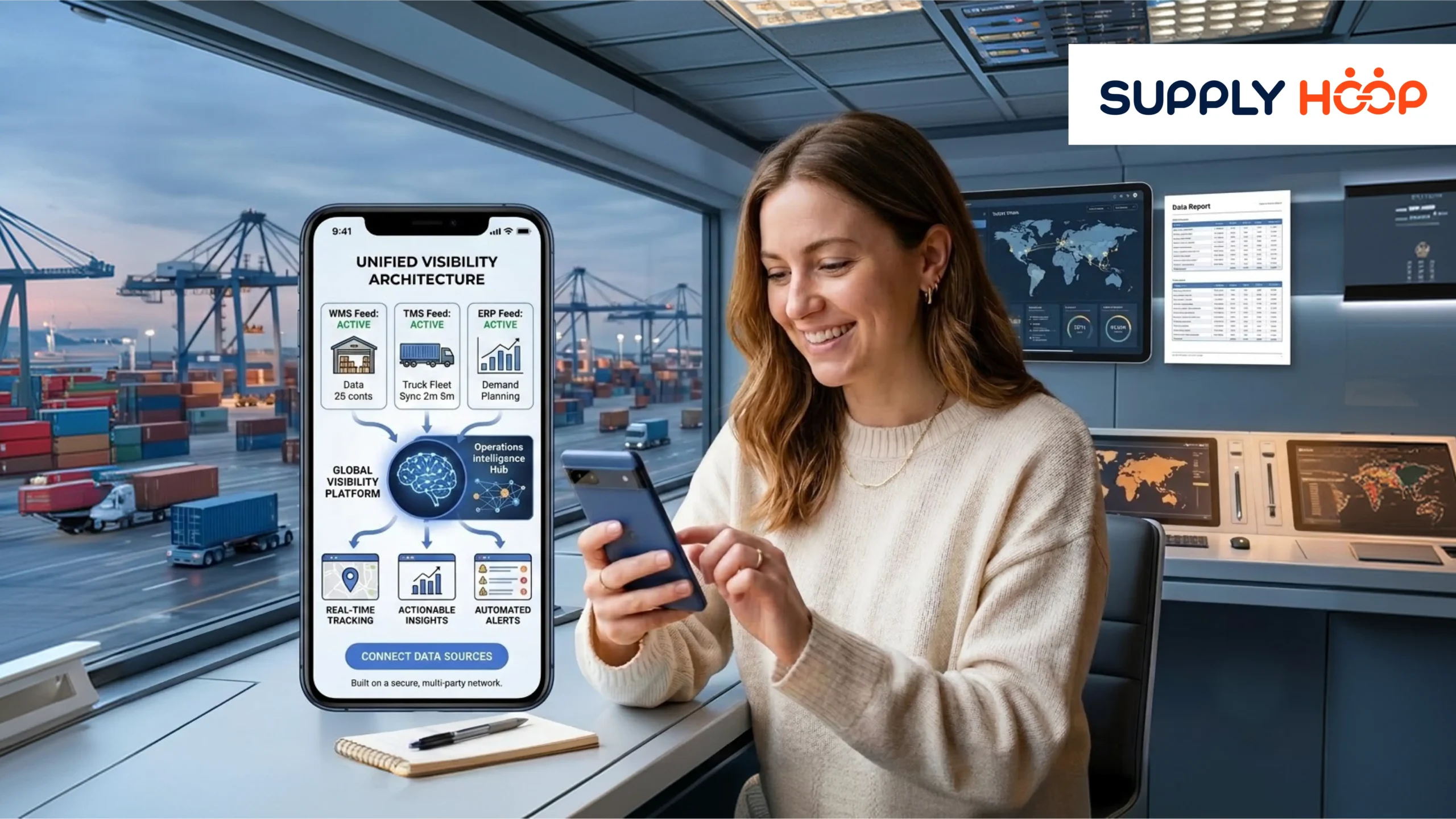
A mobile-based supply chain visibility platform can help carriers manage the most important parts of shipment execution in one place.
Carriers can typically track and update:
- Pickup and delivery milestones
- Driver location and route progress
- ETA changes and delay reasons
- Delivery exceptions and failed attempts
- Proof of delivery documents
- Customer notes and site instructions
These updates create a live operational record that improves transparency and accountability.
Why this Matters in the Current Logistics Environment?
The logistics environment is becoming more demanding. Customers expect Amazon-like transparency even for complex freight movements. Regulations are tighter. Costs are higher. Disruptions happen more often. Logistics trends for 2026 point to continued pressure from global disruption, tighter regulations, AI-driven planning, sustainability expectations, and customers demanding more transparency.
For carriers, this means visibility is no longer optional. It is becoming part of service quality. Carriers that can provide clean, real-time data are better positioned to win trust, reduce disputes, and build stronger relationships with freight forwarders and shippers.
How Carriers Gain Operational and Commercial Value?
The value of mobile visibility is practical. It helps carriers run cleaner operations and provide better service without increasing manual workload.
Carriers benefit through faster status updates, fewer phone calls, better exception handling, improved ETA accuracy, faster POD collection, stronger customer communication, and reduced billing delays.
In simple terms, the carrier becomes more visible, more reliable, and easier to work with.
That matters because freight visibility software is growing quickly, driven by demand for real-time tracking, predictive analytics, and deeper transparency across the supply chain.
Conclusion: Mobile Visibility Helps Carriers Move from Updates to Control
Carriers do more than move freight. They create the real-time execution data that keeps the supply chain running. When that data is delayed or manual, everyone suffers. When it flows through a mobile-based visibility platform, everyone gains control.
For carriers, mobile visibility means fewer repetitive calls, faster exception handling, better ETA accuracy, cleaner proof of delivery, and stronger relationships with forwarders and shippers.
If your carrier operations are ready to move beyond manual updates and provide real-time shipment visibility from the field, this is the right time to modernize.
Book a demo today and see how end-to-end supply chain visibility through a mobile app can help carriers improve service performance, reduce communication gaps, and keep shipments moving with confidence.