A regulator asks for documentation. A customer requests proof of origin. A partner needs sustainability data.
And suddenly, teams start digging through emails, spreadsheets, and disconnected systems, trying to piece together answers that should have been available instantly.
This is where the real issue becomes clear.
It’s not just about compliance.
It’s about visibility gaps that were always there, but are now impossible to ignore.
Across global supply chains, increasing regulatory pressure is forcing organizations to take a closer look at how well they actually understand their operations, suppliers, and risks.
Why is Regulatory Pressure Increasing Globally?
Over the past few years, supply chains have faced a wave of new regulations driven by geopolitical tensions, sustainability goals, and trade compliance requirements.
Companies today must deal with:
- Stricter import/export regulations and sanctions
- ESG (Environmental, Social, Governance) reporting requirements
- Carbon tracking and sustainability compliance
- Supplier due diligence and risk assessments
- Customs documentation accuracy and audit readiness
Governments and regulatory bodies are no longer just asking for basic documentation, they expect real-time, accurate, and traceable data across the entire supply chain.
This shift is exposing a major challenge: many organizations don’t have that level of visibility.
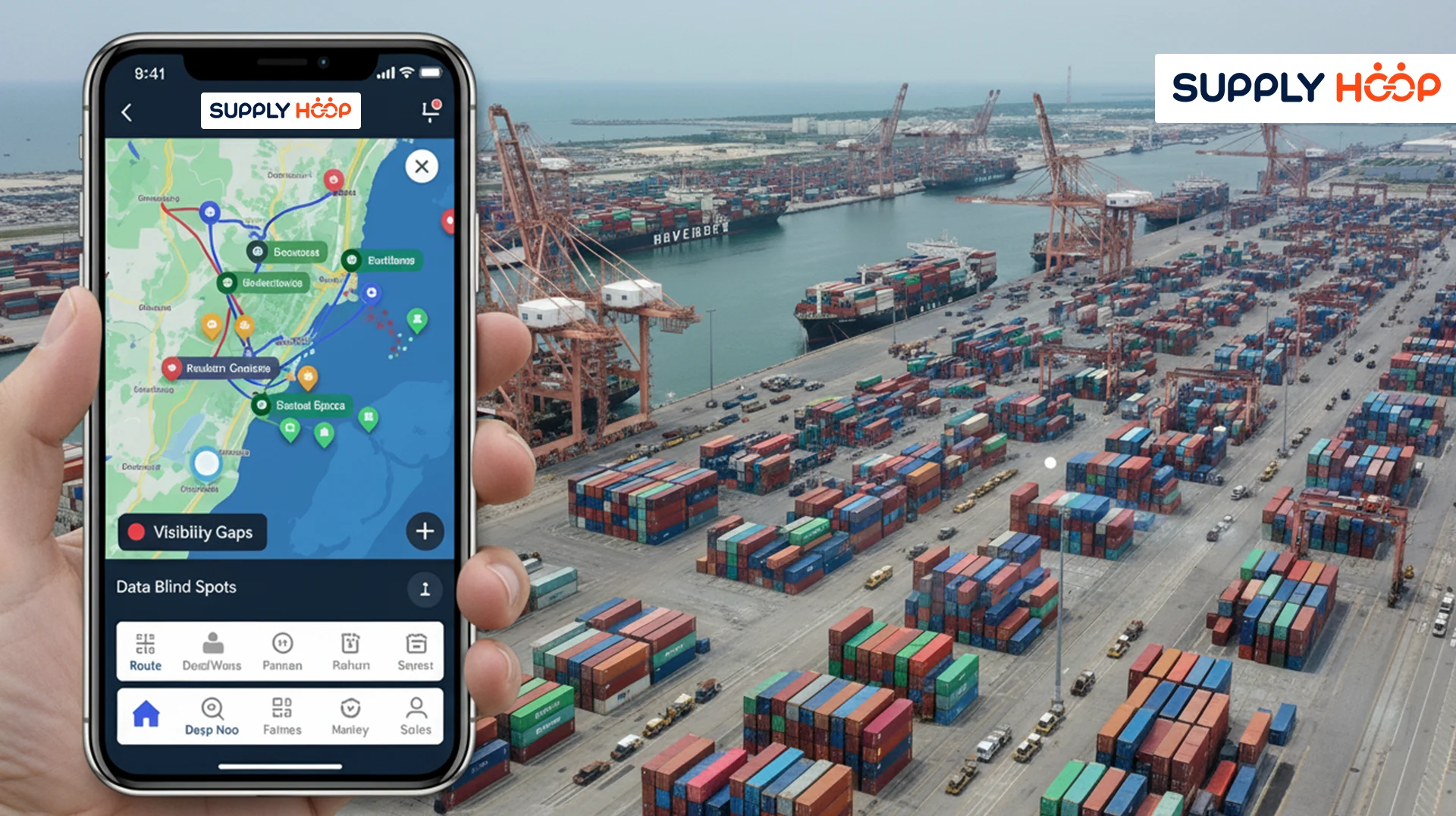
The Reality: Visibility Gaps Across Supply Chains
Research from industry leaders like Achilles highlights a growing concern, transparency gaps still exist across global supply chains, even as regulatory scrutiny increases.
These gaps typically show up in areas such as:
- Limited visibility into supplier operations
- Lack of real-time shipment and compliance data
- Inconsistent reporting across systems
- Manual tracking processes prone to errors
- Delayed updates on operational changes
When regulations demand accuracy and traceability, these gaps become operational risks.
Why Traditional Tracking Methods Fall Short?
Many supply chains still rely on outdated methods of tracking and reporting.
Teams often depend on:
- Emails for status updates
- Spreadsheets for reporting
- Manual data entry across multiple systems
- Periodic updates instead of real-time insights
This approach creates delays, inconsistencies, and a lack of confidence in the data.
When a regulatory audit happens or a disruption occurs, teams struggle to respond quickly because the information is not centralized or up to date.
From Reactive Compliance to Proactive Risk Management
One of the biggest shifts happening today is the move from reactive compliance to proactive risk management.
In the past, companies focused on responding to regulatory requirements after they arose.
Now, the expectation is different:
- Identify risks before they impact operations
- Monitor suppliers continuously
- Maintain real-time compliance visibility
- Ensure audit readiness at all times
This requires a completely different approach, one that is built on continuous visibility and data transparency.
Why Visibility is the Foundation of Compliance?
Regulatory compliance depends on one critical factor: accurate, real-time data.
Without visibility, organizations cannot:
- Verify supplier compliance
- Track shipment documentation status
- Ensure accurate customs declarations
- Monitor sustainability metrics
- Respond quickly to audits or disruptions
Visibility is no longer just an operational advantage, it’s a compliance requirement.
The Role of Digital Tools in Closing Visibility Gaps
To address these challenges, companies are increasingly adopting digital solutions that provide end-to-end visibility across the supply chain.
Modern visibility platforms offer:
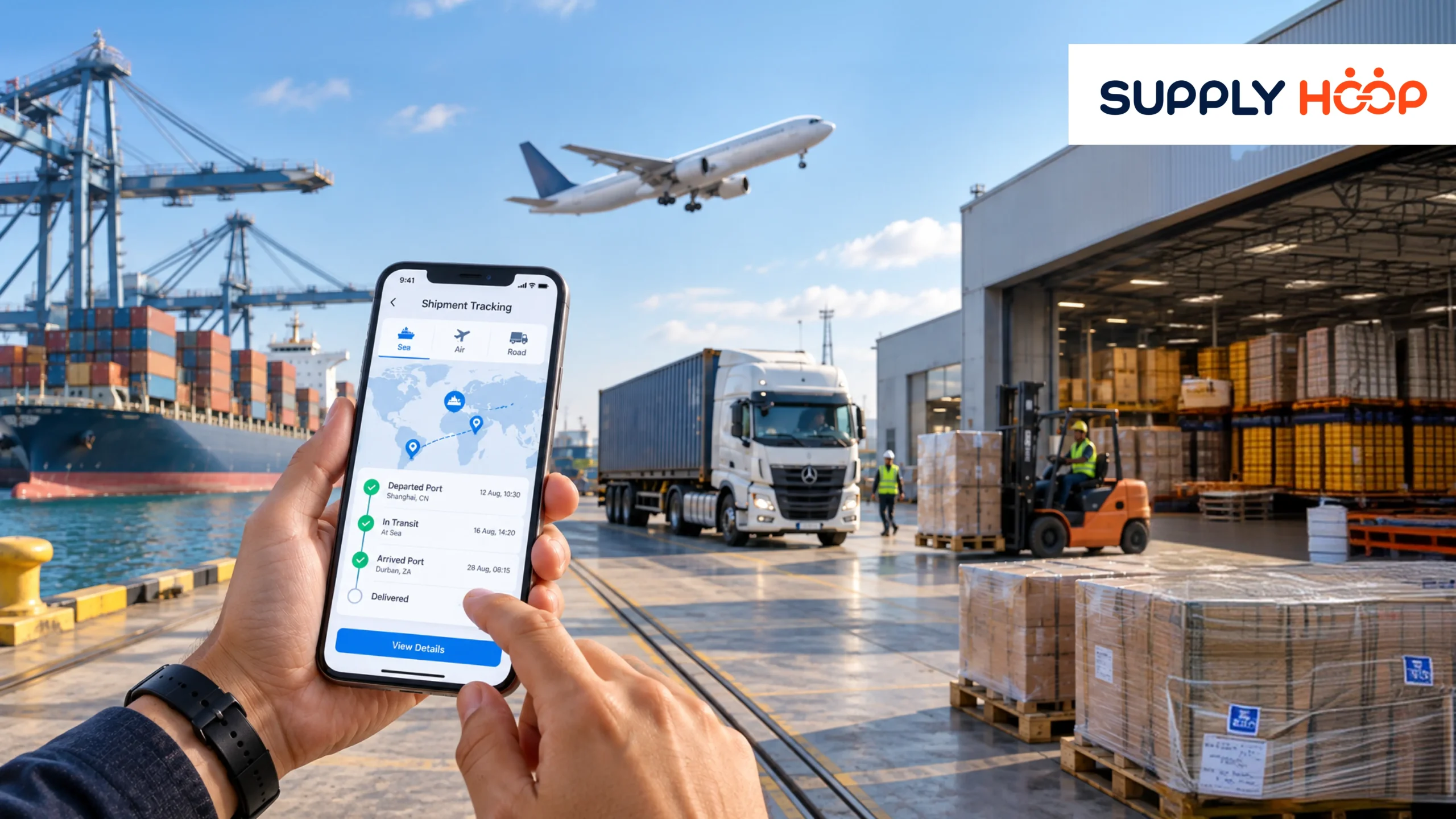
- Real-time tracking of shipments and milestones
- Automated updates from integrated systems
- Centralized access to operational and compliance data
- Instant alerts for disruptions or risks
- Detailed audit trails for regulatory reporting
These tools replace manual processes with automated, reliable data flows.
Why Mobile Access is a Game Changer?
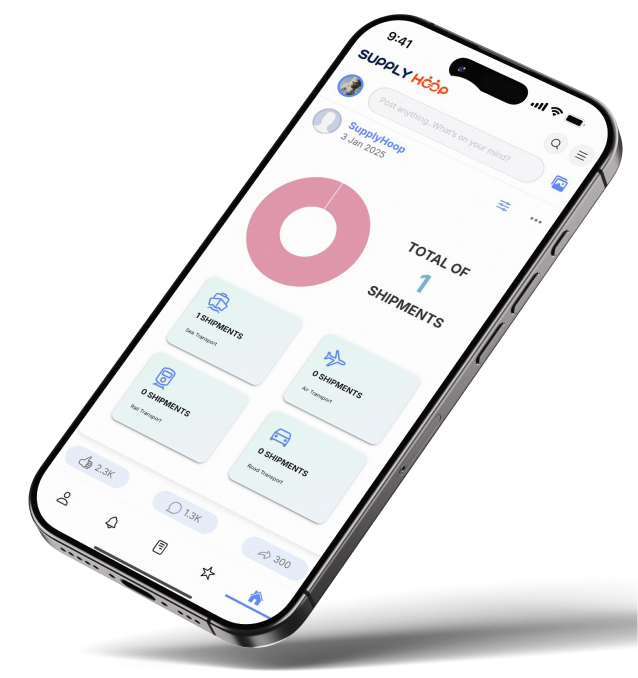
While digital platforms improve visibility, mobile applications take it a step further by making that visibility accessible anytime, anywhere.
With mobile-enabled supply chain visibility, logistics professionals can:
- Check shipment and compliance status instantly
- Access supplier and documentation data on the go
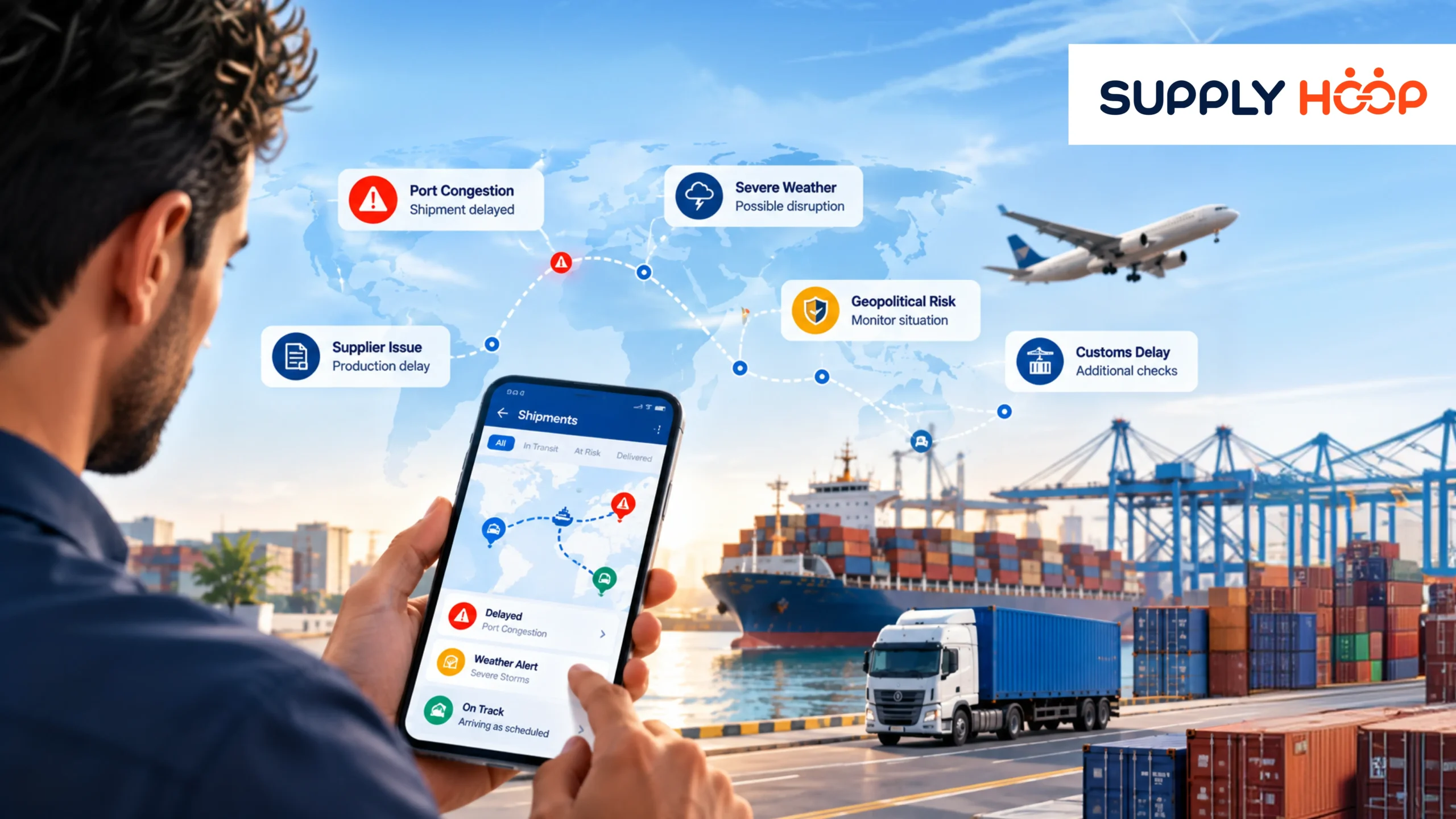
- Receive real-time alerts for risks or delays
- Respond to issues without waiting to access desktop systems
This is especially important in today’s environment, where decisions need to be made quickly and often outside traditional office settings.
AI-Powered Insights for Predictive Risk Management
Beyond visibility, AI is helping organizations move toward predictive risk management.
AI-driven systems analyze patterns across supply chain data to identify potential risks before they occur.
These systems can detect:
- Supplier performance issues
- Delays in shipment milestones
- Compliance risks based on historical data
- Disruptions caused by geopolitical or environmental factors
This allows companies to take preventive action instead of reacting after the fact.
The Cost of Ignoring Visibility Gaps
Organizations that fail to address visibility gaps face increasing risks, including:
- Regulatory penalties and compliance violations
- Delays in shipment clearance
- Increased operational costs
- Loss of customer trust
- Disruptions to supply chain continuity
As regulations continue to evolve, these risks will only increase.
Building a Transparent and Resilient Supply Chain
To stay competitive and compliant, organizations must focus on building supply chains that are both transparent and resilient.
Key steps include:
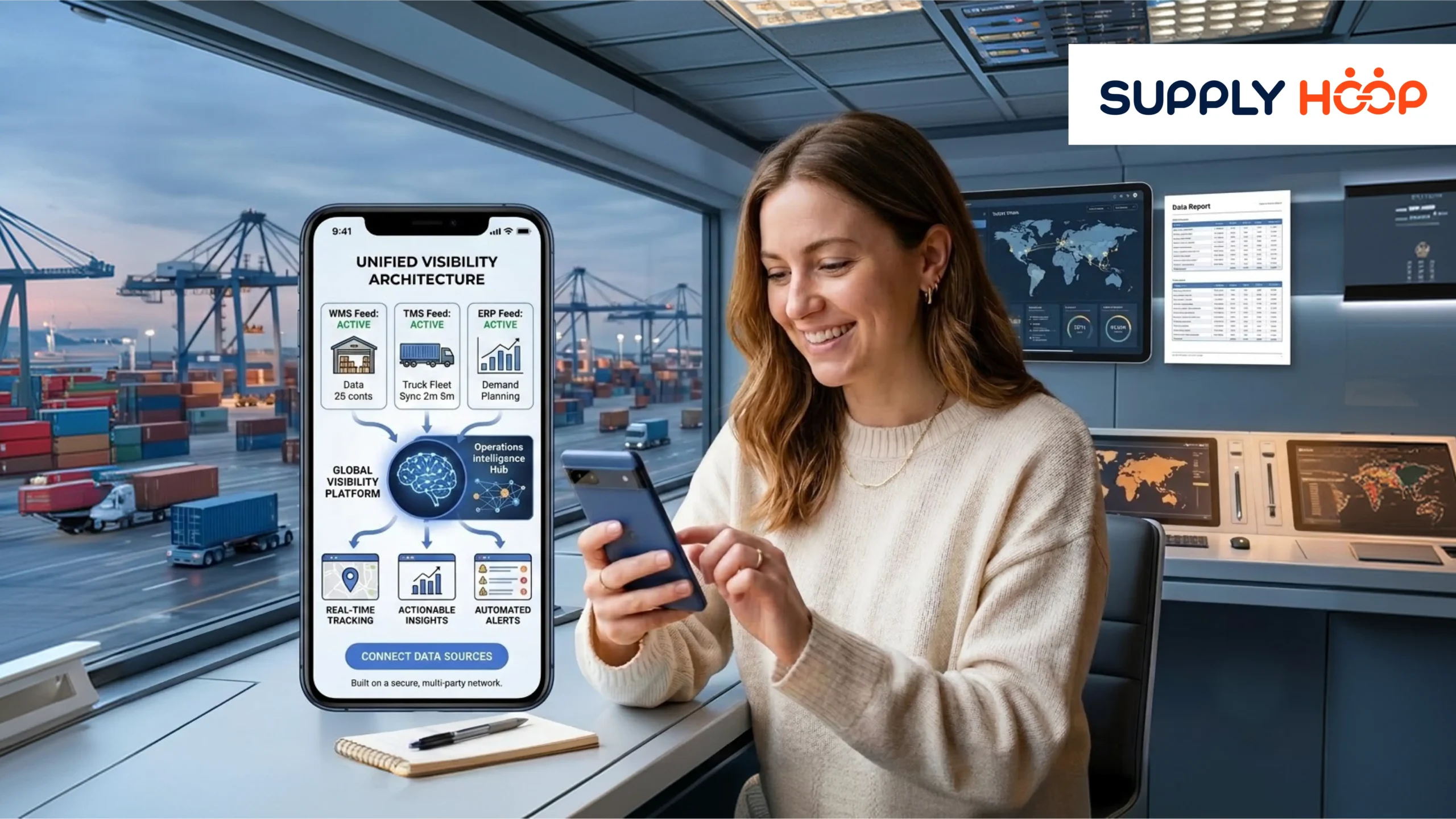
- Integrating systems to create a single source of truth
- Implementing real-time tracking and monitoring tools
- Using mobile platforms for instant access to data
- Leveraging AI for predictive insights
- Strengthening supplier visibility and collaboration
These steps help organizations move from fragmented operations to connected, data-driven supply chains.
From Visibility Gaps to Full Control
The growing regulatory pressure is not just a challenge, it’s an opportunity.
It’s pushing organizations to rethink how they manage their supply chains and invest in tools that provide true visibility.
With the right technology, companies can:
- Eliminate manual tracking processes
- Improve data accuracy and consistency
- Respond faster to disruptions
- Maintain compliance with confidence
Visibility transforms uncertainty into control.
Conclusion
Regulatory pressure is revealing what many supply chains have been missing for years, a clear, real-time view of operations and risks.
As compliance requirements grow and disruptions become more frequent, organizations must prioritize visibility as a core capability.
Mobile-enabled, AI-driven visibility platforms provide the tools needed to close these gaps, improve transparency, and build resilient supply chains.
If you want to stay ahead of regulatory demands and gain complete control over your operations, now is the time to act.
Book a demo today and discover how end-to-end supply chain visibility through mobile technology can help you manage risk, ensure compliance, and operate with confidence.