When Your KPIs Move With You, Your Supply Chain Performs Better
Ask any supply chain leader what slows decisions the most, and you’ll hear a common theme: “I don’t get the information when I need it.” Not because teams aren’t working hard, but because the data is trapped in systems that require a laptop, a login, and time, three things logistics professionals rarely have when they’re walking the warehouse floor, inspecting inbound cargo, or coordinating with carriers.
That gap between needing visibility and getting visibility is where many supply chain issues begin. Late decisions lead to late shipments. Unseen exceptions lead to unexpected costs. Slow reporting leads to slow recovery from disruption.
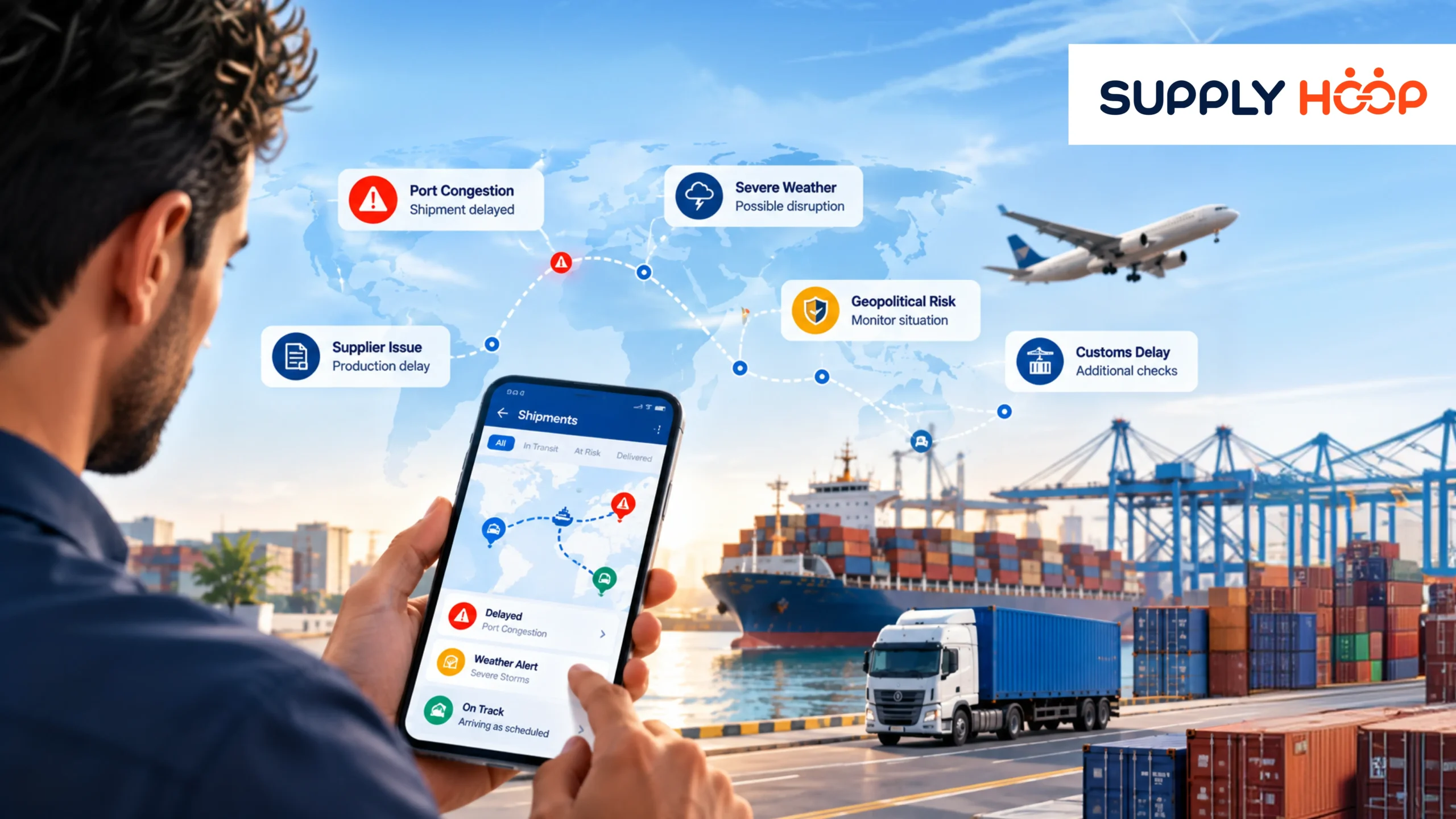
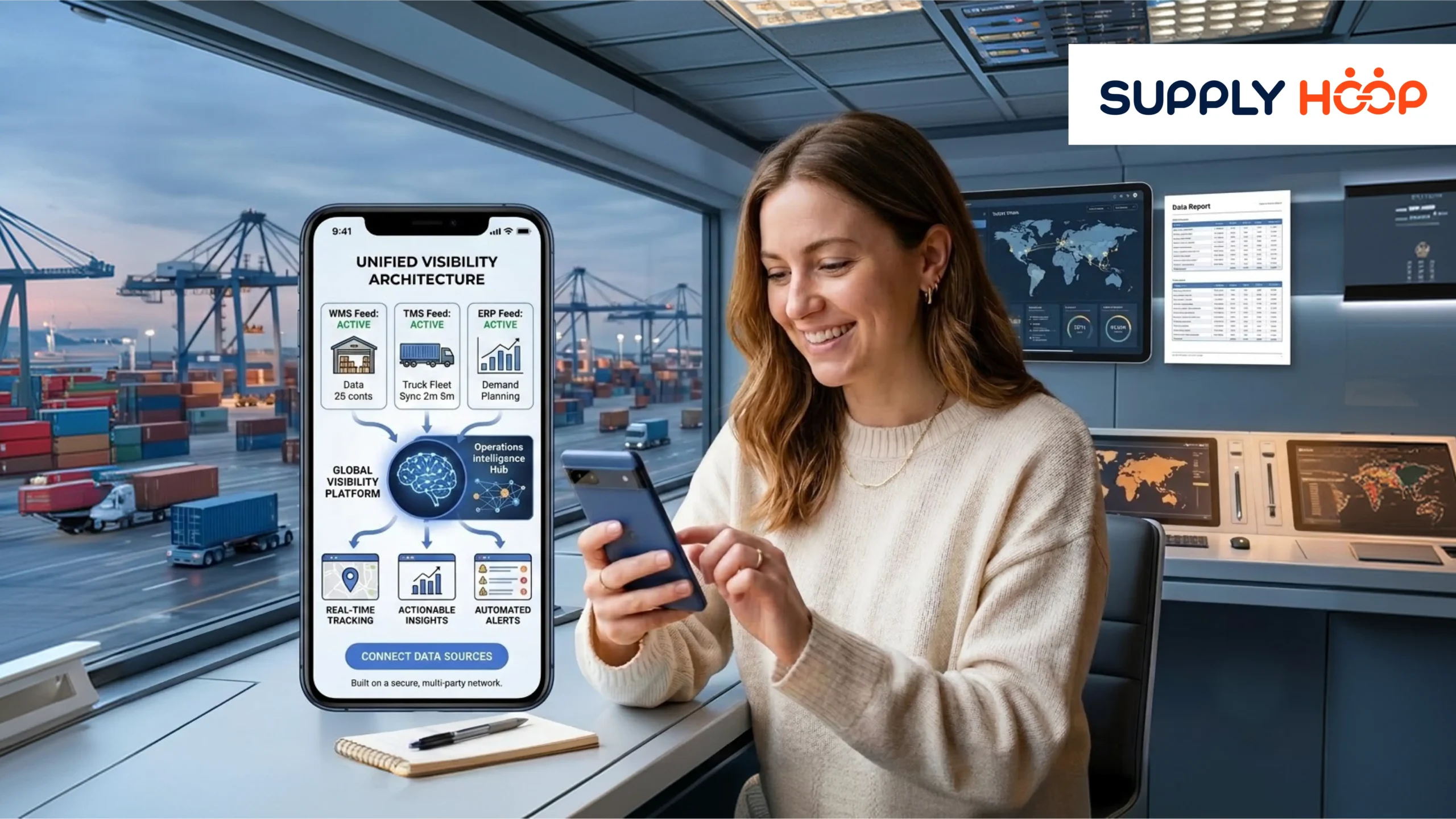
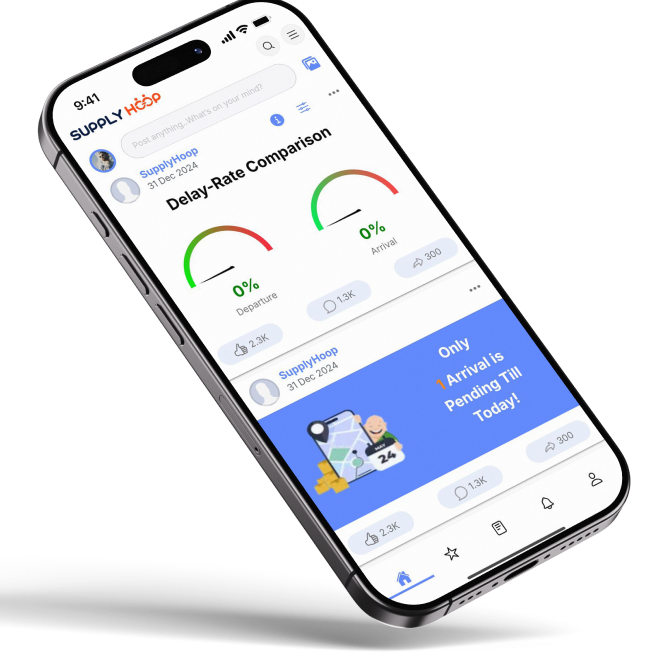
This is exactly why companies are shifting critical supply chain metrics into mobile apps, giving leaders real-time KPI visibility wherever they are, so they can react faster, plan smarter, and improve performance across their entire network.
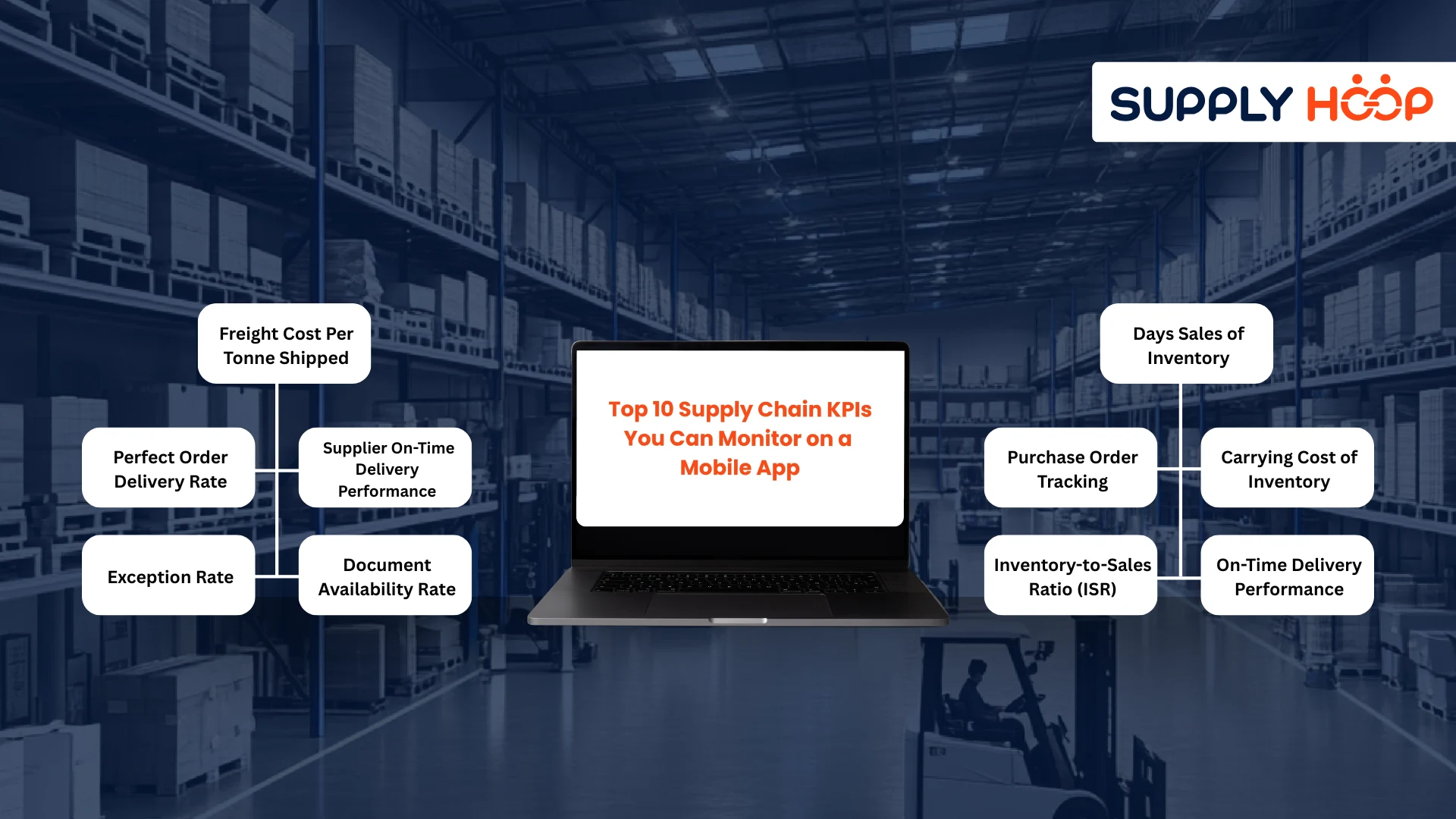
Below are 10 essential supply chain KPIs that modern logistics teams now track directly from their phones, along with why each one matters in today’s unpredictable environment.
1. On-Time Delivery Performance (ETAs That Actually Matter)
On-time delivery is the most visible KPI in logistics, but also the one that fluctuates the most. Schedules change, vessels are delayed, trucks reroute, and ports are congested.
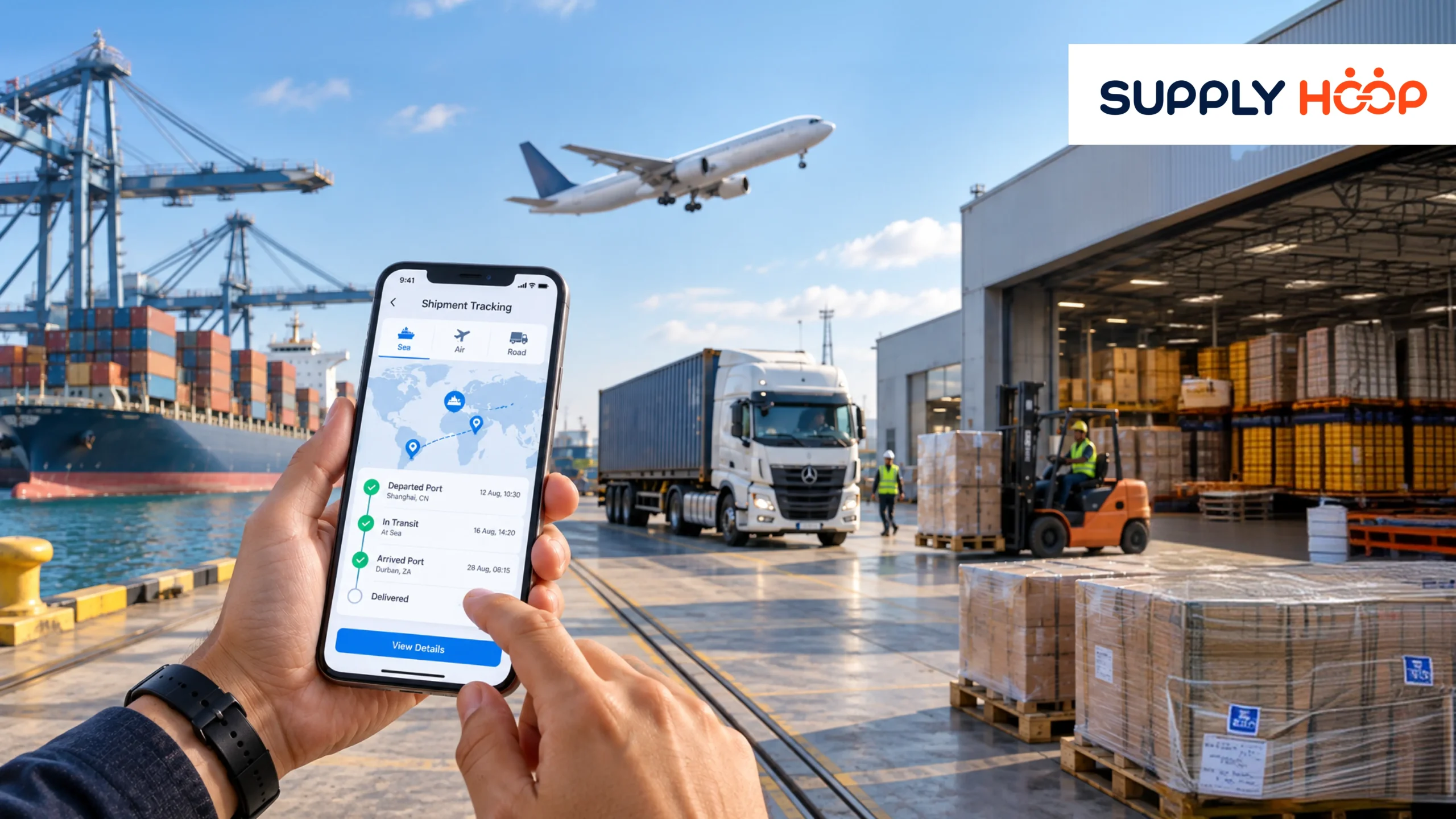
Mobile tracking gives teams instant updates on:
- Estimated and actual arrival times
- Route deviations
- Delay alerts
- Delivery milestone changes
With real-time ETA visibility on mobile, operations, customer service, and finance teams all stay aligned, reducing disruptions and improving service reliability.
2. Inventory-to-Sales Ratio (ISR)
ISR shows whether inventory levels match sales demand. In a volatile environment, too much stock ties up cash; too little causes stockouts and lost revenue.
A mobile app lets leaders monitor ISR in real time, enabling faster adjustments to purchasing, production planning, and replenishment strategies. When ISR lives on mobile, teams don’t have to wait for weekly reports, they respond immediately.
3. Carrying Cost of Inventory
Inventory isn’t free. Every pallet sitting on a rack consumes capital through:
- Storage costs
- Insurance
- Obsolescence risk
- Handling labor
Mobile visibility helps companies track carrying cost trends and identify where excess inventory is accumulating. This prevents over-ordering and improves working capital efficiency.
4. Purchase Order Tracking (The Heartbeat of Supply Chain Movement)
A single delayed Purchase Order can disrupt production schedules, customer deliveries, and inbound planning.
Through a mobile app, logistics teams can instantly view:
- Which POs are confirmed
- Which items are delayed
- Supplier fulfillment accuracy
- Expected arrival dates
- Quantity discrepancies
This transparency helps procurement, warehouse teams, and finance stay connected, even when they’re not in the same place.
5. Days Sales of Inventory (DSI)
DSI measures how long it takes for inventory to convert into revenue.
- High DSI = slow-moving stock
- Low DSI = efficient cash conversion
Mobile DSI tracking gives leaders the ability to make real-time decisions about promotions, reordering, or process improvements, without waiting for monthly reports. This protects liquidity and supports smarter planning.
6. Freight Cost Per Tonne Shipped
Freight cost KPIs are essential in a world where fuel prices, capacity, and surcharges shift constantly.
Mobile dashboards allow teams to compare:
- Cost per tonne
- Cost per shipment
- Carrier cost trends
- Lane performance
This helps logistics managers identify costly routes, negotiate better rates, and choose more efficient carriers.
7. Perfect Order Delivery Rate
A “perfect order” means it was:
- Delivered on time
- Delivered complete
- Delivered without damage
- Delivered with the correct documentation
Tracking this KPI on mobile highlights operational weaknesses instantly. When perfect orders drop, the issue is often hidden somewhere in the process, and real-time insights help teams fix it before it impacts customer trust.
8. Supplier On-Time Delivery Performance
Supplier reliability determines whether your supply chain stays stable or constantly fights fires.
Mobile apps let companies monitor supplier metrics such as:
- Promise date vs. delivery date
- Fill rate accuracy
- Document completeness
- Exception frequency
Teams gain the power to act immediately, shifting orders, adjusting forecasts, or addressing recurring issues.
9. Exception Rate
Exceptions are expensive. Every delay, hold, damage claim, or mismatch adds cost, time, and stress.
A mobile app helps leaders track:
- Number of exceptions per week
- Type of exception (customs, carrier, supplier, warehouse)
- Frequency by lane or customer
- Resolution speed
Exception visibility on mobile improves operational resilience and allows teams to attack problems before they escalate.
10. Document Availability Rate
Documents move the supply chain just as much as containers do. Missing or late documents (HBL, invoice, packing list, certificates) lead to expensive delays.
Tracking document visibility through mobile apps ensures:
- Documents are uploaded on time
- Approvals happen instantly
- No job stalls due to missing paperwork
- Finance can invoice faster
- Customs teams have what they need
This KPI directly improves cash flow and reduces penalties.
Why Tracking KPIs Through a Mobile App Changes Everything?
In traditional logistics setups, KPIs lived inside desktop dashboards and weekly reports. But that model no longer supports today’s pace of operations. Supply chain disruptions happen in real time, and so must decision-making.
Mobile KPI tracking transforms performance by enabling:
Real-Time Decision-Making
Leaders don’t wait for reports. They react instantly.
Faster Problem Resolution
Issues can be escalated, shared, and solved on the go.
Consistent Operational Alignment
Everyone — warehouse, procurement, transport, finance — sees the same truth.
Improved Customer Communication
Mobile visibility allows service teams to provide immediate, accurate answers.
Greater Financial Control
KPIs like ISR, DSI, and freight cost help protect working capital.
AI-Driven Insights on Mobile
Modern apps include AI- powered logistics assistant that answers questions such as:
- “Show delayed POs.”
- “Which supplier is underperforming?”
- “What’s our DSI today?”
This turns mobile devices into command centers for supply chain intelligence.
Conclusion
Supply chain performance depends on visibility, not once a month, not at the end of the week, but exactly when decisions need to be made. Tracking KPIs through a mobile app gives logistics teams the agility, accuracy, and awareness required to compete in a volatile global environment.
When your KPIs live in your pocket, your decisions become faster, your operations become smoother, and your supply chain becomes stronger.
Want to achieve End-to-End Supply Chain Visibility and track every KPI that matters, anytime, anywhere? Book a demo today!