When Decisions Can’t Wait for a Desk, Visibility Has to Move
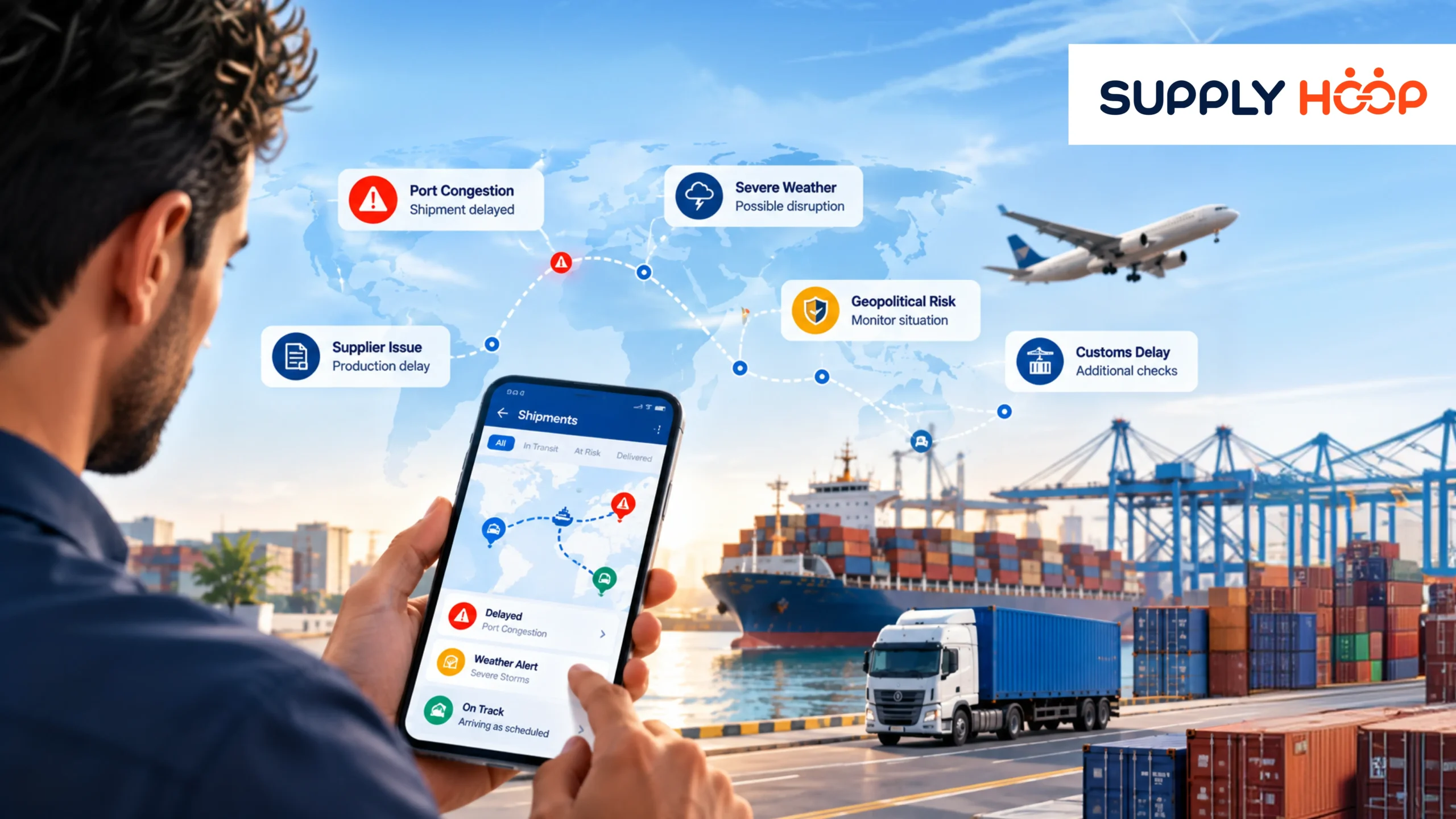
Picture a typical day in supply chain operations. A shipment is delayed at the port. A warehouse team needs confirmation before unloading. A customer asks for an updated delivery timeline. Finance is waiting to know whether a job is ready for billing.
None of these moments happens neatly at a desk with time to log into multiple systems. They happen in real time, often when teams are on the move. And that’s exactly why mobile apps have become one of the most practical and impactful tools in modern supply chain operations.
Mobile apps aren’t about replacing core systems. They’re about bringing visibility, speed, and clarity to the moments where decisions actually happen.
Why Traditional Supply Chain Tools are Falling Short?
Most supply chain systems were designed for stability, not volatility. They assume predictable schedules, centralized teams, and plenty of time to analyze reports. Today’s reality looks very different.
Common challenges logistics professionals face include:
- Constant changes in shipment schedules
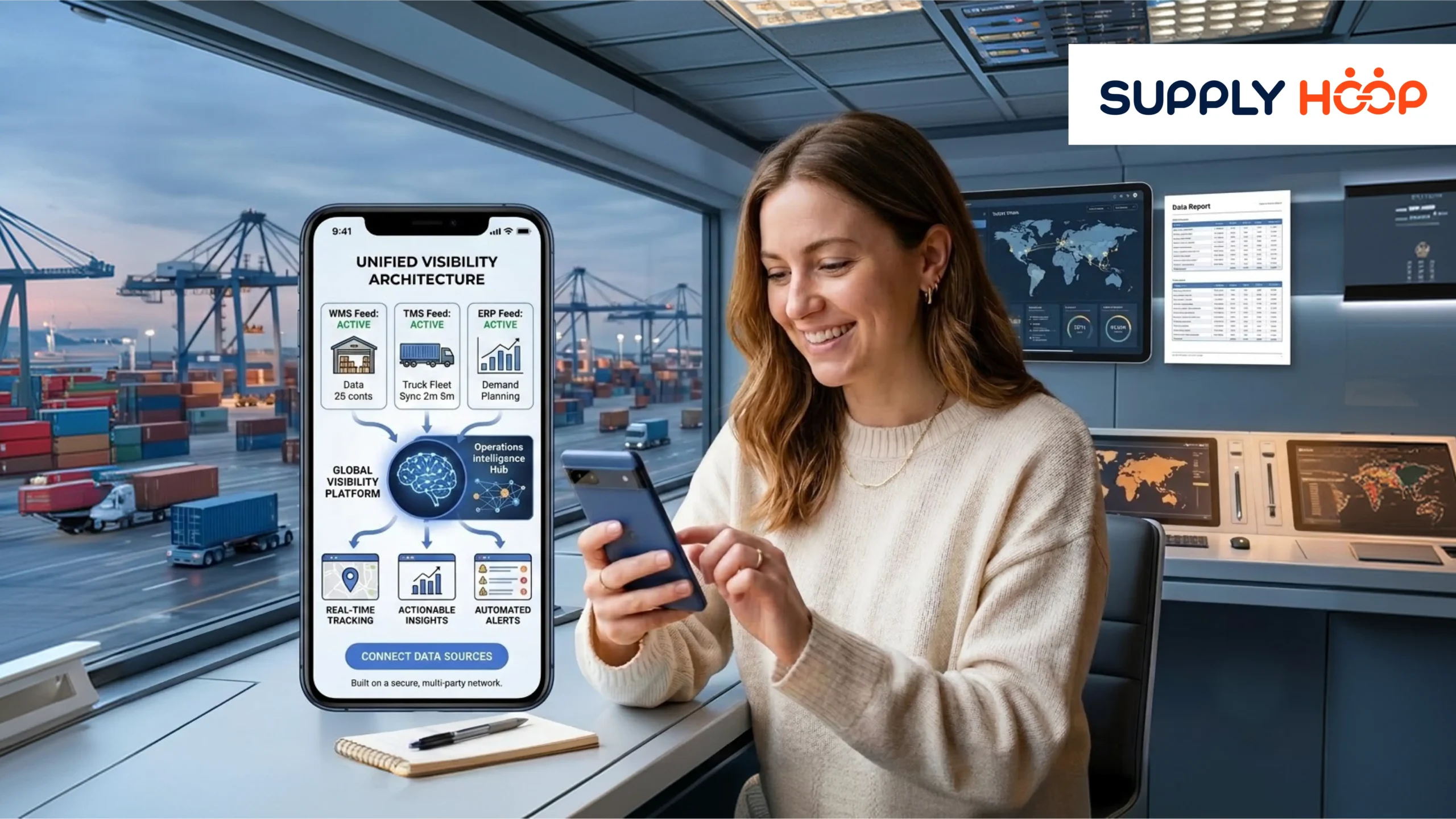
- Disconnected systems across transport, warehousing, and finance
- Delayed visibility into what’s actually happening on the ground
- Heavy reliance on emails, calls, and spreadsheets
- Customers expecting faster, clearer updates
In this environment, information that arrives late is almost as bad as information that’s wrong.
Mobile Apps Bring Real-Time Visibility Where It Matters
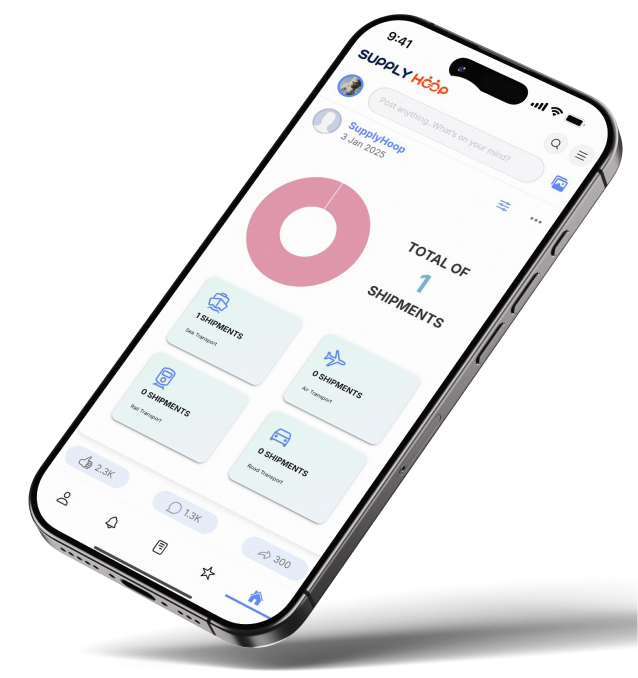
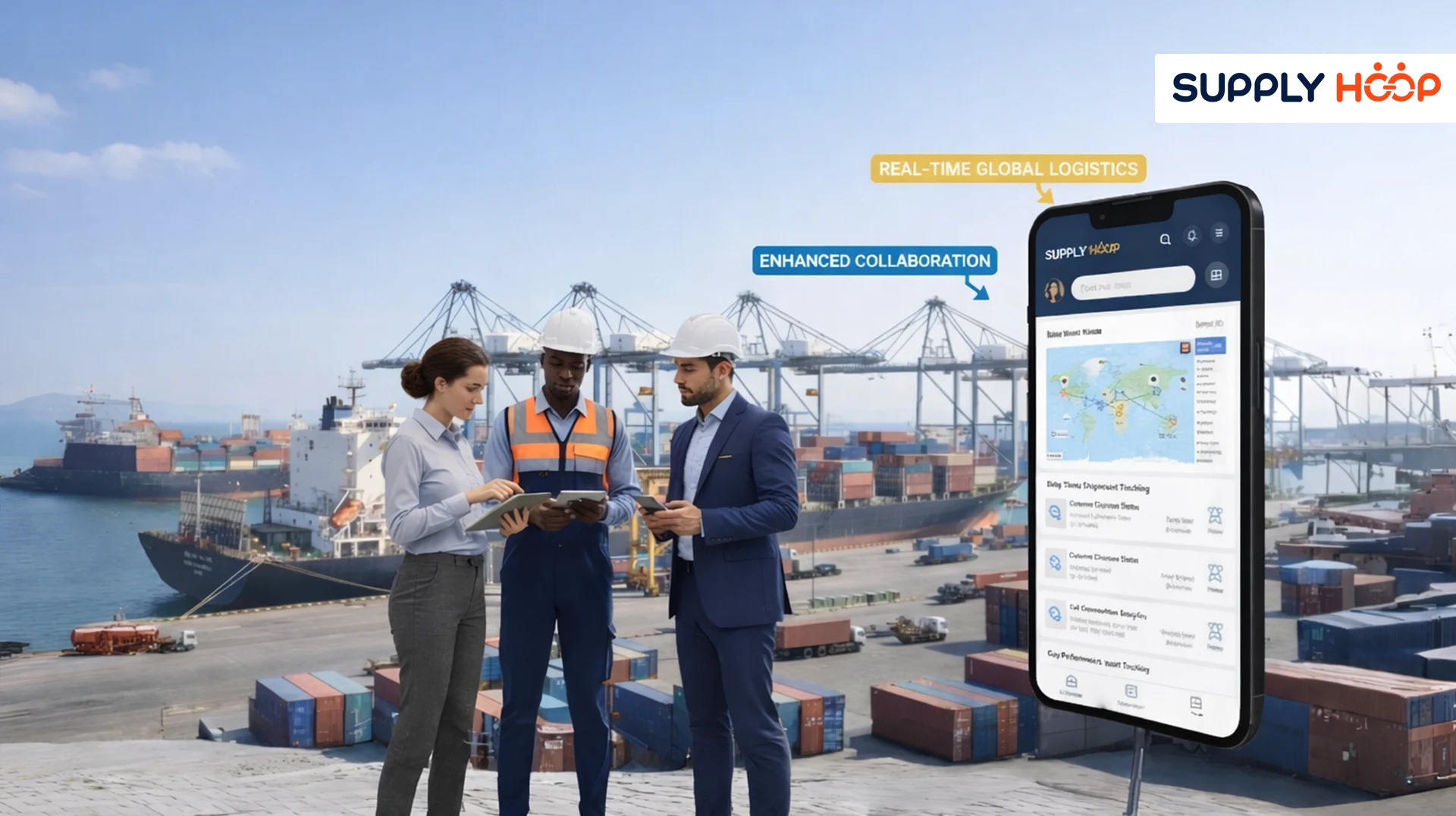
One of the biggest benefits of using a mobile app in supply chain operations is real-time visibility that travels with the operation.
Instead of waiting for reports or logging into systems, teams can instantly see:
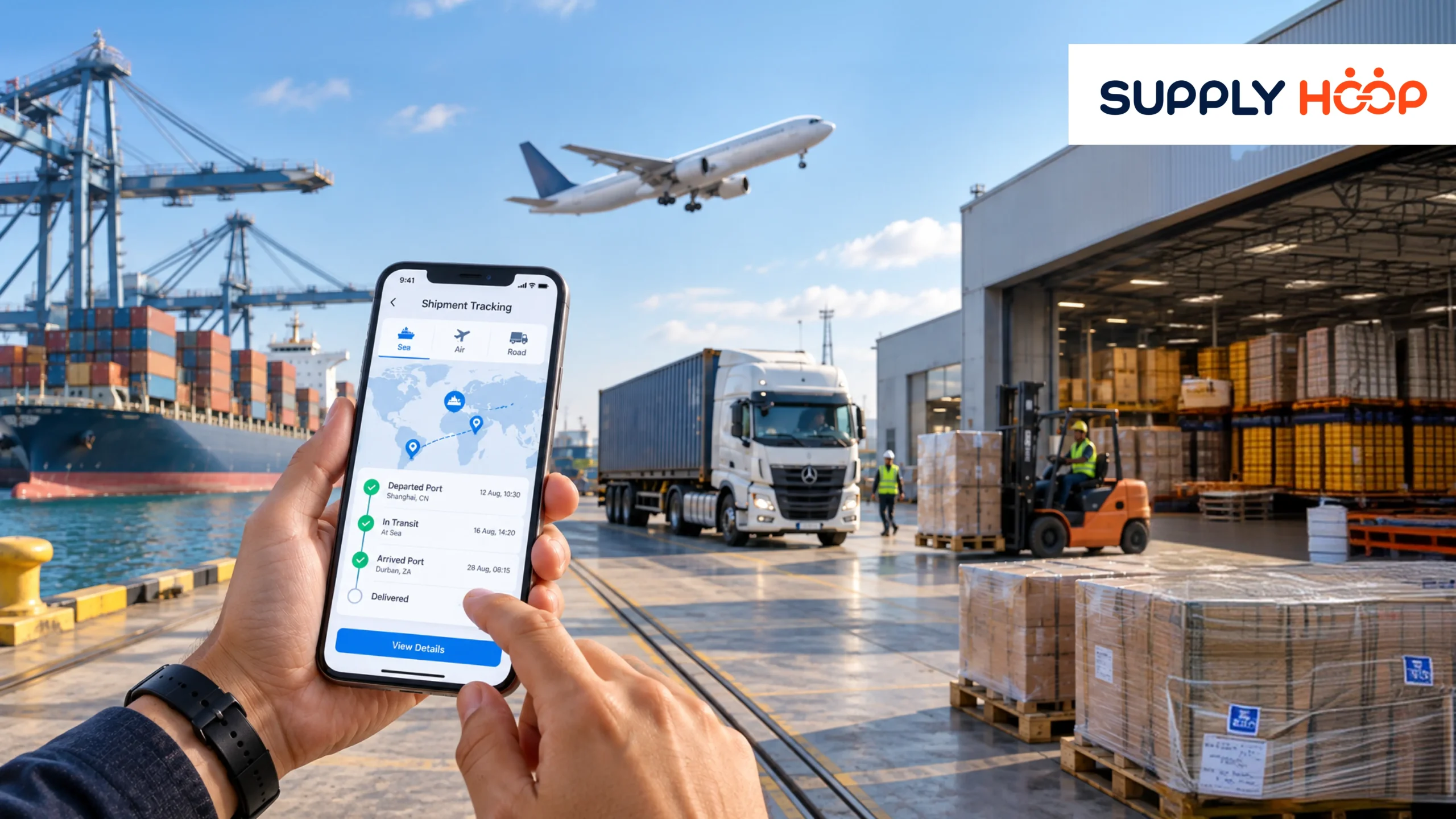
Shipment status and milestones
- Updated ETAs and delays
- Inventory availability
- Booking and job progress
- Document readiness
This immediacy allows operations teams to respond to issues as they arise, not hours or days later.
Faster Decision-Making Across the Supply Chain
Supply chains move fast. Decisions often need to be made in minutes, not meetings.
Mobile apps support faster decision-making by:
- Delivering live data directly to decision-makers
- Reducing dependency on back-office teams
- Eliminating delays caused by system access limitations
- Enabling approvals and confirmations on the go
When leaders and managers can see what’s happening instantly, they can act with confidence instead of waiting for confirmation.
Improved Coordination Between Teams
Supply chain operations involve multiple functions working together, transport, warehouse, planning, customer service, and finance. When each team works from a different version of the truth, coordination breaks down.
Mobile apps help align teams by:
- Providing a single, shared view of operations
- Reducing misunderstandings caused by outdated data
- Keeping everyone informed with the same real-time updates
- Improving collaboration without endless follow-ups
This shared visibility helps teams move in sync rather than in silos.
Better Handling of Exceptions and Delays
Delays and disruptions are part of supply chain reality. What matters is how quickly teams see them and how effectively they respond.
Mobile apps improve exception handling by:
- Sending instant alerts when issues arise
- Highlighting deviations from planned timelines
- Allowing teams to assess impact immediately
- Supporting quicker corrective actions
Instead of discovering problems after customers escalate, teams can address them early and proactively.
Increased Operational Efficiency
Small delays and manual steps add up quickly in supply chain operations. Mobile apps reduce friction by streamlining everyday tasks.
They help eliminate:
- Manual status checks
- Repetitive data entry
- Back-and-forth emails for simple updates
- Time lost switching between systems
By simplifying how information flows, mobile apps free teams to focus on execution rather than administration.
Enhanced Inventory Visibility and Control
Inventory is one of the most sensitive areas in supply chain operations. Inaccurate or delayed inventory data leads to stockouts, overstocking, and missed commitments.
Mobile inventory visibility allows teams to:
- See real-time stock levels
- Track inbound and outbound movements
- Identify shortages or excess inventory early
- Make faster replenishment decisions
When inventory visibility is mobile, control improves, even in fast-moving or multi-location environments.
Stronger Customer Communication and Confidence
Customers judge supply chain partners not just by delivery, but by communication. When updates are slow or unclear, confidence drops.
Mobile apps improve customer visibility by:
- Enabling faster, more accurate updates
- Reducing the need for repeated status inquiries
- Supporting proactive communication during disruptions
- Building trust through transparency
When teams have information at their fingertips, conversations with customers become clearer and calmer.
Support for On-the-Go Approvals
Approvals often slow down supply chain processes more than expected. Waiting for someone to be online or at their desk can stall bookings, documents, or operational changes.
Mobile apps help by:
- Making approvals visible in real time
- Allowing quick review and action
- Keeping workflows moving outside office hours
This flexibility keeps operations flowing even when schedules don’t align.
Better Data Accuracy and Accountability
When updates are delayed or entered manually at the end of the day, errors creep in. Mobile apps support more accurate data capture by enabling updates at the source.
Benefits include:
- Fewer discrepancies between system data and reality
- Clear audit trails for actions and decisions
- Improved accountability across teams
Accurate data leads to better planning and fewer surprises.
Scalability Without Complexity
As supply chains grow more complex, adding layers of manual coordination becomes unsustainable. Mobile apps scale more easily than people-intensive processes.
They support:
- Growing shipment volumes
- Expanding warehouse networks
- Distributed teams across locations
- Increased customer expectations
All without adding unnecessary operational overhead.
Why Mobile Apps are Becoming a Standard, Not an Add-On?
What started as a convenience has become an expectation. Supply chain professionals now see mobile apps as a core operational tool, not a nice-to-have.
They provide:
- Speed in decision-making
- Consistency in information
- Flexibility in execution
- Visibility across the entire operation
In a world where change is constant, mobility provides stability.
The Bigger Picture: From Reactive to Proactive Operations
Ultimately, the biggest benefit of using a mobile app in supply chain operations is the shift it enables, from reacting to problems to anticipating them.
When teams can see what’s happening as it happens:
- Issues are addressed earlier
- Planning improves
- Customer trust strengthens
- Operations become more resilient
Mobile visibility turns supply chain management into a proactive discipline.
Conclusion
Supply chain operations no longer run on static plans and delayed reports. They run on real-time decisions made by people who need information immediately.
Mobile apps bring visibility, speed, and clarity to the moments that matter most. They help logistics professionals stay aligned, respond faster, and operate with confidence, even when conditions change.
Curious how mobile visibility can transform your daily operations? Explore how end-to-end supply chain visibility works in practice and book a demo to see it in action.