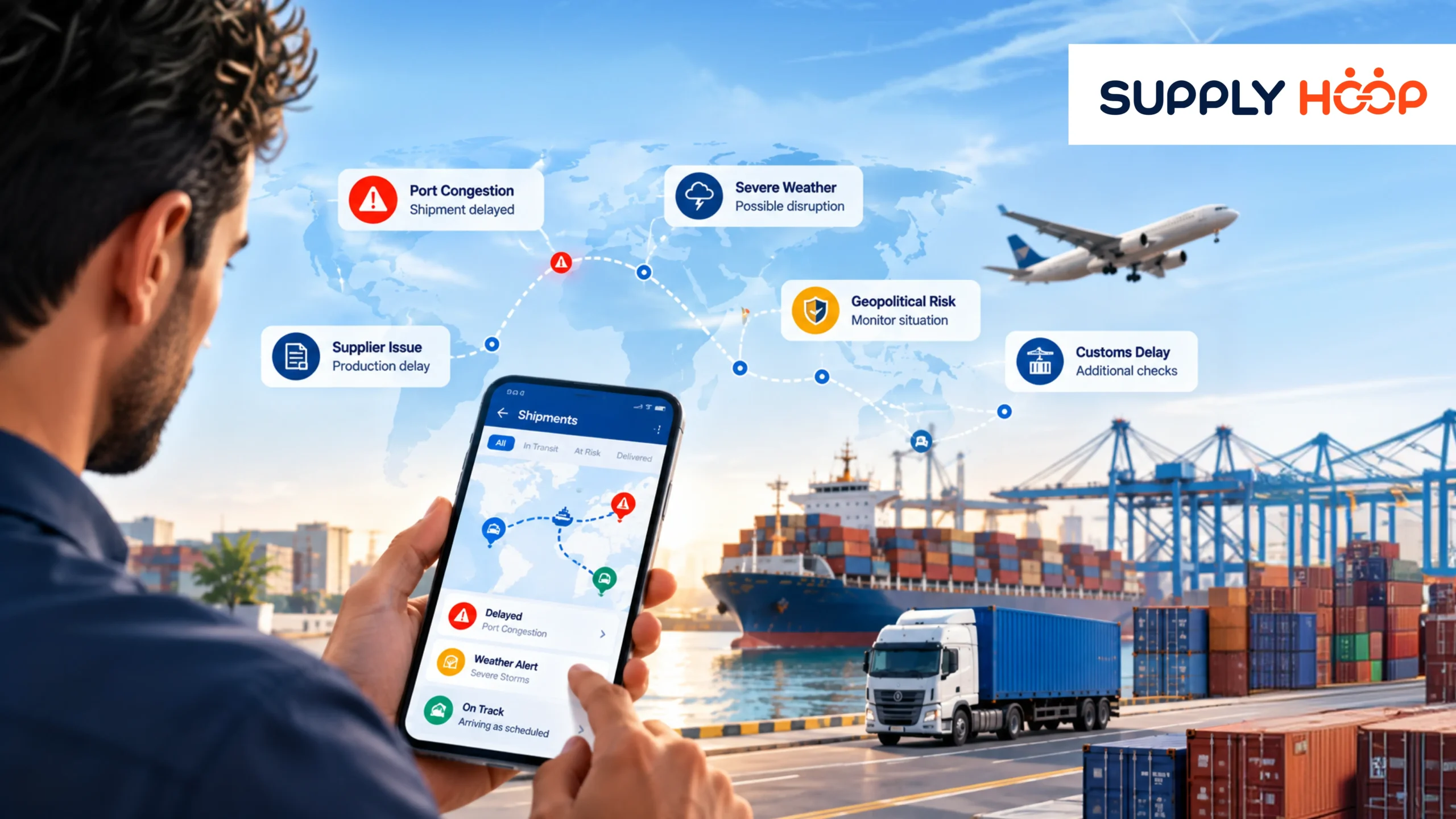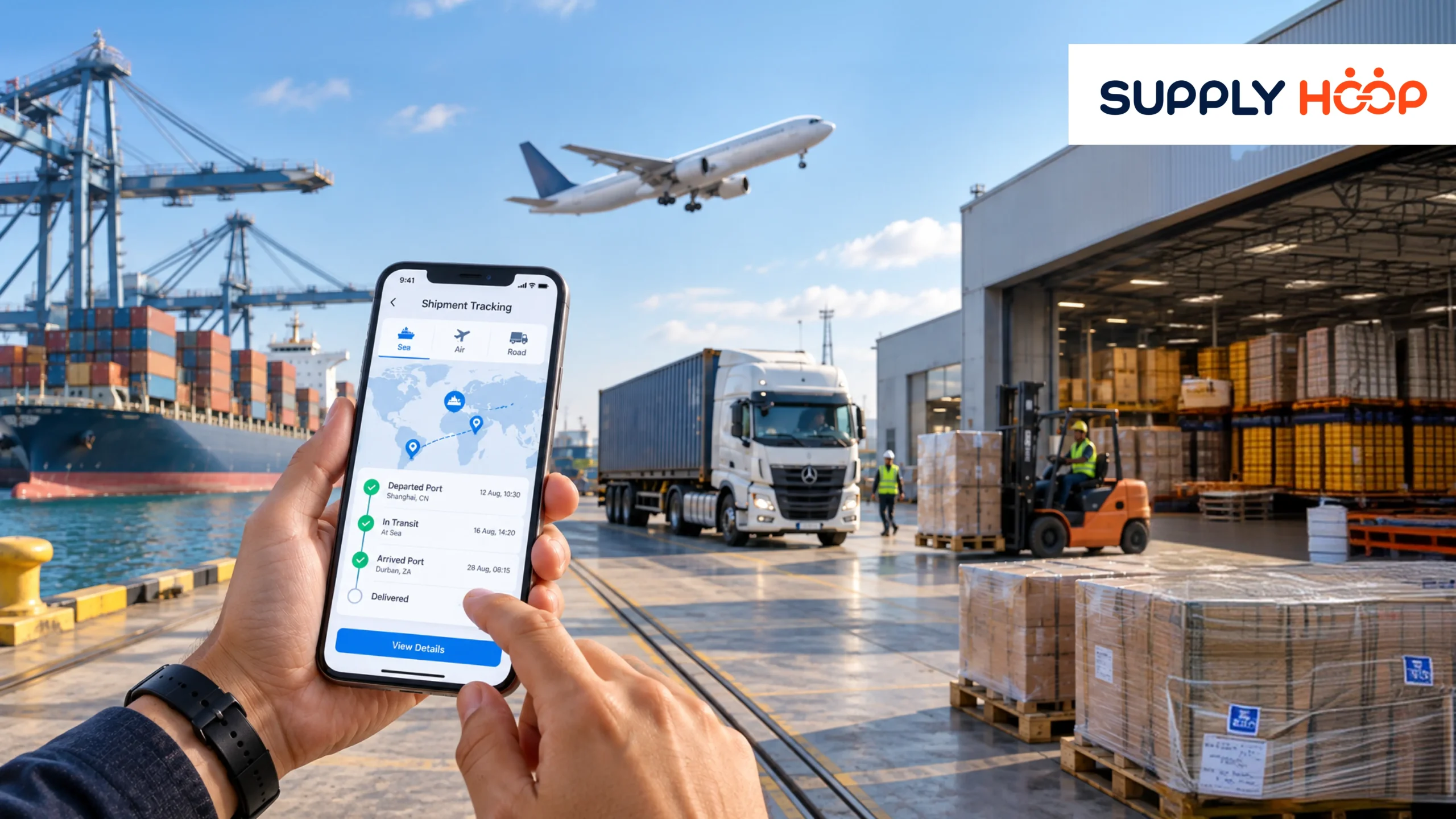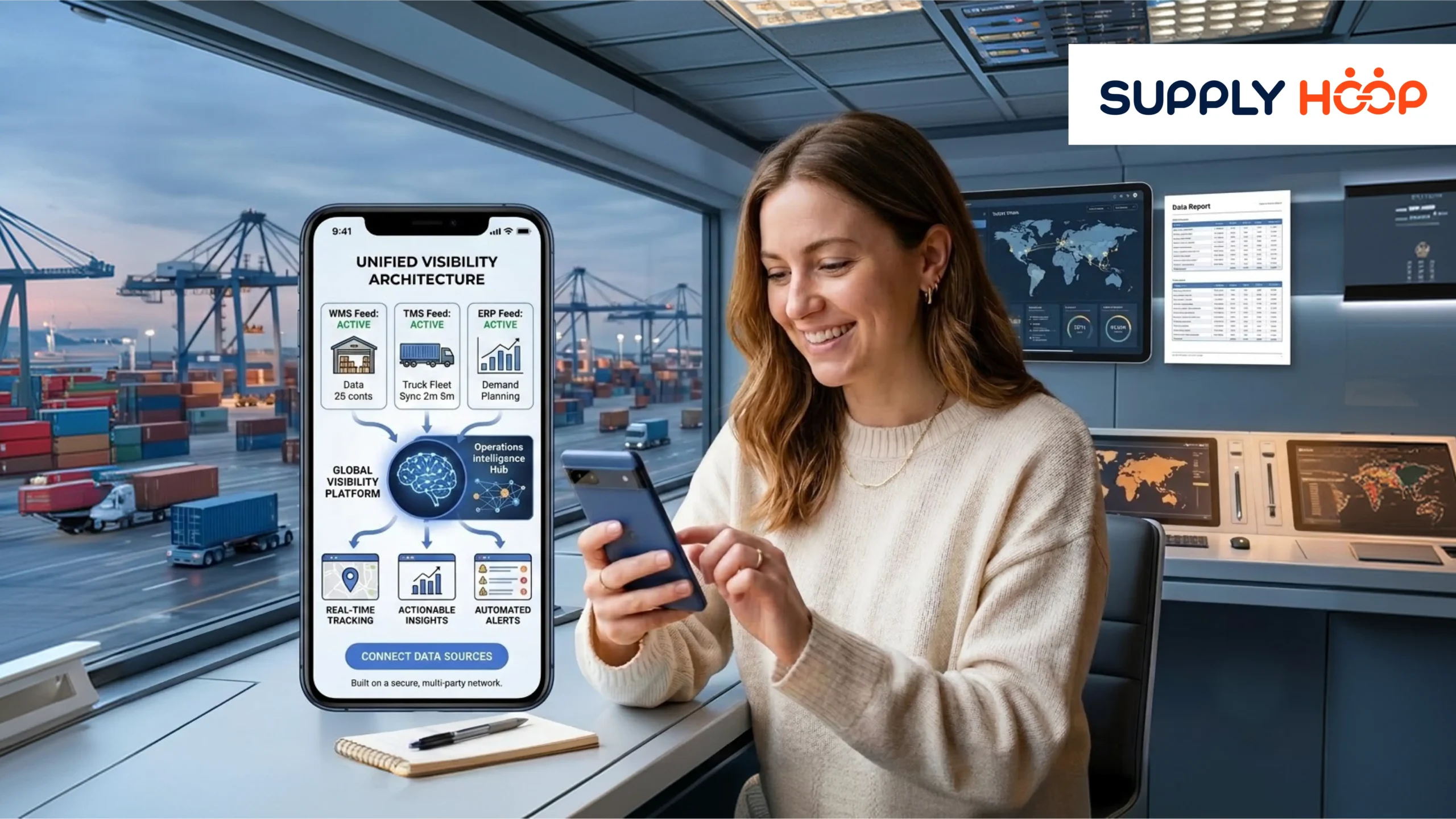
A vessel delay rarely feels like a single event. It starts quietly, an updated sailing schedule, a revised ETA, a short message from a carrier. But for logistics professionals, the ripple effects are immediate and serious. Time-sensitive parts don’t arrive. Production lines slow down. Warehouses sit idle. Customers start asking when operations can resume.
What makes vessel delays especially challenging today isn’t that they happen, everyone in logistics expects disruptions. The real problem is not knowing, in real time, what that delay means for cargo already in transit and for the decisions that depend on it.
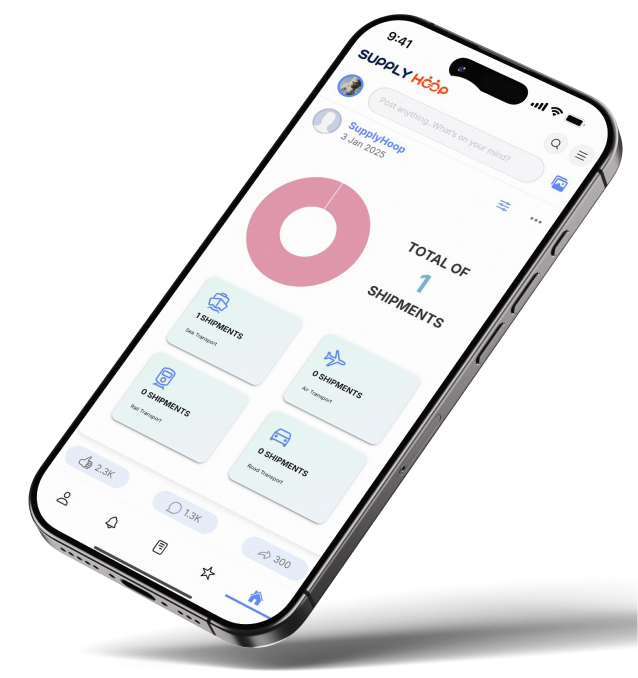
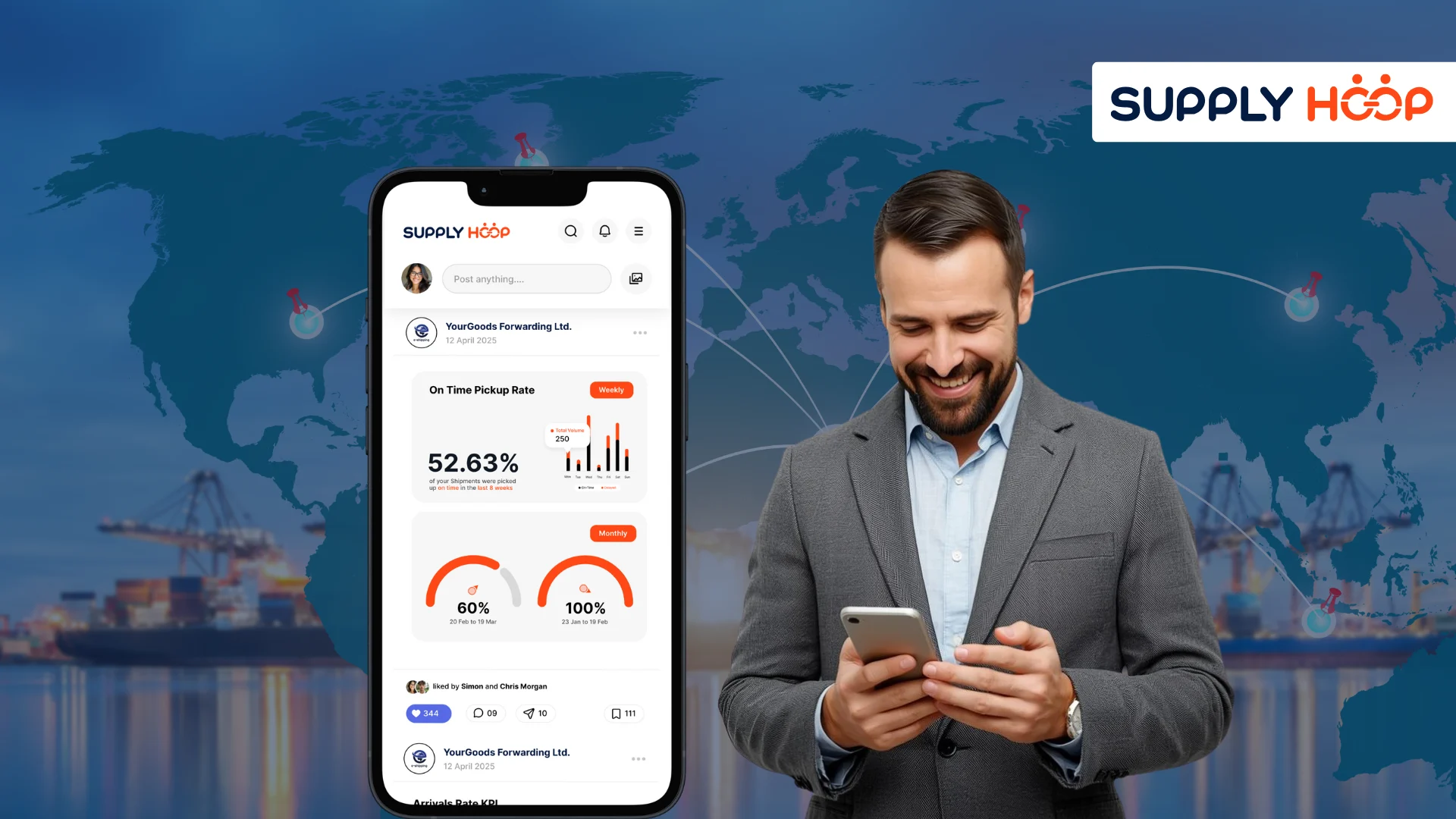
This is where shipment visibility through a mobile app becomes critical. When teams can see what’s happening minute by minute, they can adjust plans, protect security, and keep customers informed, rather than reacting after damage is done.
Why Vessel Delays are so Disruptive in Today’s Supply Chains?
Vessel delays have become more frequent due to port congestion, weather volatility, equipment shortages, rerouting, and geopolitical disruptions. Unlike inland delays, vessel delays affect cargo for days or even weeks before corrective action is possible.
For logistics teams, the biggest challenges include:
- Critical components arriving late and halting manufacturing
- Inability to plan labor, warehouse space, or onward transport
- Customers are unable to determine when operations can restart
- Increased risk of theft, damage, or misrouting while cargo sits longer in transit
Without real-time visibility, these risks stay hidden until it’s too late to act.
The Hidden Cost of Not Tracking Shipments During a Vessel Delay
When a vessel is delayed and visibility is limited, logistics teams are forced to operate in guesswork mode. That uncertainty creates real operational and financial costs.
Common pain points include:
- Production teams are waiting without clear restart timelines
- Emergency sourcing or expedited freight to compensate
- Increased customer escalations and loss of trust
- Missed opportunities to reroute or replan inventory
- Higher exposure to cargo security risks
In many cases, the delay itself isn’t what causes the biggest impact, it’s the lack of timely, reliable information.
Why Real-Time In-Transit Visibility Matters More than Ever?
When a vessel delay occurs, knowing that cargo is “on the water” isn’t enough. Logistics professionals need continuous awareness of where the shipment is, how the delay is evolving, and what the revised delivery timeline looks like.
Real-time in-transit cargo visibility provides:
- Live location updates while the cargo is moving
- Revised ETAs as schedules change
- Early signals when delays worsen or stabilize
- Confidence in planning next steps
When this information is accessible through a mobile app, decisions don’t wait for reports or emails. They happen immediately.
Supporting Time-Sensitive Parts During Vessel Delays
For shipments carrying time-sensitive or production-critical parts, vessel delays can shut down entire operations. Manufacturing teams rely on accurate delivery timelines to decide whether to pause, reschedule, or source alternatives.
With mobile shipment visibility, logistics teams can:
- Confirm exactly where the cargo is during the delay
- Share updated ETAs with production planners
- Help determine whether manufacturing can resume or must be adjusted
- Coordinate contingency plans earlier instead of later
Visibility turns a vessel delay from a surprise into a managed event.
Continuous Awareness of Location and Expected Delivery Time
One of the biggest advantages of modern shipment visibility platforms is continuous awareness, not periodic updates.
Through a mobile app, teams can monitor:
- Current vessel position
- Port congestion impacts
- Revised arrival windows
- Expected discharge timelines
This always-on awareness allows logistics professionals to respond proactively, rather than waiting for the next carrier update.
Immediate Alerts When Delays or Deviations Occur
Vessel delays often trigger secondary issues, rerouting, missed transshipment windows, or changes in port calls. These deviations can further impact delivery time and cargo security.
Real-time visibility platforms provide immediate notifications when:
- A vessel deviates from the planned route
- ETAs change beyond acceptable thresholds
- Cargo faces extended dwell time
- Security risks increase due to prolonged transit
Alerts delivered through a mobile app ensure teams see problems as they happen, not after consequences appear.
Protecting Cargo Security During Extended Transit
The longer the cargo stays in transit, the higher the risk. Extended vessel delays increase exposure to theft, tampering, and loss, especially for high-value or sensitive goods.
Real-time monitoring supports cargo security by:
- Maintaining visibility throughout the entire journey
- Highlighting unusual movement or route changes
- Enabling faster escalation when risks appear
- Providing proof of custody and movement history
Security improves when visibility is continuous, not fragmented.
Shared Visibility that Helps Customers Plan with Confidence
Customers don’t just want to know that a vessel is delayed, they want to know what that delay means for them.
Shared shipment visibility allows customers to:
- See the real-time shipment status themselves
- Understand updated delivery timelines
- Plan warehouse labor and downstream distribution
- Adjust production or inventory plans reliably
When customers have access to the same live data as logistics teams, conversations become calmer, clearer, and more collaborative.
Why Mobile Access Changes and How Teams Respond to Vessel Delays?
Vessel delays don’t wait for office hours. Logistics professionals are often coordinating across time zones, ports, and partners.
Mobile shipment visibility ensures:
- Updates are available anytime, anywhere
- Decisions aren’t delayed by system access
- Teams can act while on-site, in transit, or after hours
- Visibility follows the shipment, not the desk
Mobility turns shipment tracking into a real operational tool, not just a reporting function.
Turning Vessel Delays into Managed Events
With the right visibility, vessel delays no longer derail entire supply chains. Instead, they become manageable events with clear impact assessments and response options.
Real-time, mobile-enabled shipment visibility helps logistics teams:
- Identify risks early
- Communicate clearly
- Protect time-sensitive cargo
- Maintain security
- Support customer planning
The difference isn’t avoiding delays, it’s seeing them clearly and acting fast.
Conclusion
Vessel delays are part of modern logistics. What defines successful operations is not whether delays occur, but how well teams respond when they do.
When shipment visibility is limited, delays cause confusion, downtime, and lost trust. When visibility is real-time, shared, and mobile-accessible, teams stay in control, even when schedules change.
Are you in need of getting end-to-end supply chain visibility and managing vessel delays with confidence? Book a demo today to see how real-time, mobile shipment visibility keeps your operations moving, even when vessels don’t.