Every logistics professional has faced this moment: inventory looks fine in the system, but reality on the warehouse floor tells a different story. Stock shows are available but can’t be found. Fast-moving items run out unexpectedly. Slow movers quietly occupy prime locations. By the time reports catch up, the damage is already done.
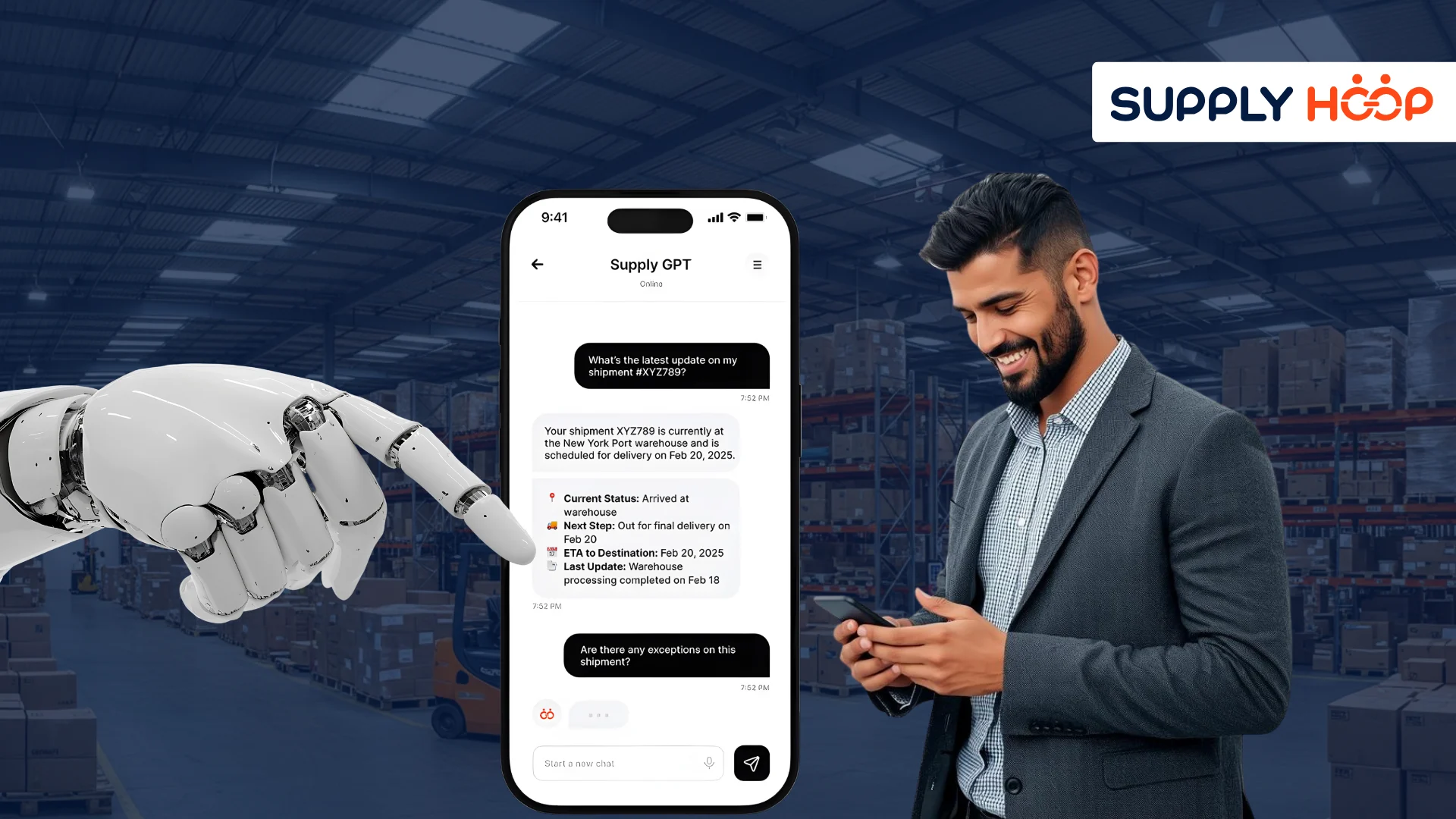
This disconnect is one of the biggest operational risks in today’s supply chain environment. Volatile demand, tighter margins, labor shortages, and rising customer expectations have made inventory visibility more critical than ever. What’s changing the game now is the combination of AI-powered inventory management and mobile access, giving teams real-time clarity and control, right from their phones.
Why Traditional Inventory Management is Struggling Today?
Warehouses are no longer static storage spaces. They are dynamic fulfillment hubs supporting multiple customers, locations, and fulfillment models. Yet many inventory systems still rely on delayed updates, manual checks, and desktop-only access.
This creates common problems:
- Inventory data that’s accurate only on paper
- Delays in identifying stock shortages or overstocking
- High dependency on warehouse supervisors for answers
- Slow response to demand changes
- Poor coordination between the warehouse, transport, and planning teams
In today’s environment, inventory decisions can’t wait for end-of-day reports or manual reconciliations.
What AI Brings to Warehouse Inventory Management?
AI changes inventory management by shifting it from reactive to predictive. Instead of simply recording stock movements, AI analyzes patterns and behaviors inside the warehouse.
AI helps logistics teams by:
- Identifying fast-moving and slow-moving inventory automatically
- Predicting stockouts before they happen
- Highlighting ageing or expiry-risk items
- Recommending optimal replenishment timing
- Improving slotting and putaway decisions
- Detecting anomalies that indicate shrinkage or errors
This intelligence becomes far more powerful when it’s delivered through a mobile app, where decisions actually happen.
Why Mobile Access is the Missing Link?
Inventory data locked inside desktop systems slows everything down. Warehouse managers, planners, and operations teams are rarely sitting at a desk, they’re on the floor, coordinating labor, inspecting stock, or responding to issues.
A mobile app puts inventory visibility where it belongs:
- In the hands of warehouse supervisors
- With operations teams on the move
- Available during off-hours and peak periods
- Accessible instantly without system hopping
With mobile access, inventory becomes a live operational tool, not a static report.
Real-Time Inventory Visibility that Actually Reflects Reality
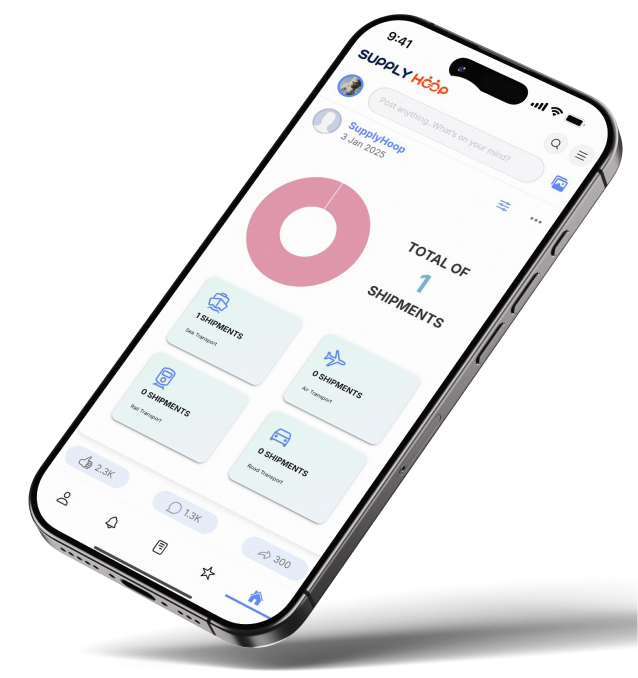
AI-powered inventory management on a mobile app provides continuous visibility, not periodic snapshots.
Teams can see:
- Current stock levels by SKU, location, or customer
- Inbound and outbound movements as they happen
- Reserved vs. available inventory
- Inventory across multiple warehouses in real time
This level of clarity eliminates guesswork and reduces the gap between system data and physical reality.
Smarter Inventory Decisions Through AI Insights
AI doesn’t just show what’s happening, it explains what matters.
On a mobile app, AI-driven insights help teams understand:
- Which items are at risk of stockout?
- Which SKUs are occupying space without movement?
- Where does an inventory imbalance exist across locations?
- Which replenishment actions should be prioritized?
Instead of reacting to problems after they occur, teams can act early and prevent disruption.
Faster Response to Demand Changes
Demand today can shift overnight. New orders, customer changes, or market disruptions require immediate inventory adjustments.
With AI-powered mobile inventory visibility, logistics teams can:
- Respond instantly to spikes or drops in demand
- Reallocate stock across warehouses
- Adjust picking priorities in real time
- Avoid emergency replenishments
This agility is essential in an environment where speed and flexibility define performance.
Reduced Dependency on Manual Checks and Tribal Knowledge
Many warehouses still rely heavily on a few experienced individuals who “know where things are.” While experience matters, dependency creates risk.
AI-guided inventory workflows on mobile:
- Standardize how inventory is managed
- Guide staff through putaway, picking, and replenishment
- Reduce errors caused by memory or assumptions
- Make operations resilient even during staff turnover
The system becomes the guide, not just the recorder.
Inventory Visibility Across Multiple Warehouses
For organizations operating multiple facilities, inventory fragmentation is a major challenge. Without centralized visibility, stock sits idle in one location while another runs short.
Mobile AI-powered inventory management enables:
- Network-wide inventory visibility
- Smarter stock redistribution
- Better demand-based placement
- Reduced inter-warehouse transfer delays
All of this can be monitored and managed from a single mobile interface.
Integrate with the Platforms You Already Use
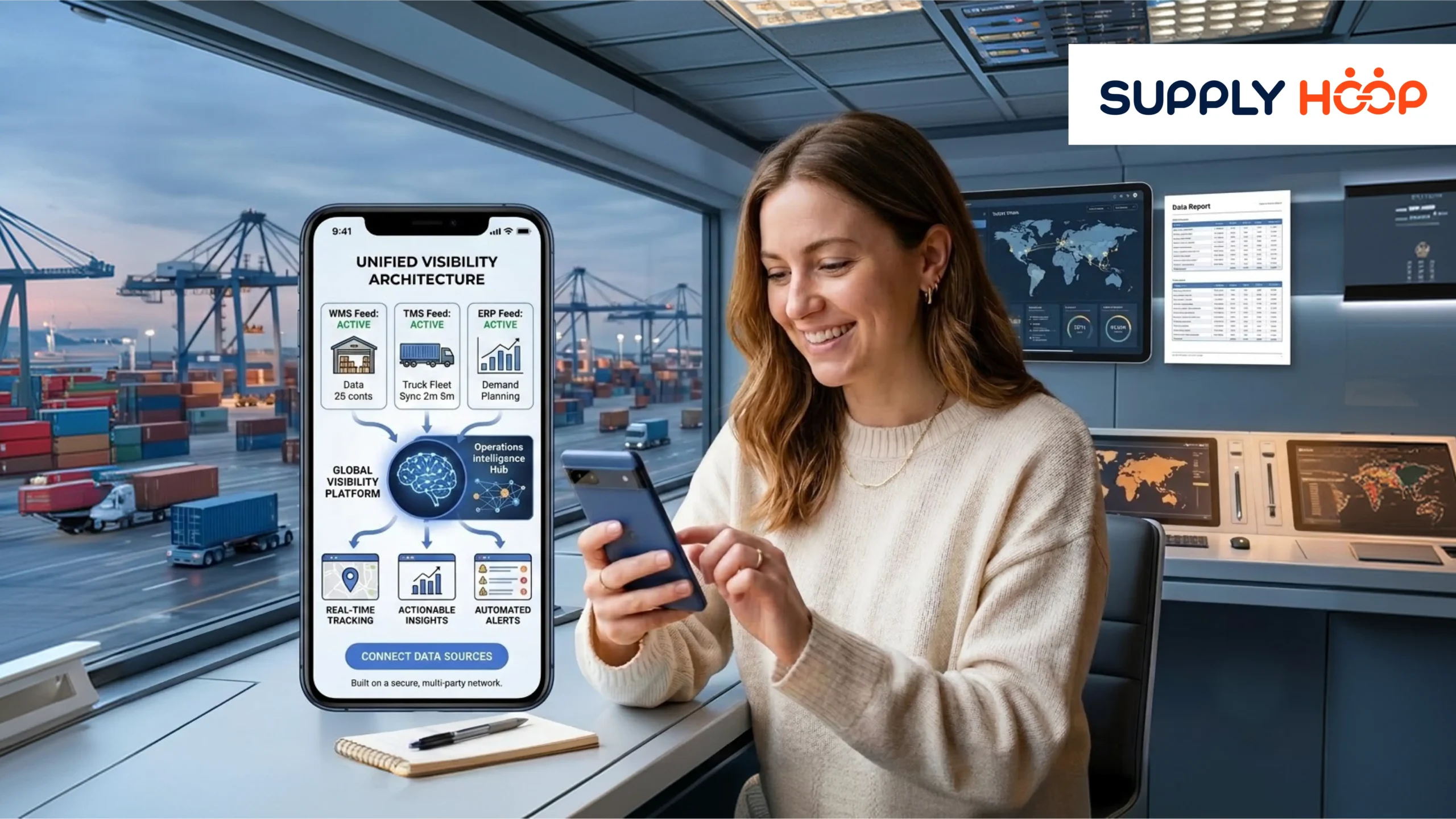
One of the biggest concerns logistics teams have is disruption during technology adoption. AI-powered inventory management doesn’t need to replace your existing systems, it can integrate with them.
Modern platforms are designed to connect with:
- ERP systems
- WMS solutions
- TMS platforms
- Finance and procurement systems
This means inventory updates, AI insights, and mobile visibility work on top of your current setup, not against it. Teams get smarter inventory control without re-engineering their entire operation.
Better Collaboration Between Warehouse, Planning, and Customers
Inventory visibility impacts more than just the warehouse. Planning teams need accurate data. Transport teams need readiness confirmation. Customers expect reliable availability.
With shared, mobile inventory visibility:
- Planning decisions improve
- Transport scheduling becomes smoother
- Customer commitments become more reliable
- Communication becomes proactive instead of reactive
Visibility aligns teams around the same reality.
Security, Accuracy, and Audit Readiness
AI-powered inventory systems improve control and accountability by creating a clear digital footprint for every movement.
Benefits include:
- Reduced inventory discrepancies
- Better traceability for audits
- Faster investigation of variances
- Improved compliance and reporting
When inventory actions are visible in real time, risks reduce naturally.
Why Inventory Visibility is Now a Competitive Advantage?
In today’s logistics environment, inventory accuracy directly affects customer trust, cost control, and operational resilience.
Companies that rely on delayed or manual inventory data struggle to:
- Meet service commitments
- Control working capital
- Scale operations efficiently
Those using AI-powered, mobile-first inventory visibility gain a clear edge through speed, clarity, and confidence.
Conclusion
AI-powered warehouse inventory management on a mobile app transforms inventory from a constant challenge into a strategic advantage. It replaces assumptions with insight, delays with action, and fragmentation with clarity.
When inventory visibility is real-time, mobile, and integrated with the systems you already use, logistics teams move faster, plan smarter, and operate with confidence, even in unpredictable conditions.
If inventory accuracy still depends on spreadsheets or end-of-day checks, it’s time to rethink visibility. Explore AI-powered mobile inventory management in a live demo.