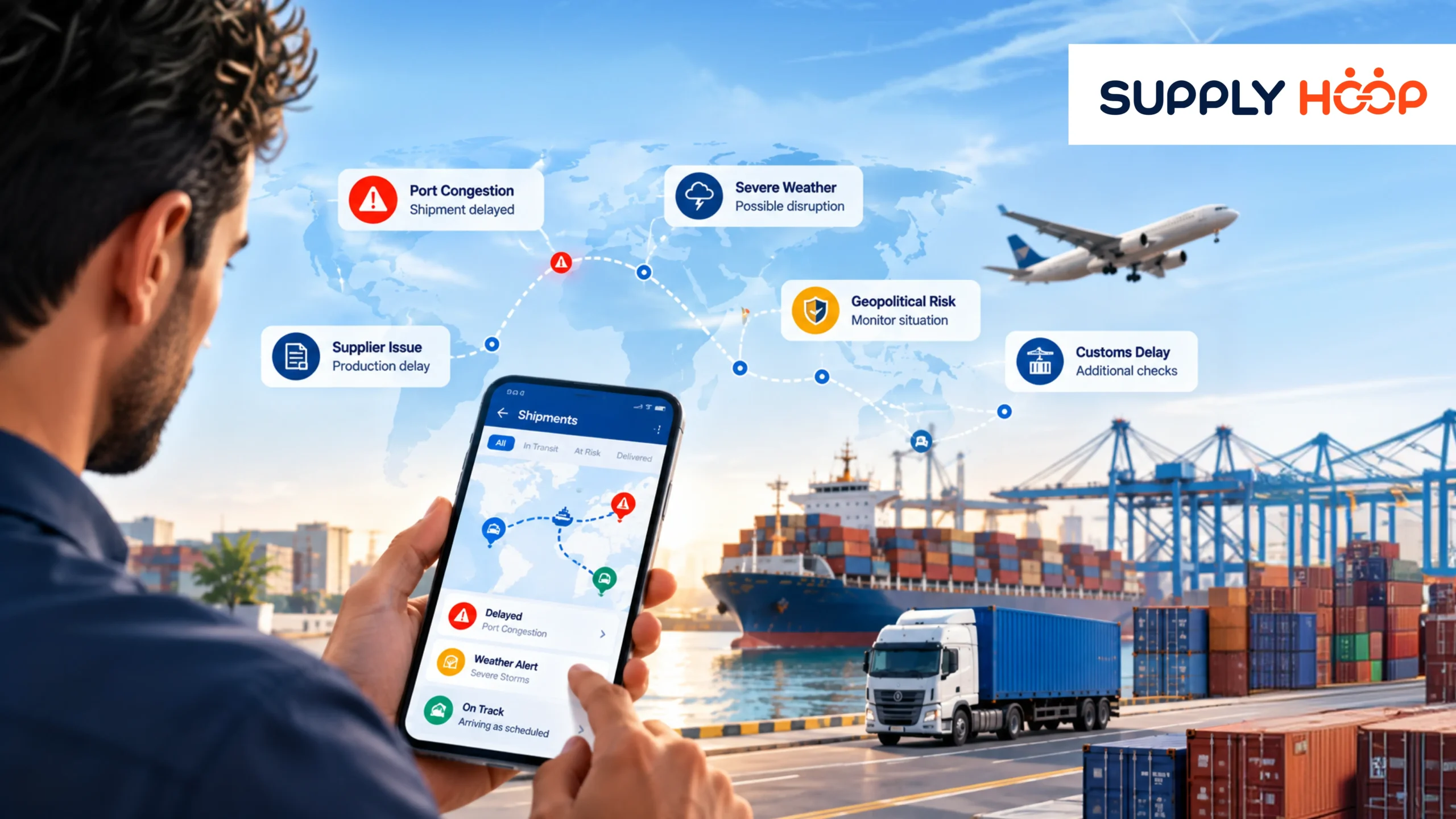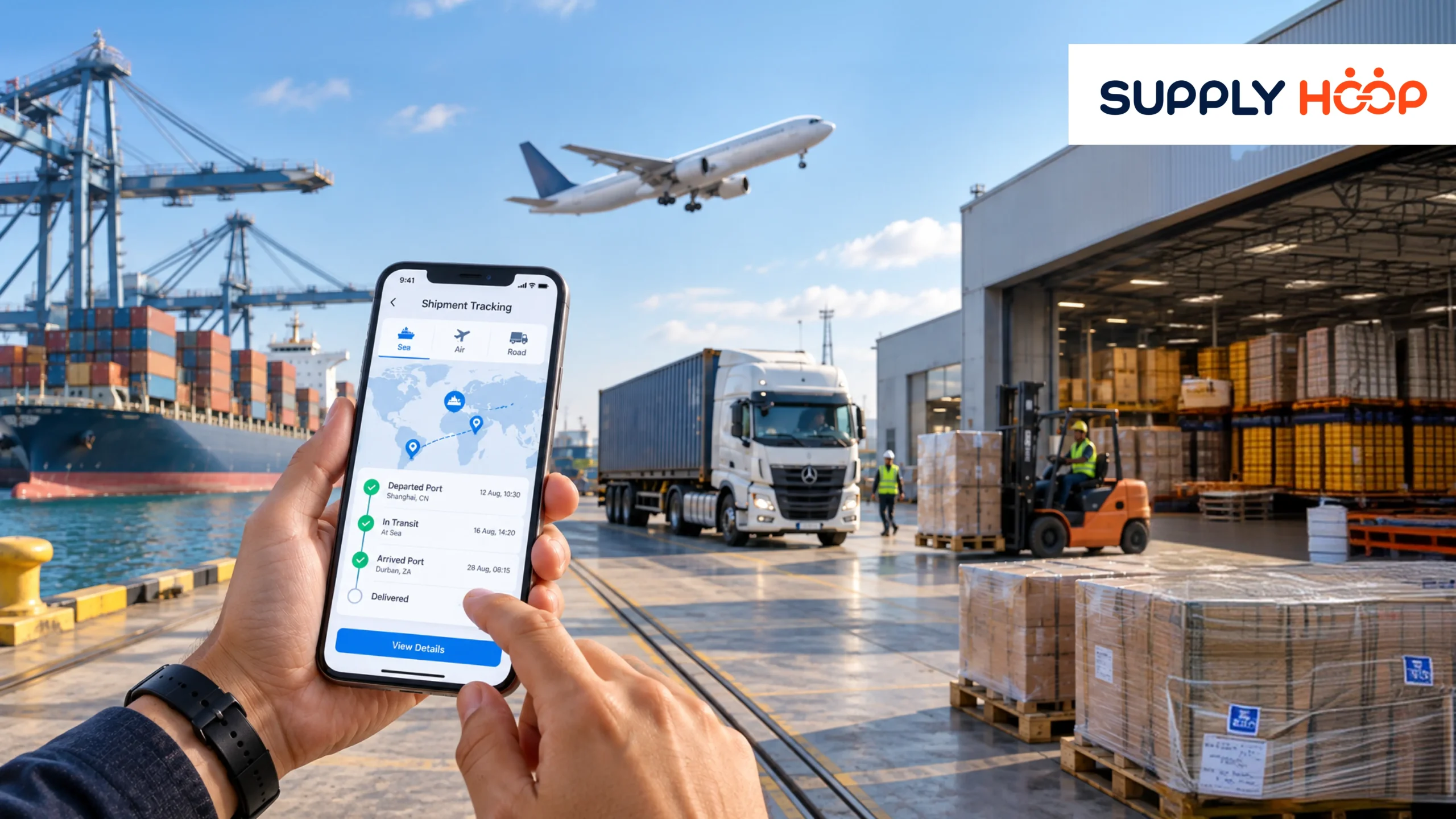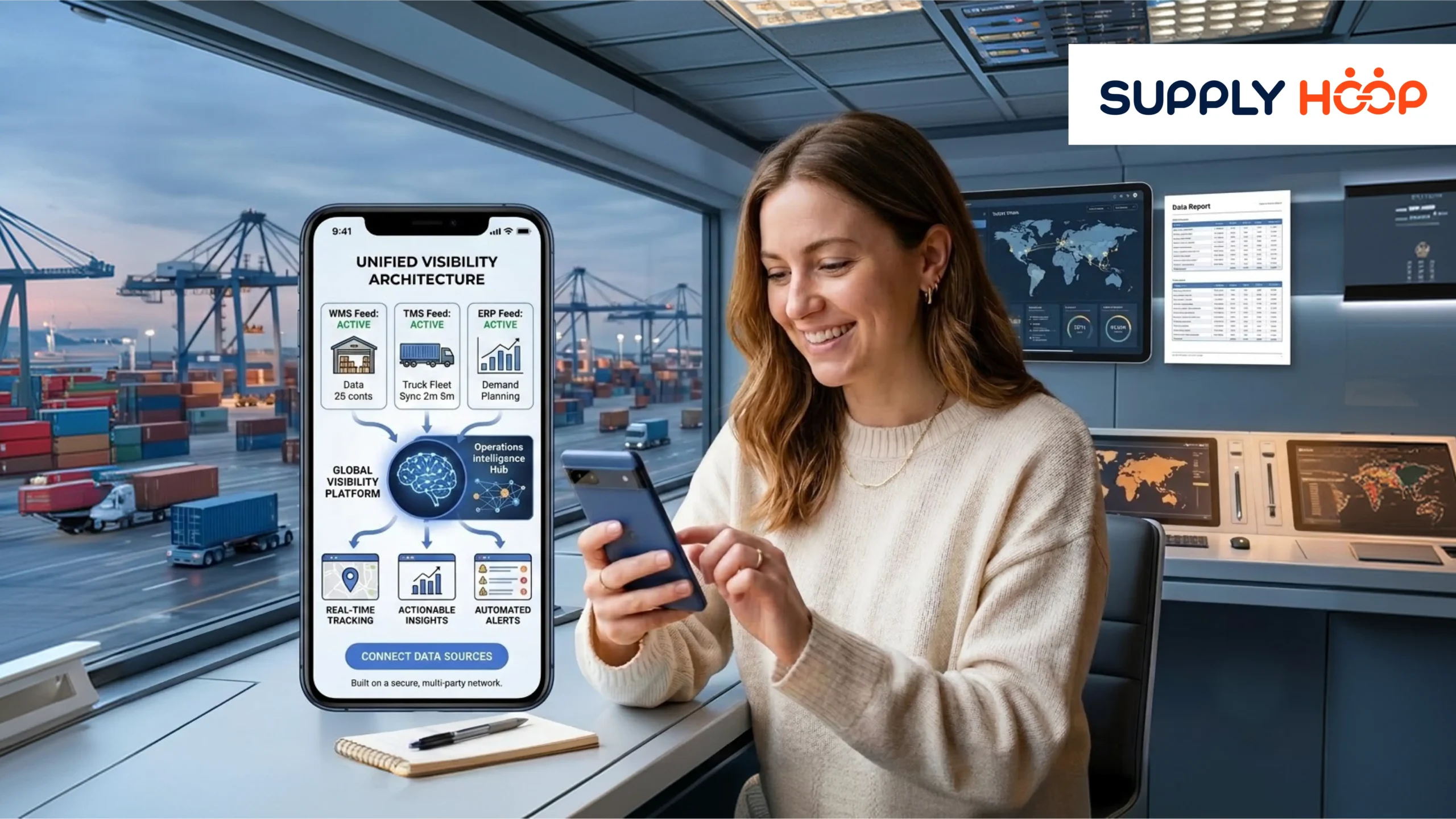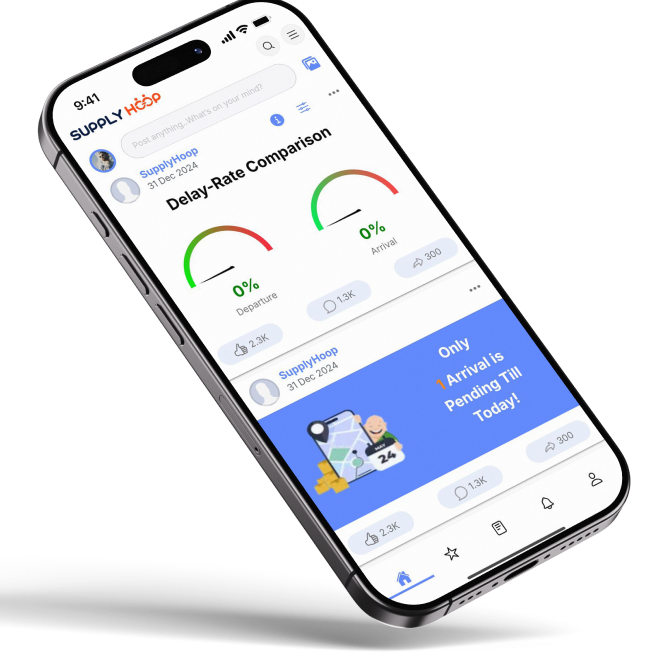
Ask a freight forwarder what “visibility” meant five years ago, and the answer would probably sound familiar: shipment tracking, milestone updates, maybe a dashboard with ETAs. That definition no longer holds up in 2026.
Today, supply chains move too fast, too globally, and with too many variables for visibility to be passive. Knowing where a shipment is matters, but knowing what that status means, what might happen next, and what action is required now matters far more.
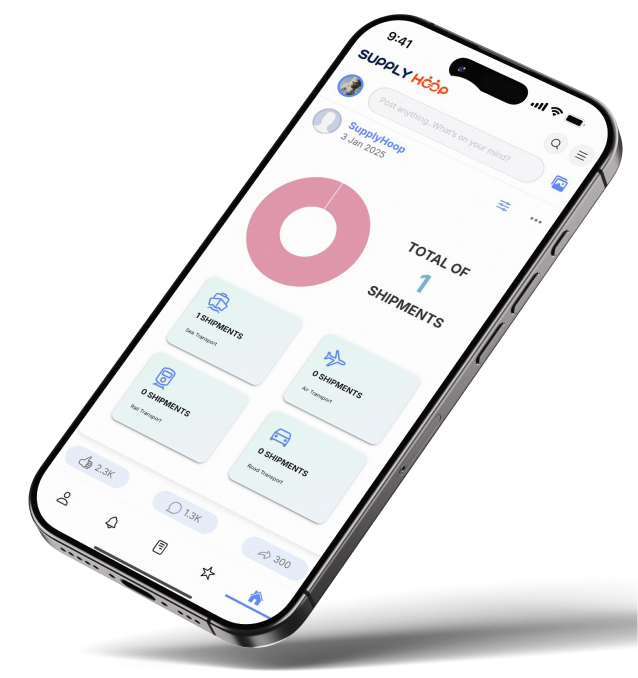
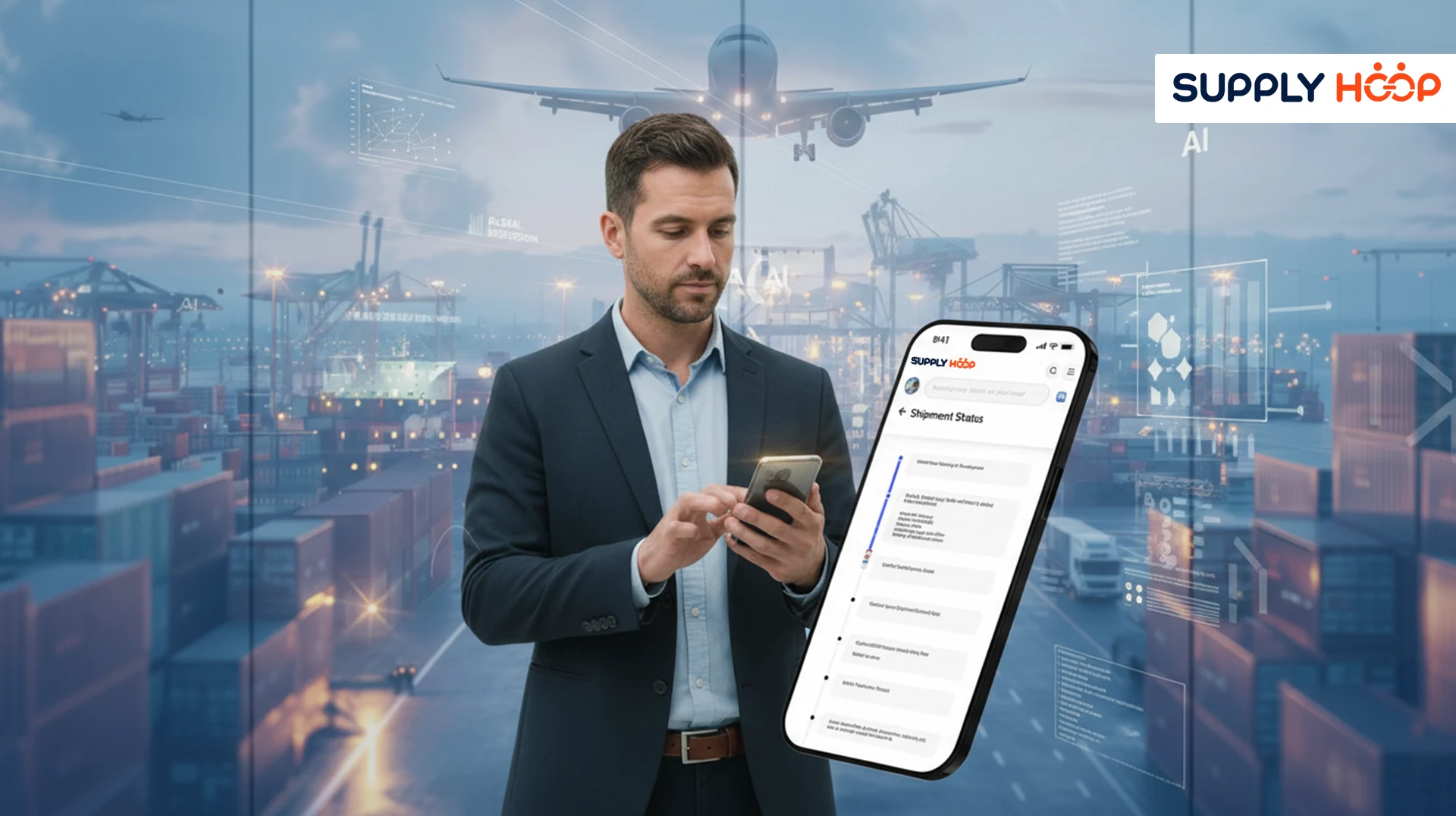
In 2026, supply chain visibility has evolved from static tracking into real-time, decision-ready intelligence, delivered through AI-powered logistics assistants and mobile apps that stay with freight teams wherever work actually happens.
How the Meaning of Supply Chain Visibility has Changed?
Supply chain visibility used to be about answers.
In 2026, it’s about anticipation.
Modern visibility answers questions like:
- Is this shipment at risk of delay?
- Which jobs need attention right now?
- What’s blocking delivery or invoicing?
- Where will this issue impact cost or service?
Instead of forcing teams to search through systems, visibility now comes to them, filtered, prioritized, and contextualized.
This shift happened because traditional visibility failed in three critical areas:
- The data arrived too late
- Insights required manual interpretation
- Actions depended on being at a desk
AI and mobile-first design solved all three.
The Reality Freight Forwarders are Operating In Today
Freight forwarders in 2026 are managing more complexity with tighter margins than ever before.
They’re dealing with:
- Constant schedule changes from carriers
- Port congestion and capacity constraints
- Higher customer expectations for updates
- Rising detention, demurrage, and accessorial costs
- Distributed teams working across time zones
- Heavy reliance on ERP systems that weren’t built for mobility
In this environment, visibility can’t be something teams “check.”
It has to be something they live with in real time.
What Supply Chain Visibility Looks Like for Freight Forwarders in 2026?
Modern visibility is layered. It doesn’t show everything, it shows what matters now.
For freight forwarders, that includes:
- Live shipment status with meaningful context
- Dynamic ETAs that update as conditions change
- Clear visibility into bookings, documents, and approvals
- Early signals for delays, exceptions, or cost risks
- Alignment between operations, finance, and customer service
Most importantly, it’s accessible instantly, on mobile.
From Information Overload to Actionable Visibility
One of the biggest mistakes companies made in the past was assuming more data meant better visibility. In reality, it often meant more confusion.
AI-driven visibility in 2026 works differently:
- It filters noise
- Prioritizes exceptions
- Highlights risks before they escalate
- Surfaces only what needs attention
For freight forwarders, this means fewer surprises, fewer escalations, and fewer last-minute fixes.
Why Mobile Apps are Central to Visibility in 2026?
Visibility that lives only on desktops is no longer useful. Freight work happens:
- At ports
- In warehouses
- During customer calls
- While coordinating transport
- Outside normal business hours
Mobile apps ensure visibility moves with the operation.
With mobile-first visibility, freight forwarders can:
- Check shipment status instantly
- Respond to exceptions on the go
- Approve documents without delays
- Share accurate updates confidently
The combination of AI + mobile turns phones into operational command centers, not just communication tools.
Practical Benefits Freight Forwarders See from AI + Mobile Visibility
Instead of listing features, it’s more useful to look at outcomes freight teams actually experience.
Fewer Firefights, More Control
When delays and risks are flagged early, teams stop reacting late and start managing proactively.
Faster Customer Responses
When visibility is instant, customer queries don’t trigger internal chases, they get answered on the spot.
Better Cost Control
Early awareness of delays, free-time windows, and exceptions reduces avoidable costs like demurrage and detention.
Stronger Internal Alignment
Operations, finance, and customer service work from the same live data instead of separate reports.
Less Dependency on Individuals
AI assistants reduce reliance on “that one person who knows everything,” making operations more resilient.
How Supply GPT and WhatsApp Turn Mobile Apps into Action Tools?
A mobile app gives access to data, but Supply GPT turns that data into clear, usable answers. Instead of scrolling through screens or waiting for confirmations, logistics teams can ask simple operational questions and get immediate responses on their mobile device. Supply GPT interprets live data and highlights what truly needs attention, helping teams quickly understand:
- Which shipments require action right now
- Which jobs are delayed due to missing documents
- Whether any containers are at risk of penalties
This significantly reduces decision time, minimizes dependency on back-office teams, and allows operations managers to respond with confidence, even while on the move. The mobile app shifts from being a passive viewer to an active decision-support tool.
Communication is just as critical as visibility, and that’s where WhatsApp integration strengthens daily operations. Most logistics conversations already happen on WhatsApp, but without a system connection, important context is often lost. With WhatsApp integrated into the visibility platform:
- Shipment milestones and delay alerts are shared automatically
- Teams respond faster during disruptions
- Follow-up messages and calls are reduced
- Communication stays aligned with the real shipment status
Rather than replacing WhatsApp, integration makes it smarter, bringing clarity, speed, and consistency to everyday supply chain communication.
Conclusion
Supply chain visibility in 2026 is no longer about knowing what happened. It’s about being ready for what’s coming next.
For freight forwarders, AI logistics assistants and mobile apps turn visibility into a daily advantage, helping teams anticipate issues, act early, and communicate clearly.
When visibility is real-time, intelligent, and always accessible, operations stop feeling reactive and start feeling controlled.
If you’re ready to move from basic tracking to true end-to-end supply chain visibility, now is the time to see it in action. Book a demo and experience how AI-powered, mobile-first visibility supports faster decisions and stronger freight operations.