A freight forwarder is walking through a warehouse when a customer suddenly asks for an update on a delayed container. Ten years ago, that meant opening a laptop, calling operations, checking emails, and waiting for someone to respond.
Today, the process is changing completely.
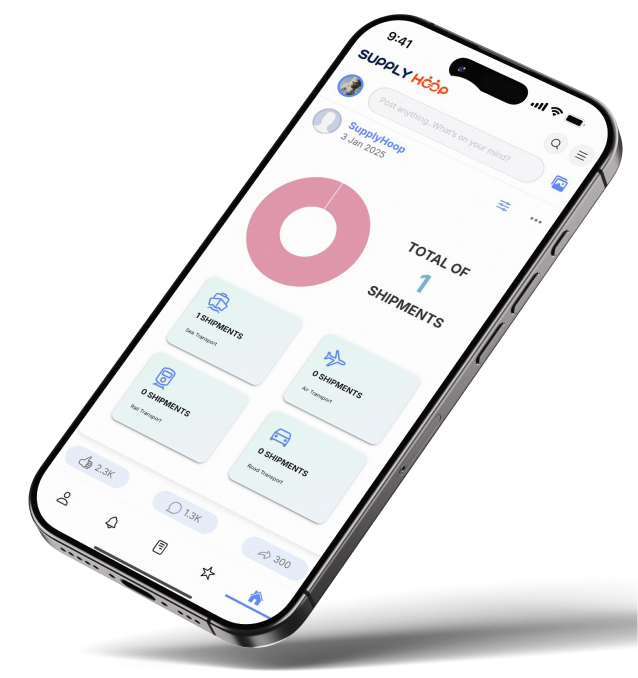
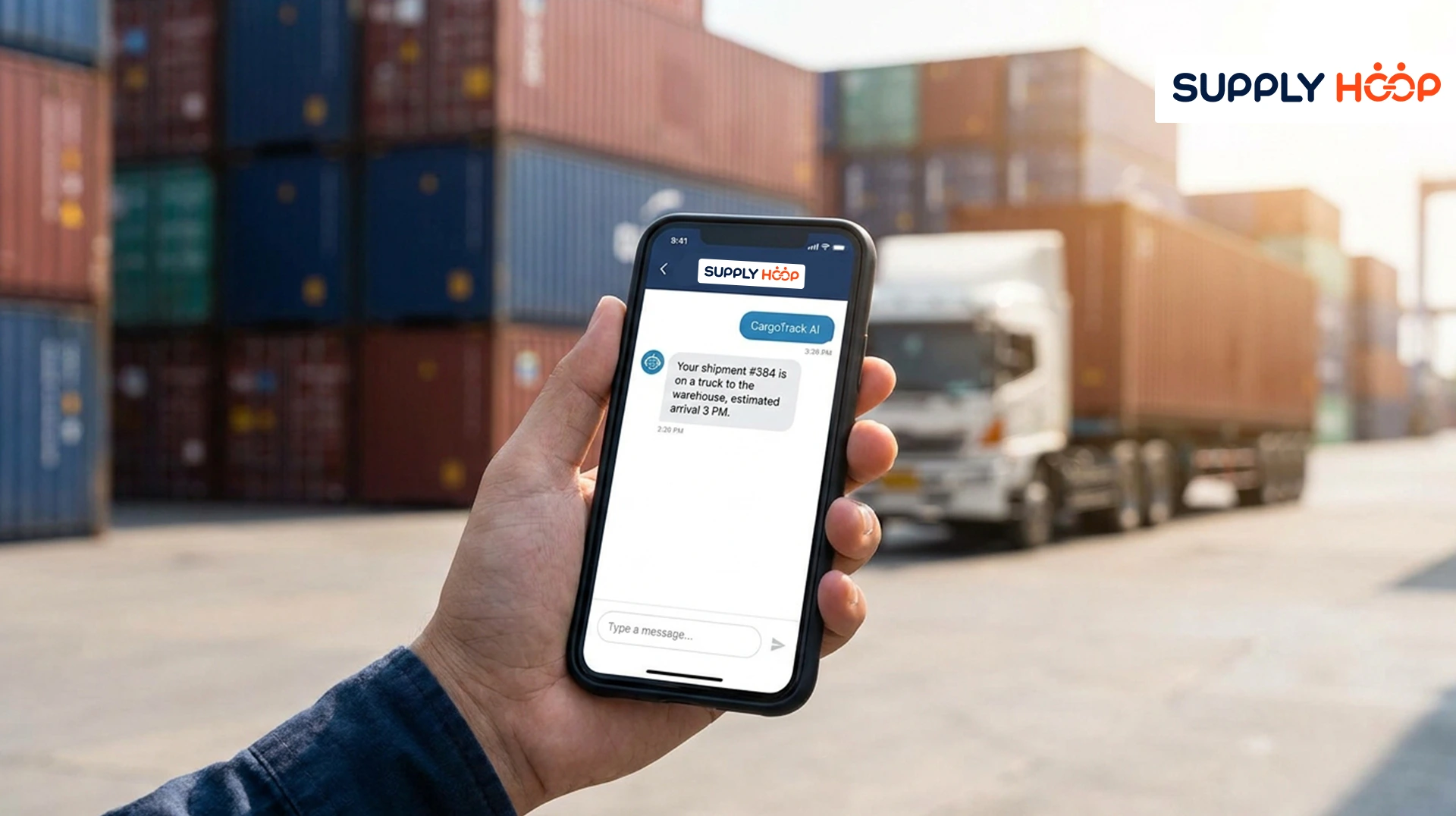
Now, logistics professionals can simply open a mobile app, ask an AI chatbot where the shipment is, and get an instant answer with live tracking details, ETA updates, and shipment milestones.
That shift may sound small, but it’s transforming how supply chains operate.
AI chatbots are no longer limited to customer support websites. In logistics, they’re becoming real operational assistants, helping freight forwarders, warehouse teams, and supply chain managers access critical shipment information anytime, anywhere.
Why Traditional Cargo Tracking is No Longer Enough?
Modern logistics operations move too quickly for manual updates and disconnected systems.
Most supply chain teams still deal with challenges like:
- Delayed shipment updates
- Multiple systems for tracking information
- Endless follow-up emails and calls
- Difficulty accessing data while on the move
- Lack of real-time communication across teams
The issue isn’t the absence of data. It’s that the data is often trapped inside systems that aren’t easy to access in real time.
That’s why AI-powered logistics assistant cargo tracking through mobile apps is becoming a major operational advantage.
What is an AI Chatbot in Logistics?
An AI chatbot in logistics is an intelligent assistant connected to your shipment visibility platform, ERP, or freight management system.
Instead of manually searching through dashboards, users can ask questions in plain language and receive immediate answers.
For example:
- “Where is my shipment right now?”
- “What’s the latest ETA?”
- “Are there any customs delays?”
- “Which containers are arriving today?”
The AI chatbot analyzes live operational data and responds instantly through the mobile app.
This makes shipment tracking faster, simpler, and far more accessible.
Why AI Chatbots are Becoming Essential in Logistics?
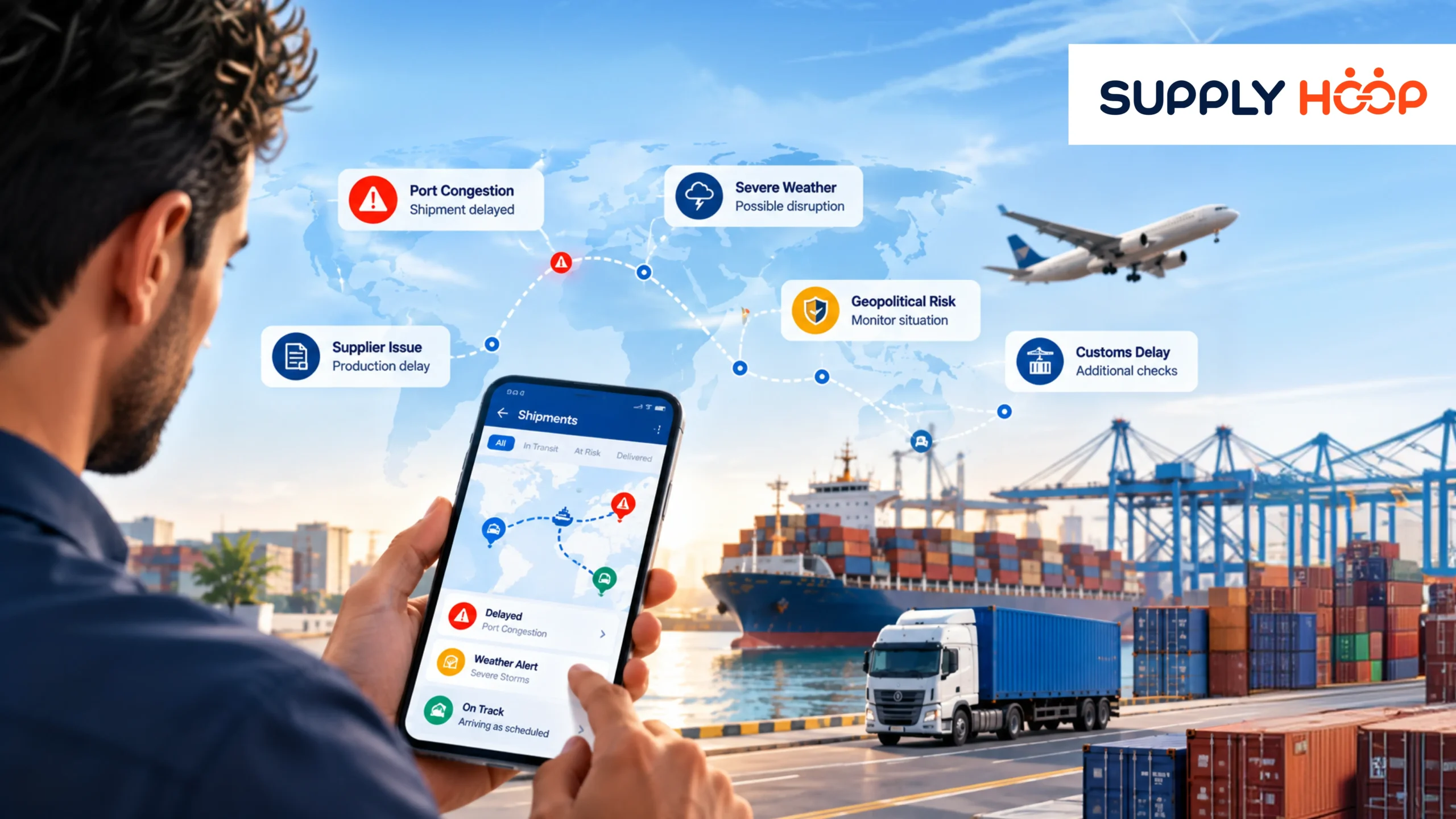
Supply chains today are heavily influenced by disruptions:
- Port congestion
- Geopolitical tensions
- Vessel rerouting
- Customs delays
- Weather-related disruptions
Because conditions change constantly, teams need access to live information, not delayed reports.
AI chatbots help by providing:
- Real-time visibility
- Faster access to operational data
- Immediate responses during disruptions
- Reduced dependency on manual communication
Instead of chasing updates, teams get answers instantly.
How Cargo Tracking Through AI Chatbots Works?
The process is surprisingly simple from the user’s perspective.
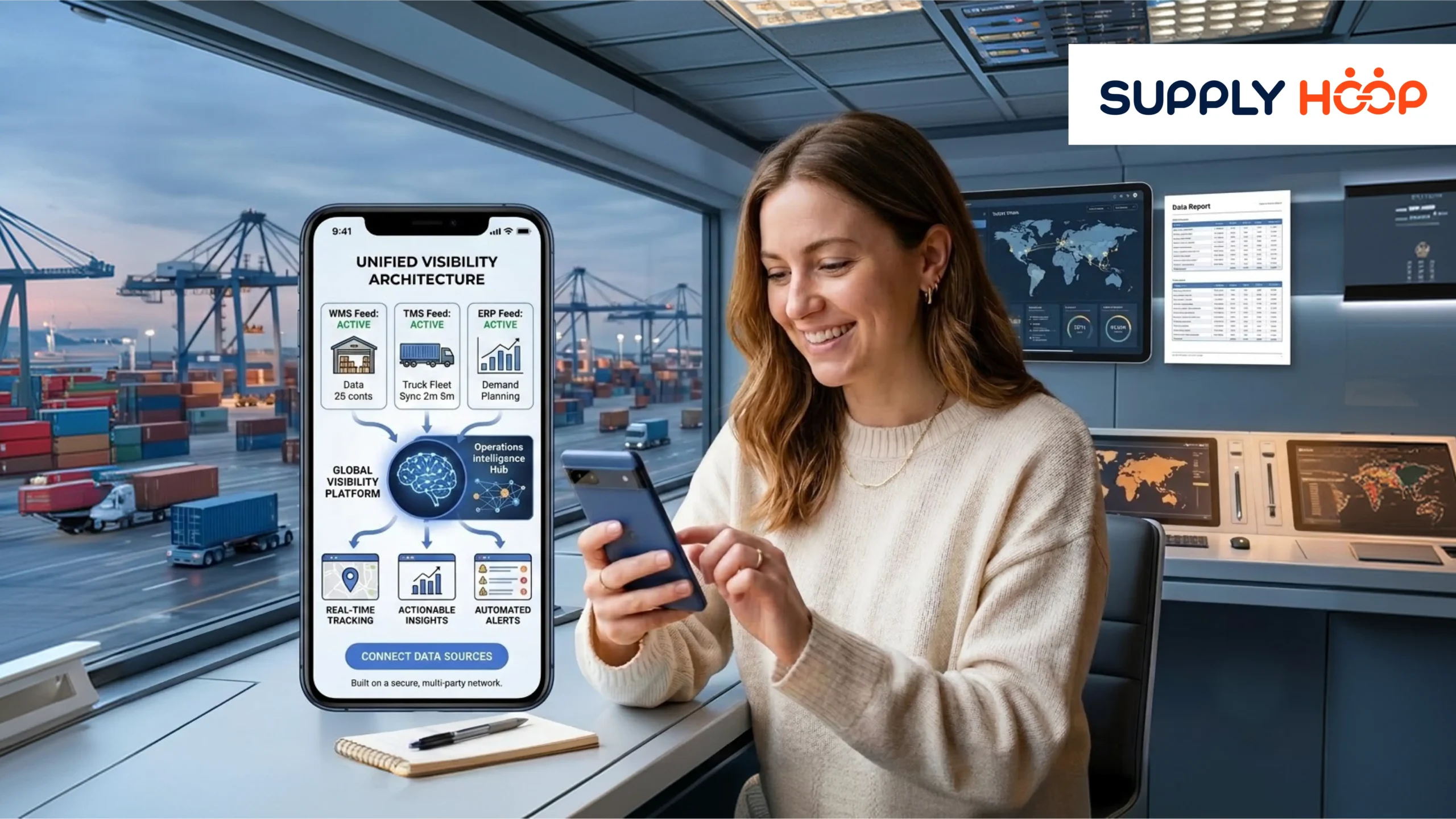
Once connected to your logistics systems through a mobile app, the AI chatbot pulls live shipment data directly from integrated platforms like CargoWise, TMS, or visibility systems.
The chatbot can then:
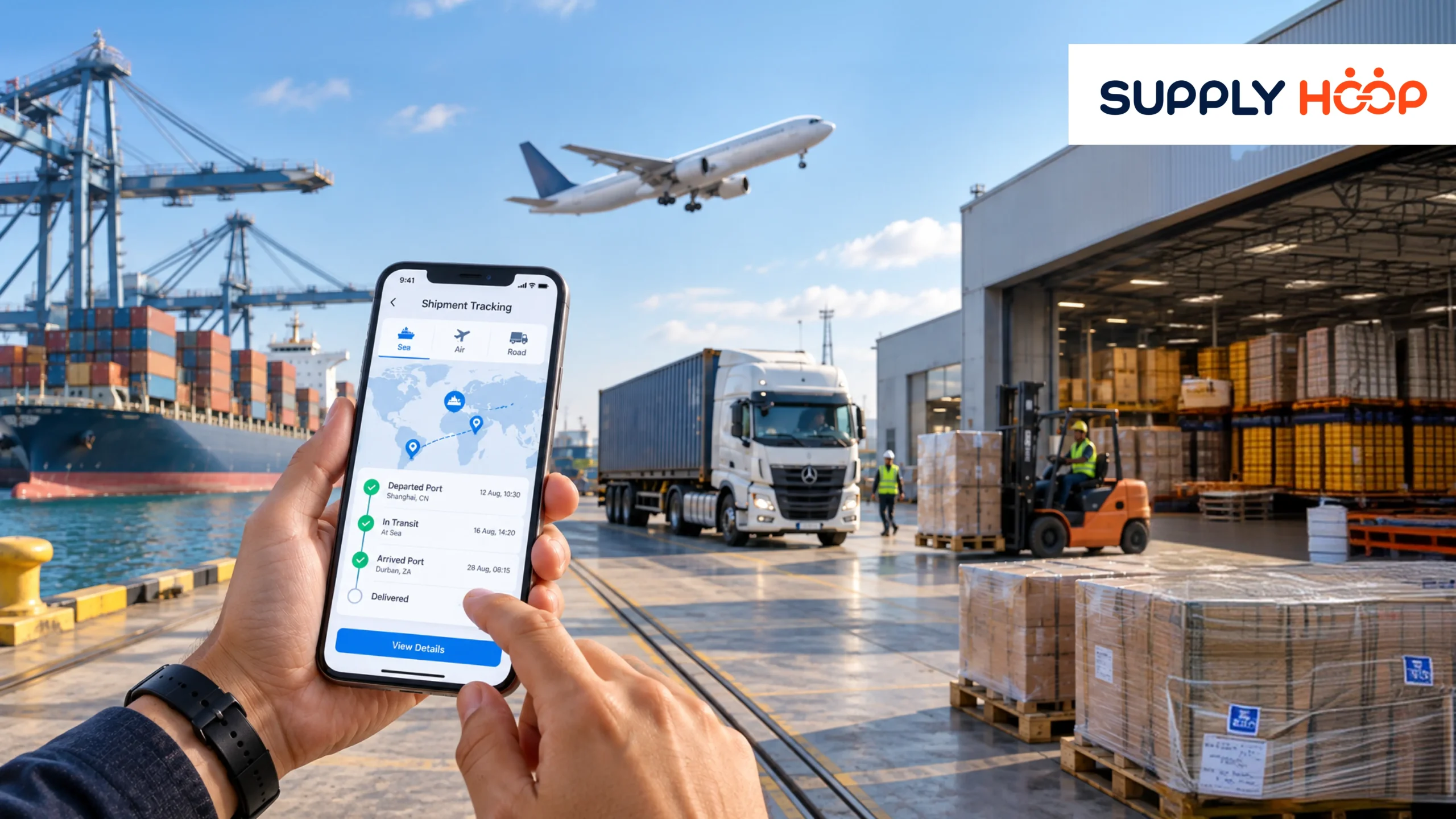
- Retrieve shipment milestones
- Track containers and consolidations
- Display ETA, ETD, ATA, and ATD information
- Identify delays or exceptions
- Provide customs or document status updates
Everything happens through a conversational interface, making the experience much more intuitive than traditional tracking systems.
Real-Time Visibility Without Switching Systems
One of the biggest frustrations in logistics is system fragmentation.
Operations teams often switch between:
- ERP systems
- Tracking portals
- Emails
- Carrier websites
- Internal spreadsheets
AI chatbots simplify this completely.
Instead of navigating multiple platforms, users interact with one intelligent interface that centralizes the information.
This saves time and improves operational efficiency significantly.
Why Mobile Access Changes Everything?
The real power of AI chatbots comes when they’re integrated into a mobile app.
Logistics professionals rarely spend their day sitting behind a desk. They’re moving between:
- Warehouses
- Ports
- Customer meetings
- Distribution centers
Mobile access ensures that shipment visibility follows them wherever they go.
With a mobile app, users can:
- Check shipment status instantly
- Receive delay notifications in real time
- Respond to disruptions faster
- Access operational insights from anywhere
This transforms mobile devices into operational control tools.
AI Chatbots Help Reduce Operational Pressure
A major portion of logistics communication involves repetitive status requests.
Questions like:
- “Has the shipment departed?”
- “What’s the ETA?”
- “Is customs clearance completed?”
Consume valuable time across operations and customer service teams.
AI chatbots automate these responses by providing accurate, real-time answers instantly.
This reduces:
- Manual follow-ups
- Internal dependency
- Delays in communication
- Operational stress
Teams spend less time searching and more time solving problems.
Smarter Exception Management Through AI
Shipment tracking is not just about visibility, it’s about understanding risks early.
AI chatbots can identify and surface exceptions such as:
- Delayed containers
- Route deviations
- Customs holds
- Missed milestones
Instead of waiting for issues to escalate, teams receive proactive insights.
This allows freight forwarders to:
- Notify customers earlier
- Adjust logistics plans quickly
- Avoid unnecessary penalties or delays
AI turns visibility into actionable intelligence.
Enhancing Customer Experience Through Instant Responses
Customer expectations have changed dramatically.
Today’s customers expect:
- Immediate answers
- Real-time shipment visibility
- Proactive communication
AI chatbots support this by enabling faster and more accurate responses.
Instead of waiting for operations teams to manually confirm updates, customer service teams can retrieve live information instantly.
This improves:
- Response speed
- Transparency
- Customer confidence
Even during disruptions, visibility helps maintain trust.
AI Chatbots and WhatsApp Integration
Many logistics teams already rely heavily on WhatsApp for communication.
When AI chatbots integrate with WhatsApp-enabled visibility platforms, the experience becomes even more seamless.
Users can receive:
- Shipment alerts
- ETA changes
- Delay notifications
- Milestone updates
Directly through mobile communication channels. This bridges the gap between visibility and communication.
Why AI-Powered Visibility is the Future of Logistics?
The logistics industry is moving toward intelligent, connected operations.
AI chatbots are becoming part of that transformation because they solve a very real problem:
They make complex logistics data accessible instantly.
Combined with mobile visibility, they help organizations:
- Improve operational agility
- Reduce manual processes
- Respond faster to disruptions
- Deliver better customer experiences
This is no longer just about convenience, it’s becoming a competitive advantage.
Conclusion
Tracking cargo shouldn’t require multiple systems, endless emails, or delayed responses.
AI chatbots connected to mobile visibility platforms are changing that completely.
They allow freight forwarders and logistics teams to access real-time shipment information instantly, manage disruptions proactively, and stay connected to operations from anywhere.
As supply chains become more dynamic and customer expectations continue to rise, AI-powered cargo tracking will become an essential part of modern logistics operations.
If you’re ready to simplify shipment tracking and gain true end-to-end supply chain visibility, now is the time to explore AI-driven mobile solutions.
Book a demo today and discover how AI-powered cargo visibility can help you track shipments smarter, faster, and from anywhere.