A port becomes congested. A supplier misses a production commitment. A critical shipment stops progressing. A quality issue appears at delivery.
The disruption itself may be unavoidable.
Discovering it late doesn’t have to be.
For logistics teams, the difference between a manageable exception and a serious operational problem often comes down to one thing: how much time you have to respond.
That is where mobile supply chain visibility changes risk management. It is not simply about putting shipment tracking on a phone. It is about bringing relevant operational signals closer to decision-makers while there are still options available.
The Same Disruption Can Create Two Very Different Outcomes
Imagine two businesses have containers moving through the same port when a major operational delay occurs.
The first business discovers the problem when a customer asks why the shipment has not arrived.
The second receives an exception alert, identifies which shipments are exposed, checks the revised ETA, understands which orders could be affected, and starts reviewing the next step.
The disruption is exactly the same.
The response window is completely different.
An issue identified early might require a schedule adjustment. Discover it several days later and the business may be considering expedited transportation, additional inventory, warehouse rescheduling, or difficult customer conversations.
This is why supply chain risk should not only be measured by what happened. It should also be measured by how quickly the business knew what happened.
Don’t Just Ask What Happened. Ask What is Exposed.
A vessel delay by itself is only an event.
But what if that vessel is carrying six shipments for four customers, including two urgent purchase orders?
Now the business has context.
Effective visibility should help logistics teams move through four questions quickly:
What happened? What is exposed? How serious could the impact be? What needs attention next?
This is the difference between tracking a disruption and understanding its potential business impact.
A mobile visibility platform brings that context closer to the people responsible for responding, even when they are away from their desks.
A Global Disruption doesn’t Matter Until You Know Whether Your Freight is Affected
A port strike, storm, border interruption, carrier disruption, or geopolitical event can quickly generate hundreds of alerts and headlines.
But operations teams have a much more specific question:
“Does this affect us?”
Connected shipment visibility can help teams use routes, locations, milestones, ETAs, and exceptions to narrow a wider disruption down to the movements that may actually be exposed.
Instead of manually opening booking files and spreadsheets, an authorised user can receive an exception, review the affected movement from mobile, check the latest shipment information, and coordinate with the appropriate team.
The goal is not predicting every disruption.
It is reducing the time between something happening and your business understanding whether it matters.
Your Next Supply Chain Risk May Start Before the Shipment Exists
Not every logistics risk begins when freight starts moving.
Imagine a supplier that normally dispatches an important order every Monday.
Monday passes.
There is no shipment milestone.
The purchase order remains open.
By Wednesday, the business is still planning as though the material will arrive normally.
Nothing is technically “delayed in transit” because the shipment has not progressed far enough to generate that alert.
But the risk is already developing.
This is why supply chain visibility needs to connect purchase orders with logistics execution. If an expected order does not progress as planned, that absence can itself become a signal requiring attention.
The earlier procurement and operations notice it, the more time they have to investigate before an inventory problem appears downstream.
Some of the Most Important Risk Signals are Missing Updates
Not every exception arrives with a red warning symbol.
Sometimes the warning is silence.
A container should have been discharged, but no milestone appears.
Customs clearance normally takes one day, but nothing has changed for three.
A delivery was expected yesterday, but there is still no Proof of Delivery.
A purchase order should have progressed to shipment, but it remains open.
Individually, these can look like missing updates.
Operationally, they may be early signs that something has moved away from plan.
A visibility platform therefore needs to monitor more than events that happened. It should also help identify expected events that did not happen.
That gives teams an opportunity to investigate before a customer becomes the first person to notice the problem.
Quality Problems Become Harder When the Evidence is Scattered
Suppose cargo reaches the warehouse and damaged cartons are discovered.
The immediate question is not simply whether damage occurred.
The team needs context.
Which purchase order is involved? Who supplied the cargo? Which shipment carried it? When was it delivered? Are photos and supporting documents available? Which customer or inventory requirement could be affected?
If that information is scattered across different systems and emails, the investigation can slow down.
Connected mobile visibility can give authorised teams access to relevant shipment, order, document, delivery, timestamp, and supporting information from the operational workflow.
The purpose is not merely documenting a quality problem.
It is understanding its scope faster.
Critical Information shouldn’t Wait for Someone to Reach Their Desk
Some exceptions affect schedules. Others require faster escalation.
A vehicle incident, damaged cargo, temperature excursion, or unsafe handling situation may require several authorised people to access information quickly.
Mobile visibility can help relevant users retrieve shipment details and supporting documents without waiting to return to a workstation, while notifications can bring significant exceptions to designated users sooner.
It does not replace safety procedures, trained personnel, emergency protocols, or regulatory requirements.
Its role is simpler but important: make the relevant operational information accessible when the people responsible for responding need it.
Ask AI About Exposure, Not Just Shipment Status
The logistics industry has spent years asking tracking systems:
“Where is my shipment?”
Risk management requires better questions.
With Supply GPT, authorised users can interrogate connected operational information more naturally.
Instead of searching individual records, teams could ask:
“Which shipments are currently delayed?”
“Which purchase orders have not progressed as expected?”
“Show shipments with customs exceptions.”
“Which deliveries are missing confirmation?”
“What needs attention today?”
The important shift is from finding one shipment to identifying the group of movements that may require investigation.
AI does not make the risk decision for the business. It helps qualified people reach the relevant information faster so they can make that decision with better context.
Seeing the Risk First Means Little if the Response Stays Disconnected
An alert is only the beginning.
Once an exception is identified, operations may need to investigate it. Procurement may need to contact the supplier. The warehouse may need to adjust its receiving plan. Customer service may need to communicate an updated expectation.
If each team receives fragmented information separately, valuable response time can still disappear.
A mobile visibility platform can provide a common operational reference around the shipment, purchase order, milestone, documents, and exceptions, while relevant updates can be shared with the appropriate people.
That keeps the response connected without suggesting that every person should have access to every piece of supply chain data.
The Advantage isn’t Less Risk. It’s More Time.
No visibility platform can stop a storm.
It cannot prevent every supplier failure, quality problem, border disruption, or transportation delay.
And it should not promise to.
The real advantage is decision time.
Learn about a disruption today instead of three days from now, and alternatives may still exist.
Notice a missing supplier milestone before inventory becomes critical, and procurement may still have options.
Identify a customs problem before free time expires, and operations may have time to intervene.
Access delivery evidence immediately during a quality dispute, and the investigation can begin with better information.
That is what mobile supply chain visibility can give logistics teams: not a risk-free supply chain, but a better opportunity to respond before the consequences become harder to manage.
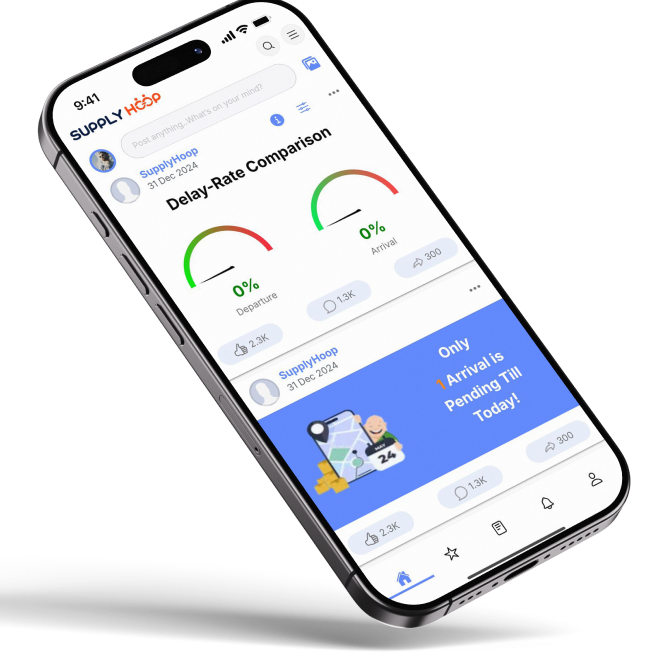
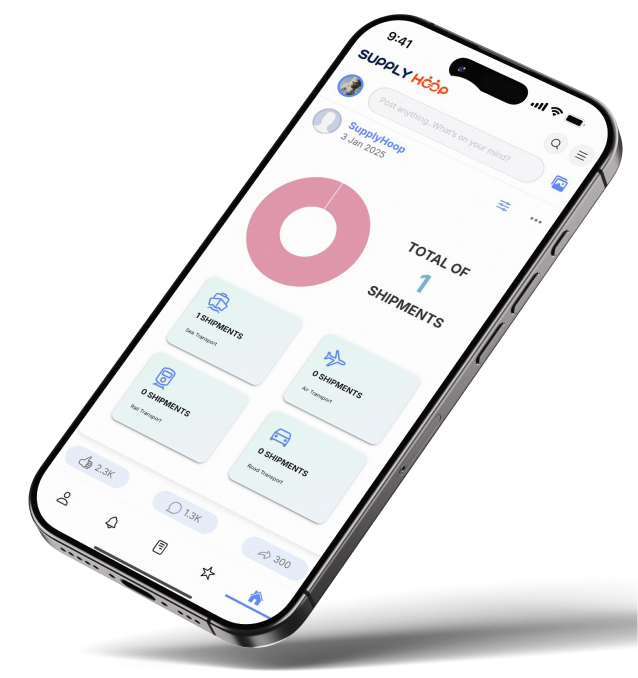
With Supply Hoop, relevant purchase orders, shipments, milestones, inventory information, documents, exceptions, and delivery updates can be connected within a mobile visibility environment for authorised users. Supply GPT can help teams interrogate that information, while mobile alerts can surface relevant exceptions without requiring constant dashboard monitoring.
Because when supply chain risk appears, the most valuable question may not be:
“What went wrong?”
It may be:
“How much time do we still have to do something about it?”
Explore how end-to-end mobile supply chain visibility can help your team identify logistics risks and exceptions earlier.