A container arrives at its destination port on Monday. The vessel has completed its journey, and the tracking system confirms arrival. However, the container is still waiting to be discharged.
The consignee wants a delivery update, the transport provider needs to arrange collection, and the warehouse is preparing its receiving schedule. Everyone knows the vessel has arrived, but nobody has a complete picture of when the container will actually move.
This highlights a common challenge in container logistics. Tracking a vessel does not necessarily mean having visibility into the container’s entire journey.
As freight forwarders manage movements across shipping lines, terminals, customs authorities, and inland transport providers, container visibility through mobile apps is becoming increasingly relevant.
The objective is to connect available milestones, estimated arrival times, terminal activities, and inland transportation updates so logistics teams can understand what has happened and what needs attention next.
Why Vessel Arrival does not Mean Container Availability?
Container transportation involves multiple organizations, each responsible for a different stage of the journey.
An ocean carrier manages vessel movements, terminal operators handle discharge and gate activities, customs authorities oversee clearance requirements, and inland transport providers coordinate collection and delivery.
Although each participant generates operational information, these updates may not be available through the same system.
A shipping line may confirm that a vessel has reached its destination port, but this does not necessarily mean the container has been discharged, cleared, released, or collected.
For businesses handling both LCL and FCL shipments, visibility requirements can differ further. FCL movements typically focus on container release and delivery, while LCL cargo may require additional updates about deconsolidation and cargo availability.
A connected mobile visibility platform helps bring relevant events together, allowing authorized users to follow container progress beyond the vessel’s arrival.
Container Dashboards are Shifting Toward Operational Priorities
Consider a logistics manager monitoring 80 containers across multiple vessels, ports, and delivery locations.
Opening every container record individually is not an efficient way to identify which movements require attention.
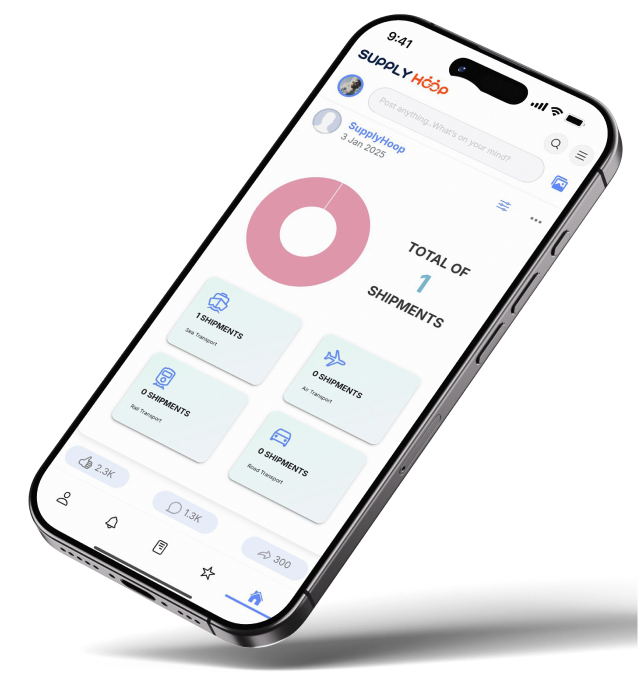
A useful mobile container dashboard should help teams distinguish between containers still at sea, those awaiting discharge, shipments pending release, and containers already moving inland.
For individual movements, information such as container number, Bill of Lading reference, carrier, vessel details, ETA, latest milestone, and update timestamp provides important context.
Access to supporting paperwork is equally relevant. With mobile document access, authorized users can retrieve available bills of lading, customs documents, and delivery records without repeatedly searching email conversations.
The purpose of a connected dashboard is not to display every available record. It is to help operations teams identify which containers require action and which are progressing normally.
Live Maps and Milestones Provide Different Levels of Visibility
A container marked as “In Transit” may be crossing the ocean, approaching a destination port, or travelling inland.
Map-based visibility adds geographical context by showing available vessel-position information, routes, and port calls.
However, vessel tracking and container tracking are not interchangeable.
A vessel’s reported location does not independently confirm that a particular container is still on board. Containers may be rolled to another sailing, discharged at an intermediate port, or transferred to a different transportation service.
This makes confirmed container milestones essential.
Events such as gate-in, vessel loading, departure, transshipment, discharge, gate-out, inland delivery, and empty-container return help establish what has actually happened.
When these milestones are presented chronologically, logistics teams can identify the latest confirmed event and understand which operational step remains outstanding.
For example, a transport provider may need confirmation of container release before arranging collection, while a warehouse may require an updated delivery estimate before allocating receiving capacity.
Exception Alerts Help Prevent Delays from Escalating
Not every container requires continuous monitoring. Most movements progress without immediate intervention.
The challenge is identifying those that have deviated from their expected schedule.
Consider a container expected to connect with another vessel at a transshipment port. The first vessel arrives late, causing the container to miss its planned connection and pushing its arrival date back several days.
If the operations team discovers this only during a routine tracking check, the consignee may already be planning around an outdated delivery date.
Mobile exception alerts can help bring significant changes to the attention of relevant users.
Depending on available information, these may include missed connections, vessel rollovers, customs holds, port delays, or revised shipment ETAs.
Earlier awareness gives teams more time to investigate, coordinate alternative arrangements, and communicate realistic expectations.
The objective is not to generate notifications for every routine event. It is to make meaningful exceptions visible while there is still an opportunity to respond.
Inland Transportation Remains a Critical Visibility Gap
Container visibility often becomes less consistent when responsibility shifts from the ocean carrier or terminal to an inland transport provider.
The shipping line may confirm that the container has left the terminal, but the consignee still needs to know whether the truck has collected it and when delivery is expected.
Where transport management systems, driver applications, and location data are connected, inland pickup confirmations, vehicle movements, and delivery milestones can contribute to a more complete container movement history.
This is particularly useful for containers travelling between ports, inland terminals, distribution centres, and final delivery locations.
Connecting these updates helps ensure that the visibility journey does not end at the port gate.
However, driver assignment, dispatch management, and field data capture depend on the capabilities of the connected transport systems rather than being standard functions of every visibility app.
Better Container Visibility can Help Manage Demurrage and Detention Exposure
Container delays can create additional costs when collection, delivery, or empty-container return activities extend beyond applicable free-time allowances.
A discharged container may remain at the port while customs clearance or transport arrangements are pending. Another may have reached the consignee but remain unreturned beyond the permitted period.
Both situations can increase demurrage or detention exposure, depending on carrier and terminal terms.
Mobile visibility helps teams monitor important milestones such as discharge, release, gate-out, delivery, and empty-container return.
When these updates are considered alongside free-time deadlines, operations teams can identify containers requiring urgent attention.
For example, a released container approaching its last free day may need to be prioritised for collection, while an empty container awaiting return may require follow-up with the transport provider.
Poor coordination can also increase transportation and warehousing costs through truck waiting, receiving delays, and inefficient resource allocation.
Mobile visibility does not eliminate these charges automatically. It provides access to relevant information that can help teams make more timely operational decisions.
Proof of Delivery Completes the Container Movement Record
Container tracking should not stop when a truck reaches the delivery location.
Consignees may still require confirmation that cargo was received, along with supporting delivery records.
Mobile Proof of Delivery can provide information such as delivery timestamps, recipient acknowledgement, signatures, or photographs, depending on the connected workflow.
When these records are linked to the shipment, customer service teams can retrieve delivery confirmation without repeatedly contacting drivers or transport providers.
This can also support investigations when customers question delivery timing or report discrepancies.
Connecting delivery records with earlier container milestones provides a more complete picture of the movement, from origin handling through final delivery.
Connected Information Improves Collaboration Across Container Operations
A single container movement may involve carriers, freight forwarders, transport providers, warehouse teams, drivers, and consignees.
However, each participant requires different information.
Dispatch teams may need collection assignments and delivery progress. Freight forwarding operations teams may require vessel milestones, customs status, and exceptions. Consignees may primarily need cargo availability and expected delivery information.
This makes role-based access an important part of container visibility.
Effective supply chain collaboration depends on making relevant information available to the appropriate stakeholders without exposing unrelated shipment records or sensitive operational details.
When authorized users work from connected updates, coordinating collections, delivery arrangements, and exception responses becomes more manageable.
How Supply Hoop Connects Container Visibility with Mobile Operations?
For freight forwarders managing containerized shipments, the challenge is often bringing information from different transportation stages into one accessible environment.
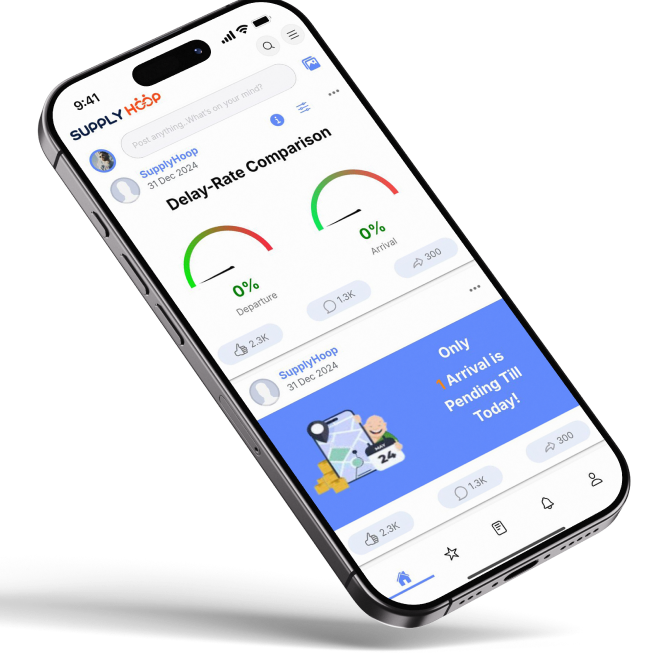
The teams can access connected shipment information through a mobile-first experience, helping them review available container milestones, shipment progress, and important exceptions without constantly switching between logistics systems.
Through Supply GPT, authorized users can ask natural-language questions about connected shipment information, such as which containers have revised ETAs, which shipments are approaching destination, or which movements have customs-related exceptions.
Meanwhile, WhatsApp integration supports communication of relevant shipment updates through a familiar messaging channel.
For freight forwarders using CargoWise, mobile visibility can complement existing freight management workflows by making connected information more accessible without requiring teams to recreate shipment records.
Container Visibility should Support the Next Operational Decision
Knowing that a vessel has arrived is useful. Knowing whether the container has been discharged and released provides more actionable information.
Similarly, knowing that a container has left the terminal is helpful, but understanding its inland delivery progress provides better context for the consignee and warehouse.
As container operations involve multiple handoffs, connected mobile visibility helps freight forwarders and transport providers monitor the journey more effectively.
The value is not simply having more tracking information. It is making available information easier to understand and use when coordinating container movements.
Better end-to-end mobile supply chain visibility means knowing not only where a container has been, but also what needs to happen next.