Every logistics day begins with a plan. Pickup times are confirmed. Delivery windows are scheduled. Documentation is cleared. Then something shifts. A vessel delay changes the ETA. A truck deviates from its route. A shipment gets held at customs. That critical delivery your customer depends on? Suddenly uncertain.
Disruptions are no longer rare events in supply chains, they are part of daily operations. The difference between controlled operations and chaos lies in how quickly you detect problems and how effectively you respond.
This is where mobile-driven exception management becomes essential.
Why Small Deviations Create Big Financial Impact?
Not every disruption looks dramatic. In fact, most costly exceptions start small, a missed checkpoint, a document delay, a minor schedule change. But when these issues go unnoticed, they snowball.
Common consequences include:
- Demurrage and detention charges
- Missed delivery penalties
- Emergency re-routing costs
- Additional storage fees
- Customer dissatisfaction
- Internal overtime and stress
The real problem isn’t the delay itself, it’s delayed awareness. When teams learn about disruptions too late, the cost of correction multiplies.
What Modern Exception Management Really Means?
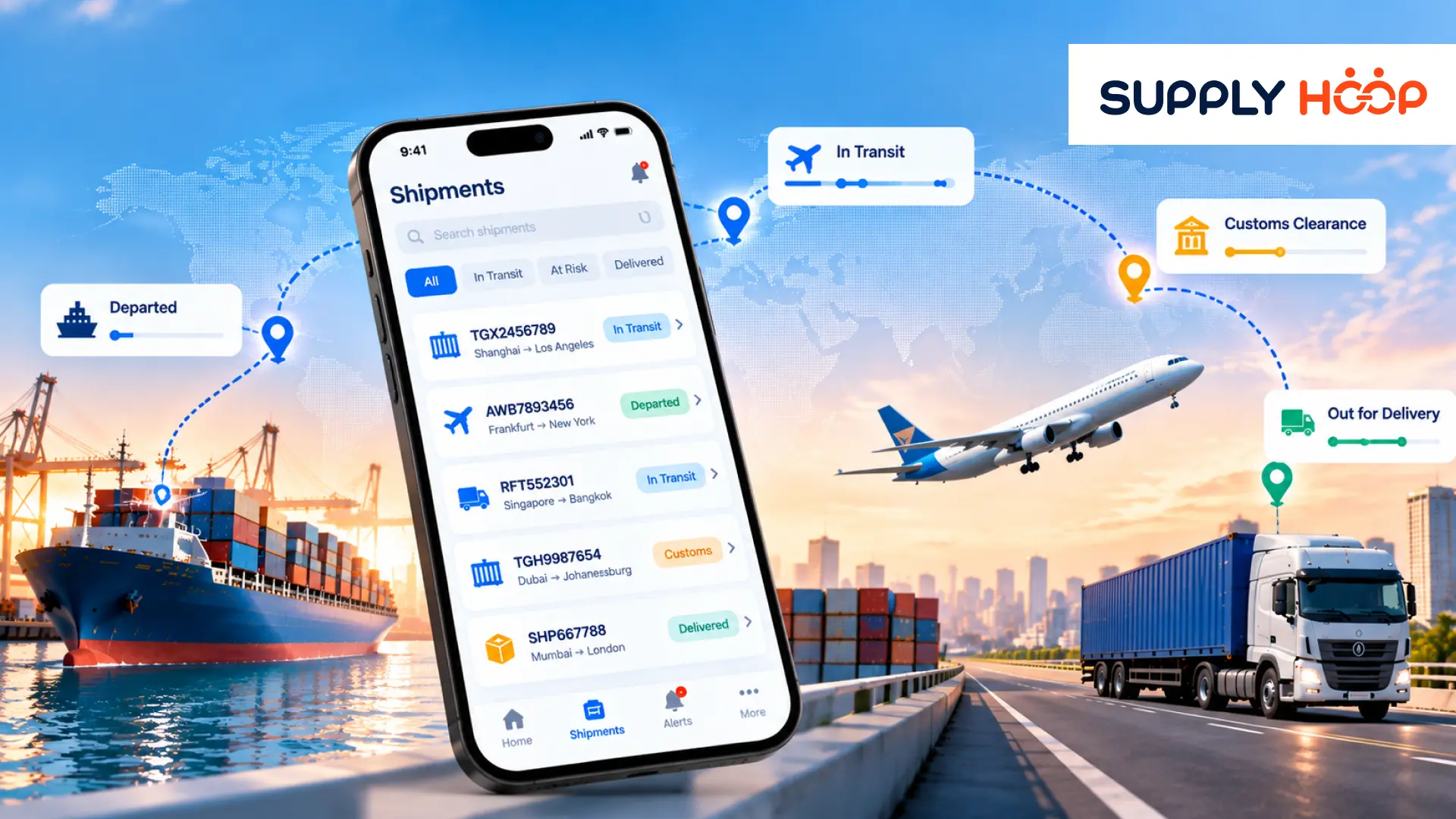
Exception management today goes beyond simple alert notifications. It combines real-time visibility with structured response tools, delivered directly through a mobile app.
Modern systems allow logistics teams to:
- Receive instant notifications for shipment delays and route deviations
- Identify customs holds or documentation gaps early
- Monitor equipment or temperature failures in transit
- Manage holds and resolve issues before fees accumulate
- Take proactive action instead of reacting under pressure
The goal is simple: detect issues early and resolve them efficiently.
Route Deviations: When Plans Change Without Warning
One of the most common exceptions is route deviation. A driver takes a detour. Weather forces a change. A checkpoint is missed. Without real-time tracking, these changes may go unnoticed until delivery windows are impacted.
With mobile exception management, deviations trigger immediate alerts. Teams can quickly assess the situation, contact carriers, adjust schedules, and notify customers before service commitments are compromised.
Real-time awareness keeps delivery performance predictable, even when routes shift unexpectedly.
Customs Holds and Documentation Gaps
Few disruptions are more frustrating than paperwork delays. A shipment is ready to move, but incorrect harmonized codes, missing permits, or incomplete declarations bring everything to a halt.
Mobile exception tools flag documentation issues before loading or border clearance. By identifying missing or expired documents early, teams can correct errors proactively rather than scrambling at checkpoints.
This reduces border delays, protects delivery timelines, and prevents costly penalties.
Equipment and Asset Failures
Breakdowns happen. Temperature-controlled units fail. Handling equipment becomes unavailable at the worst possible moment.
Advanced exception management systems monitor shipment conditions and highlight early warning signs. When equipment issues arise, teams can activate backup plans immediately.
Early intervention prevents service failure and protects customer trust.
Why Mobile Access Changes Everything?
Traditional exception management relied on desktop systems. You wouldn’t have noticed the problem if you weren’t logged in. In today’s environment, that delay is unacceptable.
Mobile-enabled exception management ensures:
- Instant alerts wherever you are
- Real-time visibility into shipment status
- Faster approvals and corrective actions
- Continuous oversight outside standard office hours
Logistics doesn’t pause at 5 p.m., and neither should visibility.
Eliminating Alert Fatigue with Smart Prioritization
One common failure in exception management is overwhelming teams with too many alerts. When everything is flagged, nothing feels urgent.
Modern systems solve this through prioritization logic. Think of it like a structured signal system:
- Critical issues that require immediate intervention
- Important issues that need attention today
- Minor deviations that only require monitoring
Custom thresholds based on customer, product, or lane ensure alerts reflect business priorities, not generic rules.
This allows teams to focus on high-impact issues without being distracted by noise.
Turning Alerts into Action
Detection alone isn’t enough. Resolution is what matters.
Effective mobile exception platforms provide:
- Built-in task assignment
- Escalation workflows
- Action tracking
- Internal and external communication tools
- Documentation of resolution steps
Instead of reacting individually, teams follow structured playbooks that shorten response time and improve coordination across departments.
The Financial Advantage of Proactive Exception Management
Exception management directly affects cost control. When disruptions are managed early, companies reduce:
- Demurrage and detention exposure
- Expedited freight costs
- Customer penalty claims
- Operational inefficiencies
- Revenue leakage
Over time, analytics reveal recurring patterns, allowing organizations to optimize routes, evaluate carrier performance, and strengthen long-term resilience.
This transforms exception management from a reactive tool into a strategic advantage.
Building a Resilient Supply Chain in 2026
Today’s supply chain environment is shaped by volatile schedules, regulatory complexity, rising transportation costs, and heightened customer expectations. Reactive operations are no longer sustainable.
To build resilience, logistics teams need:
- Continuous real-time visibility
- Structured exception handling workflows
- Intelligent prioritization
- Mobile accessibility
- Data-driven improvement insights
When these elements work together, operations shift from crisis management to controlled execution.
Conclusion
Disruptions will always exist in logistics. What changes is how prepared you are to handle them.
Mobile-enabled exception management provides instant notifications, proactive tools, and structured workflows to manage delays, holds, and deviations efficiently. It reduces financial exposure, protects service commitments, and empowers teams to act decisively.
If your organization is ready to move beyond reactive firefighting and achieve true end-to-end supply chain visibility, now is the time to see how modern exception management works in practice.
Book a demo today and discover how mobile-driven exception management can bring clarity, control, and confidence back to your operations.