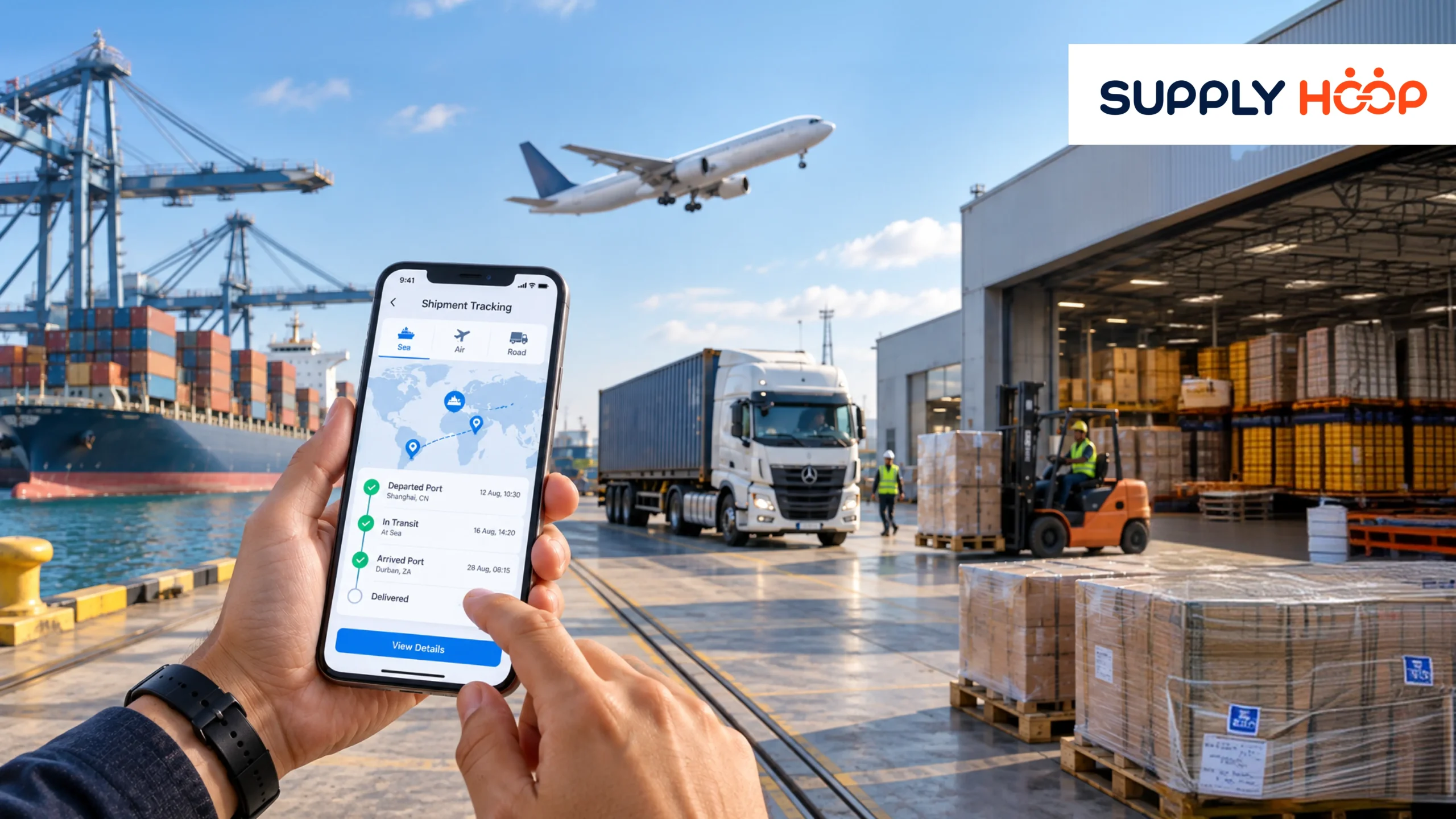
A truck arrives four hours later than planned.
Transportation sees a delay. But inside the warehouse, that one delay can mean a receiving team waiting unnecessarily, a dock slot going unused, another truck being pushed back, inventory becoming available later than expected, and overtime being required to recover the schedule.
This is where transportation and warehousing costs become difficult to separate.
A transportation problem can create a warehouse cost. A warehouse bottleneck can create detention or additional transport costs. Yet many companies still manage these activities through different systems, reports, and teams.
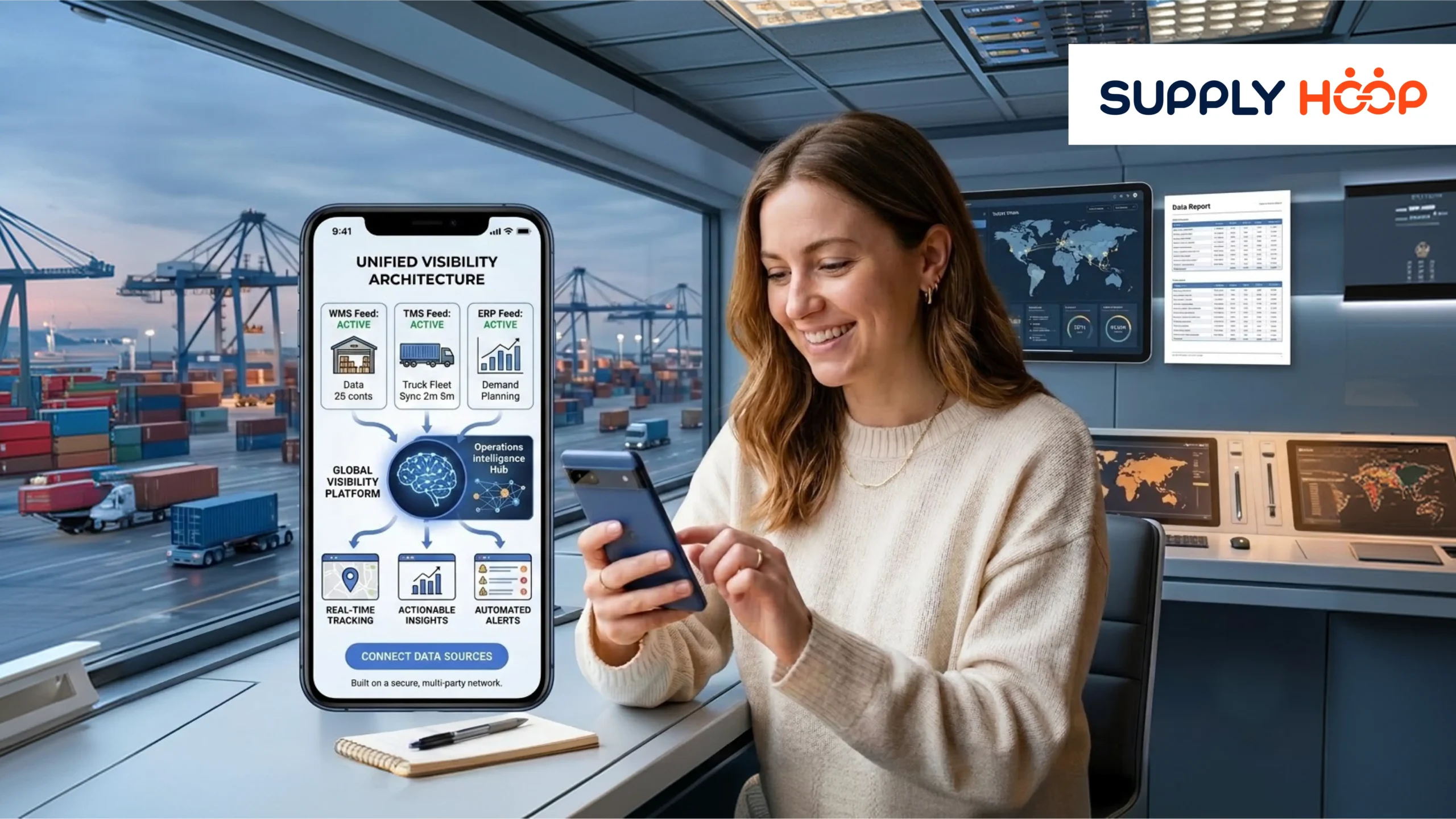
End-to-end mobile visibility closes that gap by connecting what is happening in transit with what needs to happen inside the warehouse. Instead of discovering cost after it has already been incurred, logistics teams can see the operational signals that create it and respond earlier.
Here are seven areas where that visibility can make a measurable difference.
1. Match Warehouse Labor to Actual Freight Arrivals
Warehouse labor is often planned around expected arrival times. The problem is that expected and actual arrival times are not always the same.
Imagine eight inbound loads scheduled between 8:00 a.m. and noon. Two are delayed at origin, one is caught in traffic, and another has a revised ETA of 2:30 p.m.
If the warehouse does not see those changes early enough, workers may still be allocated based on the original schedule. The result can be idle receiving labor in the morning followed by overtime or additional staffing when several loads arrive later together.
Real-time mobile visibility gives warehouse supervisors access to updated ETAs before the vehicle reaches the gate. They can use that information to adjust receiving priorities, labor allocation, equipment, and dock schedules.
Research into real-time warehouse visibility identifies unnecessary overtime, idle labor, and imbalanced work allocation as areas that better operational visibility can help reduce.
The cost saving therefore does not come simply from knowing where the truck is. It comes from turning its updated arrival information into a better labor decision.
2. Reduce Detention, Demurrage, and Storage Exposure
Some logistics costs start with a surprisingly simple problem: nobody acted before the clock ran out.
An import container is discharged. Customs clearance takes longer than planned. The transport team does not receive the release information quickly enough. The warehouse has not confirmed receiving capacity. Free time expires.
The shipment has barely moved, but costs are already accumulating.
Demurrage, detention, and storage deserve particular attention because they sit directly between transportation and facility planning. Recent academic research published in Transportation Research Part E demonstrates how materially these charges can influence total intermodal logistics costs.
Mobile visibility helps teams monitor the milestones surrounding those charges: vessel arrival, discharge, customs status, cargo release, pickup, warehouse delivery, unloading, and empty-container return.
The useful question becomes less about “Where is the container?” and more about “Which container is approaching a cost deadline?”
That distinction gives operations teams time to prioritize pickups, prepare warehouse space, coordinate transport, and manage empty returns before additional charges arise.
3. Cut Truck Waiting Time at the Warehouse
A truck arriving on time does not automatically mean an efficient delivery.
It can still spend an hour waiting outside the gate because the dock is occupied. Another truck may arrive early and create congestion. A delayed inbound vehicle can overlap with the next appointment and disrupt the rest of the day’s schedule.
These handoffs between transportation, yard, and warehouse operations remain an important visibility gap. Current industry analysis continues to identify trailer dwell, gate congestion, detention, and missed appointments as costs associated with poor visibility around facility handoffs.
End-to-end visibility allows both sides of the operation to work from current information.
If an inbound vehicle is running late, the dock appointment can be reconsidered. If the warehouse is congested, transport planners have more context before sending another vehicle into the queue.
Instead of treating the warehouse gate as the end of transportation visibility, the business sees it as another connected logistics milestone.
4. Reduce Emergency Freight Caused by Inventory Blind Spots
Not every expensive shipment was originally supposed to be expensive.
A business may use premium air freight, expedited trucking, or an urgent transfer because inventory appears to be running short. Sometimes the stock exists, it simply has not reached the expected location yet, or the team cannot confidently determine when it will arrive.
That is where inventory visibility and in-transit visibility need to meet.
Suppose a warehouse has only two days of a critical SKU remaining. Another quantity is moving inbound.
If the warehouse only sees its physical stock, the shortage appears more serious. If transportation only sees a shipment in transit, it may not understand the inventory consequence of a delay.
End-to-end visibility connects those two facts.
The team can see what is currently available, what is already moving, when it is expected to arrive, and whether the inbound shipment is at risk.
This gives planners better information before paying for an emergency movement or increasing safety stock simply because arrival information is uncertain.
5. Prevent Receiving Surprises Before Freight Reaches the Dock
A warehouse does not only need to know when freight will arrive.
It needs to know what is arriving.
How many pallets? What SKU? How much space is required? Does the cargo need special handling? Is the documentation complete? Is there a priority order waiting for that inventory?
When purchase order, shipment, inventory, and warehouse information live separately, receiving teams can be surprised by freight they technically knew was coming.
Mobile visibility can bring these signals together before arrival.
A warehouse supervisor checking inbound activity from a phone could see the shipment, associated purchase order, ETA, cargo details, documents, and any exceptions affecting the movement.
That preparation can reduce unnecessary searching, rehandling, dock congestion, and last-minute resource changes.
The financial value of visibility is therefore not limited to transportation savings. It also comes from making warehouse execution more predictable.
6. Stop Paying People to Chase Status Updates
There is another logistics cost that rarely appears as a separate invoice: administrative time.
“Has the truck departed?”
“Did the container clear customs?”
“What time will it reach the warehouse?”
“Has receiving completed?”
“Can you send the POD?”
When transportation and warehouse data are fragmented, people become the integration layer. Operations calls the carrier. The warehouse emails operations. Customer service asks both. Someone updates a spreadsheet. The same information is copied into another message for the customer.
That is paid working time being consumed by information retrieval.
A mobile visibility platform gives authorized users access to current shipment milestones, inventory information, documents, exceptions, and delivery progress without requiring another person to retrieve every update.
This is also where an AI logistics assistant such as Supply GPT can have a practical role.
Instead of navigating several screens, a user could ask:
“Which inbound shipments arriving today are delayed?”
“Which containers have been released but not collected?”
“Which deliveries are still waiting for POD?”
The objective is not to add AI to an existing dashboard. It is to shorten the time between a business question and a usable answer.
7. Catch Small Exceptions Before They Become Expensive Ones
This may be the most important cost advantage of all.
Many large logistics expenses begin as small operational deviations.
A two-hour delay becomes missed receiving capacity.
A missing customs document becomes an extra storage day.
A late container pickup becomes demurrage.
A warehouse bottleneck becomes truck detention.
A delayed inbound component becomes expedited freight.
The longer the interval between the first deviation and the response, the fewer low-cost options remain available.
That is why effective end-to-end visibility should be exception-driven.
Instead of requiring someone to continuously watch hundreds of shipments, the platform should identify the movements that have deviated from plan and bring them to the user’s attention.
This is also where mobile access matters. The person who needs to make the decision may not be sitting in front of the transportation or warehouse system when the exception occurs.
Recent research into real-time digital monitoring found that, in a representative intralogistics case, optimally configured monitoring produced approximately 9% total cost savings compared with manual monitoring and up to 15% compared with no monitoring. The exact savings will naturally vary by operation, but the research illustrates an important principle: timely information has financial value when teams can use it to intervene.
The Cost Question to Ask isn’t “Where is My Freight?”
End-to-end mobile visibility is sometimes treated as a more convenient way to track shipments.
That understates its value.
The bigger opportunity is connecting transportation decisions with warehouse consequences.
A delayed truck affects labor. A late container affects storage charges. Uncertain inventory affects transport choices. A congested dock affects driver waiting time. Missing information creates administrative work across all of them.
When those signals become visible together, logistics teams can start managing the cost of the entire movement rather than optimizing transportation and warehousing separately.
That is the purpose of an end-to-end visibility platform.
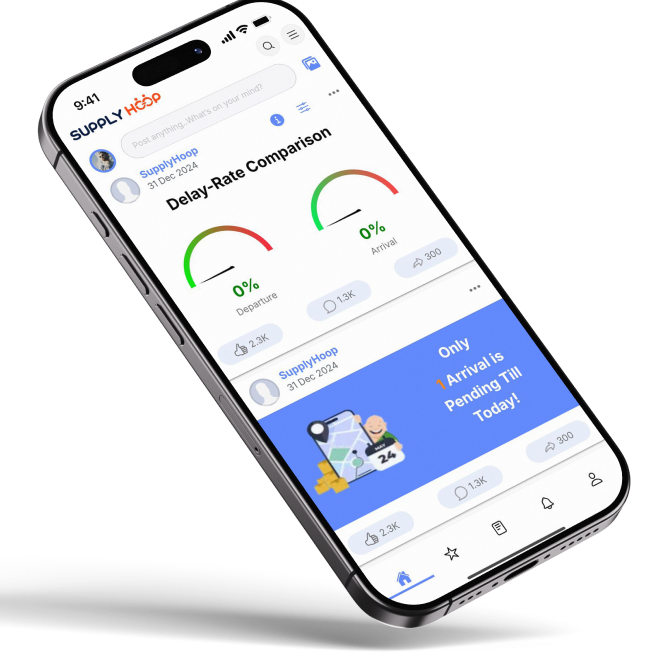
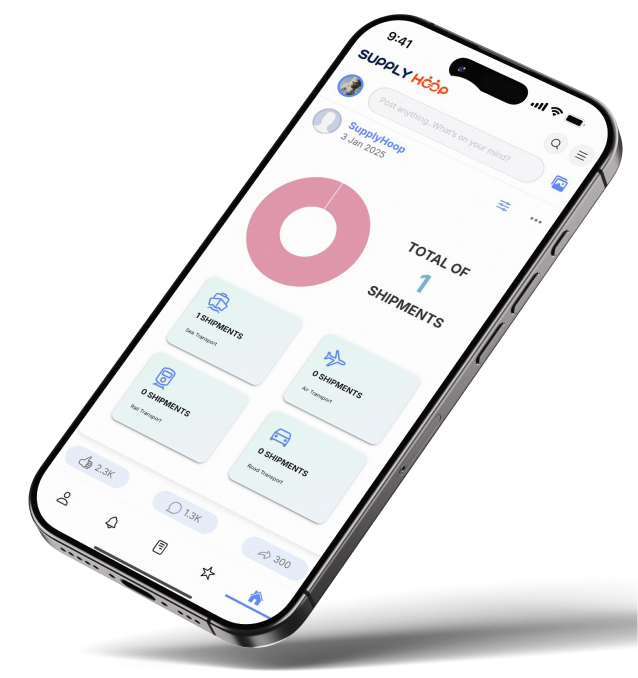
With Supply Hoop, transportation milestones, inventory, purchase orders, warehouse activity, documents, exceptions, and delivery information can be brought into a mobile visibility environment, with Supply GPT helping teams find the information that requires attention.
The result should not simply be another screen showing more logistics data.
It should help your team answer a much more valuable question:
Where are we about to spend money unnecessarily, and is there still time to prevent it?
Book a demo to see how Supply Hoop can bring transportation and warehouse information together through end-to-end mobile supply chain visibility and help your teams make earlier, better-informed cost decisions.