Every freight forwarder knows the feeling. A shipment is delayed, but the update hasn’t reached everyone. A document is ready, but approvals are pending. An invoice needs correction, but the right person hasn’t seen the email yet. By the time the issue surfaces, the impact is already visible, including missed deadlines, frustrated customers, and unnecessary costs.
The real challenge isn’t effort. It’s fragmentation. Operations, documentation, customer service, and finance often work hard, but not always from the same live information.
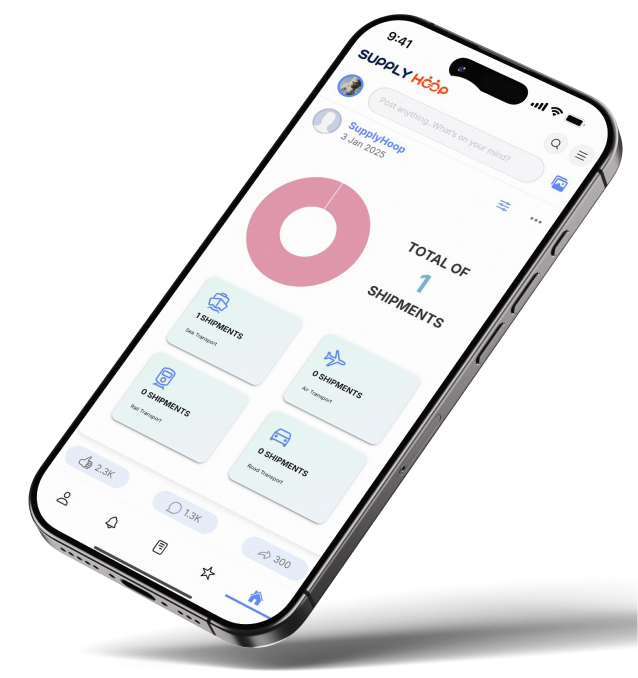
This is why mobile-first collaboration platforms are becoming essential for freight forwarders in 2026. They bring shipment visibility, approvals, document control, and team communication into one connected space, accessible anytime, anywhere.
Why Freight Forwarding Needs Better Operational Collaboration?
Modern freight forwarding is no longer just about moving cargo. It’s about coordinating multiple touchpoints simultaneously:
- Bookings
- Shipment milestones
- Documentation (HBL, invoices, quotes)
- Customer updates
- Exception handling
- Financial approvals
When these elements sit in separate tools, emails, spreadsheets, ERP screens, and chat apps, visibility breaks down. Delays happen not because teams don’t care, but because updates don’t flow efficiently.
A mobile collaboration app changes this dynamic by centralizing operational communication around the shipment itself.
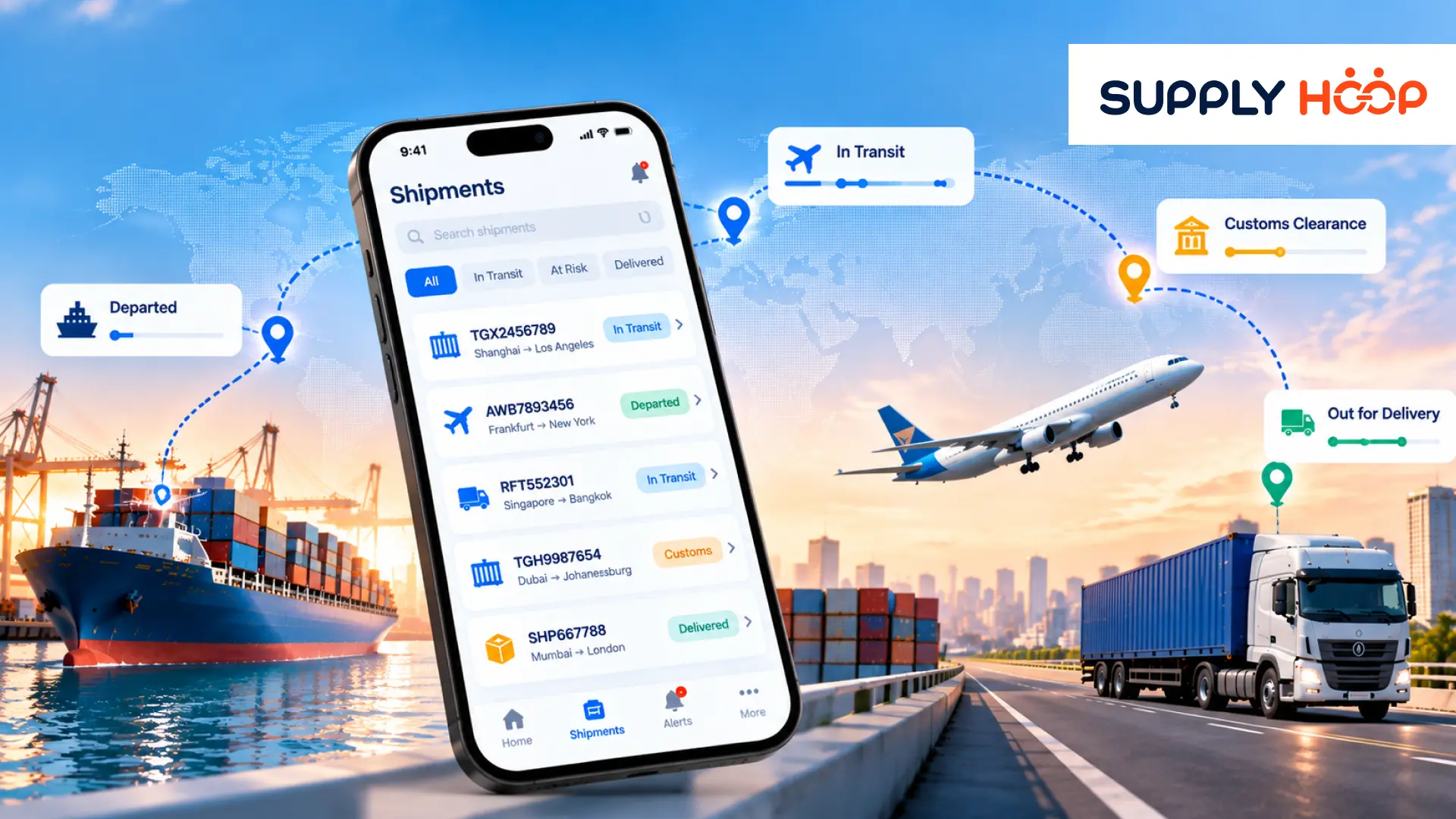
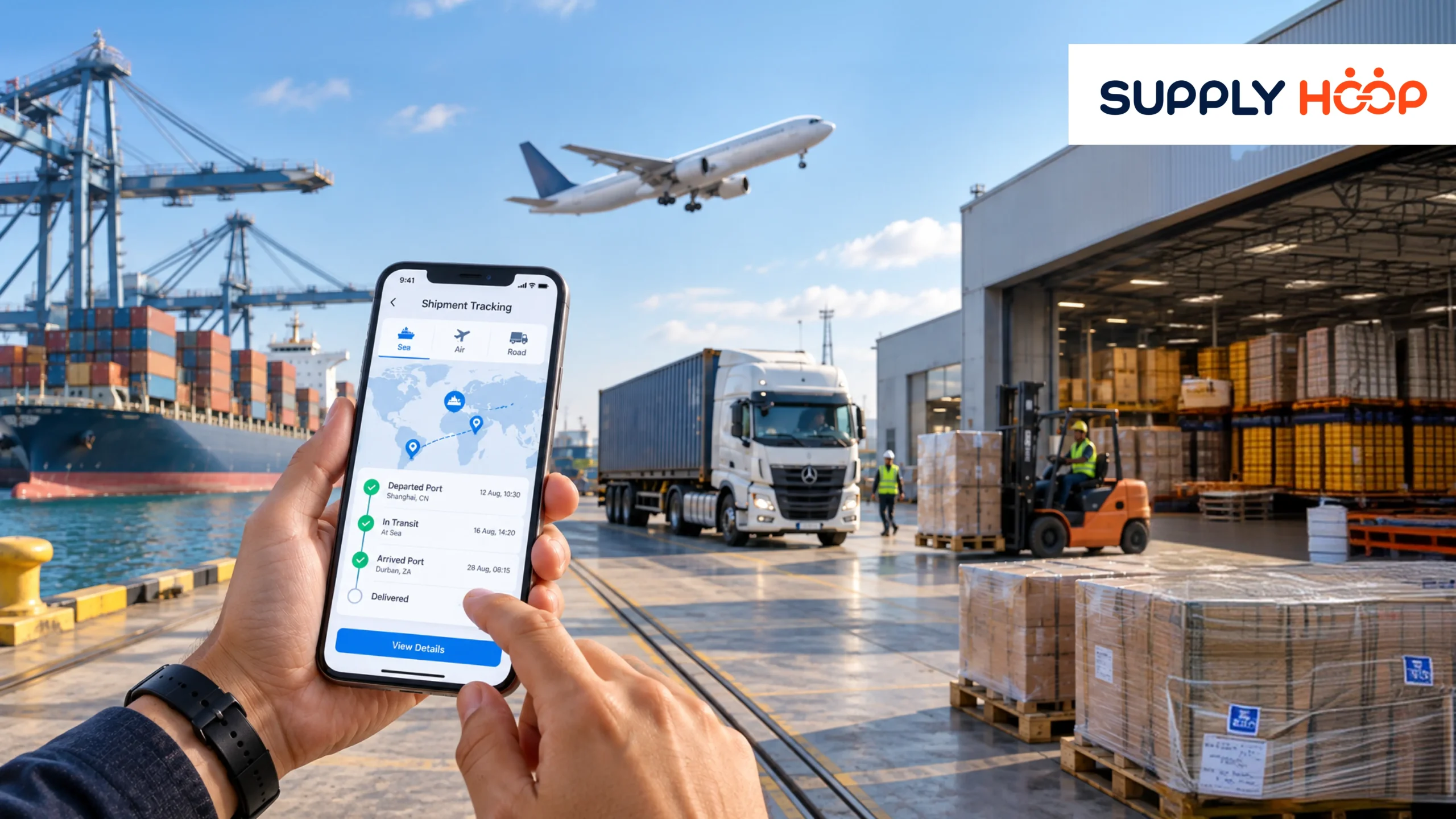
Real-Time Shipment Tracking that Everyone can See
Shipment tracking is often treated as a customer-facing feature. But internally, it’s even more critical.
With real-time tracking on a mobile app:
- Teams can monitor departure and arrival milestones
- Delays are visible immediately
- Updated ETAs are accessible without system hopping
- Everyone works from the same status view
Instead of chasing updates from carriers or waiting for manual confirmation, freight teams gain continuous awareness. That alone reduces miscommunication and reactive decision-making.
Collaboration that Feels Familiar but Works Professionally
Freight forwarding thrives on communication, but too much of it happens informally across disconnected channels.
A mobile collaboration platform allows teams to:
- Comment directly on shipment milestones
- Share updates within the job workflow
- Tag colleagues for action
- Keep discussions tied to specific shipments
It feels as intuitive as a social media feed but remains structured and secure. Conversations stay connected to the job, eliminating scattered communication across email threads and chat groups.
Faster Approvals for Bookings, HBLs, and Quotes
Approvals are often the silent obstacle in freight operations. A booking might be ready, but waiting for confirmation slows the process. An HBL draft may need review, but delays push everything downstream.
Through a mobile app, freight forwarders can:
- Review bookings in real time
- Approve or reject documents instantly
- Confirm quotes without waiting for office access
- Maintain momentum even outside standard hours
This keeps shipments moving and prevents operational slowdowns caused by simple administrative delays.
Simplified Invoice and Document Management
Document amendments and invoice corrections are part of daily freight operations. The problem arises when those changes aren’t visible quickly enough.
Mobile access ensures:
- Invoices can be reviewed and amended promptly
- Supporting documents are easy to access
- Corrections happen before billing delays occur
- Finance and operations stay aligned
Clear document visibility strengthens cash flow and reduces friction between departments.
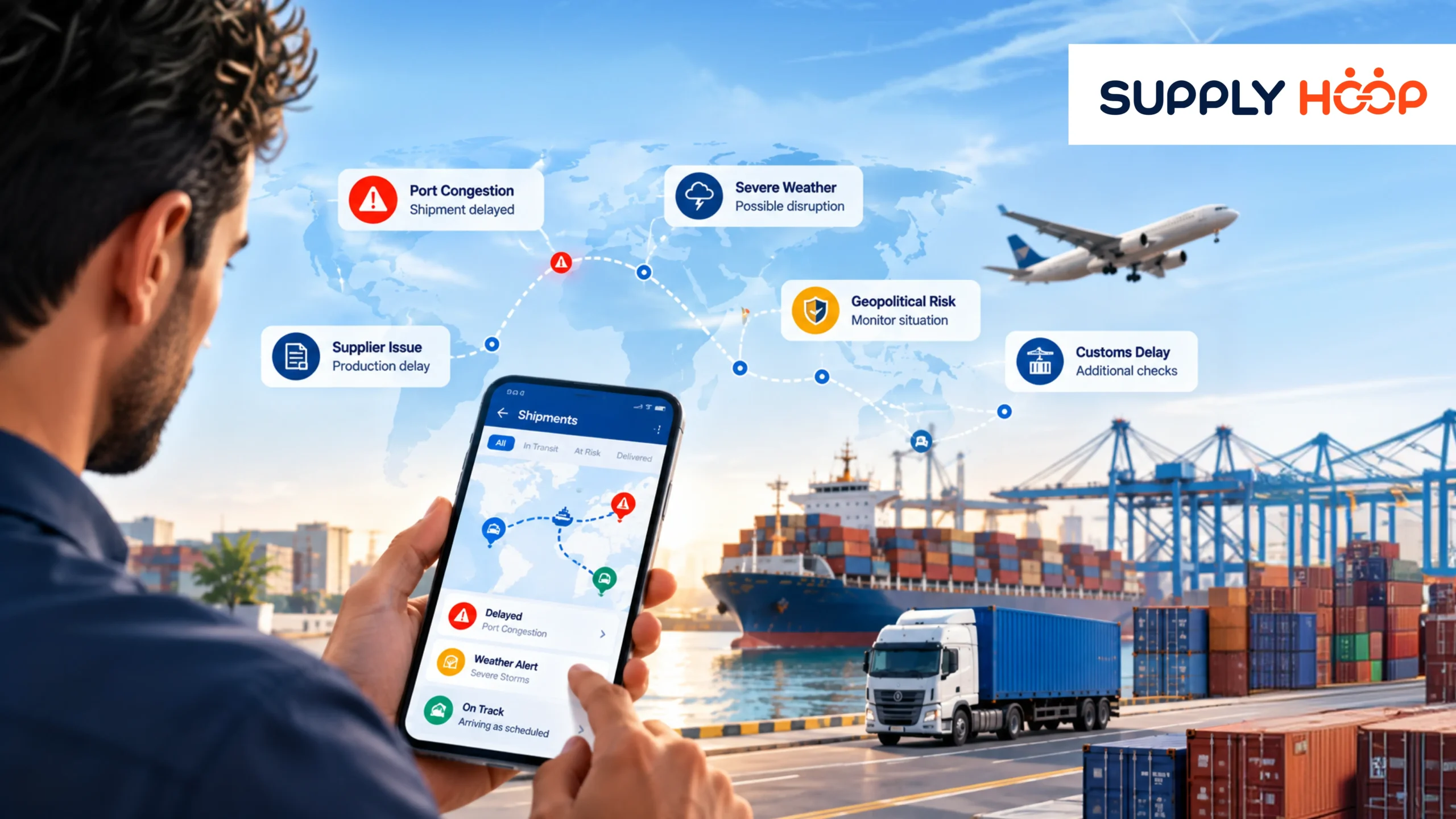
Handling Exceptions Before they Escalate
Every shipment carries risk, port congestion, schedule changes, customs delays, or documentation gaps. What separates efficient freight forwarders from reactive ones is how quickly they see and respond to exceptions.
A mobile collaboration platform helps by:
- Highlighting deviations immediately
- Allowing teams to coordinate corrective actions
- Keeping customers informed without confusion
- Reducing last-minute fire-fighting
When exception management is structured and visible, stress levels drop and response times improve.
Visibility that Extends to Customers
Freight forwarders compete not just on price, but on transparency. Customers expect clarity around shipment status, approvals, and delivery timelines.
With a mobile-enabled visibility platform:
- Customers receive consistent updates
- Teams respond confidently to inquiries
- Communication is proactive instead of reactive
- Trust builds through reliability
When visibility improves internally, it naturally improves externally.
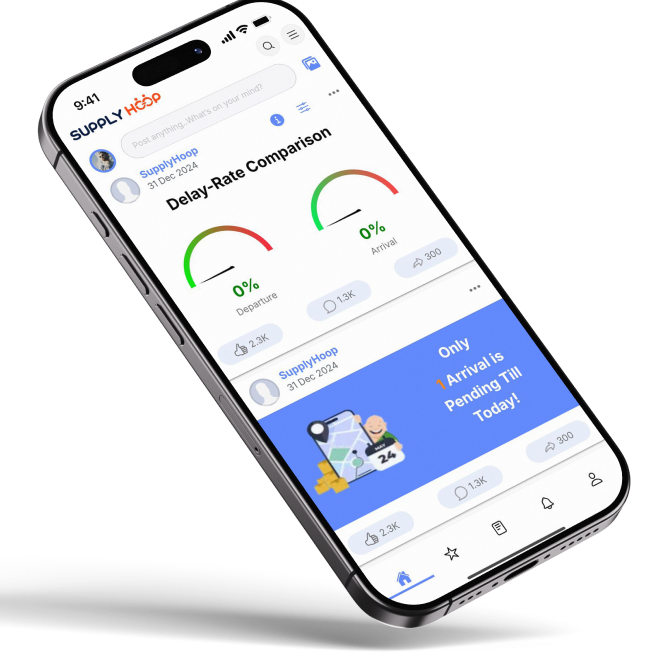
Analytics and Performance Insights in One Place
Operational data becomes more powerful when it’s easy to interpret. A mobile dashboard gives teams quick insight into:
- Delay trends
- Arrival vs. departure performance
- Shipment milestone compliance
- Operational bottlenecks
This helps management identify where processes need adjustment, without waiting for end-of-month reviews.
Why Freight Forwarders are Moving Toward Mobile-First Operations?
The shift toward mobile collaboration isn’t about replacing ERP systems. It’s about extending their value into daily workflows.
Freight forwarders are adopting mobile solutions because they:
- Reduce operational blind spots
- Minimize dependency on email and spreadsheets
- Improve response speed
- Strengthen internal alignment
- Enhance customer confidence
In an industry where timing is everything, access to real-time information directly impacts profitability.
A Technology-Driven Approach to Modern Freight Operations
Freight forwarding is becoming more data-driven every year. Companies that rely on manual communication and delayed updates struggle to scale effectively.
A technology-driven, mobile-first approach enables:
- Seamless coordination between teams
- Faster decision-making
- Clear accountability
- Reduced operational risk
- Better financial control
It’s not about adding complexity, it’s about simplifying visibility.
Conclusion
Freight operations don’t slow down. Delays, approvals, documentation, and customer expectations all move simultaneously. Without structured visibility and collaboration, small gaps quickly become expensive problems.
A mobile collaboration app brings shipment tracking, document management, approvals, and communication into one connected workflow. It replaces fragmented updates with shared clarity and turns reactive operations into proactive management.
If your freight teams are still juggling systems and chasing updates, it may be time to rethink how visibility works in your organization.
Ready to experience true end-to-end supply chain visibility? Book a demo and see how mobile collaboration can simplify your freight operations from booking to delivery.