Ocean freight has long been the backbone of global trade, carrying over 80% of the world’s goods. But for shippers, initiating a booking can still feel like navigating a maze. Freight rates fluctuate daily, carrier schedules shift constantly, and documentation requirements grow more complex every year. What should be a straightforward process, finding a rate and confirming a booking, often turns into hours of emails, spreadsheets, and phone calls.
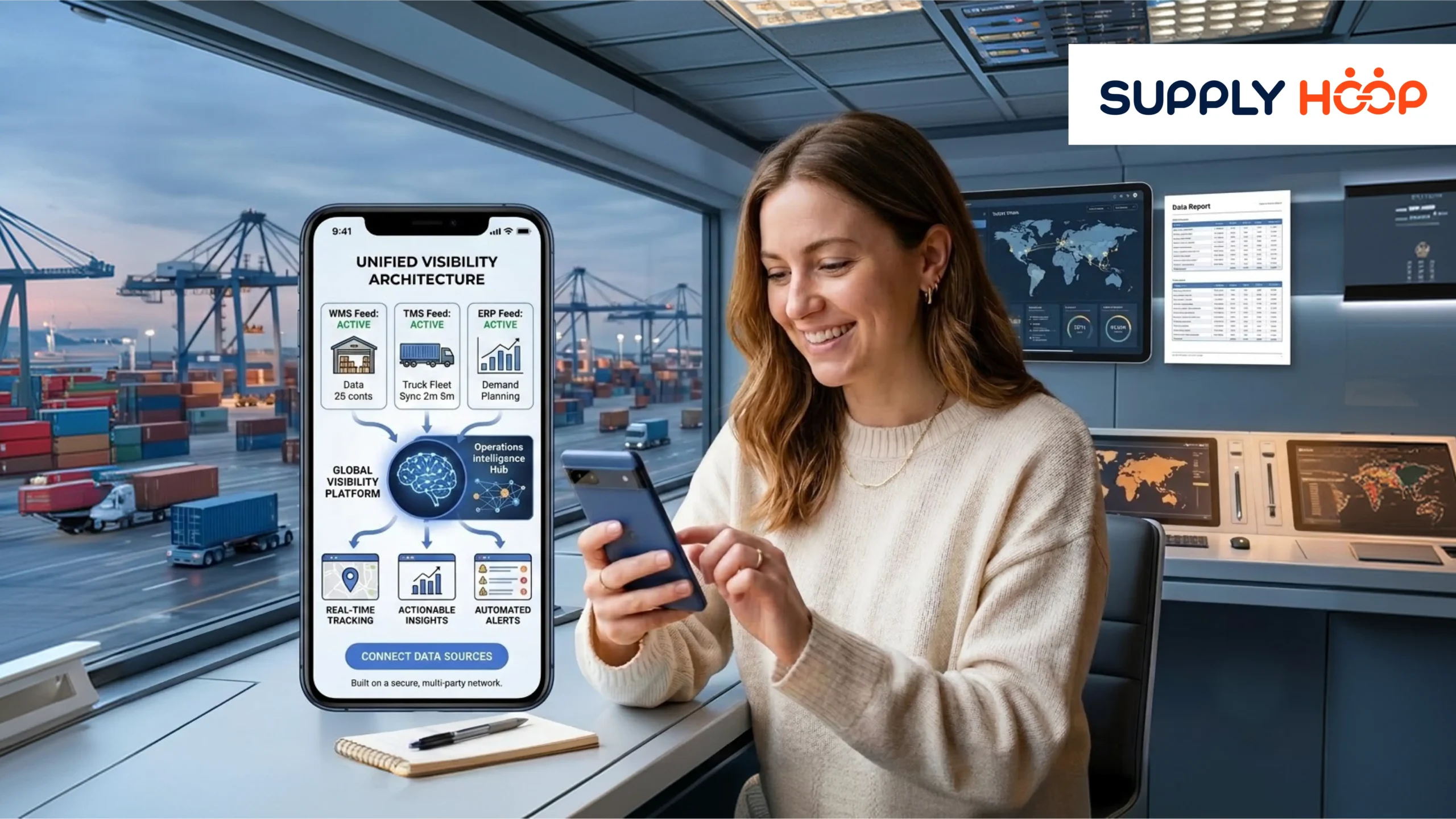
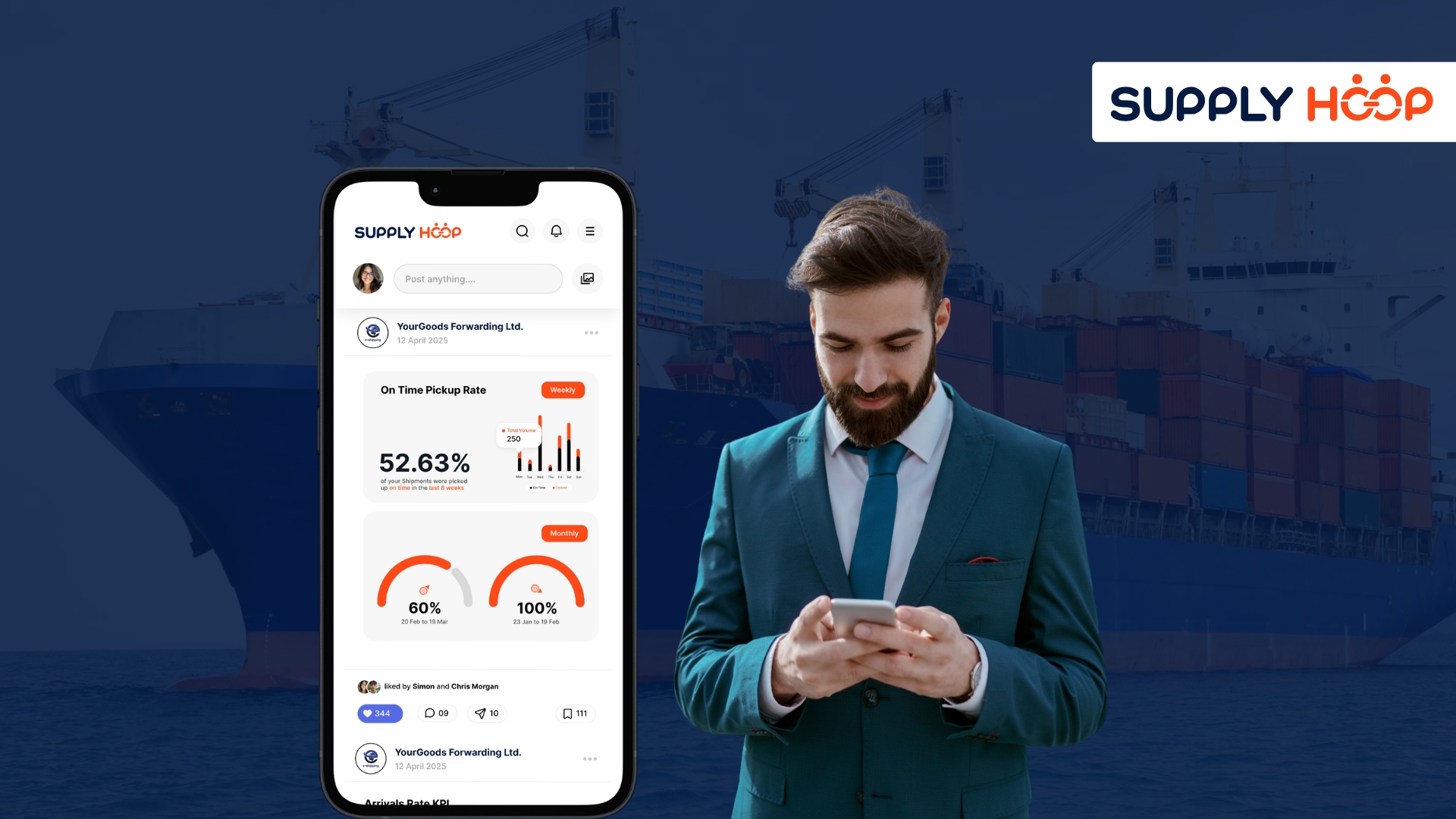
The question logistics teams are now asking is simple: how can digital tools make this process faster, clearer, and more reliable? The answer lies in digitization, integrating smart technology to simplify rate management, automate booking, and reduce human error across the shipping workflow. Moreover, all the updates regarding this could be seen in real-time through a mobile application.
Key Challenges in Initiating Ocean Freight
Before understanding how digitization helps, it’s important to recognize the main hurdles that shippers and forwarders face when initiating an ocean freight booking today.
1. Rate Volatility and Lack of Transparency
Freight rates can fluctuate dramatically due to fuel costs, capacity shortages, seasonal peaks, and geopolitical disruptions. Many companies still rely on outdated rate sheets or manual quotes, which can be inaccurate by the time they’re used. This creates confusion, hidden surcharges, and missed cost-saving opportunities.
2. Fragmented Communication
Ocean bookings often require coordination between multiple stakeholders, carriers, freight forwarders, customs agents, and consignees. When these communications happen through scattered emails and phone calls, information gets lost or delayed, causing booking errors and shipment misalignment.
3. Manual Documentation and Data Errors
From Bills of Lading to shipping instructions, most ocean freight operations still rely heavily on manual document preparation. Any typo, missing field, or outdated template can lead to customs delays, cargo holds, or penalties.
4. Schedule Uncertainty
Port congestion, weather disruptions, or blank sailings often change vessel schedules with little notice. Without a centralized digital system, shippers struggle to track these changes and rebook efficiently.
5. Limited Visibility into Booking Status
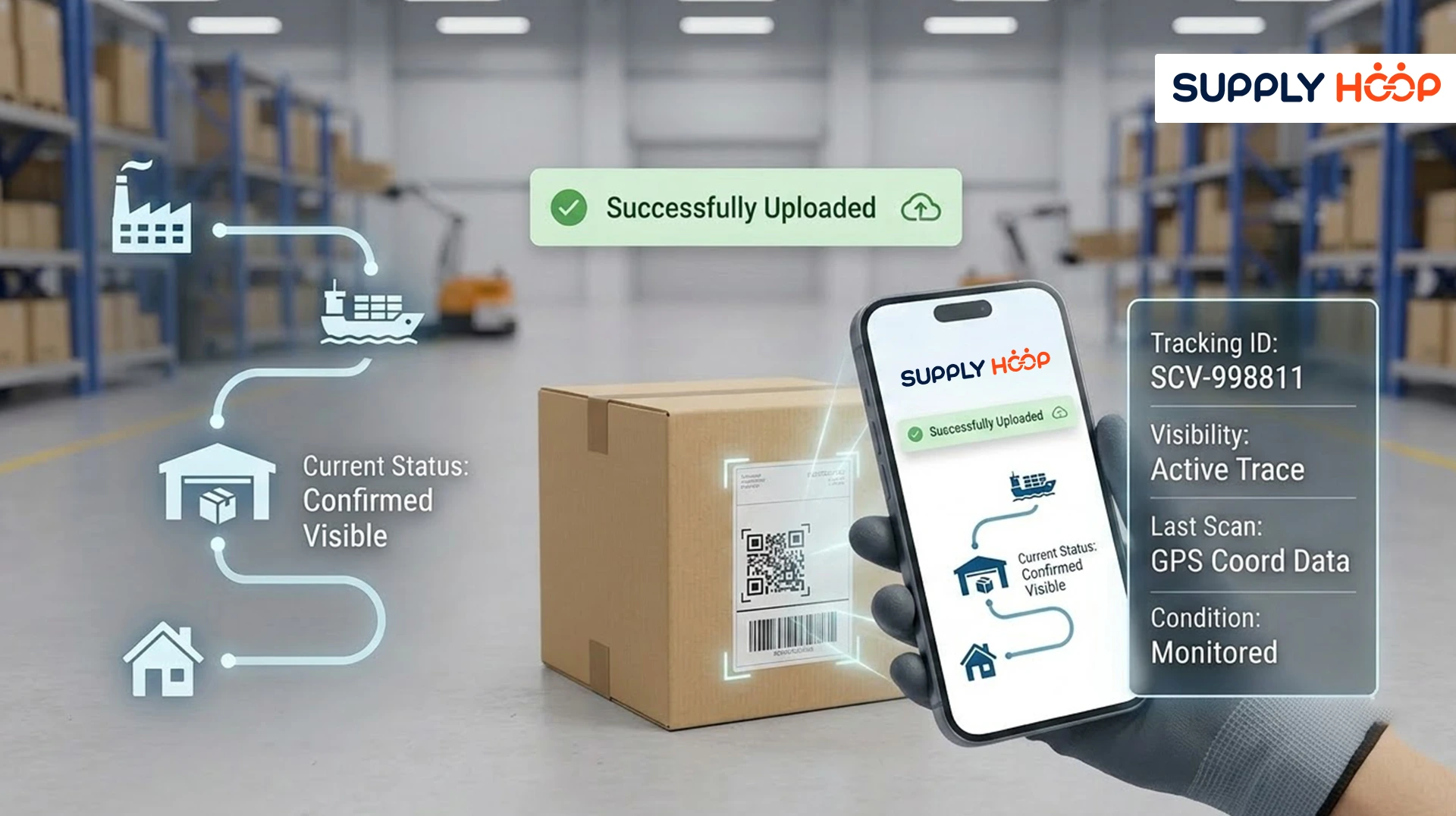
Once a booking is made, many shippers still rely on carrier updates or forwarder notifications to know the status. The lack of real-time visibility creates uncertainty, especially when customers are asking for shipment ETAs.
How Digitization Simplifies the Booking Process
The ocean freight industry is now adopting digital platforms that replace spreadsheets, manual quotes, and back-and-forth emails with automated, data-driven systems. Here’s how digitization is changing the game:
Real-Time Rate Management
Digitized platforms aggregate rate data from multiple carriers and NVOCCs (Non-Vessel Operating Common Carriers) into a single interface. This lets shippers compare prices instantly, choose routes based on cost and reliability, and make smarter procurement decisions.
Instead of waiting hours for rate confirmations, teams can access through mobile application:
- Up-to-date spot and contract rates.
- Automatic rate updates as surcharges or bunker fees change.
- Transparent cost breakdowns to avoid hidden charges.
With rate visibility in one place, shippers can respond quickly to market fluctuations and secure the best deals faster.
One-Click Booking and Confirmation
Booking processes that once took hours, or even days, are now being reduced to minutes with the help of a mobile application. Digital freight platforms and integrated ERP systems allow users to:
- Submit shipping instructions online.
- Confirm bookings instantly through carrier APIs.
- Receive electronic confirmations and job numbers automatically.
This eliminates the need for multiple follow-ups or redundant manual entries, significantly reducing administrative overhead.
Automated Documentation and Data Validation
Digitization also helps reduce the paperwork burden. Advanced systems automatically populate Bills of Lading, packing lists, and invoices using master data from your ERP or TMS. Built-in validation tools check for missing or inconsistent information before submission, reducing customs delays and rework.
For instance, if a commodity code or consignee address is missing, the system alerts the user before finalizing the document, saving valuable time and avoiding penalties.
Improved Schedule and Carrier Management
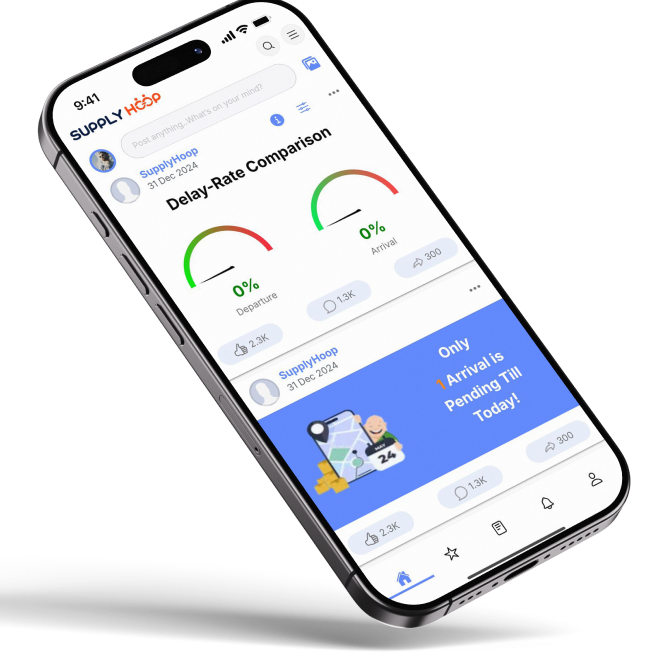
Modern digital tools integrate live carrier schedules, vessel tracking data, and port updates in a mobile application. Shippers can easily identify which routes are on time, which carriers have space availability, and where potential congestion may occur.
This allows for:
- Faster rebooking if a vessel is delayed.
- Data-backed decisions when selecting carriers.
- Greater predictability for customers awaiting updates.
The ability to plan around real-time conditions enhances both speed and reliability throughout the booking cycle.
Visibility Across the Booking Lifecycle
Digitization provides full transparency, from quote to delivery. Shippers can log into their dashboard and instantly view:
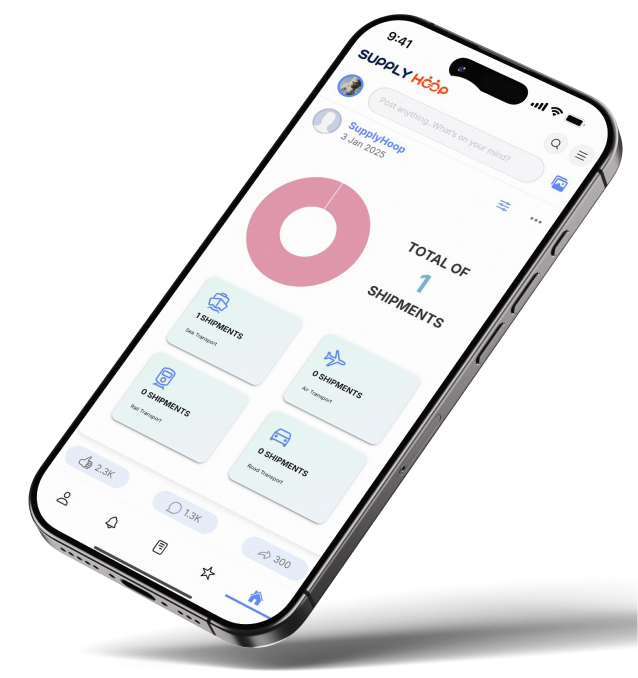
- Booked shipments and their current status.
- ETA/ETD updates and port transits.
- Linked documentation and invoices.
This end-to-end visibility helps operations teams anticipate issues, manage exceptions, and keep customers informed without relying on manual updates.
The Role of Data Analytics and AI in Ocean Freight
Beyond automation, AI-powered supply chain visibility and analytics are making booking smarter, not just faster. By analyzing historical data, booking patterns, and carrier performance, AI can:
- Predict which routes will have better on-time performance.
- Recommend optimal container utilization to reduce costs.
- Forecast rate trends to help shippers negotiate better contracts.
Machine learning tools can even detect anomalies, such as duplicate bookings or incorrect container weights, before they cause delays or fines. This predictive approach adds a layer of intelligence that traditional manual processes simply can’t match.
Collaboration and Integration with Logistics Partners
Digitization works best when it connects everyone. By integrating digital platforms with existing ERP, TMS, and WMS systems, logistics teams can achieve smooth data flow across procurement, operations, and finance.
Carriers and freight forwarders can also share data directly through secure APIs, ensuring that every stakeholder, from supplier to consignee, has access to accurate, real-time information. This transparency builds stronger partnerships and reduces miscommunication between parties.
The Business Impact: Faster Bookings, Lower Costs, Fewer Errors
Adopting digital booking processes doesn’t just save time, it transforms how shippers operate. Businesses that embrace digitization in ocean freight report measurable gains, such as:
- Up to 60% reduction in time spent managing bookings.
- Fewer documentation errors lead to smoother customs clearance.
- More accurate freight forecasting, helping optimize budgets.
- Improved customer satisfaction, driven by faster response times and better visibility.
Digitization aligns with what modern logistics demands: accuracy, transparency, and agility.
Conclusion
Ocean freight booking doesn’t have to be slow, manual, or confusing. Digitization is redefining how shippers handle rates, documentation, and scheduling, turning complexity into clarity through mobile application.
By embracing connected technology, logistics professionals can cut costs, reduce human errors, and keep shipments flowing without interruption. As the industry continues to digitize, the companies that adapt will not just move goods, they’ll move smarter.
Achieve End-to-End Supply Chain Visibility through Digitized Ocean Freight Management.