Freight forwarding moves at the speed of response. A delay in confirming rates, checking sailing schedules, or approving a booking can cost more than just time, it can cost business.
Customers today expect instant confirmation. They want visibility into schedules, transparent pricing, and quick approvals without long email chains or waiting for callbacks. Meanwhile, freight teams are under pressure to manage higher volumes, tighter margins, and complex routing decisions.
In this environment, traditional booking workflows feel outdated. Manual back-and-forth communication, delayed approvals, and disconnected systems slow down what should be a simple process.
This is where streamlined mobile booking platforms are changing the game.
Why Mobile Booking is No Longer Optional?
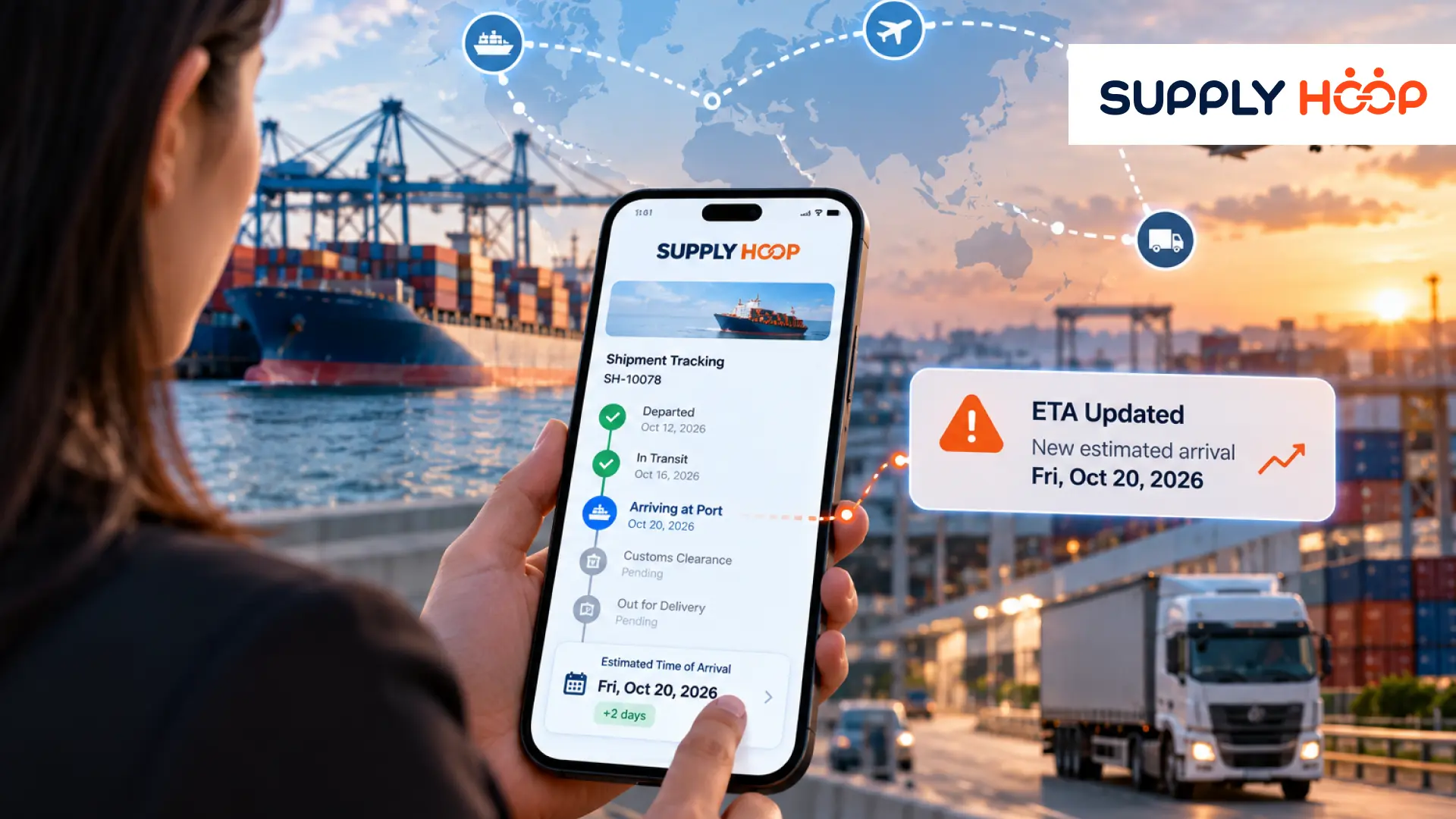
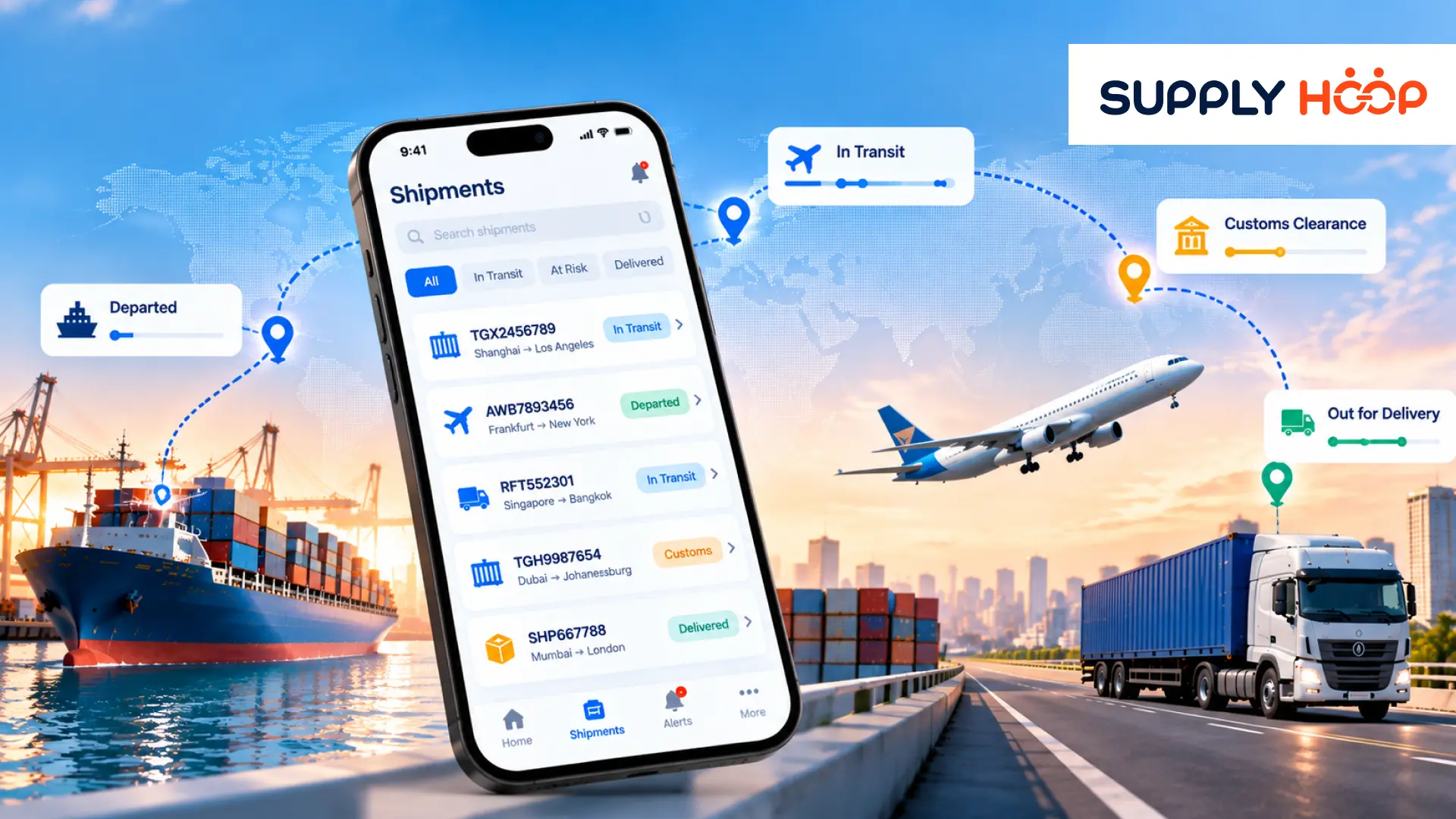
The widespread adoption of smartphones and mobile internet has reshaped how businesses operate. Logistics is no exception. Freight forwarders and their customers increasingly rely on mobile apps to access real-time information, manage shipments, and complete transactions quickly.
Mobility allows teams to:
- Check live rates instantly
- Review sailing schedules on demand
- Initiate bookings without delay
- Track cargo movements in real time
- Collaborate across teams and partners
With commercial pressures increasing, faster delivery expectations, lower cost targets, and zero tolerance for errors, the ability to access booking information anytime has become critical.
Self-Service Booking Requests: Empowering Customers
One of the biggest shifts in freight operations is giving customers more control.
Through a mobile booking app, customers can initiate booking requests directly. Instead of sending emails or waiting for manual confirmations, they can:
- Submit shipment details
- View available schedules
- Check rates
- Request space allocation
This self-service approach reduces friction, speeds up response time, and enhances the overall customer experience.
For freight forwarders, it also reduces administrative workload and allows sales teams to focus on strategic growth rather than repetitive data entry.
Collaborative Approval Workflows
Bookings often require internal approvals, pricing validation, space confirmation, or management authorization. Traditional workflows depend on email threads and manual sign-offs, which introduce delays.
Mobile-enabled collaborative approval workflows streamline this process.
Approvers receive real-time notifications and can:
- Review booking details instantly
- Approve or reject requests
- Add comments for clarification
- Escalate if needed
This structured workflow reduces turnaround time and keeps bookings moving forward without unnecessary obstacles.
Real-Time Booking Status Integration
Visibility doesn’t stop once a booking is submitted. Customers and internal teams need to know the status at every stage.
Modern mobile booking platforms integrate directly with CargoWise or other third-party systems, ensuring that booking statuses update automatically. This includes:
- Confirmation of space
- Schedule updates
- Vessel details
- Documentation readiness
- Shipment milestones
Automatic integration eliminates duplicate entries and ensures accuracy across systems.
Instant Access to Rates and Sailing Schedules
Freight forwarding operates in a time-sensitive environment where rate changes and schedule adjustments happen frequently.
Mobile access allows teams and customers to:
- Compare export and import rates
- View sailing schedules in real time
- Make faster booking decisions
- Reduce dependency on manual rate sheets
This instant visibility helps companies stay competitive and responsive.
Improving Operational Efficiency Across the Organization
Mobile booking platforms don’t just benefit customers. They improve efficiency internally as well.
Operations teams gain better workload visibility. Sales teams save time by reducing repetitive inquiries. Management gains real-time insight into booking volumes and performance trends.
Key operational benefits include:
- Faster booking confirmation cycles
- Reduced email communication
- Lower administrative costs
- Improved coordination between departments
- More accurate data synchronization
Strengthening Competitive Advantage
Freight forwarding is highly competitive. Customers often choose partners based on responsiveness and ease of doing business.
A streamlined mobile booking experience differentiates forwarders by offering:
- Transparent, real-time information
- Faster turnaround times
- Modern, user-friendly interfaces
- Reduced booking friction
Companies that embrace mobile workflows position themselves as forward-thinking and customer-focused.
Reducing Operating Costs While Scaling Growth
Manual processes consume time and resources. Automating booking workflows through mobile apps reduces overhead while allowing companies to scale.
Cost benefits include:
- Lower administrative labor
- Reduced communication delays
- Fewer booking errors
- Faster revenue realization
At the same time, enhanced customer experience supports higher retention and new client acquisition.
Built for Today’s Uncertain Supply Chain Environment
The logistics landscape is shaped by fluctuating rates, schedule volatility, regulatory complexity, and economic pressure. Companies must operate with precision and speed.
Mobile booking platforms provide:
- Real-time access to critical information
- Structured approval processes
- Integrated system synchronization
- Continuous visibility
This combination strengthens resilience and supports smarter decision-making.
The Future of Freight Bookings is Mobile
The freight forwarding industry is steadily shifting toward mobile-first operations. As customer expectations evolve and digital adoption accelerates, companies that remain dependent on manual processes risk falling behind.
Mobile booking applications bring clarity, speed, and structure to one of the most important stages of the supply chain, the booking process.
The question is no longer whether mobility matters. The question is whether your booking workflow is built for today’s expectations.
Conclusion
Streamlined mobile booking platforms empower customers, accelerate approvals, and provide real-time visibility across systems. They reduce friction, improve efficiency, and create a seamless booking experience from request to confirmation.
If your organization is ready to simplify bookings and enhance operational performance, now is the time to modernize your workflow.
Take the next step toward end-to-end supply chain visibility and book a demo to see how mobile-driven booking solutions can transform your freight operations.