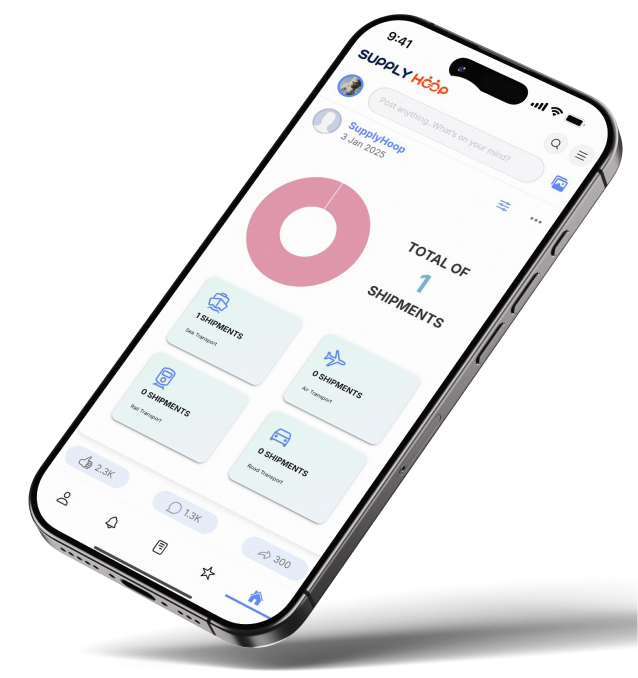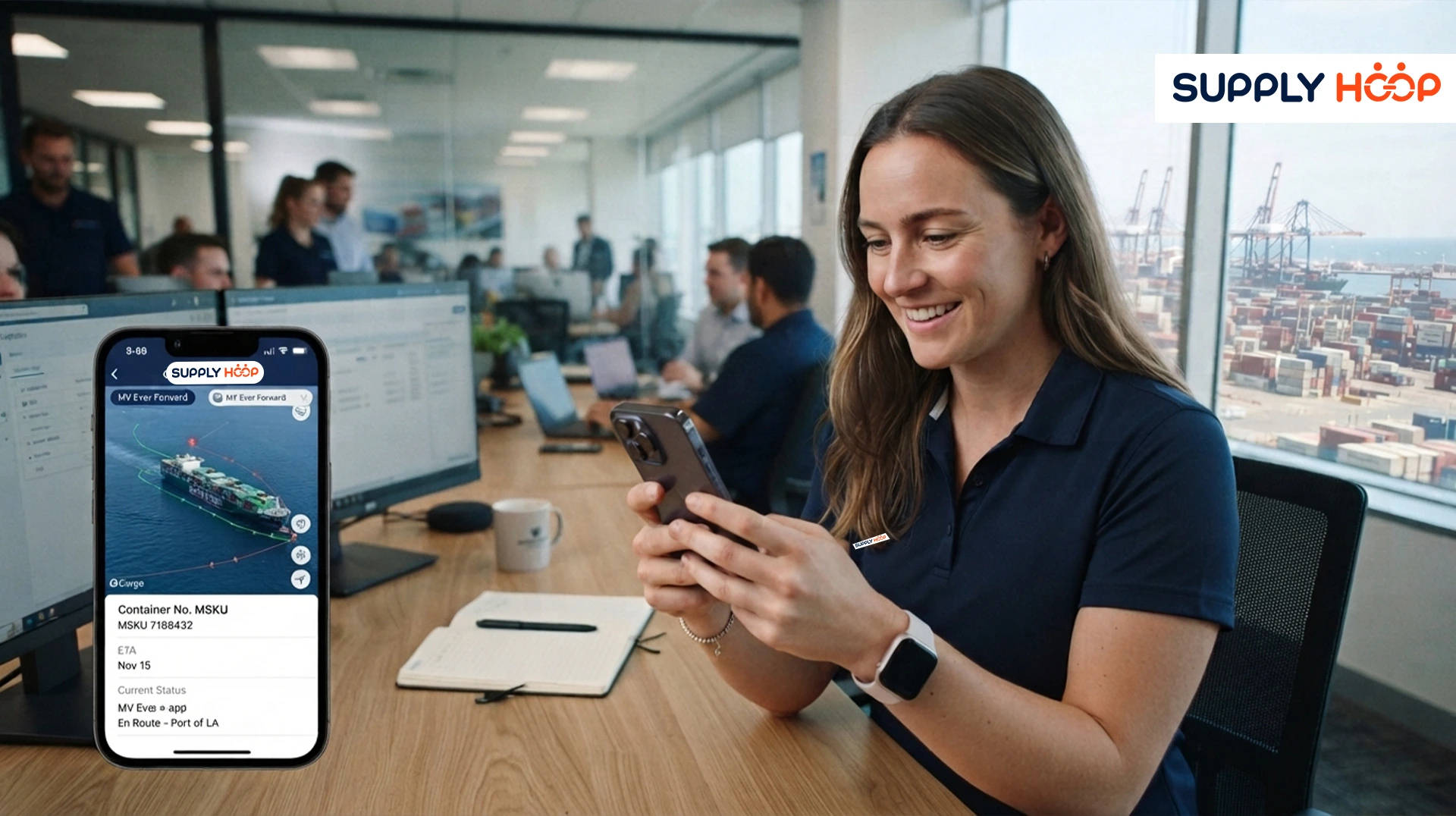
When ocean shipments move slowly, updates need to move fast.
Sea freight is one of the most important parts of global trade, but it is also one of the hardest to manage with confidence. A container may spend weeks moving across oceans, passing through origin ports, transshipment hubs, destination terminals, customs clearance, inland transport, and final delivery points. During that journey, many things can change.
A vessel may be delayed. A container may miss a connection. A port may become congested. Customs may request additional documents. A shipment that looked on schedule yesterday may suddenly need urgent attention today.
For freight forwarders and logistics professionals, the challenge is not only moving cargo across long distances. The real challenge is knowing what is happening at every stage, without waiting for multiple emails, carrier portals, or manual updates.
That is why mobile sea freight tracking has become a practical requirement for modern logistics teams. It brings shipment visibility directly to the people who need it, wherever they are.
Why Sea Freight Visibility is More Important than Ever?
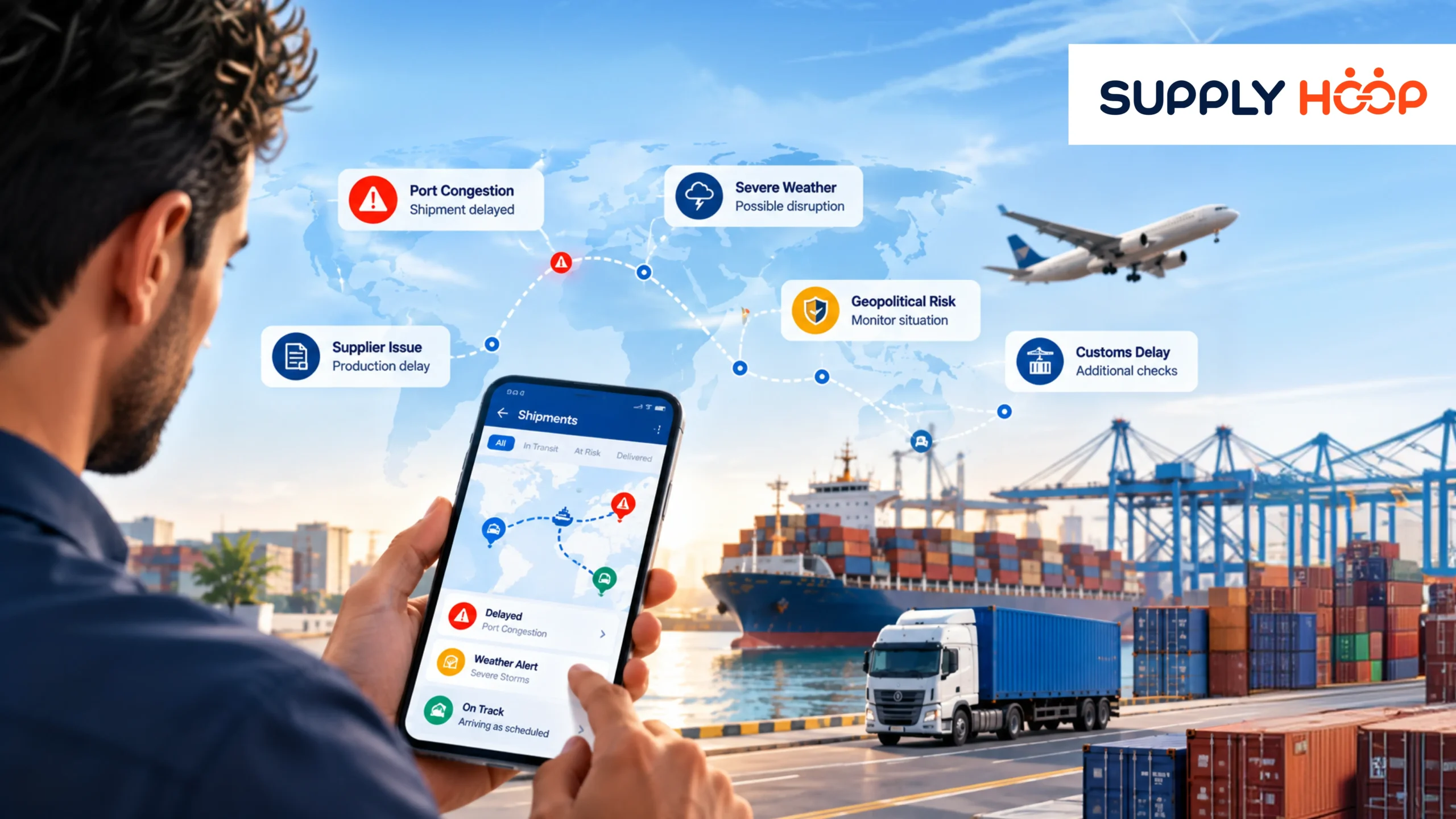
Ocean freight has always involved long timelines, but today’s environment makes those timelines harder to predict. Port congestion, blank sailings, regulatory pressures, weather disruptions, container shortages, and changing customs requirements can all affect the movement of sea freight.
When visibility is limited, teams cannot plan properly. Warehouses may prepare labor too early. Customers may receive outdated ETAs. Procurement teams may assume inventory is arriving on time when it is not. Finance teams may face unexpected demurrage or detention charges because container status was not monitored closely.
Real-time visibility helps reduce these risks by giving teams a clear view of where shipments are, what milestones have been completed, and what actions may be required next.
The Problem with Traditional Sea Freight Tracking
Many logistics teams still track sea freight through shipping line websites, spreadsheets, email updates, and manual follow-ups. While these methods may provide information, they are often slow and fragmented.
The problem becomes bigger when a company works with multiple carriers, forwarders, ports, and agents. Each system may show data differently. One carrier may update milestones quickly, while another may delay updates. Customer service teams may need to check several places before answering a simple question.
This creates unnecessary pressure across operations. Instead of managing shipments, teams spend time searching for information.
A mobile app solves this by bringing sea freight updates into one connected view, making shipment information easier to access and act on.
What a Mobile Sea Freight Tracking App should Show?
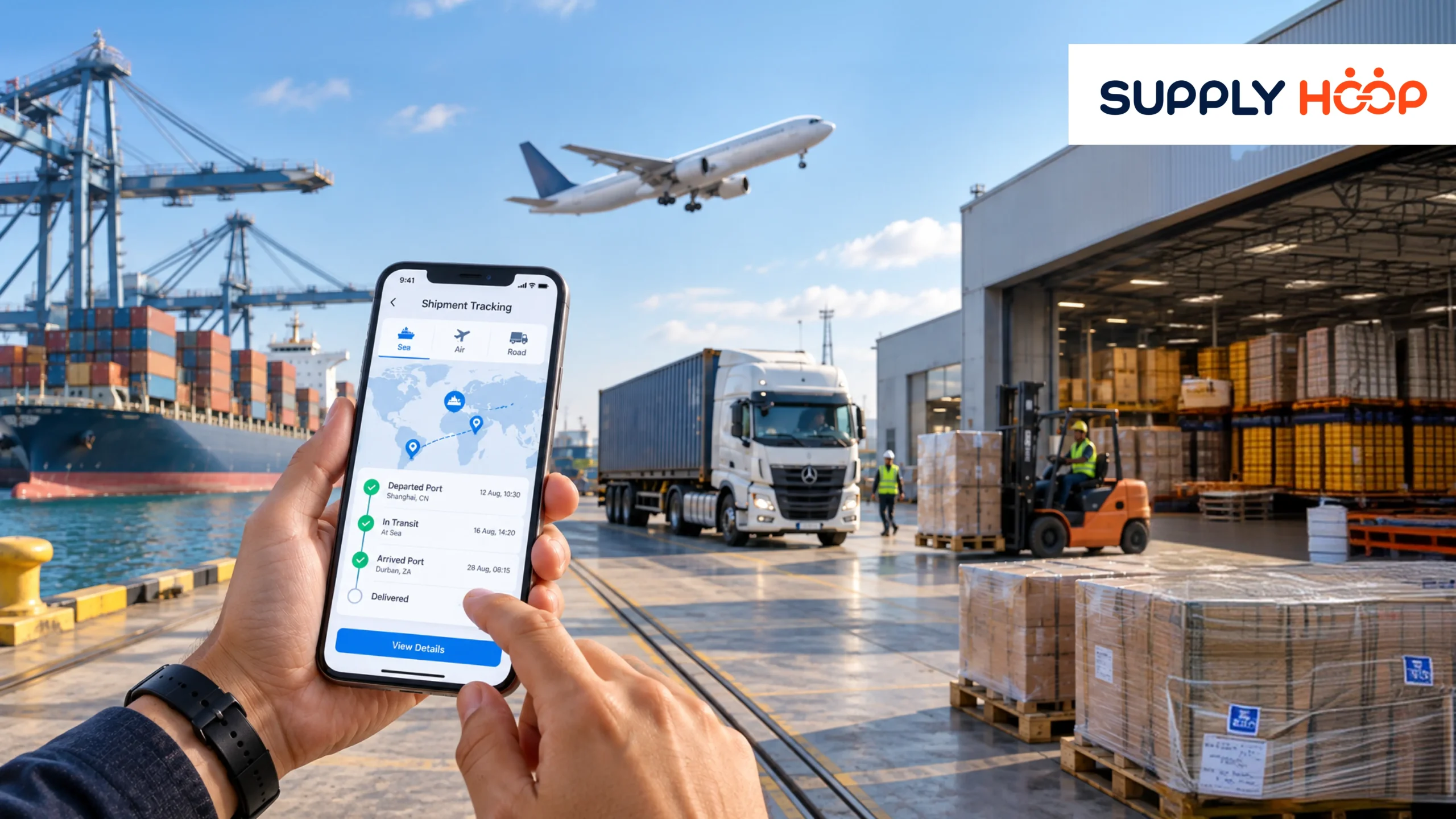
A useful mobile tracking app should not only show that a shipment is “in transit.” It should provide milestone-level visibility across the full ocean freight journey.
Important sea freight milestones include:
- Booking confirmed
- Container picked up
- Container gated in
- Vessel departed
- Transshipment completed
- Vessel arrived
- Customs clearance started
- Cargo released
- Container out for delivery
- Proof of delivery completed
When these milestones are visible in real time, teams can understand exactly where the shipment stands. This helps them plan better, communicate faster, and reduce the risk of missed delivery commitments.
Tracking ETA, ETD, ATA, and ATD from a Mobile App
Sea freight visibility depends heavily on accurate timing information. Logistics teams need to know the planned and actual movement of shipments at every major stage.
A mobile app helps teams monitor ETA, ETD, ATA, and ATD without switching systems.
- ETA shows when the shipment is expected to arrive.
- ETD shows when the shipment is expected to depart.
- ATA confirms when the shipment actually arrived.
- ATD confirms when the shipment actually departed.
These details help teams compare planned timelines against real movement. When the ETA changes, operations can adjust delivery schedules. When ATA is confirmed, warehouse teams can prepare for receiving activity. When ATD is updated, customers can receive accurate departure confirmation.
How Mobile Tracking Helps Reduce Demurrage and Detention Risk?
Demurrage and detention charges are among the most frustrating costs in sea freight. Many of these charges happen because teams miss critical timing updates.
A container may be available at the terminal, but no one acts quickly enough. Customs clearance may be delayed because documents are pending. The truck may not be scheduled on time. The empty container may not be returned within the free time.
Mobile tracking helps reduce this risk by giving teams earlier visibility into key events such as container availability, customs release, delivery status, and free-time exposure.
With the right alerts, teams can act before charges begin rather than after invoices arrive.
AI-Powered Sea Freight Insights Through Supply GPT
Sea freight generates a large amount of operational data. But data alone does not solve problems. Teams need answers that help them decide what to do next.
This is where Supply GPT can support sea freight visibility through the mobile app. Instead of searching through dashboards, users can ask questions in plain language and receive instant answers based on live shipment data.
For example, teams can ask:
- Which ocean shipments are delayed today?
- What containers are arriving this week?
- Which shipments are waiting for customs clearance?
- Are any containers at risk of demurrage or detention?
Supply GPT helps teams focus on the shipments that need attention first. This reduces manual checking and improves response time.
Real-Time Alerts Help Teams Act Earlier
In sea freight, delays often create a chain reaction. A late vessel arrival can affect port handling, customs clearance, warehouse scheduling, inland transport, and customer delivery.
A mobile app with real-time alerts allows teams to respond before the problem grows. Alerts can notify users when there is an ETA change, missed milestone, customs hold, container availability update, or free-time risk.
This means teams do not need to keep checking every shipment manually. The system highlights what matters, allowing operations to focus on action.
Better Customer Communication with Live Ocean Freight Updates
Customers expect clear and timely updates on their shipments. When customer service teams do not have live data, every update becomes a manual chase.
Mobile sea freight tracking helps customer-facing teams answer questions quickly and confidently. They can provide accurate updates on vessel status, port arrival, customs clearance, container release, and final delivery timelines.
This improves customer trust because communication becomes proactive rather than reactive. Even when delays happen, customers are more likely to stay confident when they receive timely and honest information.
WhatsApp Integration for Faster Shipment Updates
Many logistics teams already use WhatsApp for daily shipment communication. When WhatsApp is connected to the mobile tracking workflow, updates can move faster and with better consistency.
Shipment milestones, ETA changes, customs release updates, and delivery notifications can be shared automatically through WhatsApp. This reduces repeated follow-up messages and helps customers stay informed without waiting for manual responses.
The value is not just faster communication. It is communication that stays aligned with live shipment data.
Integration with CargoWise and Other Existing Systems
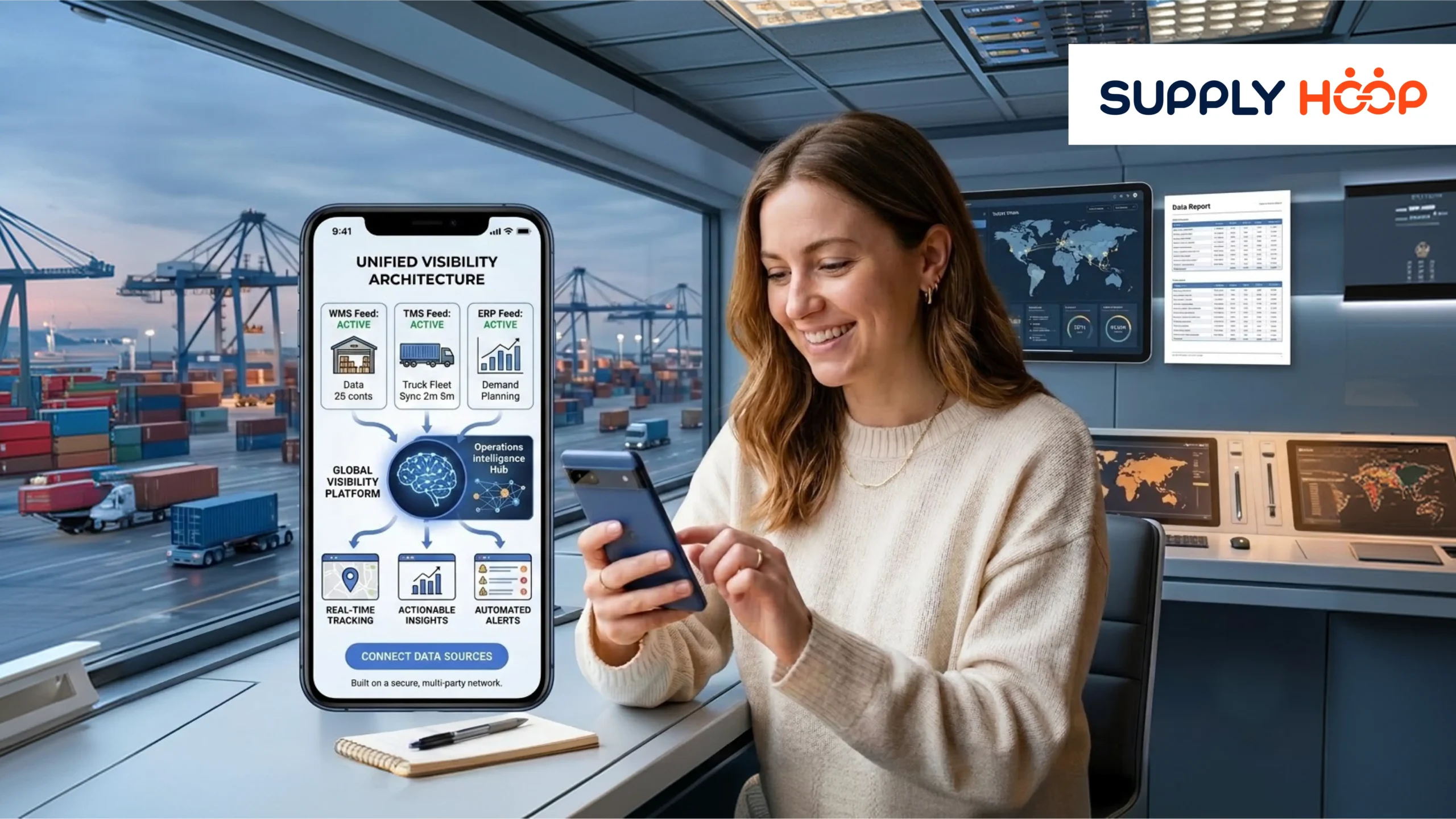
A strong sea freight tracking app should not force teams to replace the platforms they already use. Instead, it should integrate with systems such as CargoWise, ERP platforms, TMS solutions, carrier APIs, customs systems, and other third-party data sources.
This integration allows shipment data to flow automatically into the mobile app. Teams get one simple visibility layer while continuing to use their existing operational systems.
The result is better visibility without duplicate data entry or disconnected workflows.
Why Mobile Sea Freight Tracking Matters for the Entire Business?
Sea freight visibility does not help only the operations team. It supports the entire business.
Procurement teams can plan inventory arrivals more accurately. Warehouse teams can prepare labor and space based on real arrival timelines. Finance teams can reduce unexpected charges and improve billing planning. Customer service teams can respond faster. Management teams can monitor performance with better confidence.
When ocean freight data becomes accessible through a mobile app, the whole organization benefits.
Conclusion: Sea Freight Tracking should Be Clear, Connected, and Mobile
Sea freight may involve long transit times, but decisions still need to happen quickly. Delays, port congestion, customs holds, and container availability changes can all affect cost and service performance.
A mobile sea freight tracking app gives logistics teams real-time visibility into ocean shipments, milestone updates, ETA changes, customs status, exception alerts, and delivery progress. With AI-powered support through Supply GPT, WhatsApp integration, and system connectivity, teams can act faster and communicate better.
When ocean shipment visibility is available from anywhere, logistics teams gain more control over delays, costs, and customer expectations.
Book a demo today and see how end-to-end supply chain visibility can help your team track sea freight shipments smarter through a mobile app.