In freight forwarding, delays happen. Weather changes. Ports get congested. Customs inspections take longer than planned. None of that is new. What has changed is how customers react when they don’t know what’s happening.
For logistics professionals, the biggest challenge today isn’t always moving cargo faster, it’s keeping customers informed clearly and consistently while cargo is moving. When updates are missing, late, or fragmented across emails and calls, customers lose confidence quickly. Operations teams then spend more time explaining than executing.
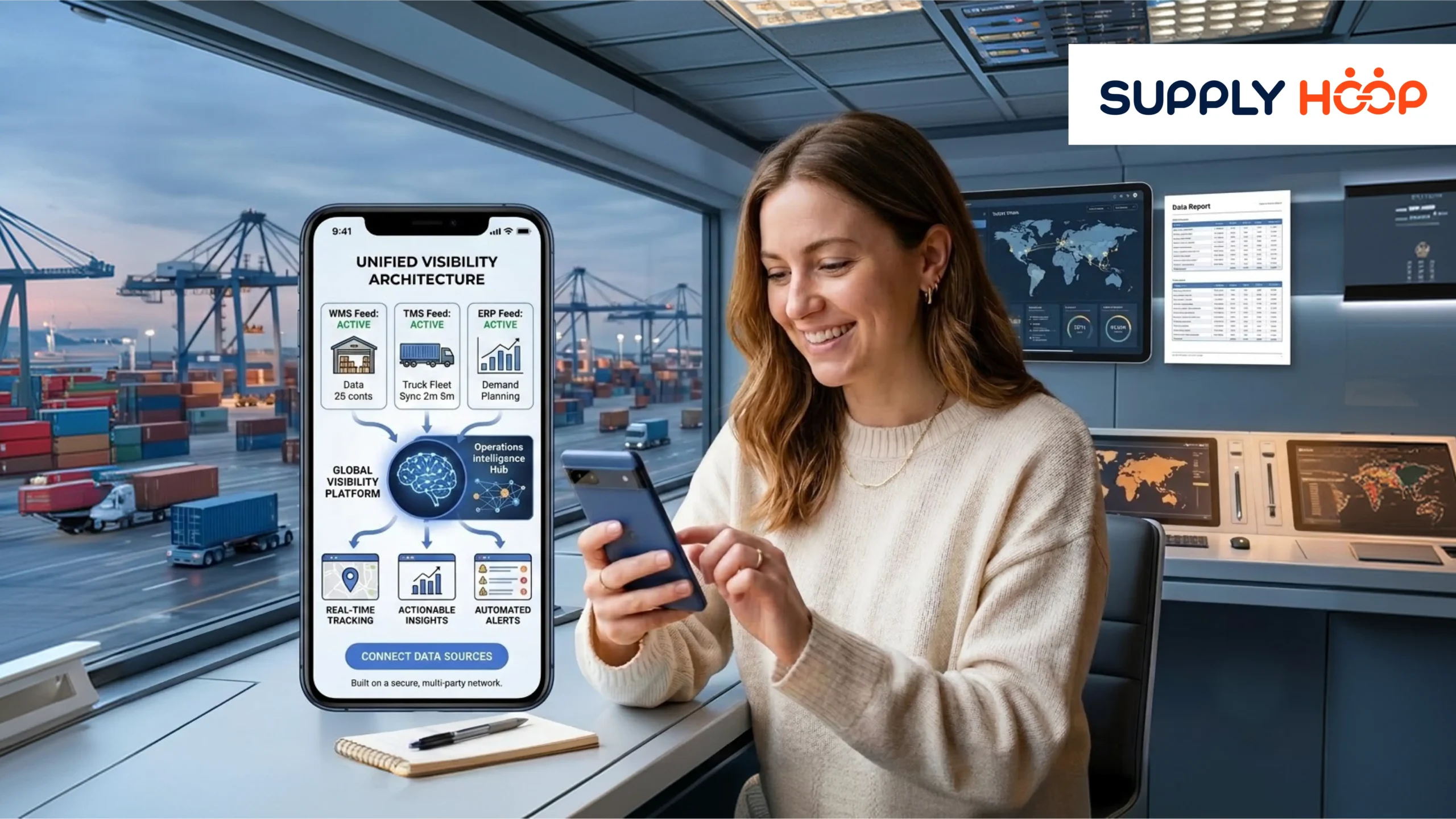
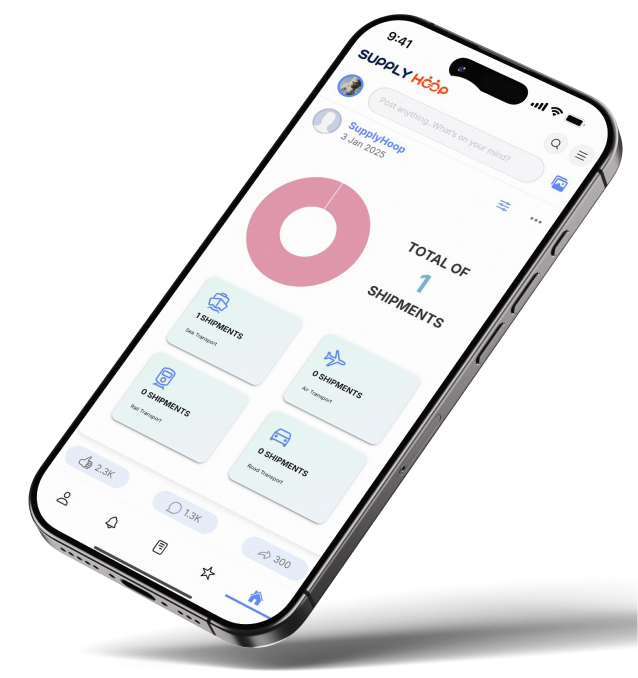
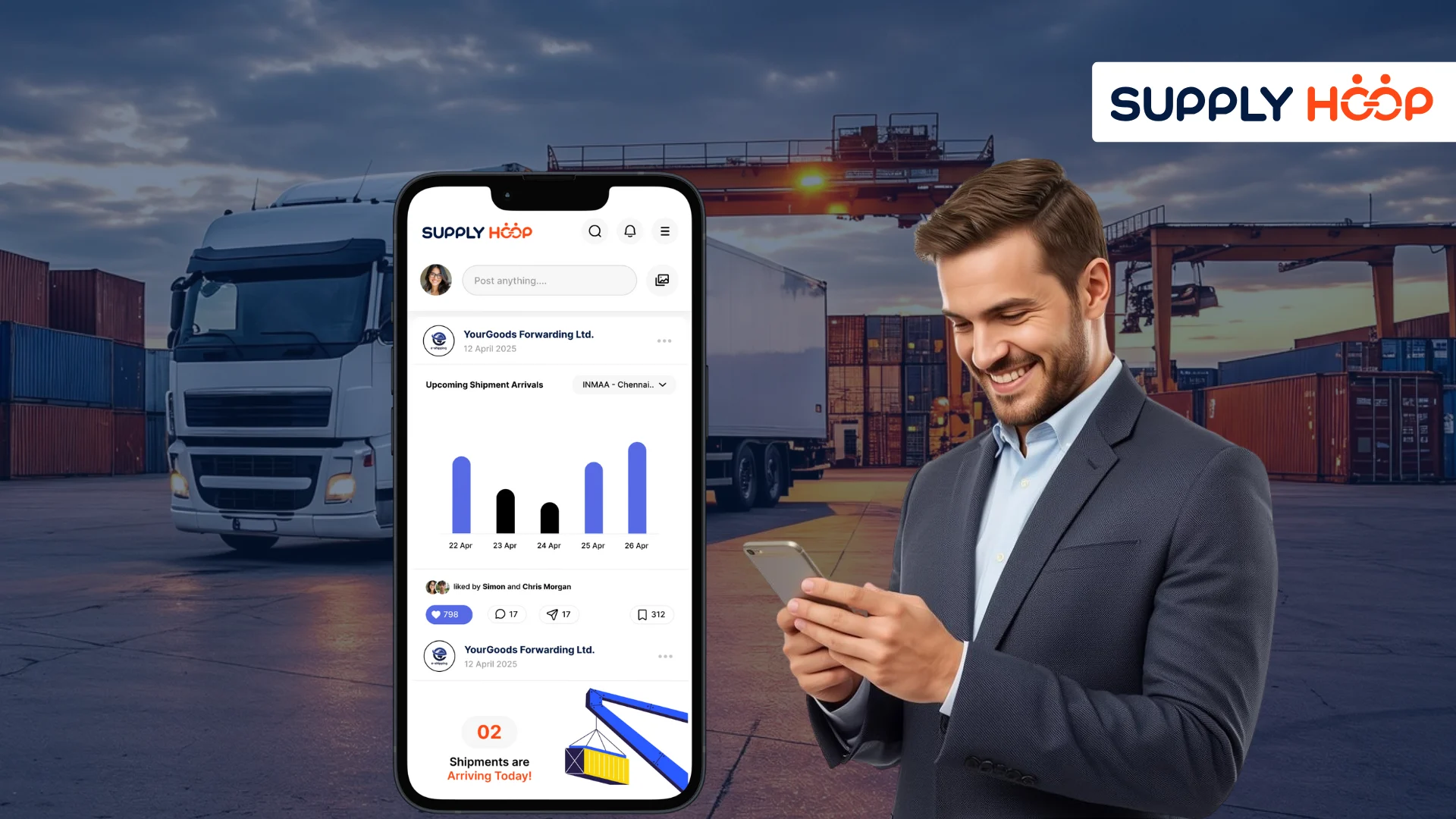
This shift in expectation is why real-time delivery updates, accessible through a mobile app, are no longer optional. They have become the baseline for how modern freight forwarding operations are judged.
Why Real-Time Tracking is Now Expected as Standard?
Customers don’t expect every shipment to arrive exactly on schedule. What they do expect is visibility. They want to know where the shipment is, what stage it’s in, and whether anything has changed since the last update.
Real-time tracking replaces assumptions with facts. It removes uncertainty and gives customers the ability to plan their own operations with confidence. In today’s logistics environment, where disruptions are common, visibility matters more than perfection.
For freight forwarders, offering real-time tracking is no longer about differentiation. It’s about staying relevant.
What Customers Actually Want from Delivery Updates?
Clear Shipment Status, Not Just a Location
Customers don’t benefit from seeing a dot on a map with no context. They want meaningful status updates that explain what’s happening.
They expect visibility into:
- Whether the shipment has departed, is in transit, has arrived, or is delayed
- Whether customs clearance is pending or completed
- Whether cargo is ready for delivery or awaiting action
This level of clarity helps customers align their warehouse teams, transport planning, and downstream commitments.
Accurate ETAs that Change When Reality Changes
Static ETAs cause more problems than they solve. Once conditions shift, vessel delays, port congestion, and trucking issues, customers expect ETAs to update automatically.
When ETAs are visible in real time through a mobile app, customers can:
- Adjust labor schedules
- Rebook warehouse slots
- Reschedule onward transport
- Inform internal teams early
Even a revised ETA builds trust when it’s shared promptly.
Instant Alerts for Delays and Exceptions
Customers don’t want to discover delays on delivery day. They expect to know as soon as something goes off plan.
Real-time alerts help notify customers about:
- Vessel delays
- Missed cut-offs
- Customs holds
- Documentation issues
- Transport rescheduling
These updates allow customers to react early instead of scrambling late.
Why Mobile Access has Become Non-Negotiable?
Logistics doesn’t operate from a desk anymore. Freight forwarders, operations managers, and customer service teams are constantly moving between ports, warehouses, meetings, and transport coordination.
Customers expect delivery updates to be:
- Available anytime
- Accessible anywhere
- Easy to understand
- Updated instantly
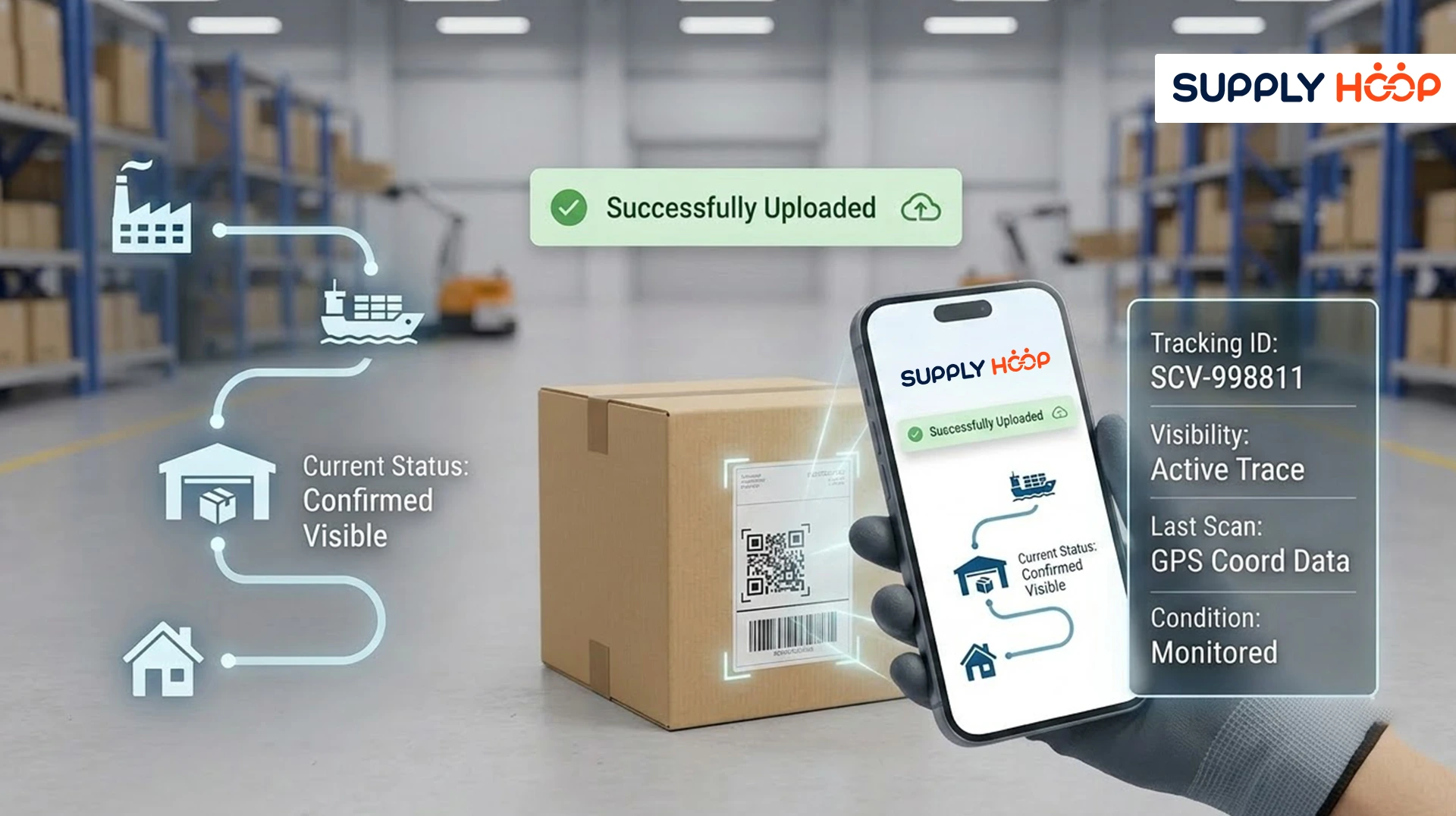
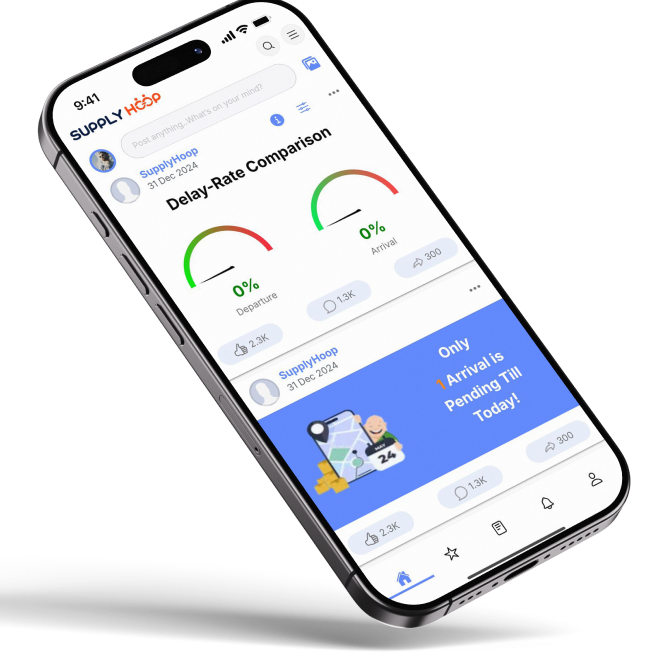
Mobile apps meet this expectation by putting real-time shipment data directly in hand, without requiring emails, spreadsheets, or system logins.
How Mobile-Based Tracking Reduces Daily Operational Noise?
One of the hidden costs in freight forwarding is constant follow-ups. Calls asking for status. Emails asking for ETAs. Messages checking document readiness.
When customers have mobile access to real-time delivery updates:
- Status-check emails drop significantly
- Operations teams regain focus
- Customer service workload decreases
- Conversations become more strategic
The Role of Context in Delivery Updates
Customers don’t just want updates, they want understanding. A delay without explanation creates frustration. A delay with context creates alignment.
Effective real-time delivery updates include:
- What caused the delay
- What’s happening next
- When will the next update come
Mobile platforms that combine tracking with contextual information prevent unnecessary escalation and build confidence, even when things don’t go exactly as planned.
Trust is Built When Customers See the Same Reality
One of the fastest ways to lose customer trust is when different teams provide different answers. When visibility is fragmented, credibility suffers.
When customers see:
- The same shipment data as the operations team
- The same ETA updates in real time
- The same document status and milestones
Trust improves naturally. Transparency becomes part of the service, not an exception.
Real-Time Tracking Supports Better Planning Downstream
Delivery visibility doesn’t stop at arrival. Customers rely on accurate updates to plan:
- Warehouse unloading schedules
- Inventory availability
- Distribution timing
- Workforce allocation
When real-time tracking is accessible on mobile, customers stop planning based on estimates and start planning based on facts.
The Cost of Poor Visibility for Freight Forwarders
When delivery updates are delayed or inconsistent, the impact goes beyond customer dissatisfaction.
Poor visibility leads to:
- Higher support workload
- More disputes and escalations
- Repeated follow-ups
- Reduced customer confidence
- Missed opportunities for long-term partnerships
In competitive freight markets, visibility is often what separates reliable partners from replaceable ones.
Real-Time Delivery Updates as a Service Differentiator
Freight forwarding has become increasingly competitive. Rates fluctuate, capacity tightens, and margins remain under pressure.
What customers remember most is not just price, but experience.
Providing real-time delivery updates through a mobile app signals:
- Operational maturity
- Strong internal coordination
- Customer-first thinking
- Readiness for scale
It turns logistics execution into a transparent, collaborative process.
Where Delivery Visibility is Headed Next?
Real-time tracking is evolving beyond basic updates. Forward-looking logistics teams are moving toward:
- Predictive delay alerts
- AI-driven ETA confidence levels
- Integrated document and delivery visibility
- Performance insights tied to shipments
And all of this is being delivered through mobile-first platforms designed for real-world operations.
Conclusion
For freight forwarders and logistics professionals, real-time delivery updates are no longer an added feature, they are the foundation of trust. Customers expect clarity, speed of information, and transparency throughout the shipment lifecycle.
When delivery updates are accessible through a mobile app, visibility becomes continuous, communication improves, and operations run with fewer surprises.
Want to achieve end-to-end supply chain visibility and deliver real-time delivery updates to your customers? Book a demo now.