Seeing Every Move in the Supply Chain
Ask any logistics professional where does the biggest challenge lies, and the answer often isn’t equipment, routes, or manpower, it’s visibility. Knowing what’s happening across the supply chain in real time has become the new competitive advantage. Yet many companies still struggle to connect the dots between suppliers, carriers, warehouses, and customers.
That’s where supply chain visibility software comes into play. It bridges those gaps by bringing every piece of operational data, shipments, orders, inventory, and supplier updates, into one connected view. From the moment raw materials are sourced to the time the final product reaches your customer, visibility software keeps you informed, proactive, and in control.
Understanding What Supply Chain Visibility Software Really Does
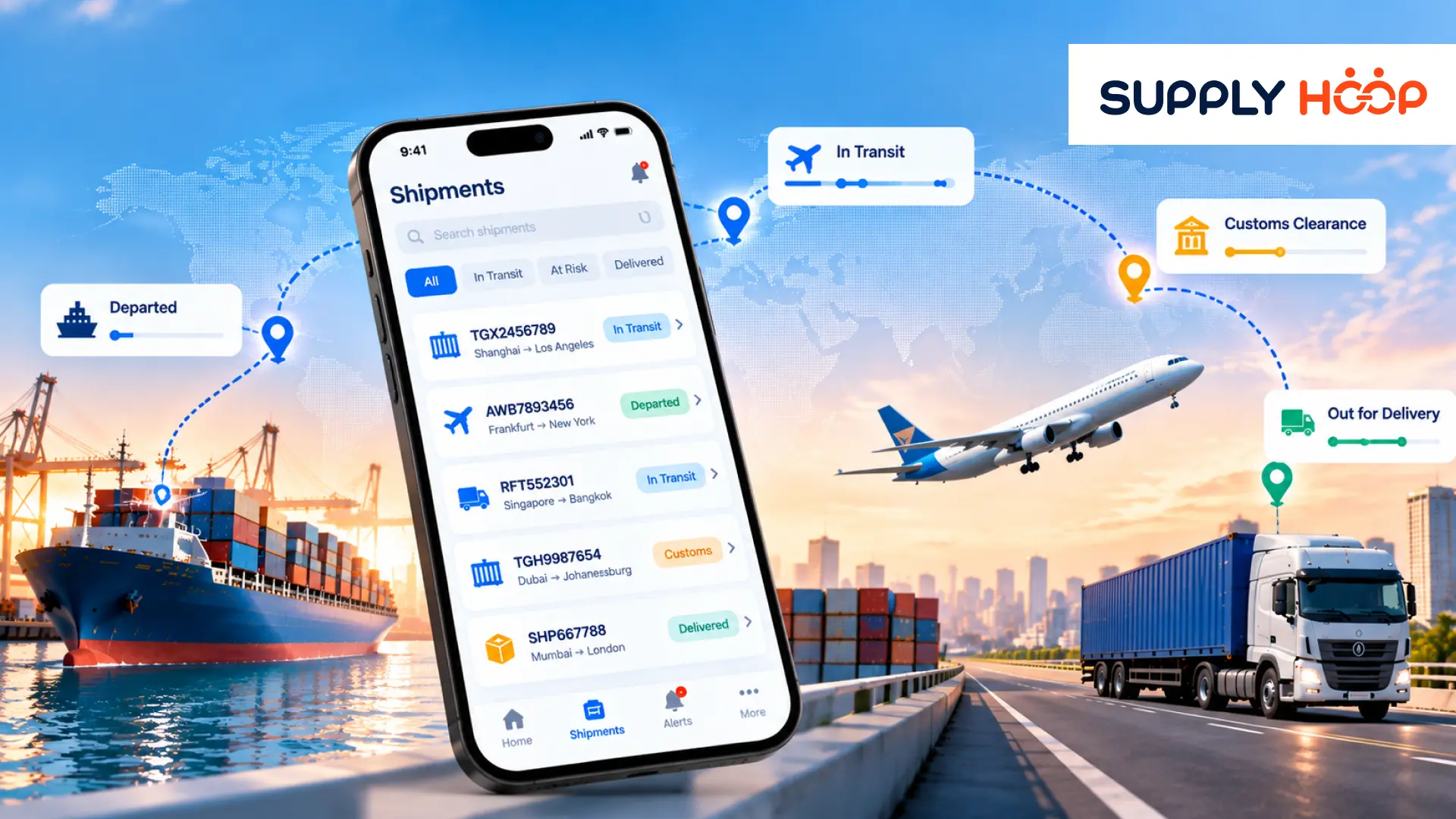
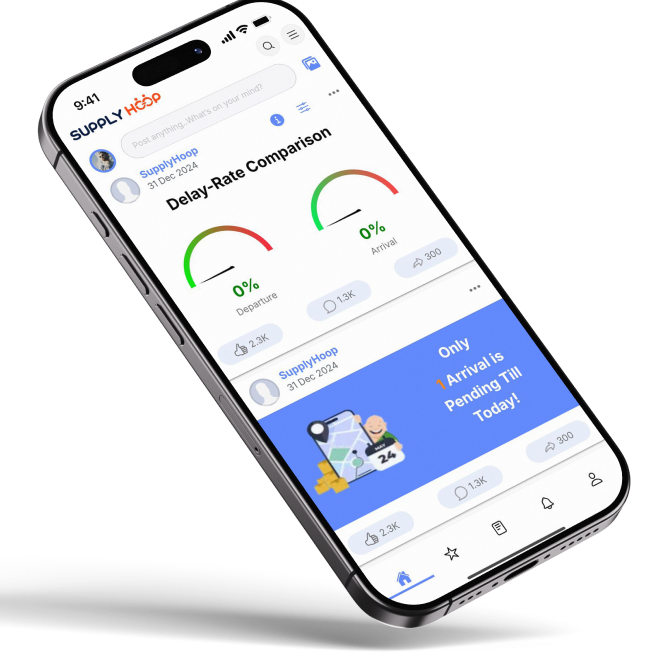
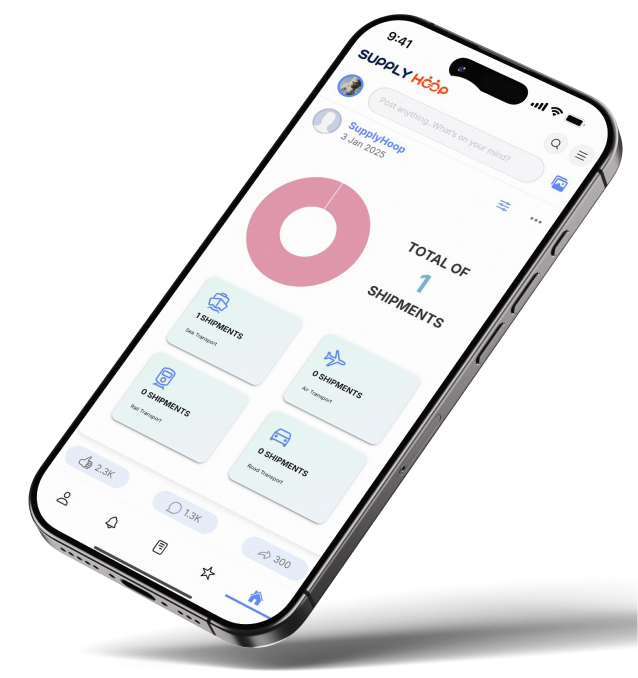
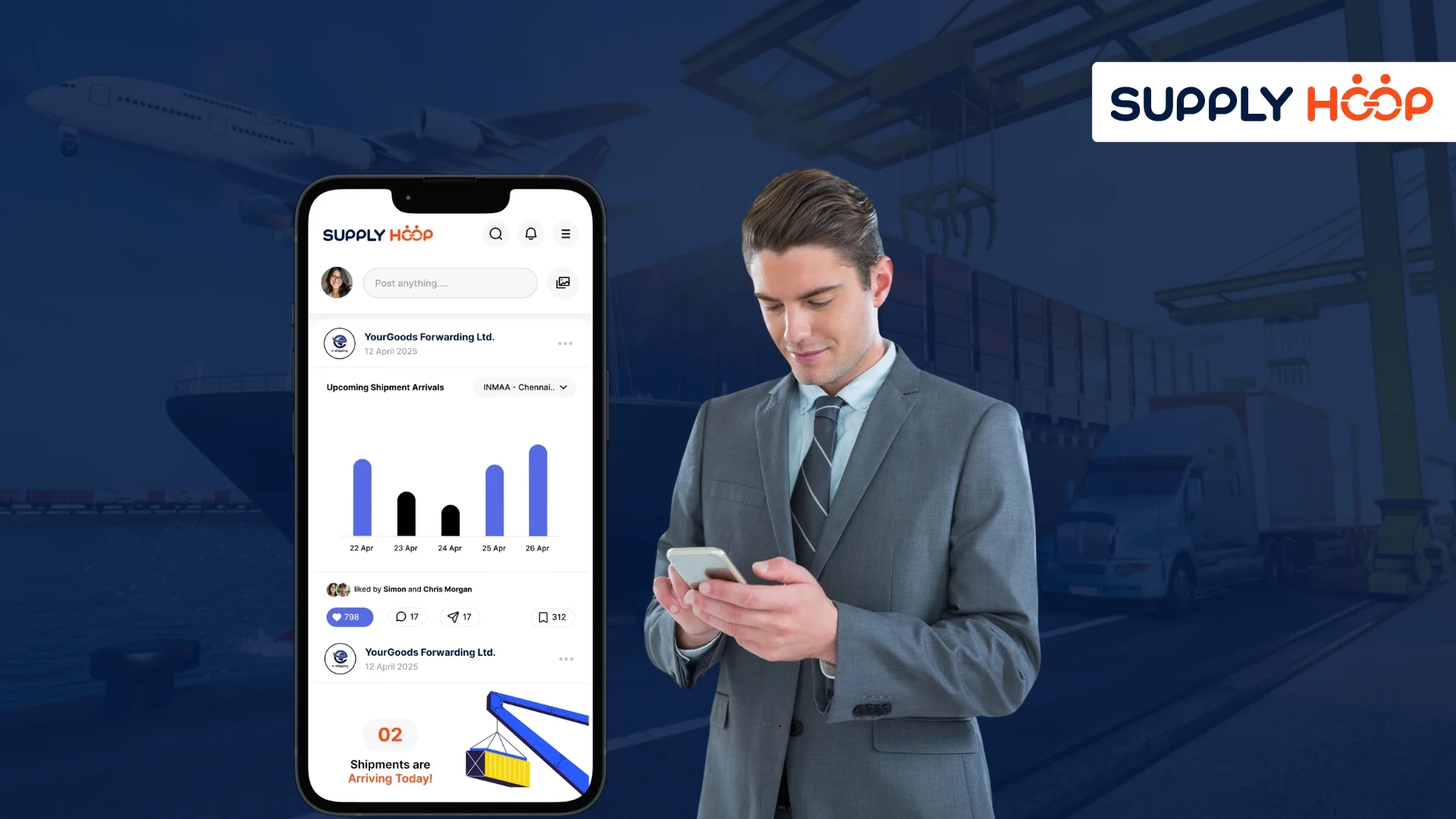
The supply chain visibility software is a technology platform that tracks, analyzes, and shares real-time logistics information across all partners in the network. It connects data from multiple systems, such as your ERP (Enterprise Resource Planning), TMS (Transportation Management System), WMS (Warehouse Management System), and carrier APIs, into one cohesive dashboard. And the best part is that everything can be seen in real-time through a specifically designed mobile application.
This unified approach means no more switching between systems or digging through spreadsheets to find updates. Every milestone, like departure, arrival, customs clearance, or proof of delivery, appears in one place, allowing teams to make quicker, more informed decisions.
The software typically includes capabilities such as:
- Real-time shipment and inventory tracking across air, ocean, rail, and road.
- Predictive analytics to forecast potential delays or disruptions.
- Automated alerts for exceptions, stockouts, or compliance issues.
- Integration with internal and external logistics systems.
- Performance analysis for carriers, suppliers, and partners.
In short, it transforms scattered data into a single, transparent window through which you can view your entire supply chain.
Why Visibility is Still a Challenge for Many Businesses?
Despite having access to advanced tools, many logistics operations still face blind spots. The reason isn’t a lack of technology, it’s a lack of integration. Most companies run multiple systems that don’t talk to each other, creating information silos and lagging updates.
For example, your transportation team may know when a container left port, but your finance team might not get that update until hours later. Your warehouse may receive goods early, but your supplier portal still shows them as “in transit.” These disconnects lead to miscommunication, lost time, and higher operational costs.
Supply chain visibility software addresses this challenge by syncing every participant, including suppliers, freight forwarders, warehouses, customs brokers, and customers, onto a shared, real-time platform. This not only reduces confusion but also builds accountability across all stages of the supply chain.
Real-Time Tracking That Keeps Freight in Motion
One of the most immediate benefits of visibility software is real-time shipment tracking. Instead of relying on manual updates or emails from carriers, the software continuously pulls live data from GPS, sensors, and carrier networks.
This gives logistics teams full clarity over:
- Shipment location and status in real time.
- Actual ETD (Estimated Time of Departure), ETA (Estimated Time of Arrival), ATD (Actual Time of Departure), and ATA (Actual Time of Arrival).
- Potential route deviations or delays before they escalate.
- Delivery confirmations, including proof of delivery (POD).
With this level of transparency, companies can take proactive measures, rerouting shipments, informing customers, or adjusting warehouse staffing, long before a delay turns into a disruption.
Smarter Inventory Control and Warehouse Synchronization
In logistics, poor visibility over inventory can be just as damaging as losing sight of shipments. Stockouts lead to missed orders, while excess inventory increases holding costs. Supply chain visibility software solves this by creating a direct connection between transportation and warehouse data.
When an inbound shipment is delayed, the warehouse system is updated automatically, allowing receiving teams to adjust schedules. When goods arrive early, the software alerts warehouse staff to prepare space in advance.
Additionally, advanced platforms use AI-driven forecasting models that predict future demand and stock requirements. By analyzing historical trends and current movement patterns, the system helps businesses balance supply and demand with greater accuracy, preventing costly overstocking or shortages.
Predictive Insights: Turning Data into Action
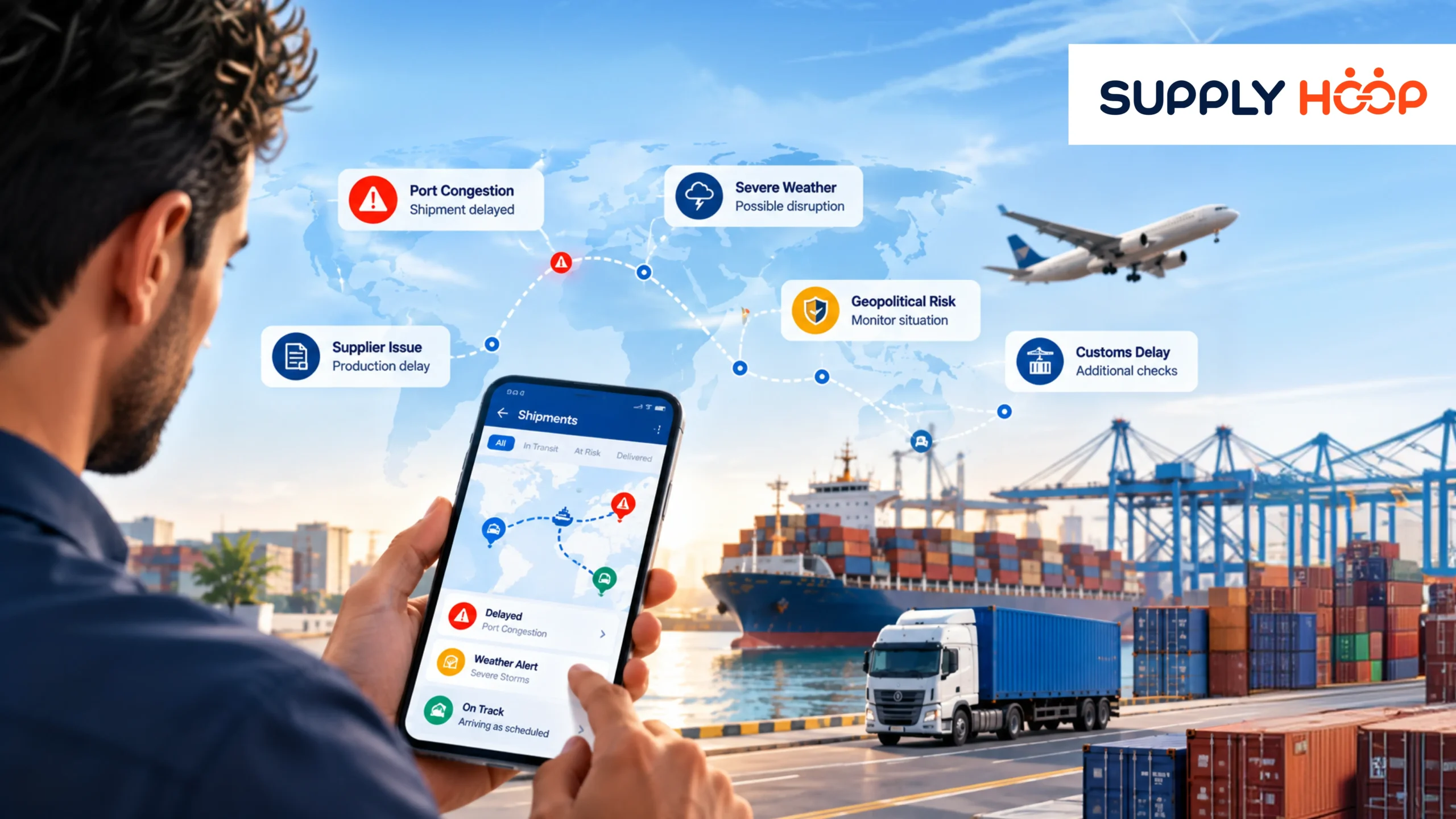
Modern visibility platforms go beyond tracking, they think ahead. Using predictive analytics, they analyze external factors like weather conditions, port congestion, labor strikes, or customs delays to forecast potential disruptions.
Instead of reacting to problems after they occur, logistics managers can make preventive decisions. For example, if a port delay is predicted, the system may recommend rerouting cargo to another terminal or adjusting customer delivery dates in advance.
This level of foresight transforms the supply chain from a reactive system into a proactive one, saving time, money, and customer trust.
Enabling Collaboration Across Stakeholders
No supply chain operates in isolation. A single shipment often involves multiple players, from suppliers and transporters to customs agents and end customers. Supply chain visibility software brings these players onto one shared platform, enabling real-time collaboration.
Each stakeholder can view the same information: shipment milestones, exception alerts, and delivery confirmations. This removes dependency on emails and manual reporting. The result is smoother coordination, fewer disputes, and faster resolution of operational issues.
Transparency also builds stronger relationships with partners. When everyone operates on a shared, trustworthy data layer, accountability naturally improves.
Improving Sustainability and Compliance
In addition to operational benefits, visibility software is also becoming a key driver for sustainability. Many organizations now track environmental metrics like carbon emissions, route efficiency, and packaging waste as part of their supply chain reporting.
With integrated sustainability dashboards, companies can:
- Identify high-emission routes and optimize transportation planning.
- Measure environmental performance across suppliers and carriers.
- Align with ESG and compliance standards required by clients and governments.
This not only helps businesses meet their sustainability targets but also demonstrates transparency, something modern customers and investors increasingly value.
Protecting Data Integrity and Security
Because visibility software connects multiple systems and external partners, security becomes critical. Reputable platforms use data encryption, role-based access control, and secure API connections to protect sensitive shipment and financial data.
Data reliability is equally important. Automated synchronization ensures every update is accurate and timely, eliminating the risks of manual errors or outdated records. This builds confidence across your network that the information being used to make decisions is always up to date.
Moving from Complexity to Clarity
Ultimately, supply chain visibility software is about simplifying complexity. It transforms a web of disconnected processes into a clear, synchronized ecosystem where decisions are data-driven, collaboration is effortless, and movement is predictable.
For companies managing global shipments or multi-tier supplier networks, this software is no longer optional, it’s essential. It helps ensure that every product, from raw material to final delivery, moves with accuracy, accountability, and speed.
Conclusion
Visibility isn’t just about watching shipments move, it’s about understanding what those movements mean for your operations, customers, and costs. By adopting supply chain visibility software, businesses gain the ability to anticipate problems, improve performance, and deliver consistently through a mobile application, even when the market around them changes overnight.
When every shipment is visible, every partner is connected, and every update is instant, you don’t just manage your supply chain, you master it.
Want to experience the power of End-to-End Supply Chain Visibility? Feel free to connect with us.