Walk into any distribution center, freight office, or port control room today, and you’ll see one common challenge: everyone is working hard, but not everyone has the right data at the right time.
A customer wants to know why their shipment is delayed.
A warehouse manager needs to reschedule labor because a container’s arrival time has changed.
A transport planner needs updated load instructions, but the email hasn’t arrived yet.
This is exactly where modern supply chains start to break down. The problem isn’t the effort or the people. The problem is the system.
Supply chains today move faster, operate globally, rely on multiple vendors, and shift direction based on real-time events. When information is outdated, slow, or inconsistent, everything else becomes harder: planning, communication, billing, compliance, customer service, everything.
This creates the urgent need for digitalization, not as a trend, but as a fundamental operational requirement.
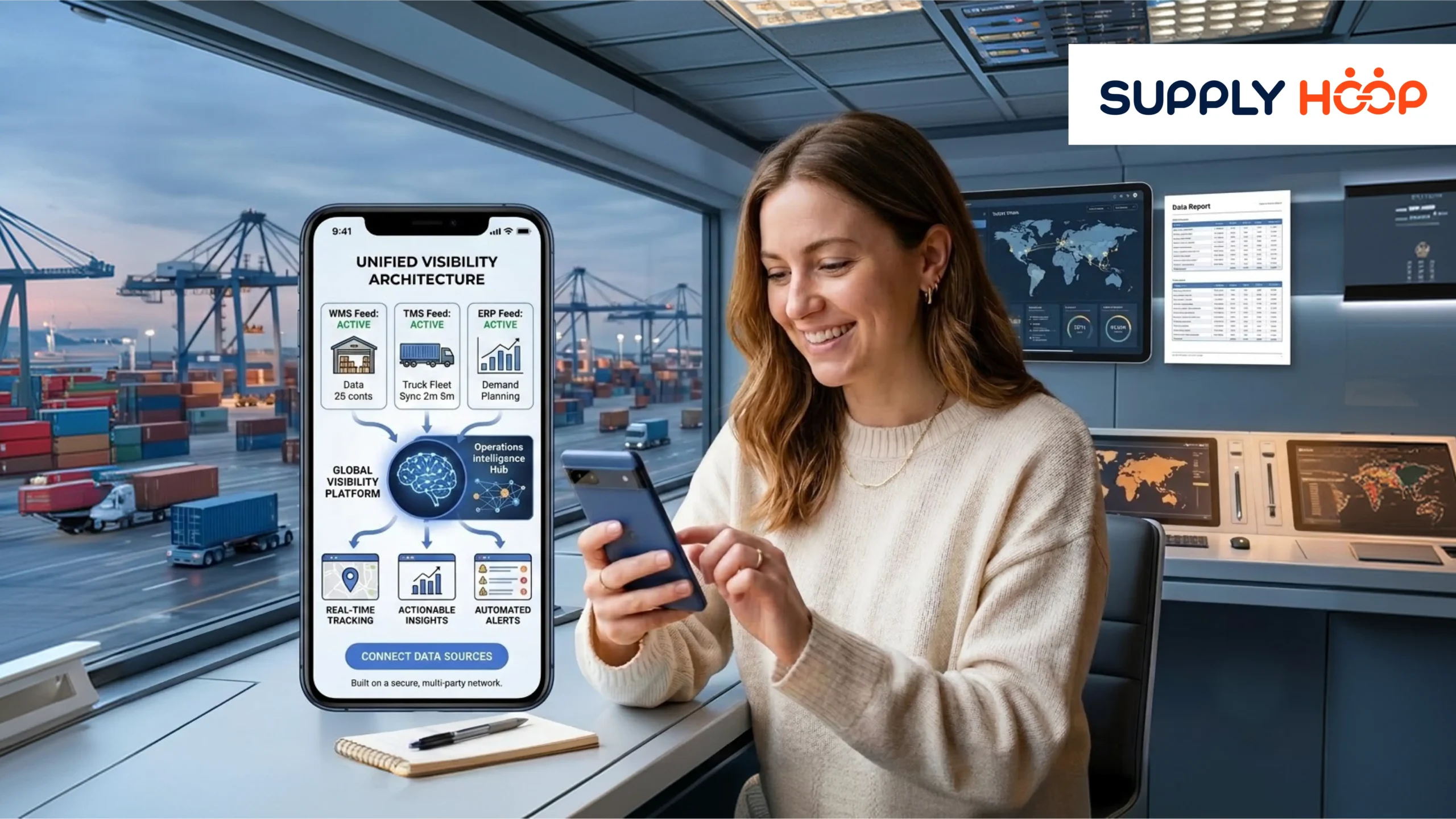
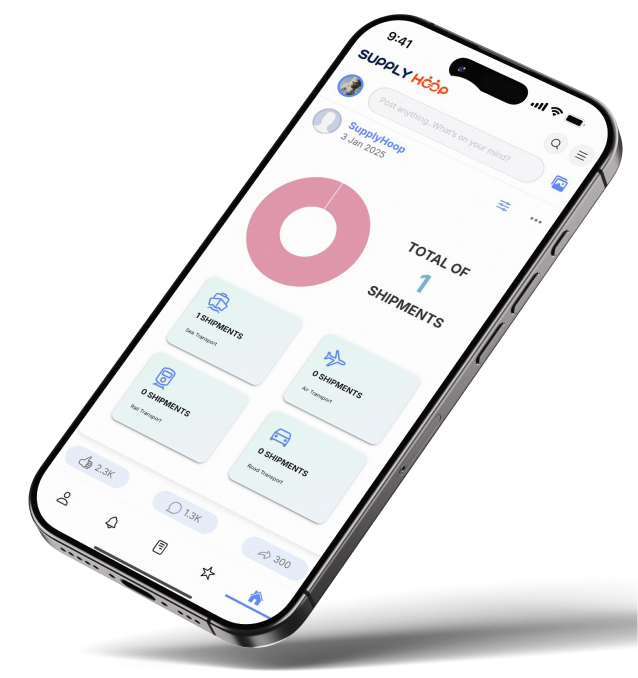
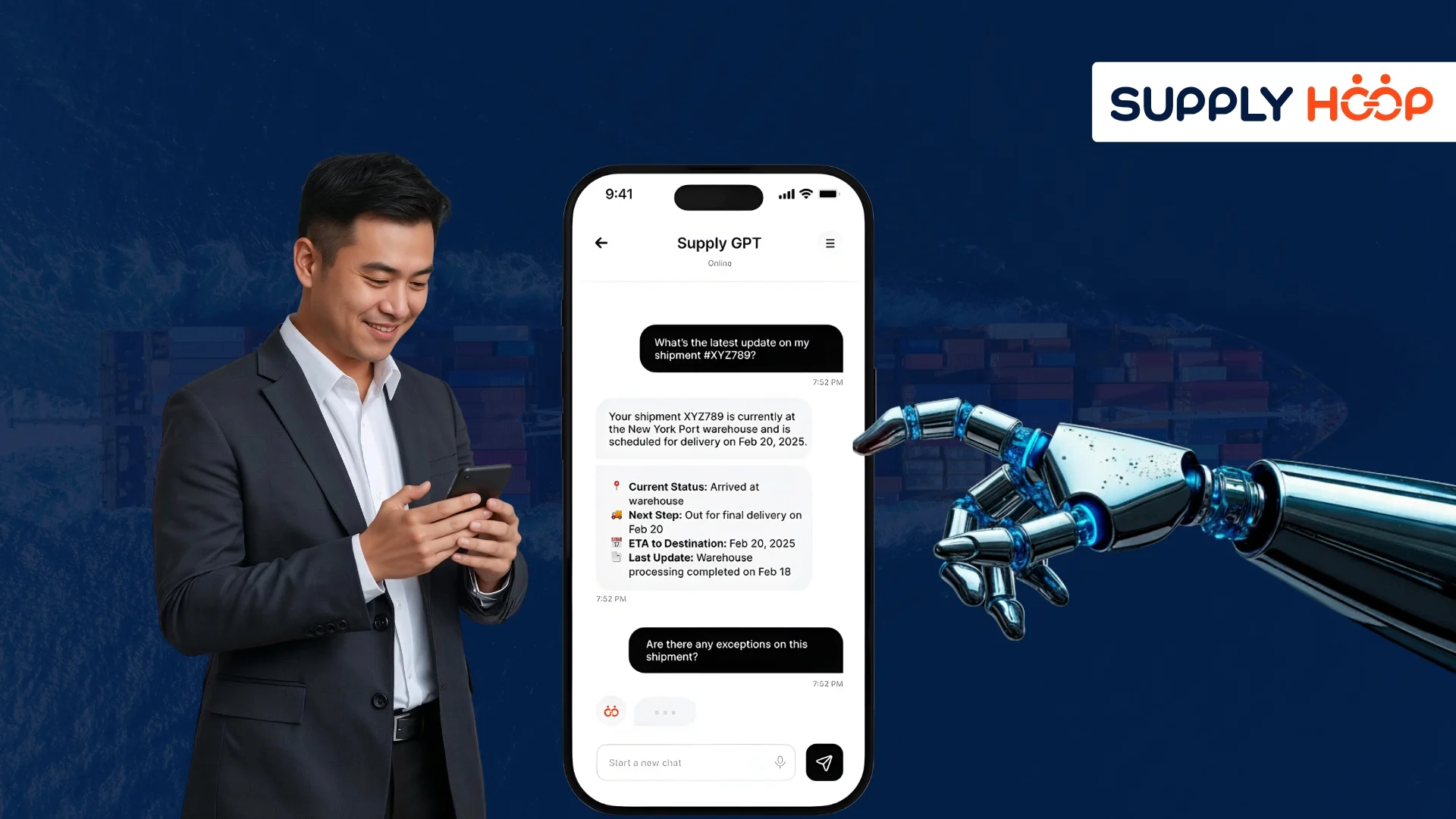
And now, AI supply chain visibility tool has stepped into the picture, improving the way supply chain data is used, interpreted, and acted upon, often directly through mobile applications, where logistics professionals spend most of their working day.
Why Digitalization is No Longer Optional in Supply Chains?
Digitalization is not about replacing humans, it’s about supporting them with reliable, connected tools that eliminate repetitive tasks, reduce errors, and surface insights instantly.
Here’s why supply chains need digital transformation right now:
1. The volume of data has exploded
Multiple carriers, SKUs, ports, suppliers, and transport modes generate massive amounts of data every minute. Managing this manually is impossible.
2. Customer expectations are higher
Shippers and buyers expect real-time updates, accurate ETAs, digital documentation, and transparent communication.
3. Disruptions are more frequent
Weather issues, strikes, regulatory changes, capacity shortages, and geopolitical events can change a shipment’s path in minutes.
4. Manual processes create delays
From retyping data into spreadsheets to waiting for email confirmations, manual workflows slow down the entire chain.
Digitalization replaces these friction points with speed, accuracy, and reliability.
The Change: From Data Collection to Data Intelligence
For years, companies focused on collecting data, scans, timestamps, documents, schedules, rates, inventory counts, and shipment updates. But collecting data isn’t the challenge anymore.
The real challenge is understanding it. That’s where AI is transforming everything.
AI-driven shipment insights don’t just process information; they interpret it, offering insights that humans simply don’t have time to discover manually.
- Predicting shipment delays based on historical patterns
- Identifying obstacles in warehouse processes
- Suggesting optimal routes or carriers
- Matching invoices with shipments to reduce billing errors
- Flagging anomalies (e.g., temperature fluctuations in reefer cargo)
- Forecasting inventory needs based on demand behavior
This intelligence allows supply chain teams to react earlier, plan smarter, and communicate better.
How AI is Changing the Way Supply Chain Teams Work?
AI isn’t replacing logistics professionals, it’s expanding their capabilities. Here’s how:
AI Automates Routine Tasks
Instead of manually checking shipment milestones, AI notifies teams automatically when something changes. Instead of searching through emails for a document, AI retrieves it instantly.
AI Improves Accuracy
Whether it’s ETA predictions, demand forecasting, or invoice validation, AI eliminates the guesswork and reduces human error.
AI Supports Mobile-First Logistics
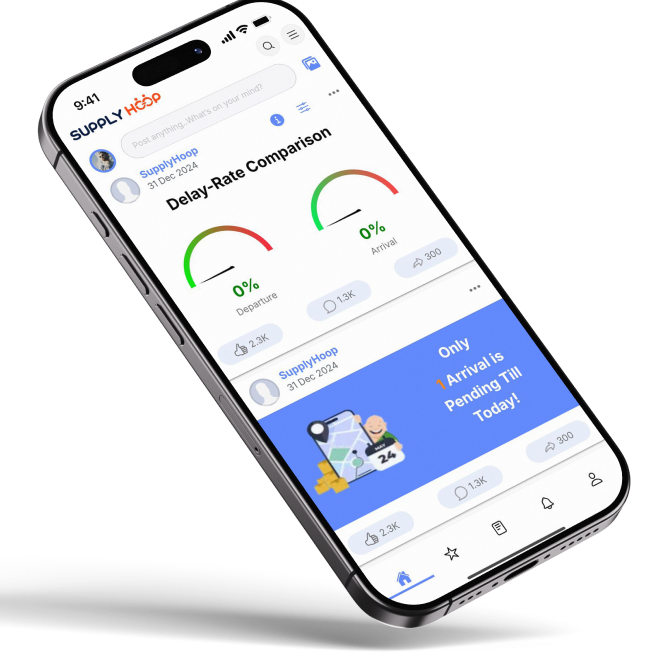
In today’s operations, managers and coordinators are rarely at their desks. Through mobile apps, AI provides:
- Live shipment visibility
- Instant ETA updates
- Exception alerts
- Inventory updates
- Automated insights and recommendations
This mobility allows decisions to be made on the move rather than waiting for someone to “get back to their desk.”
AI Reduces Operational Costs
By predicting disruptions early, teams can reroute freight, avoid penalties, and optimize container cycles, leading to real busness savings.
Where Digitalization Creates the Biggest Impact?
Digitalization touches every part of the supply chain, but some areas benefit more than others.
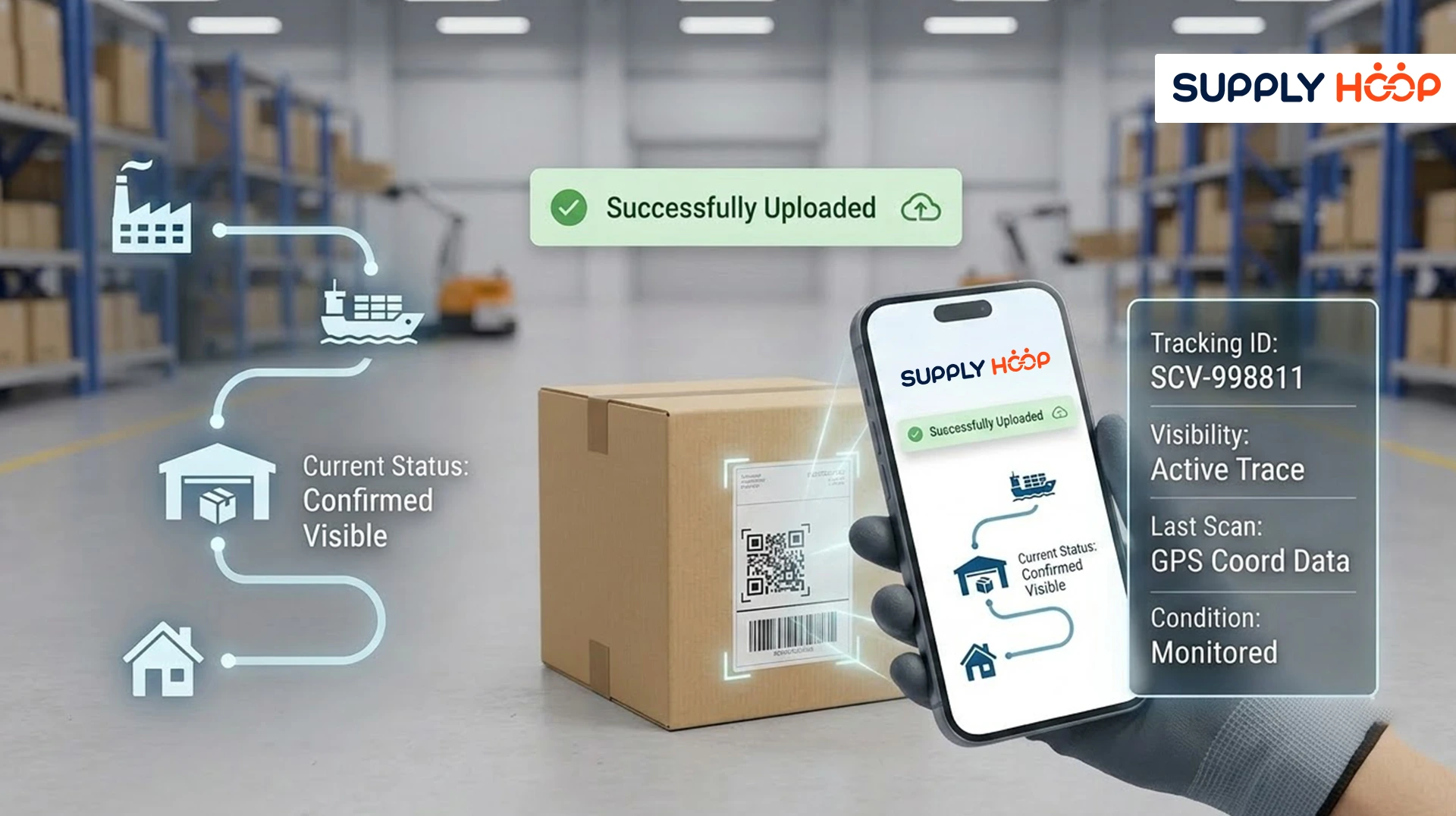
1. Shipment Tracking and ETA Accuracy
Paper-based or email-based updates create blind spots.
Digital tracking provides continuous visibility across modes, ocean, air, road, and rail.
AI supports this by recalculating ETA dynamically whenever conditions change, helping teams avoid late surprises.
2. Inventory and Fulfillment Management
Stockouts and overstocks often stem from bad visibility.
Digital systems sync warehouse updates, inbound shipments, and order statuses automatically.
This enables:
- Better forecasting
- Faster fulfillment
- Lower carrying costs
- Stronger relationships with customers
3. Documentation and Compliance
Digital workflows significantly reduce delays caused by incorrect or missing documentation.
Automated validation and centralized storage ensure accuracy and easy access.
4. Collaboration Across Partners
With digital systems, everyone, supplier, forwarder, customer, warehouse, carrier, sees the same truth.
This transparency eliminates:
- Miscommunication
- Conflicting updates
- Dependency on one “information holder.”
- Duplication of work
5. Mobile-Enabled Supply Chain Control
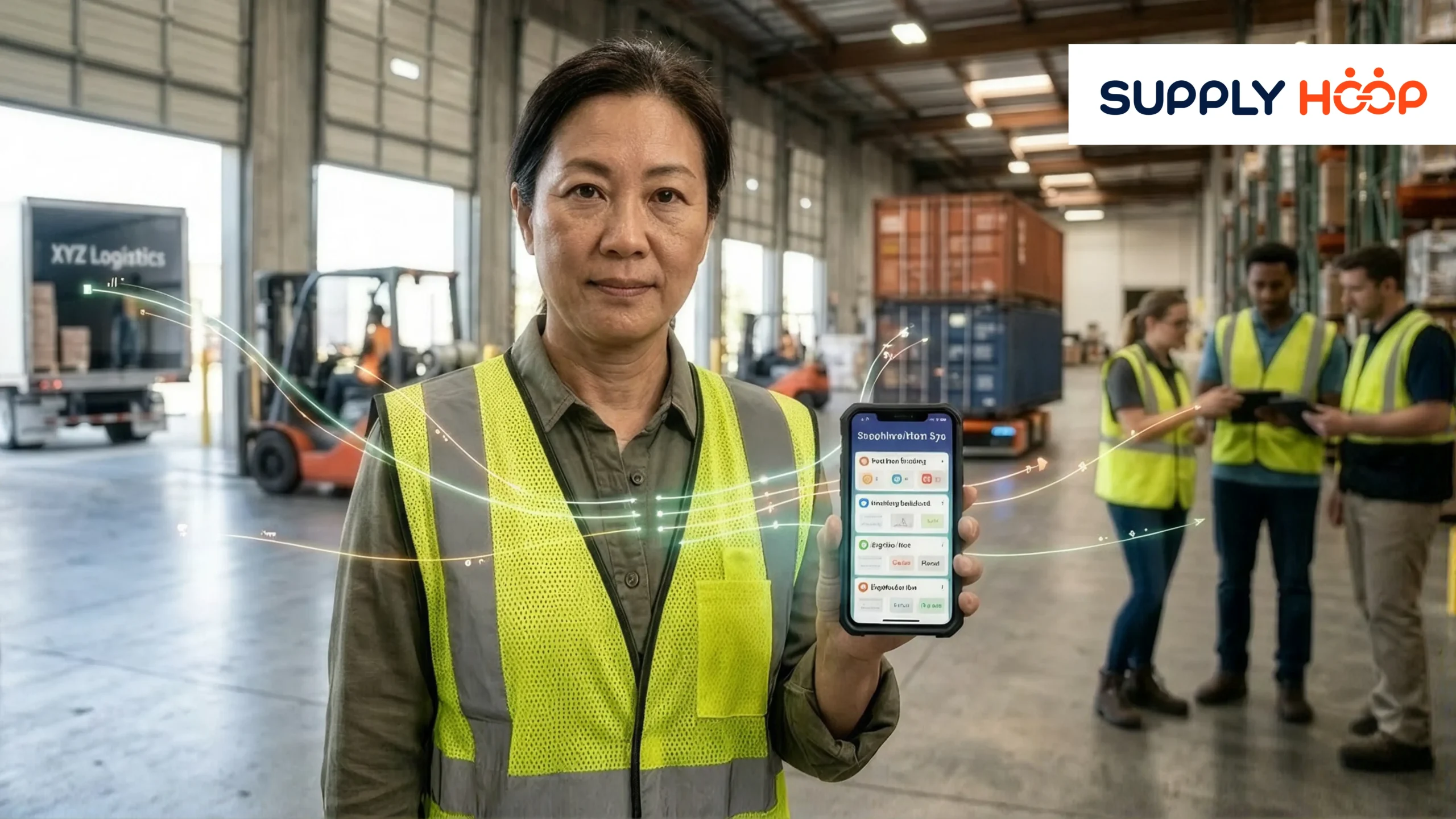
Mobile apps have become operational hubs. Whether you’re at a port, warehouse, truck yard, or field office, you can oversee the entire supply chain directly from your phone.
This mobility is one of the strongest reasons companies are accelerating their digital transformation.
The New Reality: Digital, Predictive, Mobile-Driven Supply Chains
The supply chain landscape is shifting toward ecosystems where every movement is visible, every exception is flagged instantly, and every decision is supported with real-time intelligence.
In simple words: Supply chains are no longer just moving goods. They are moving information.
And AI, combined with mobile visibility, makes that information faster, cleaner, and more actionable. In this environment, companies that still operate manually will struggle to compete with businesses that have embraced digitalization.
Conclusion
Digitalization is no longer a future vision; it’s the present requirement for resilient, efficient, and scalable supply chains. AI is redefining how we use data, helping operations stay ahead of disruptions, reduce costs, and collaborate more effectively.
And when all of this visibility is available through a mobile application, teams gain the flexibility and speed needed to make smart decisions anywhere, anytime.
Achieve End-to-End Supply Chain Visibility and transform the way your supply chain works.