A vessel leaves Shanghai with hundreds of containers onboard. Somewhere on that vessel is your shipment.
Your customer wants an update. Your warehouse team wants to plan labor. Procurement needs to know when the inventory will arrive. Sales is waiting to confirm delivery timelines.
And everyone is asking the same question:
Where is the container right now?
For years, ocean freight tracking was one of the hardest parts of supply chain management. Containers often moved across oceans with limited updates, and teams only learned about delays after schedules had already changed.
Today, that is changing fast.
Real-time ocean freight visibility through a mobile app is helping freight forwarders, importers, exporters, and logistics teams track containers more accurately, respond faster, and keep customers informed without chasing multiple systems.
Why Ocean Freight Visibility Matters More than Ever?
Ocean freight still moves nearly 80% of global trade by volume. But the journey has become more unpredictable.
Port congestion, vessel rerouting, equipment shortages, customs delays, weather disruptions, and geopolitical events can change shipment timelines at any moment.
A container may leave on schedule and still arrive days later than planned.
Without real-time visibility, teams are forced to react after the disruption has already affected warehouse planning, inventory availability, and customer commitments.
That is why ocean freight visibility is no longer just a tracking feature. It is becoming an operational necessity.
What Real-Time Container Tracking Actually Means?
Real-time container tracking is more than checking a container number on a carrier website.
Modern visibility gives teams a complete view of the shipment journey, including:
- 📍 Container location
- 🚢 Vessel movement
- ⏱️ ETA and ETD updates
- 📦 Port arrival and departure milestones
- 📄 Customs and documentation status
- 🚨 Delay and exception alerts
- 🔄 Route or schedule changes
This helps teams understand not only where the shipment is, but also what may happen next.
That difference matters.
How a Mobile App Simplifies Ocean Freight Tracking?
Traditional tracking often means switching between carrier portals, emails, spreadsheets, ERP systems, and partner updates.
That slows teams down.
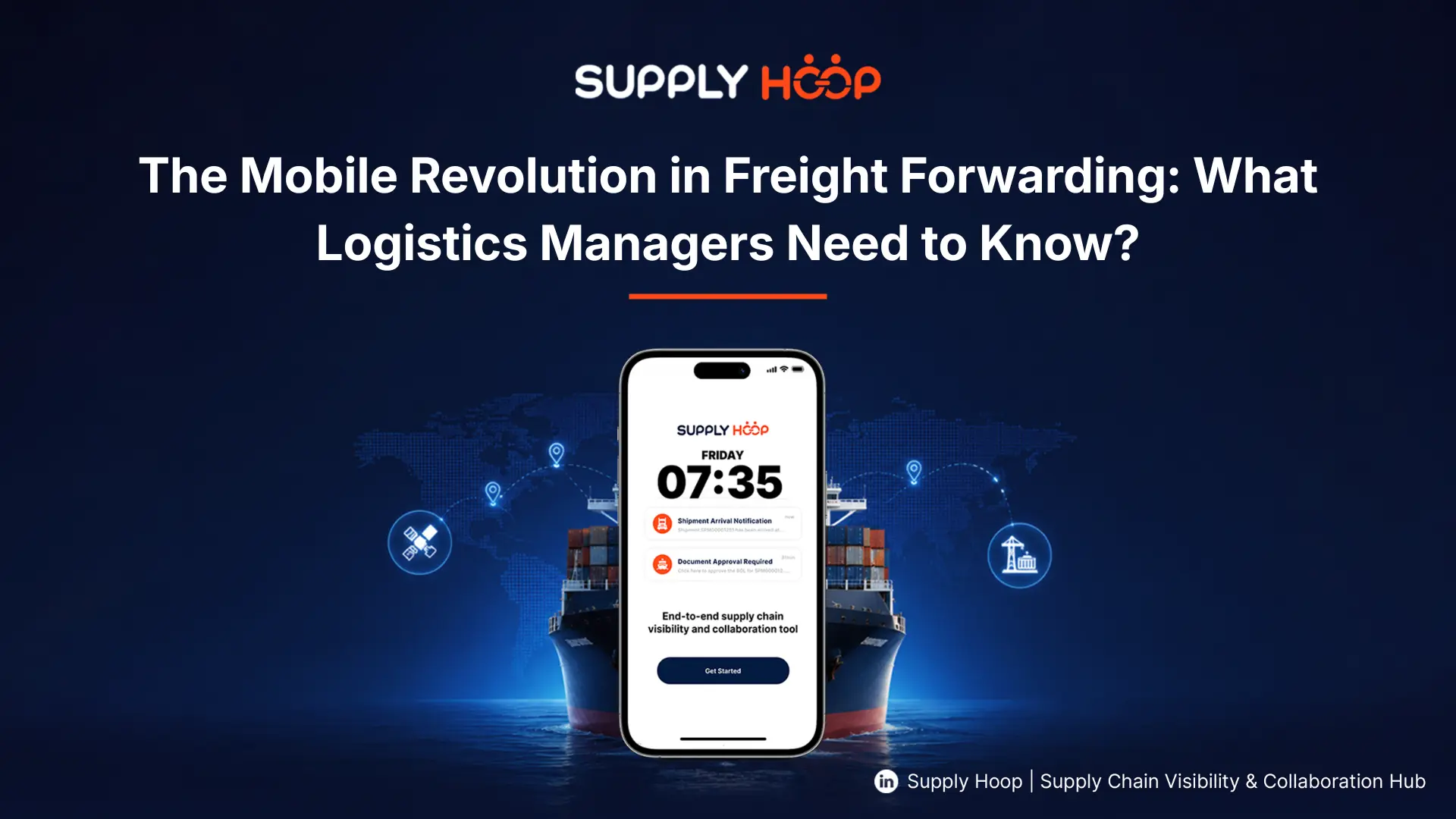
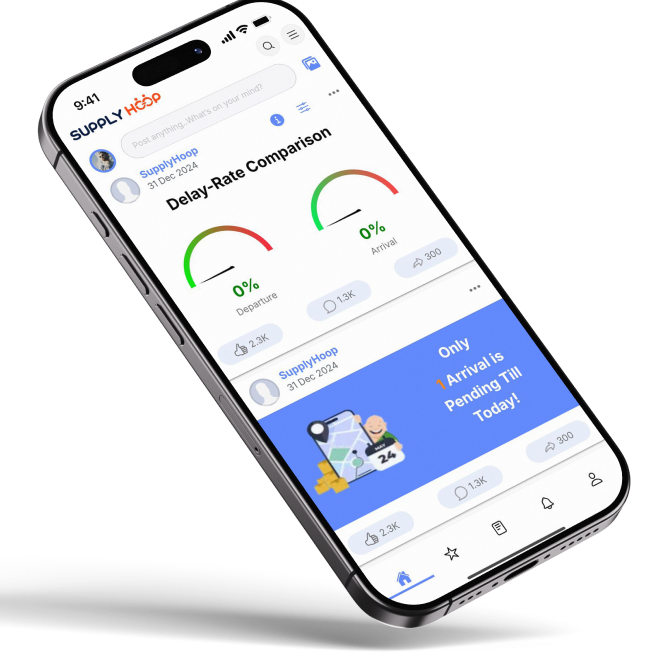
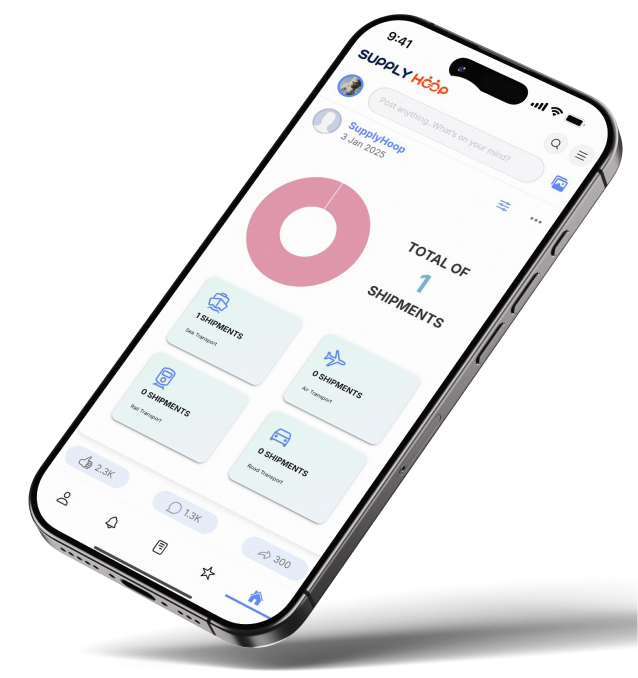
A mobile visibility app brings shipment information into one simple view. Whether someone is in a warehouse, customer meeting, office, or on the move, container updates are available instantly.
With mobile access, teams can check live shipment status, monitor vessel updates, review ETA changes, and respond to disruptions without waiting to get back to a desk.
Your phone becomes a real-time ocean freight control center.
AI Makes Container Visibility Smarter
Tracking data is useful. But understanding what needs attention is even more valuable.
AI-powered logistics assistants like Supply GPT help teams turn shipment data into clear answers.
Instead of searching through dashboards, users can simply ask:
- Which containers are delayed today?
- What ocean shipments are arriving this week?
- Are any containers at risk of missing delivery commitments?
- Which shipments need immediate attention?
Supply GPT analyzes live shipment data and responds instantly through the mobile app.
This helps teams move from manual tracking to faster decision-making.
Stay Ahead of Delays with Real-Time Alerts
Ocean freight disruptions often build up before they become serious problems.
A vessel schedule shifts. A port becomes congested. A container misses a milestone. Customs status changes.
With real-time alerts, teams do not need to monitor every shipment manually. The system notifies them when action is needed.
Mobile alerts can help teams respond quickly when:
- ⏱️ ETAs change
- 🚢 Vessel schedules shift
- ⚓ Port congestion affects arrivals
- 📦 Containers miss key milestones
- 📄 Customs or documentation issues appear
This reduces operational pressure and gives teams more time to act before delays become expensive.
Better Customer Communication Starts with Better Visibility
One of the most common questions logistics teams hear is:
Do you have an update on my shipment?
Without visibility, answering that question often requires calls, emails, and internal follow-ups.
With a mobile tracking platform, customer-facing teams can access accurate shipment information instantly. They can provide updated ETAs, explain delays, and share milestone updates with confidence.
When visibility is connected with communication tools like WhatsApp, updates can be shared faster through channels customers already use.
This means fewer follow-ups, clearer communication, and stronger customer trust.
Why Integration Matters?
A visibility platform becomes more powerful when it connects with the systems teams already use.
Modern mobile solutions can integrate with:
- CargoWise
- TMS platforms
- ERP systems
- Carrier data feeds
- Customs systems
- Third-party logistics platforms
This creates one source of truth across operations.
Teams spend less time managing different systems and more time managing shipments.
Visibility Impacts More than Freight Operations
Ocean freight visibility not only helps transportation teams.
It also helps procurement plan inventory, warehouses schedule labor, customer service respond faster, finance improve planning, and sales manage customer expectations.
When every team works with the same real-time shipment data, operations become more aligned and less reactive.
That is where visibility becomes a business-wide advantage.
Final Thought: Ocean Freight Tracking should not be a Guessing Game
Ocean freight containers move across ports, vessels, terminals, customs checkpoints, and inland networks before reaching their final destination.
Managing that journey without visibility creates risk, delays, and unnecessary pressure.
A mobile visibility platform changes that by providing real-time container tracking, AI-powered insights through Supply GPT, automated alerts, and seamless integration with existing logistics systems.
Instead of wondering where your shipment is, you know.
Instead of reacting to delays, you prepare for them.
And instead of chasing updates, you gain true end-to-end supply chain visibility.
👉 Ready to take control of your ocean freight operations? Strengthen your supply chain visibility with real-time container tracking, mobile access, and AI-powered logistics intelligence.