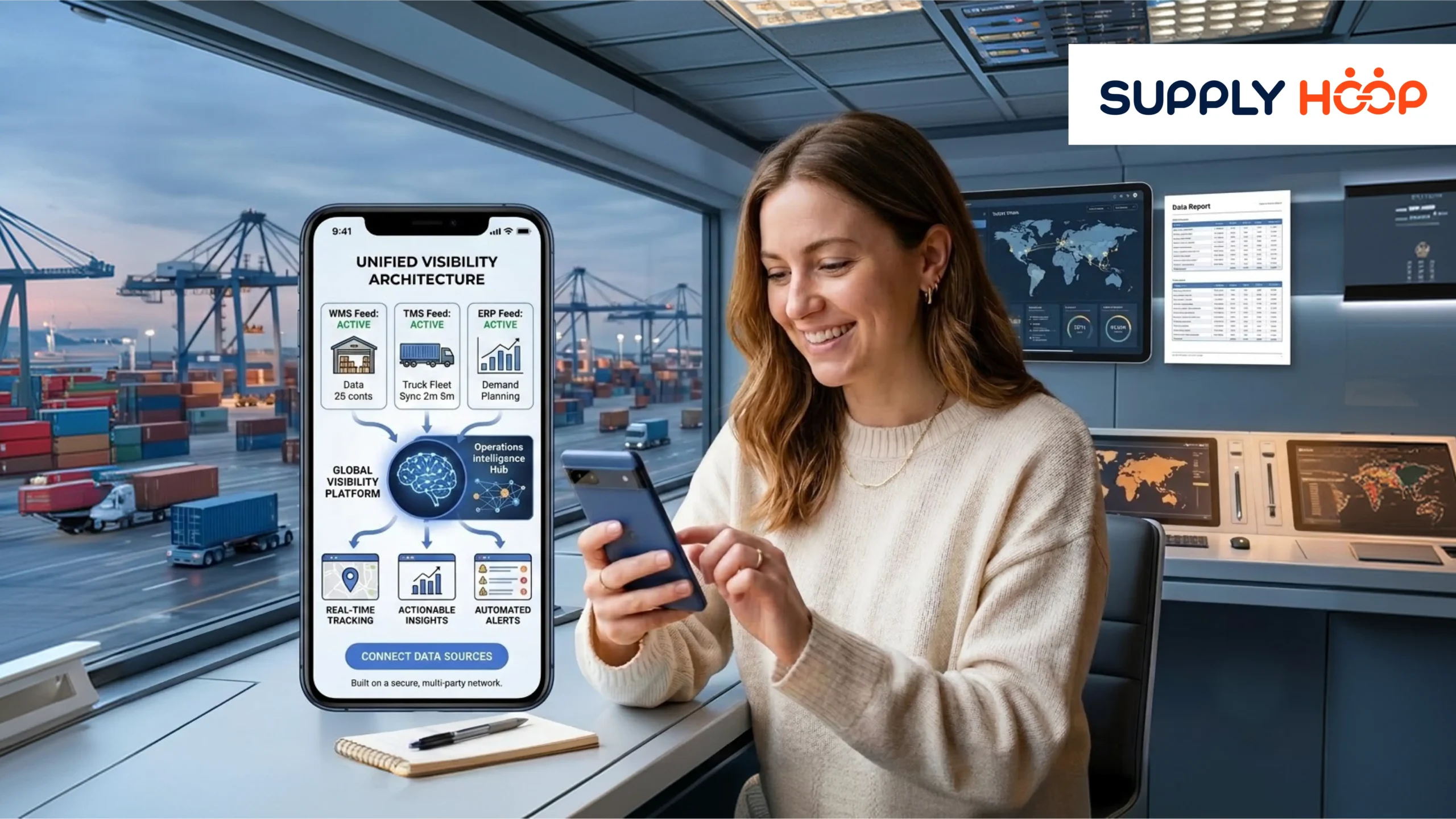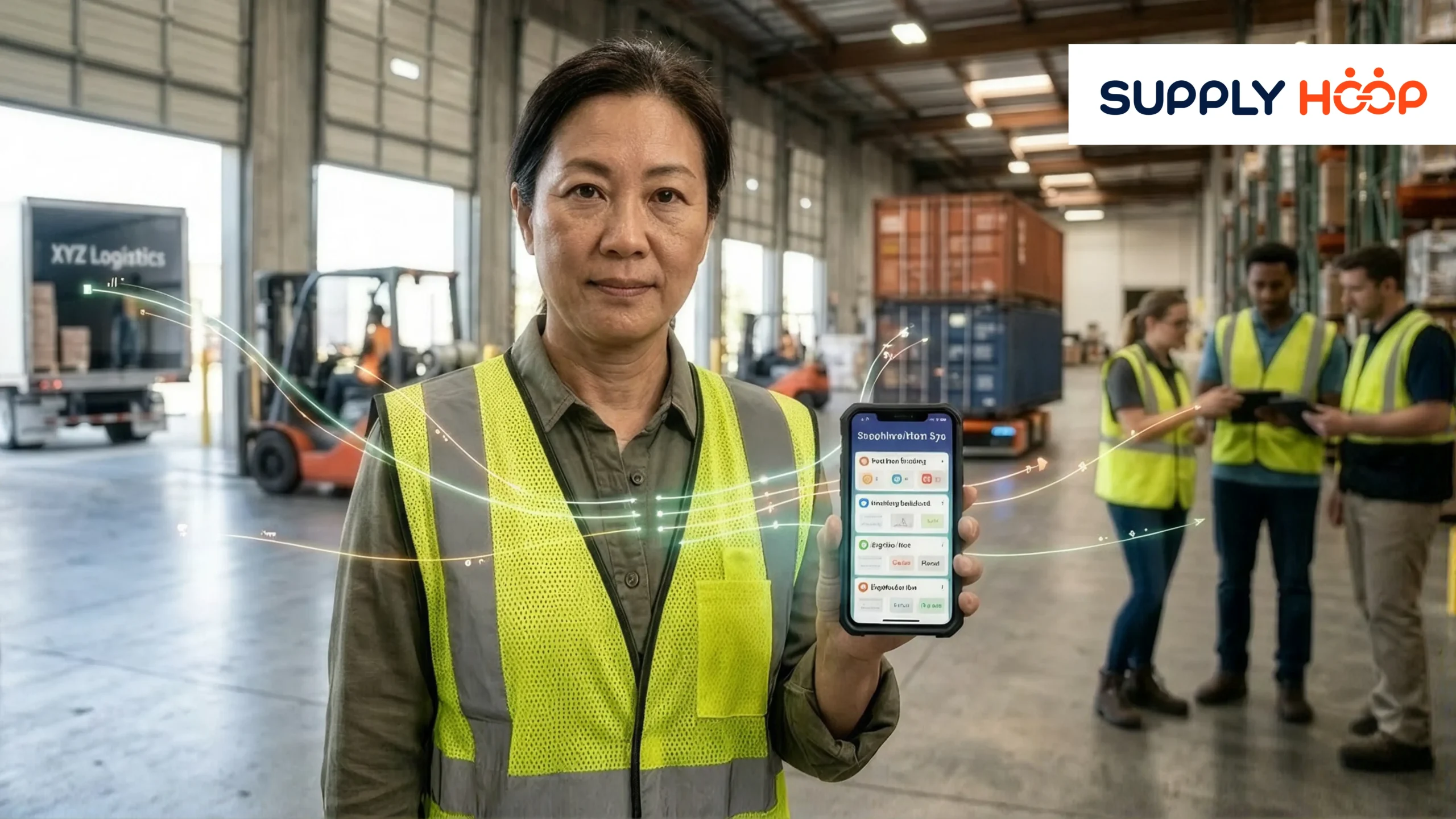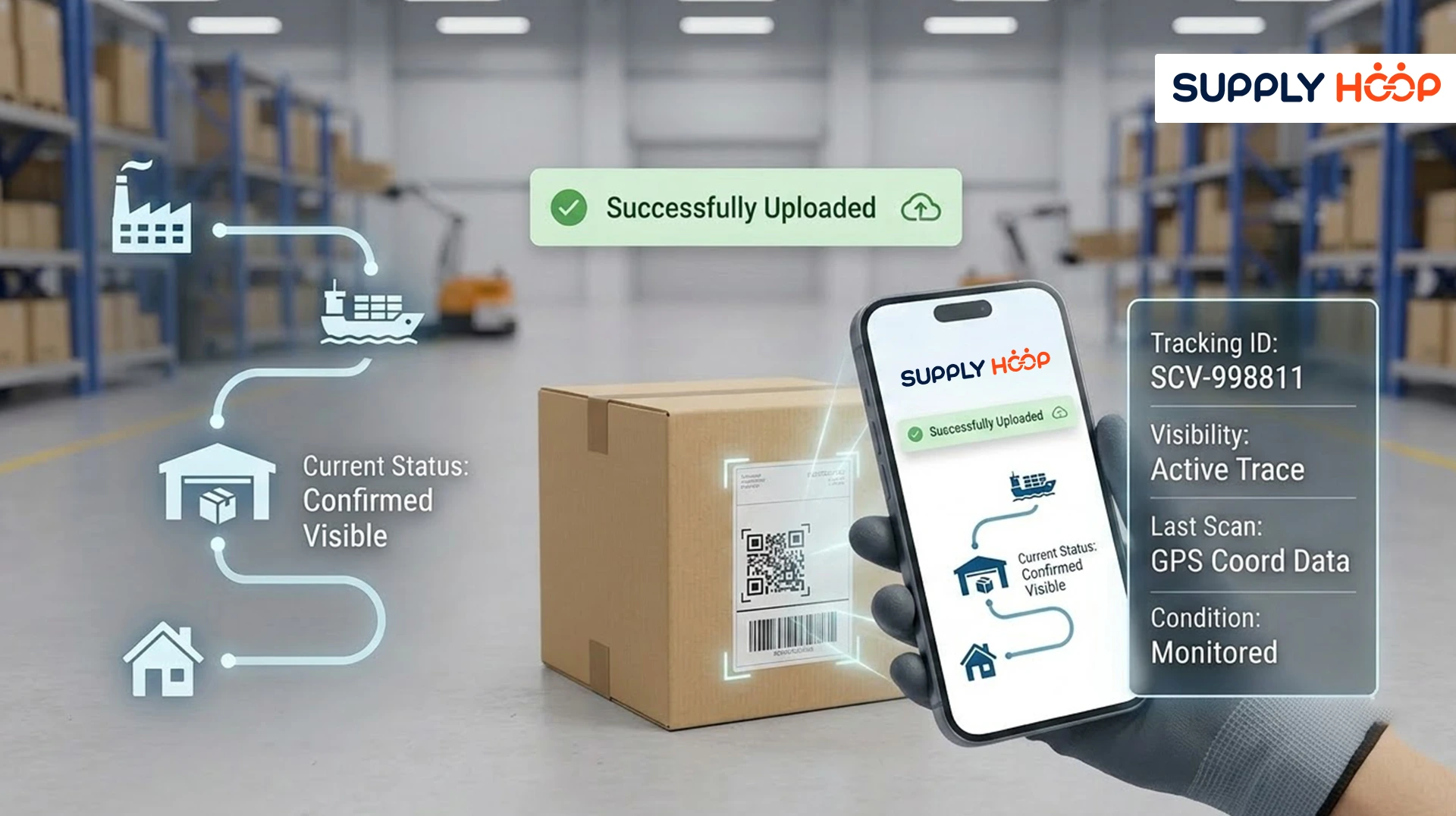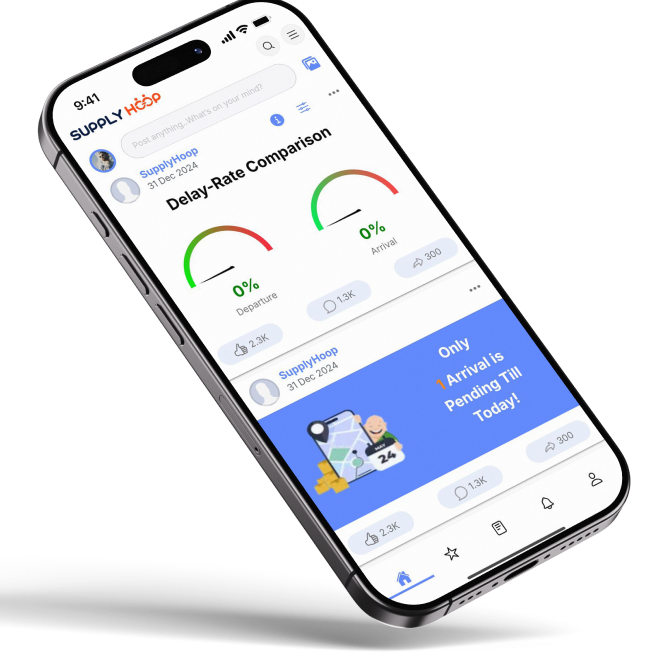
A few years ago, AI in logistics sounded ambitious but distant. In 2025, that changed. AI quietly moved out of pilot projects and into day-to-day operations. Not everywhere, not perfectly, but enough to prove something important to logistics professionals: AI works when it solves real problems, not theoretical ones.
Freight teams didn’t adopt AI because it was trendy. They adopted it because volumes increased, margins tightened, customers demanded real-time updates, and teams were stretched thin. Manual tracking, email-based coordination, and delayed reporting simply couldn’t keep up anymore.
As 2025 closes, the bigger question is no longer “Should we use AI?”
It’s “What kind of AI actually helps, and what will we need next?”
What Actually Worked in Logistics AI in 2025?
The most successful AI use cases in 2025 weren’t flashy. They were practical. AI worked best where it reduced constant human intervention.
Logistics teams saw real value when AI helped:
- Answer routine shipment status questions instantly
- Pull data from ERP systems without manual searching
- Highlight exceptions instead of forcing teams to hunt for them
- Reduce back-and-forth between operations, customer service, and customers
Instead of replacing people, AI acted as a first line of intelligence, handling repetitive queries so teams could focus on decisions.
Real-Time Visibility, Not Just Reports
In 2025, AI proved that visibility delayed is visibility denied. Monthly reports and static dashboards lost relevance fast.
What worked was AI-driven, real-time visibility:
- Live shipment status and milestone tracking
- Dynamic ETAs that updated as conditions changed
- Alerts for delays, holds, or deviations
- Clear visibility into bookings, documents, and approvals
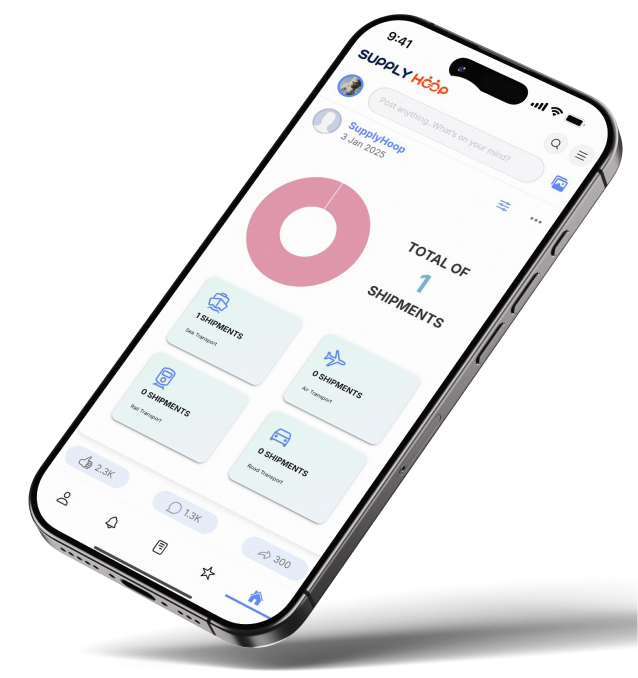
AI systems that surfaced this information instantly, especially through mobile apps, became indispensable.
AI Assistants That Spoke the Language of Logistics
One of the biggest breakthroughs in 2025 was AI assistants built specifically for logistics, not generic chatbots.
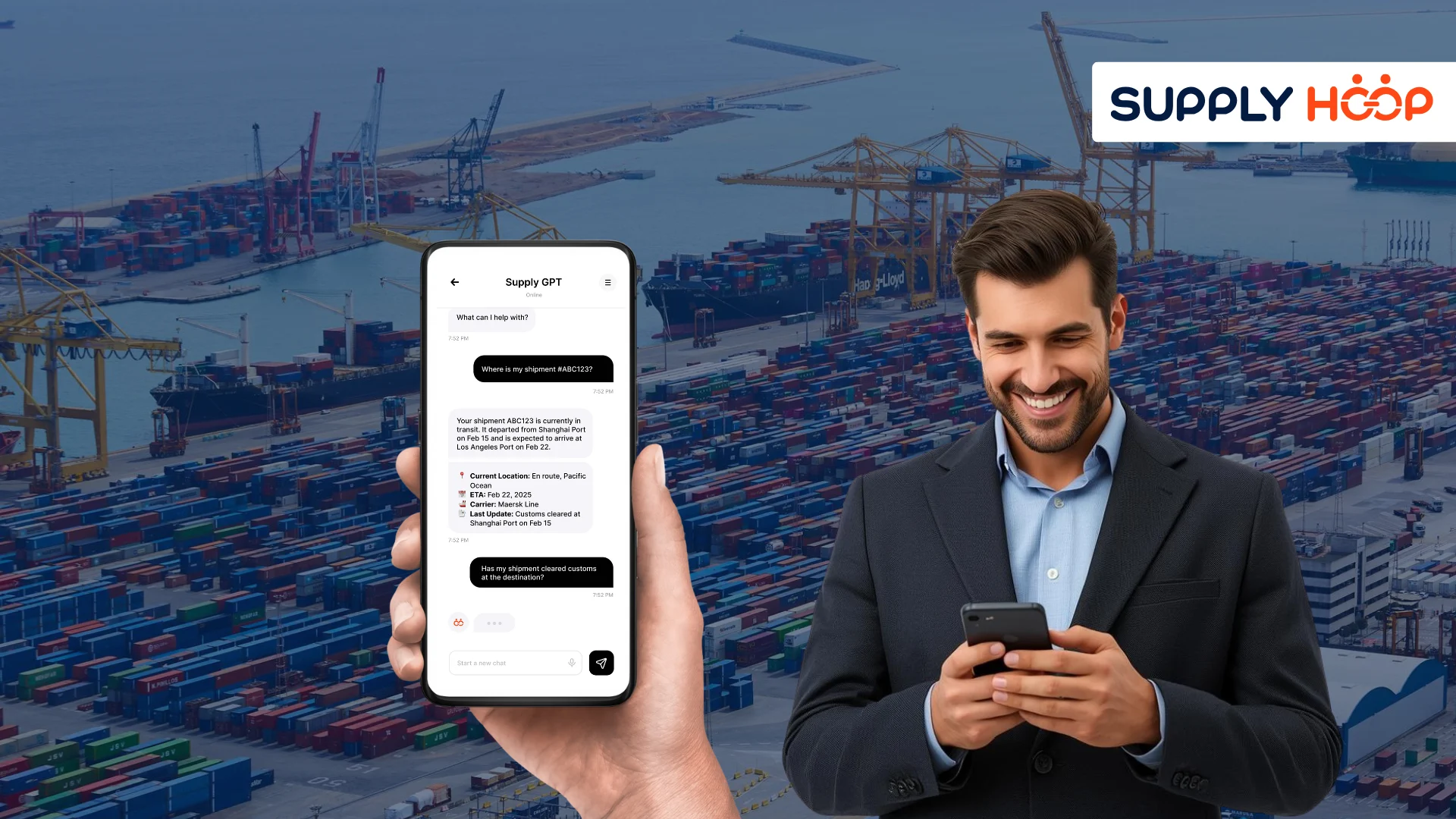
Tools like Supply GPT stood out because they understood:
- Shipments, bookings, invoices, HBLs, and documents
- Operational terms used by freight teams
- How data lives inside logistics ERPs
- The urgency behind questions like “Is this shipment delayed?”
Instead of clicking through screens, users could simply ask:
- “What’s the latest update on this shipment?”
- “Are there any exceptions today?”
- “Which bookings are pending approval?”
AI that understood context delivered answers that were actually useful.
Where AI Fell Short in 2025?
Not everything worked, and that’s important to acknowledge.
Over-Engineered Solutions
Some AI initiatives failed because they tried to do too much. Complex predictive models that required perfect data often struggled in real-world logistics environments where inputs are messy and change frequently.
AI Without Integration
AI tools that lived outside core systems created friction. If AI couldn’t pull data directly from the ERP or didn’t reflect the real operational status, trust dropped quickly.
In 2025, AI only worked when it was deeply integrated, not bolted on.
The Rise of the AI Logistics Assistant
One of the clearest winners of 2025 was the AI-powered logistics assistant, especially when paired with mobile access.
Why Supply GPT Resonated with Logistics Teams?
Supply GPT was built around how logistics actually works, not how software diagrams imagine it.
It helped teams by:
- Providing real-time shipment tracking and visibility
- Answering ETA, ETD, ATA, and ATD questions instantly
- Highlighting delays, exceptions, and deviations
- Supporting booking visibility and approval status
- Giving quick access to invoices, HBLs, and documents
- Enabling in-app comments and collaboration
- Making analytics and reporting easy to consume
Most importantly, it worked inside daily workflows, not outside them.
Why Mobile AI Became Non-Negotiable in 2025?
Logistics doesn’t run from desks anymore. Teams are on the warehouse floor, at ports, coordinating transport, or speaking with customers.
AI delivered real value when it was:
- Available on mobile
- Accessible anytime
- Easy to ask questions in plain language
- Connected to live operational data
Mobile-first AI assistants turned phones into operational command centers, not just communication devices.
What 2026 will 2026 Demand from AI in Logistics?
As we move into 2026, expectations are higher. AI will no longer be judged on novelty, it will be judged on impact.
From Reactive to Predictive Intelligence
In 2026, AI won’t just answer “What happened?”
It will increasingly answer “What’s likely to happen next?”
Logistics teams will expect AI to:
- Flag shipments likely to be delayed before they are
- Predict exception risks based on patterns
- Highlight customers, lanes, or carriers that need attention
- Suggest proactive actions, not just insights
Deeper Exception Intelligence
Exceptions are where costs hide. In 2026, AI will be expected to:
- Classify exceptions automatically
- Identify recurring root causes
- Prioritize issues based on impact
- Reduce firefighting through early warnings
Supply GPT’s evolution toward smarter exception handling will be critical here.
Unified Visibility Across Operations, Finance, and Customers
AI in 2026 must bridge silos. That means:
- Connecting shipment updates with billing readiness
- Linking document availability with clearance and delivery
- Aligning operations data with customer visibility
AI assistants will increasingly act as the single source of truth, reducing misalignment across teams.
AI That Explains, Not Just Reports
Another shift coming in 2026: AI that explains why, not just what.
Logistics professionals will expect AI to say:
- Why an ETA changed
- Why is a shipment at risk
- Why is a document blocking progress
This level of explanation builds trust and speeds decision-making.
Why Supply GPT is Positioned for 2026?
Supply GPT is not built as a one-time feature, it’s built as a living assistant that grows with logistics needs.
As 2026 approaches, its value lies in:
- Deep ERP integration
- Logistics-native language understanding
- Real-time, mobile-first visibility
- Support for shipments, bookings, documents, approvals, and analytics
- Continuous learning from operational patterns
Instead of replacing people, it strengthens teams by removing friction from daily work.
What does this Mean for Logistics Professionals?
AI in logistics is no longer about experimentation. It’s about execution.
The teams that will succeed in 2026 are those that:
- Use AI to reduce manual effort
- Rely on real-time visibility instead of delayed reports
- Empower teams through mobile access
- Focus AI on exceptions, not just dashboards
- Treat AI assistants as operational partners
Conclusion
2025 proved that AI can deliver real value in logistics when it’s practical, integrated, and built around real workflows. 2026 will raise the bar further, demanding predictive intelligence, deeper visibility, and faster decision support.
AI assistants like Supply GPT represent where logistics is headed—not as a replacement for expertise, but as a multiplier of it.
The future of logistics belongs to teams that can see clearly, act early, and stay connected in real time.
Want to achieve end-to-end supply chain visibility with AI-powered intelligence and prepare your logistics operations for what 2026 demands? Book a demo now.