Freight costs don’t usually spike overnight. They creep up. One surcharge here. One detention charge there. A few delayed shipments that require expedited moves. By the time teams notice the impact, margins are already under pressure.
As we are in 2026, logistics professionals are facing a tough reality:
Rates remain volatile, capacity is inconsistent, customer expectations are higher, and operational errors are more expensive than ever. Cutting freight costs isn’t about squeezing carriers harder anymore. It’s about seeing clearly, acting earlier, and controlling what’s already within reach.
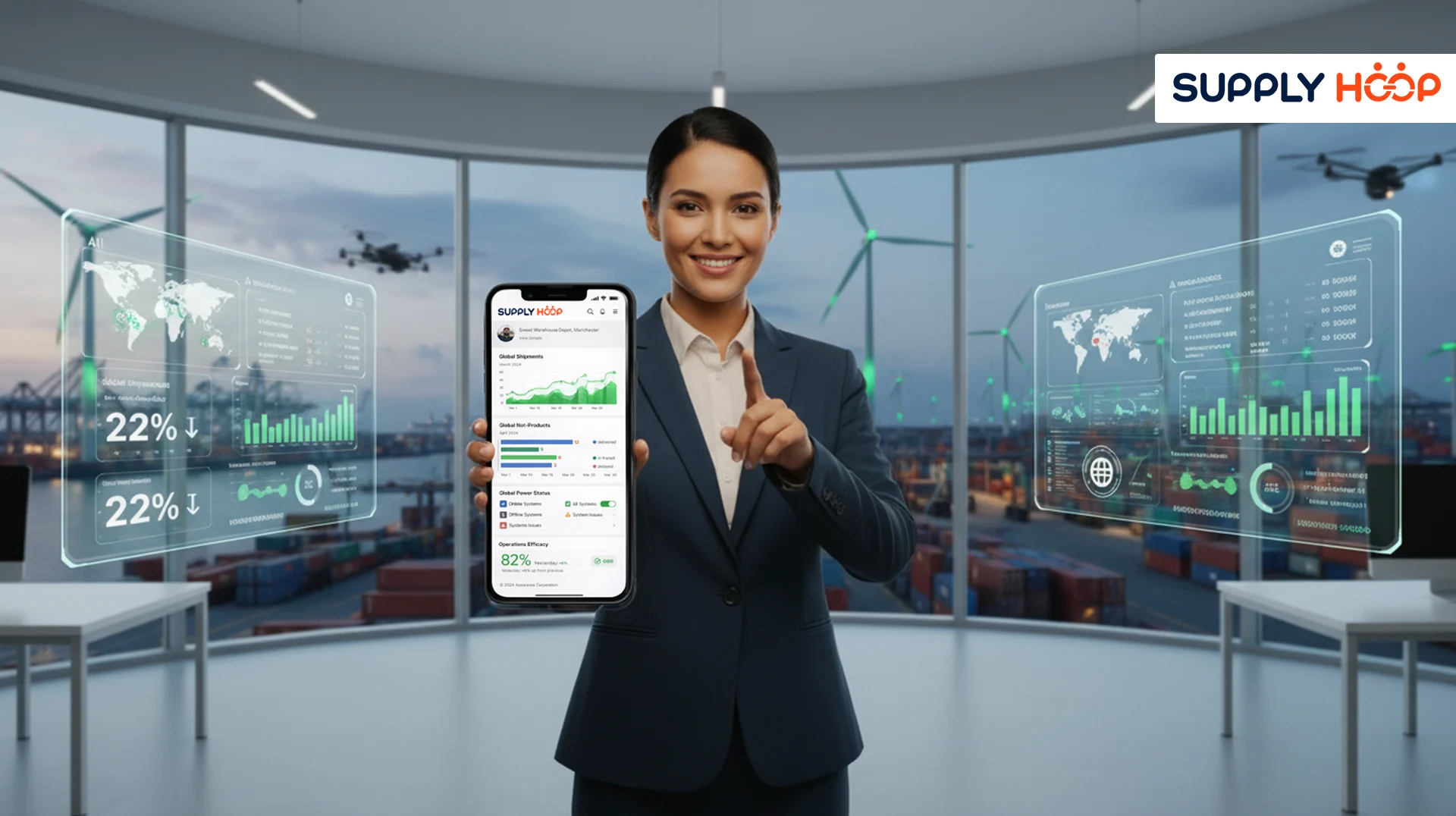
This is where AI-driven insights combined with mobile app visibility are proving to be one of the most practical cost-reduction tools in modern supply chains.
Understanding What Really Makes Up Freight Costs
Before reducing freight spend, teams need a clear view of what they’re actually paying for. Freight cost is rarely just the base rate.
It typically includes:
- Linehaul or base transportation cost
- Fuel surcharges that fluctuate constantly
- Accessorial charges like detention and demurrage
- Storage and handling fees
- Re-delivery or re-routing costs
- Expedited freight due to planning gaps
- Administrative and exception-handling overhead
Most cost overruns don’t come from the base rate. They come from poor visibility into these moving parts.
Where Freight Costs Commonly Leak Without Teams Noticing?
In many logistics operations, cost inefficiencies hide in everyday workflows. They don’t show up as errors, they show up as habits.
Some of the most common cost drains include:
- Late awareness of shipment delays
- Missed free-time windows at ports or terminals
- Poor coordination between the warehouse and transport
- Lack of real-time ETA updates
- Manual planning based on outdated data
- Repeated expedited shipments to fix avoidable delays
When teams only see costs after invoices arrive, they lose the chance to prevent them.
Why Freight Cost Control is Harder in Today’s Environment?
The current logistics landscape adds layers of complexity that didn’t exist a few years ago.
Teams are dealing with:
- Frequent schedule changes from carriers
- Congested ports and terminals
- Driver shortages and appointment constraints
- Multi-leg, multi-carrier shipments
- Customers expecting real-time updates
- Finance teams are pushing for tighter cost control
In this environment, reactive cost management doesn’t work. Freight costs must be managed while shipments are still moving.
How AI Changes the Way Freight Costs are Managed?
AI helps logistics teams move from hindsight to foresight. Instead of asking “Why did this cost so much?” after delivery, teams can ask “What’s likely to cost us more if we don’t act now?”
AI supports freight cost reduction by:
- Identifying shipments at risk of delays or penalties
- Highlighting patterns in recurring accessorial charges
- Predicting ETA deviations that may trigger extra costs
- Flagging inefficient lanes or carriers
- Prioritizing shipments that need immediate attention
This intelligence becomes truly valuable when it’s delivered in real time, not buried in reports.
Why Mobile Apps Matter for Cost Reduction?
Freight decisions don’t wait for office hours. By the time someone logs into a system, the opportunity to avoid a cost may already be gone.
Mobile apps bring freight visibility directly to the people who can act:
- Operations managers
- Transport coordinators
- Warehouse supervisors
- Customer-facing teams
With mobile access, teams can:
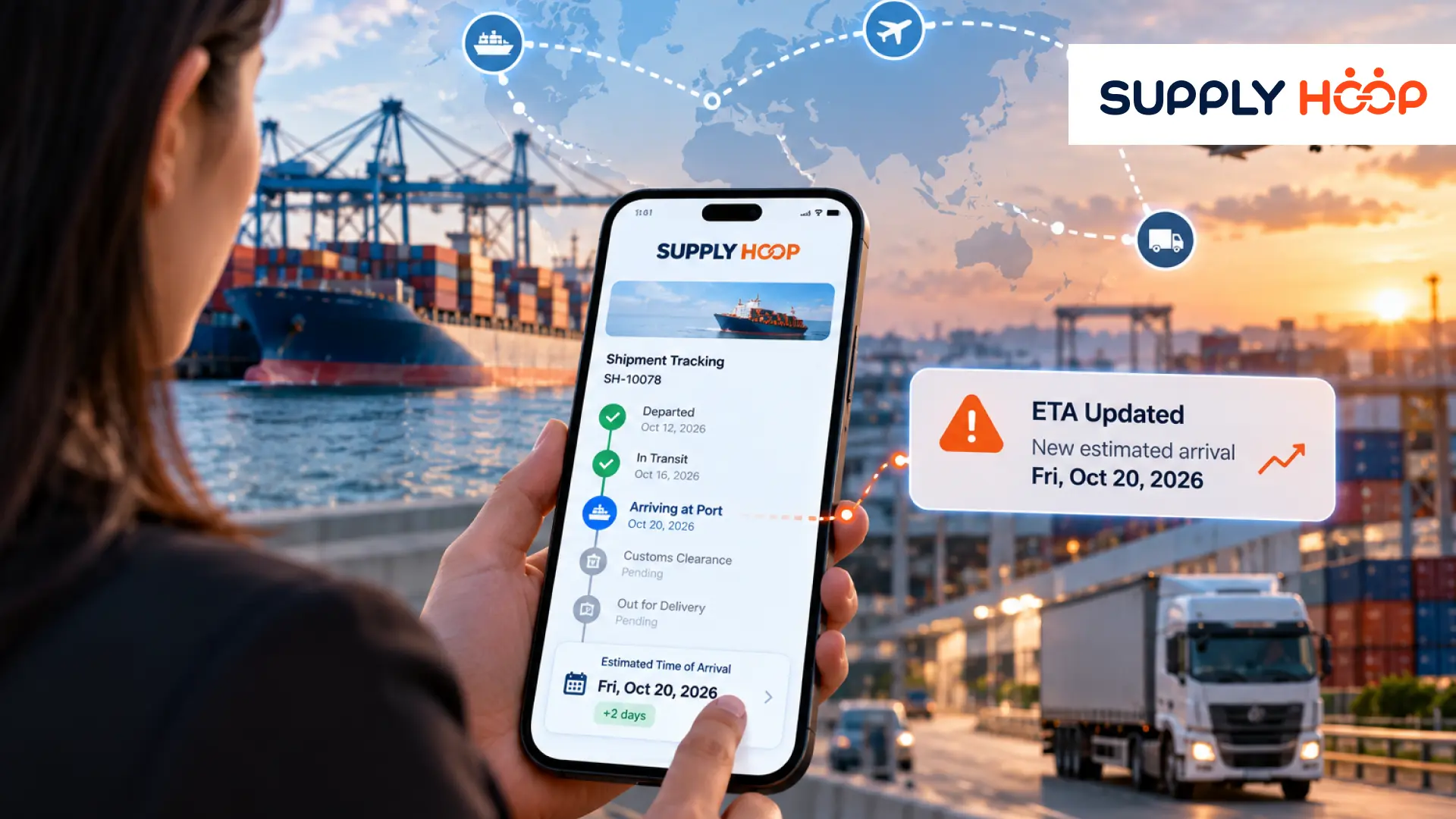
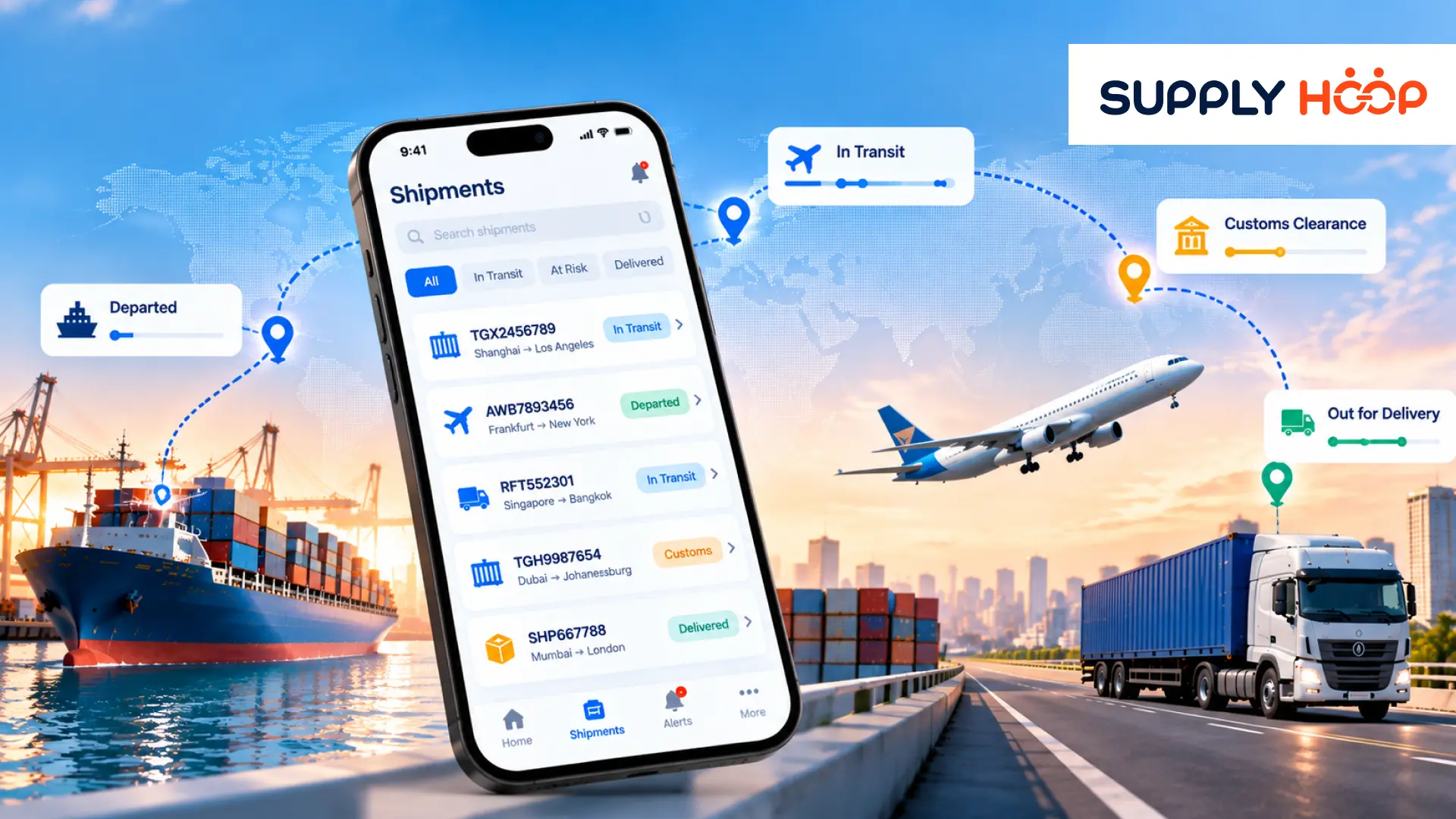
- See live shipment status and ETAs
- Respond immediately to exceptions
- Coordinate faster with warehouses and carriers
- Avoid last-minute fixes that drive up costs
Cost control improves when visibility moves with the operation.
Reducing Freight Costs Through Better Shipment Visibility
One of the biggest cost-saving opportunities lies in knowing what’s happening while shipments are in transit.
Real-time shipment visibility through AI and mobile apps allows teams to:
- Detect delays early and replan
- Avoid detention by adjusting pickup times
- Prevent demurrage by tracking free-time windows
- Reduce emergency rerouting and premium freight
When teams act early, small adjustments prevent expensive outcomes.
Freight Spend Analytics that Actually Drive Action
Many organizations already have freight reports, but they’re often backward-looking and hard to act on.
AI-powered freight analytics change this by focusing on:
- Cost per lane, carrier, or customer
- Exception-driven cost trends
- Recurring penalties and accessorial charges
- Variance between planned and actual freight cost
When these insights are available through a mobile-friendly interface, teams don’t need to wait for monthly reviews. They can course-correct immediately.
Fixing the Root Causes, Not Just the Symptoms
True freight cost reduction doesn’t come from cutting rates once a year. It comes from fixing the behaviors and gaps that create unnecessary costs.
AI and mobile visibility help teams address root causes such as:
- Poor planning due to outdated ETAs
- Missed approvals are slowing execution
- Lack of coordination between transport and the warehouse
- Repeated delays on the same lanes
- Inconsistent carrier performance
When root causes are visible, cost reduction becomes sustainable, not temporary.
Long-Term Freight Cost Control Requires a Technology-First Approach
Looking ahead in 2026, freight cost reduction will depend less on negotiation and more on intelligence.
A technology-driven approach enables:
- Continuous monitoring instead of periodic reviews
- Proactive exception management
- Data-backed carrier and lane decisions
- Better alignment between operations and finance
- Predictable freight spend instead of surprises
AI and mobile apps don’t replace experience, they amplify it by removing blind spots.
Why Visibility is the Foundation of Cost Reduction?
Every major freight cost issue shares one thing in common: it could have been reduced if someone had seen it earlier.
Visibility allows teams to:
- Act before penalties apply
- Adjust plans before costs escalate
- Communicate proactively instead of reactively
- Make informed trade-offs between time and cost
Without visibility, cost reduction becomes guesswork. With it, it becomes a strategy.
How Supply Hoop’s Supply GPT and WhatsApp Redefine Supply Chain Visibility in 2026?
In 2026, supply chain visibility isn’t about opening dashboards or running reports. It’s about getting clear answers the moment questions come up. Supply GPT acts as a real-time AI logistics assistant, helping freight forwarders understand what needs attention without searching through systems. Teams can instantly see:
- Which shipments are delayed or at risk
- Whether HBLs, invoices, or other documents are pending
- Which jobs are blocked due to approvals or exceptions
- Which shipments may trigger demurrage or detention
This shifts visibility from manual searching to fast, decision-ready insight, allowing teams to act sooner and stay in control.
Visibility also has to reach people where daily communication already happens. That’s where WhatsApp integration plays a key role. Instead of disconnected messages, shipment updates, ETA changes, document readiness, and exception alerts are shared automatically through WhatsApp. This means:
- Customers receive real-time updates without chasing
- Operations teams reduce repetitive follow-ups
- Communication stays aligned with live shipment data
Together, Supply GPT and WhatsApp extend visibility beyond systems and into everyday workflows, making supply chain decisions faster, clearer, and more reliable.
Conclusion
Reducing freight costs in 2026 isn’t about cutting corners. It’s about seeing clearly, acting faster, and managing shipments while they’re still in motion.
Our AI-powered insights and mobile apps give logistics teams the visibility they need to prevent avoidable costs, optimize freight spend, and make smarter decisions every day.
If freight costs are still being analyzed only after delivery, it’s time for a shift.
Ready to see how end-to-end supply chain visibility helps you control freight costs before they escalate? Book a demo and explore how AI and mobile intelligence can reshape your freight spend strategy for 2026.