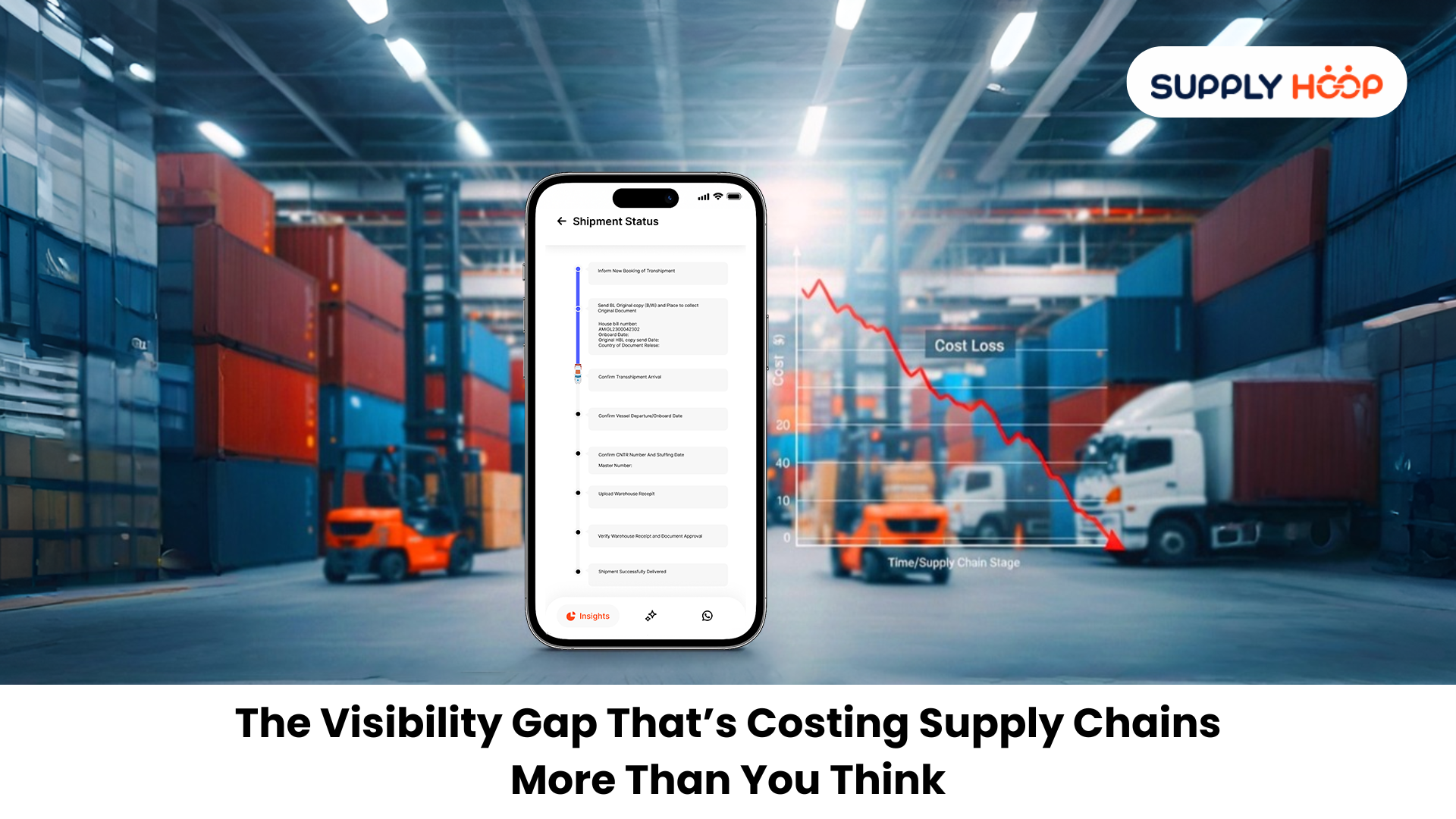
Let’s be honest, most supply chains today are still operating with blind spots.
Products move across suppliers, factories, distributors, warehouses, and retailers before reaching the end customer. But despite this complexity, many organizations are still relying on reports that show what happened last week, or even last month.
That’s not just inefficient anymore.
It’s a competitive risk.
In 2026, supply chain transparency has become a defining factor between companies that stay ahead and those that fall behind. And increasingly, that visibility is being driven through real-time, mobile-first solutions.
🔎 The Problem: Too Much Movement, Not Enough Clarity
Modern supply chains are no longer linear, they’re layered, global, and constantly shifting. A single product might involve multiple suppliers across countries, different production stages, and several distribution channels before reaching its final destination.
When something goes wrong, a delay, defect, or disruption, teams need immediate answers. They need to know where the product is, where it has already been distributed, and what impact the issue may have.
Without real-time visibility, teams often rely on fragmented data:
- Shipment records from one system
- Inventory reports from another
- Updates from partners through emails or calls
By the time all the information is collected and verified, the situation has already escalated. Inventory continues to move, risks increase, and decision-making becomes reactive instead of proactive.
⚠️ Why Blind Spots are More Expensive than You Think?
The real challenge isn’t just disruption, it’s delayed awareness.
Small issues often grow into larger problems simply because they are not identified early enough. A minor delay, a misplaced shipment, or a documentation gap may seem insignificant at first, but when left unnoticed, these issues compound quickly.
The consequences can include:
💸 Increased operational costs due to delays
📦 Inventory imbalances across regions
🚚 Inefficient distribution and missed opportunities
😟 Customer dissatisfaction and trust issues
In many industries, the presence of counterfeit or unauthorized products adds another layer of risk. Without clear traceability, companies struggle to identify where products are moving and whether they are authentic.
The longer these blind spots exist, the higher the financial and reputational impact.
📱 Mobile Visibility is Changing the Game
The shift toward mobile-based supply chain visibility is solving this challenge in a very practical way.
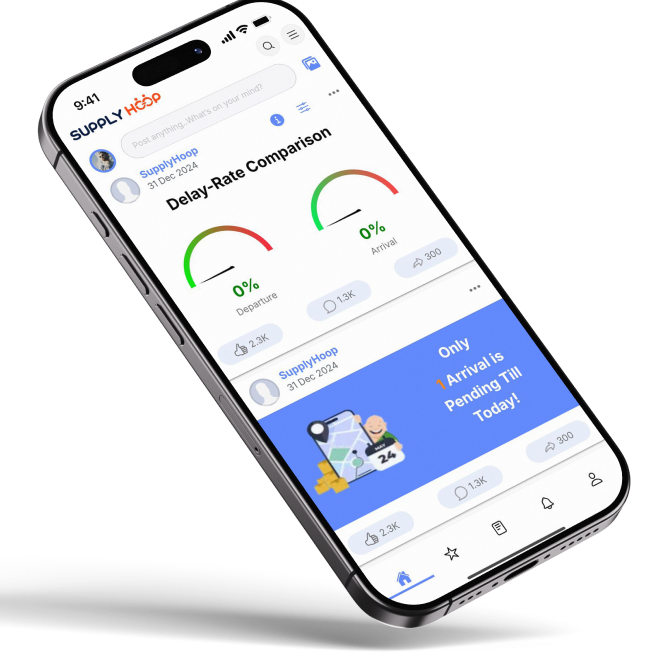
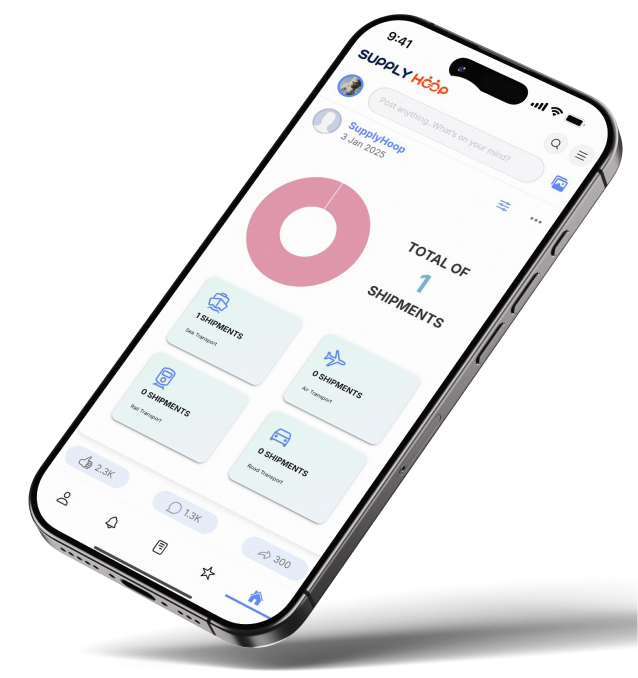
Instead of waiting for reports or logging into multiple systems, teams can now access real-time insights directly from their mobile devices. This effectively turns a smartphone into a live supply chain control point.
With mobile visibility, teams can:
📍 Track product movement across locations in real time
🚨 Identify delays, anomalies, or risks instantly
📊 Monitor how inventory is flowing through the network
📄 Access shipment and compliance information on demand
The biggest advantage is speed. Information is no longer delayed or scattered, it’s centralized and accessible anytime, anywhere.
🤖 Turning Data into Actionable Insight
Having access to data is only part of the solution. What truly matters is how quickly that data can be understood and acted upon.
Modern supply chains generate massive volumes of information, from shipment updates to product-level activity across distribution networks. Without intelligent processing, much of this data goes unused.
This is where advanced analytics and AI-driven systems play a critical role. They help identify patterns, detect anomalies, and highlight risks early.
For example:
🔍 Unusual movement patterns may indicate diversion
⚠️ Inconsistent activity in a region may signal inefficiencies
📈 Sudden spikes in movement can reflect emerging demand
These insights often appear well before traditional reporting cycles catch up, allowing organizations to respond faster and more effectively.
📊 From Distribution Data to Real Demand Signals
Traditional demand planning is largely based on shipment data, which has been sent into the market. However, this approach doesn’t always reflect actual consumption or movement.
Mobile-driven visibility introduces a more accurate perspective by capturing real-time signals from the field. It shows where products are actively moving, where they are slowing down, and where demand is building.
This allows organizations to:
- Align inventory with actual demand
- Avoid overstocking or understocking
- Improve distribution strategies
- Respond faster to changing market conditions
In a dynamic supply chain environment, this level of insight is critical.
🤝 Transparency Builds Trust and Confidence
Today’s customers, partners, and regulators expect more than just delivery, they expect transparency.
They want to know where products come from, how they move, and whether they are authentic. Organizations that can provide clear, real-time visibility gain a strong advantage.
Mobile visibility enables:
📍 Accurate tracking and traceability
⏱️ Faster communication during disruptions
📄 Better compliance with regulatory requirements
🤝 Stronger relationships with customers and partners
When information is clear and accessible, confidence increases. And in competitive markets, confidence directly impacts retention and growth.
🌍 The Shift Toward Always-On Supply Chains
Supply chains are no longer static systems, they are dynamic networks that require continuous monitoring.
Organizations that rely on delayed reporting struggle to keep up with rapid changes. In contrast, those with real-time, mobile-enabled visibility operate with greater control and flexibility.
To stay competitive, businesses now need:
📡 Continuous real-time visibility
📱 Mobile access to operational data
⚡ Faster response to disruptions
🔎 Early identification of risks
When these capabilities come together, operations become more predictable, and disruptions become easier to manage.
🚀 Final Thought: Visibility is No Longer Optional
In today’s supply chain landscape, the biggest risk isn’t disruption, it’s not seeing it in time.
Organizations that continue to operate with blind spots will find it increasingly difficult to compete. Those that invest in real-time, mobile-driven supply chain visibility will move faster, make better decisions, and build stronger, more resilient operations.
If you want to stay ahead in an increasingly complex world, it’s time to strengthen your supply chain visibility.