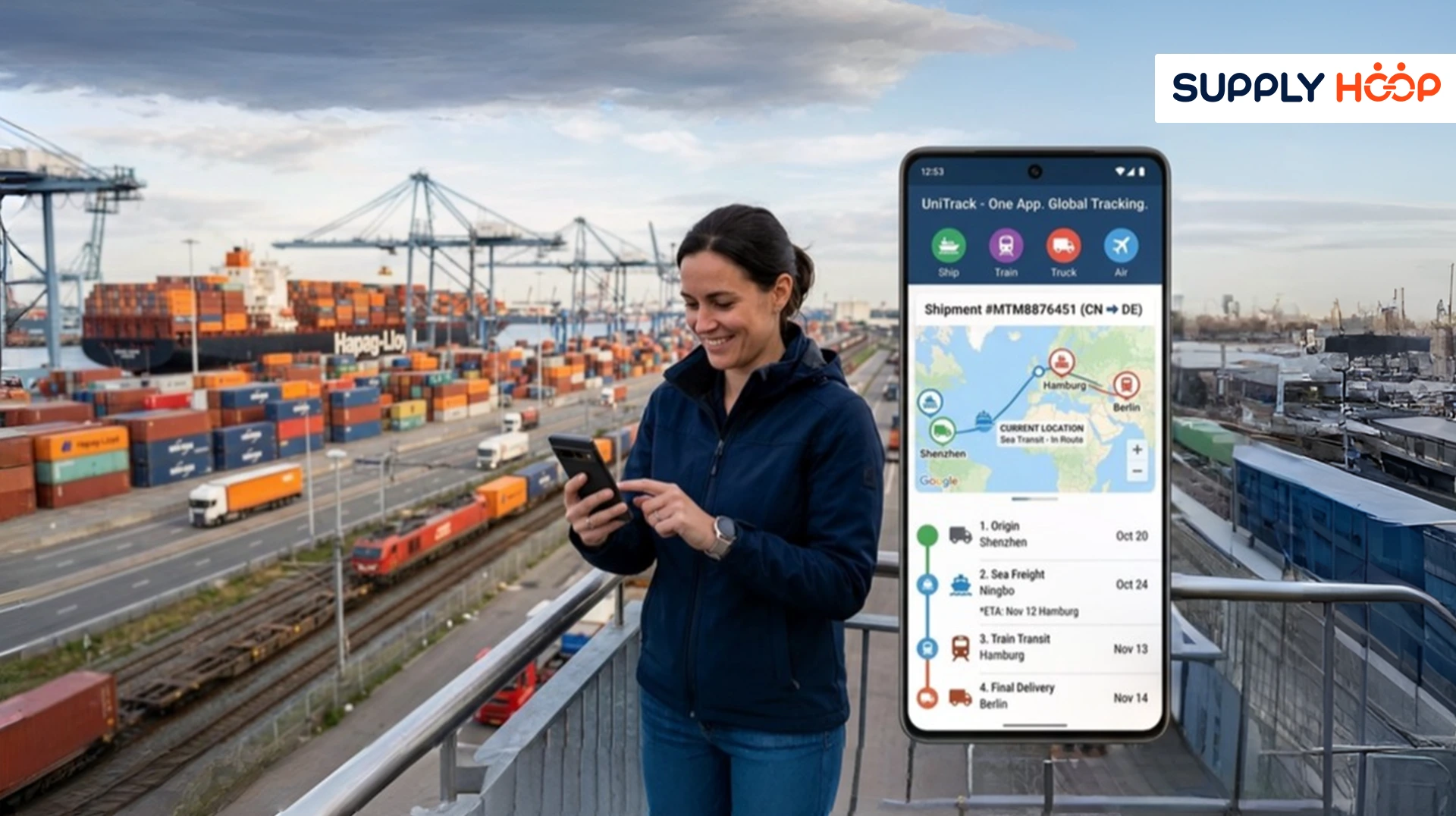
A shipment may begin its journey on a vessel, move through an inland rail terminal, continue by truck, and finally arrive at the consignee’s warehouse. To the customer, it is one shipment. But for logistics teams, it often feels like several disconnected operations happening at once.
Each transport mode comes with its own carrier updates, milestone formats, tracking portals, documents, and timelines. Ocean freight may show one ETA, the rail leg may change without warning, and the final truck delivery may depend on both. When these updates are scattered, teams spend more time collecting information than managing the shipment.
This is why multi-modal shipment tracking through a single mobile app has become so important. It gives logistics professionals one connected view of the entire cargo journey, from origin to final delivery.
Why is Multi-Modal Tracking More Challenging Today?
Modern supply chains rarely depend on one transport mode. Freight forwarders and logistics teams often combine ocean, air, rail, and road to balance cost, speed, and reliability. This flexibility is useful, but it also increases operational complexity.
The real challenge is not only moving cargo across different modes. The bigger issue is keeping every milestone connected. If a vessel is delayed, the rail booking may need to change. If customs clearance takes longer, the final truck delivery may be missed. If one update is delayed, the entire shipment plan becomes uncertain.
Without one central visibility layer, teams may have to check multiple systems, carrier websites, ERP platforms, emails, and WhatsApp messages just to understand where one shipment stands.
What a Single Mobile App Changes?
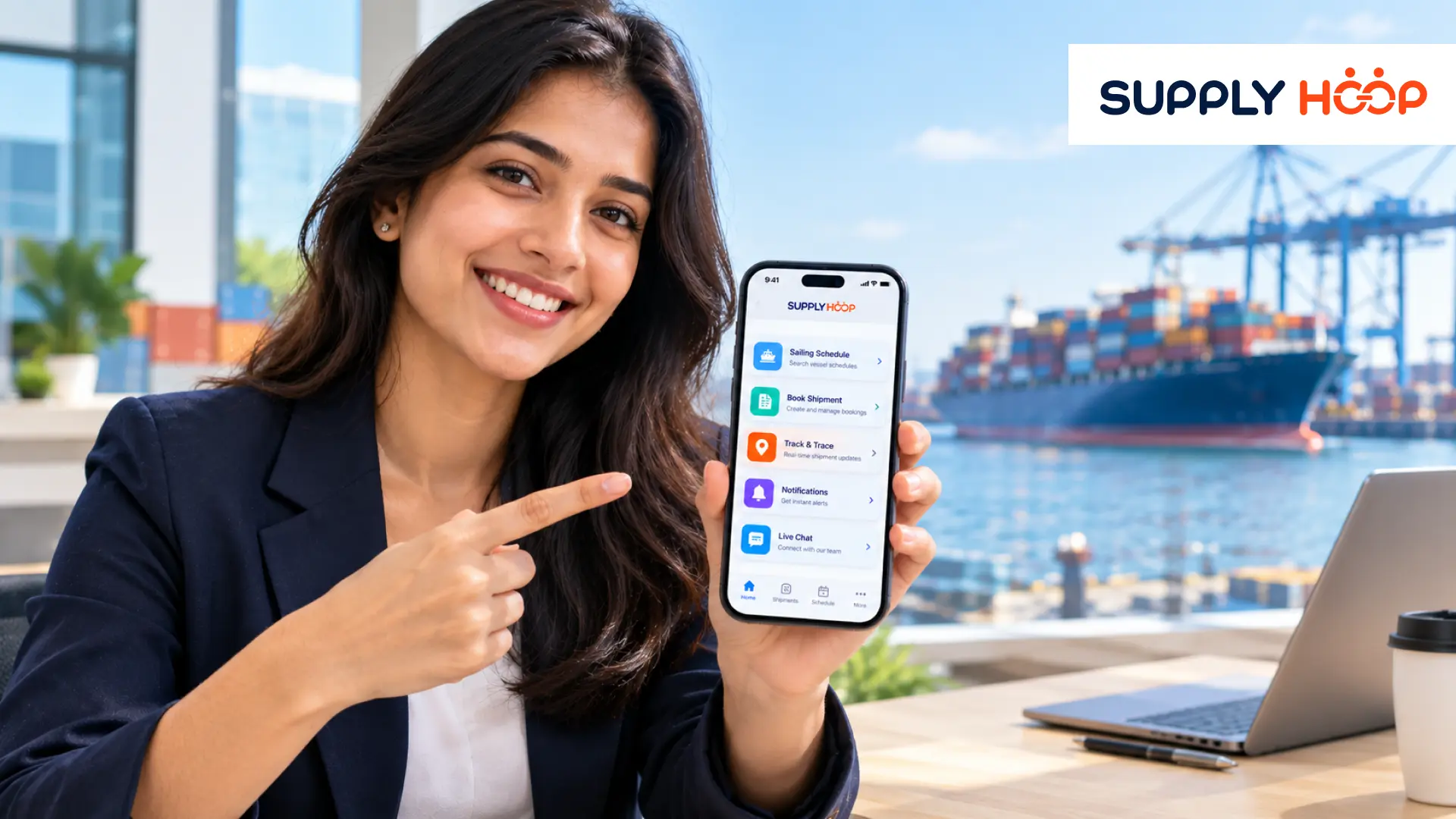
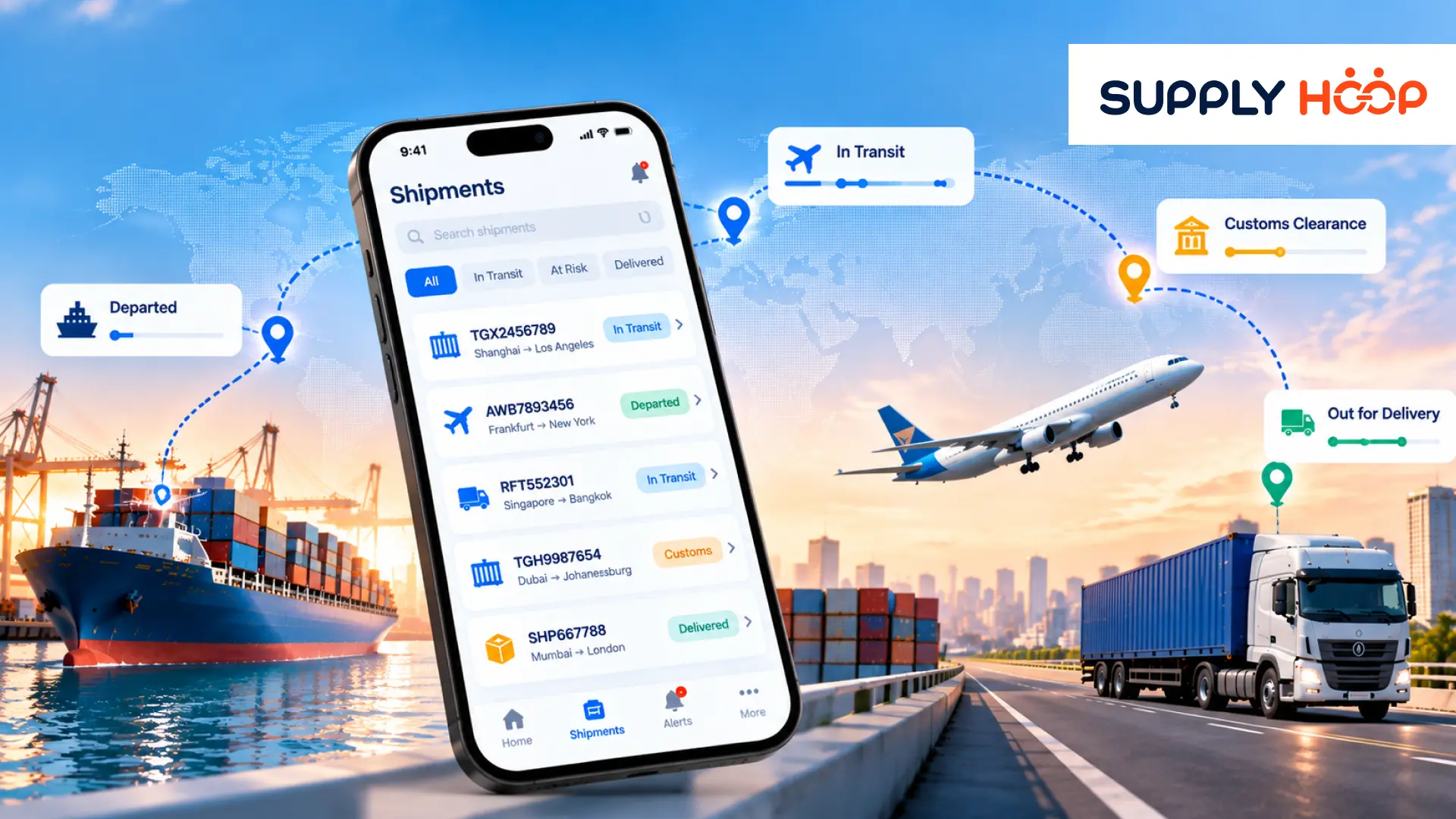
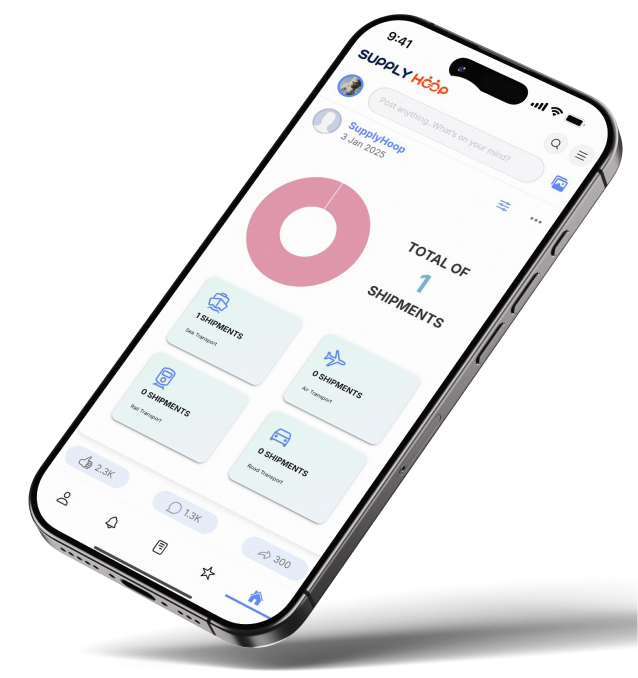
A mobile app brings all shipment legs into one easy-to-access view. Instead of treating ocean, rail, road, and air updates separately, it connects them into one timeline.
Through one mobile interface, logistics teams can monitor shipment progress, updated ETAs, milestone changes, customs status, delivery movement, and exceptions. This makes it easier to understand not just where the cargo is, but what impact each update has on the rest of the journey.
For example, if the ocean leg is delayed by two days, the app can help teams identify how that delay affects rail departure, warehouse receiving, and final delivery planning. This kind of connected visibility helps teams respond earlier and avoid last-minute surprises.
Real-Time Visibility Across Every Shipment Leg
A strong multi-modal tracking app should provide real-time visibility across all major transport modes. That means shipment updates should not stop when cargo changes hands from one carrier to another.
The app should help teams track ocean freight milestones, air cargo status, rail movement, trucking progress, customs clearance, and final delivery updates in one place. This improves planning because everyone works from the same live information instead of depending on delayed or incomplete updates.
Real-time visibility is especially important when shipments are time-sensitive, high-value, or linked to production and inventory planning. A small delay in one leg can create larger problems downstream if teams do not know about it early.
Why Mobile Access Matters in Multi-Modal Logistics?
Multi-modal logistics does not happen from one desk. Operations teams are often moving between warehouses, ports, terminals, customer meetings, and transport coordination points. If tracking is only available through desktop systems, response time slows down.
A mobile app gives teams access to shipment status wherever they are. They can check updates during a customer call, review an ETA while walking the warehouse floor, or respond to a delay while away from the office.
This mobility turns shipment visibility into a practical daily tool. Teams do not need to wait until they return to their laptops. They can act immediately.
AI-Powered Insights Make Tracking Smarter
Tracking data is useful, but AI-powered insights make it easier to understand what matters. Instead of manually reviewing every shipment, teams can rely on AI to highlight risks, delays, and exceptions.
An AI logistics assistant inside a mobile app can help users ask simple questions such as, “Which shipments are delayed today?” or “Which transport leg is causing the issue?” The system can then pull live data and provide clear answers.
This saves time and reduces the need to search across multiple dashboards. More importantly, it helps teams focus on the shipments that need attention first.
Real-Time Alerts Help Prevent Downstream Disruption
In multi-modal shipments, delays often create a domino effect. A late vessel arrival can affect rail booking, warehouse labor, truck appointments, and customer delivery expectations.
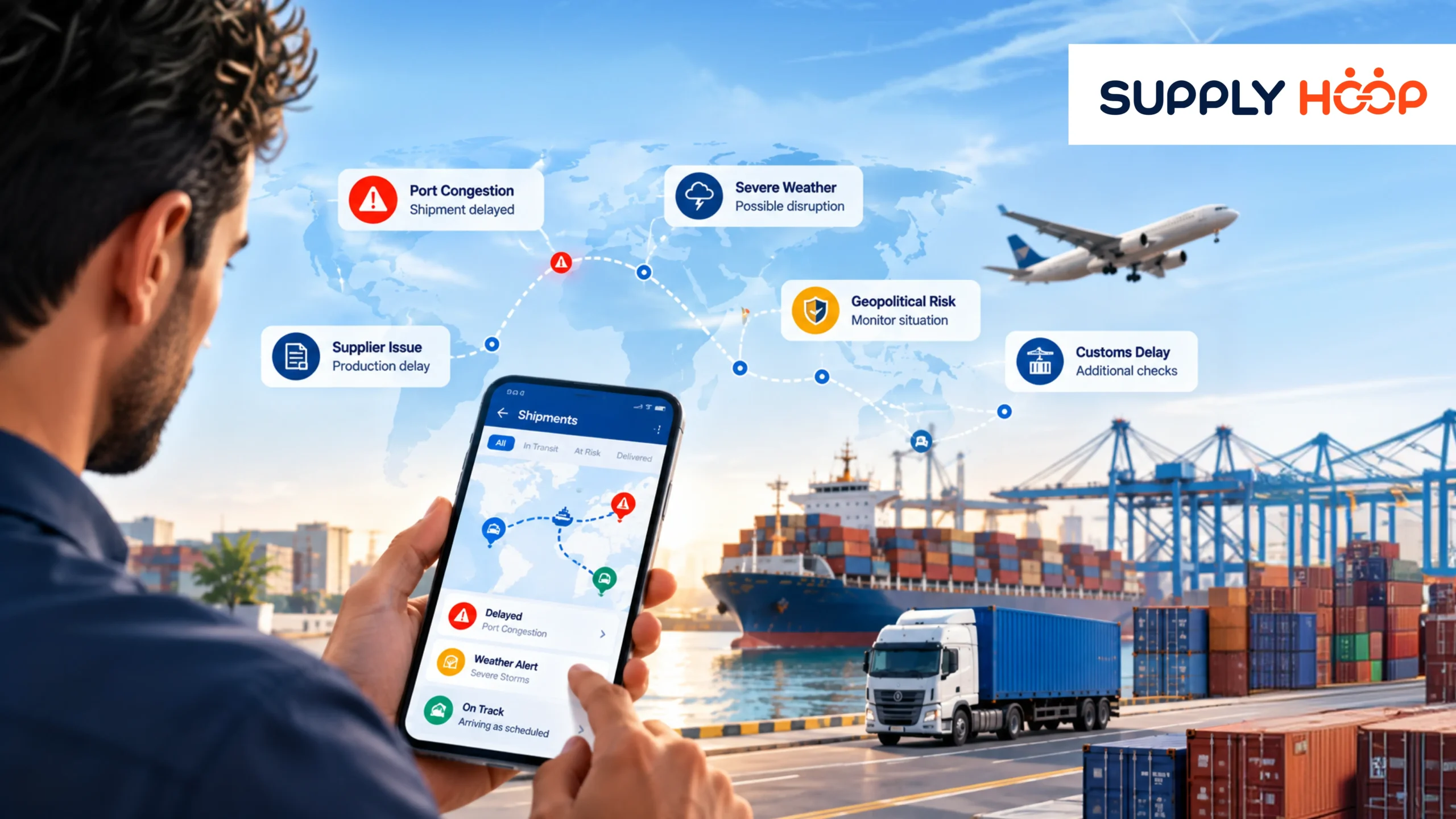
A mobile app with real-time alerts helps teams catch these changes early. If an ETA changes, a milestone is missed, or cargo is rerouted, the system can notify the right people immediately.
These alerts allow teams to update customers, rebook transport, adjust warehouse plans, and prevent avoidable costs. The earlier the update is visible, the more options teams have.
Better Customer Communication Through One Connected View
Customers do not want separate updates for each transport leg. They want one clear answer: where is my shipment, and when will it arrive?
A single mobile tracking app helps freight forwarders provide accurate, connected updates. Instead of saying, “Let me check with the carrier,” teams can view the latest status instantly and respond with confidence.
This improves customer trust because communication becomes faster, clearer, and more reliable. Even when delays happen, customers appreciate timely and accurate updates.
Integration with Existing Logistics Systems
A good mobile tracking solution should not force companies to replace the platforms they already use. It should integrate with existing systems such as CargoWise, ERP platforms, TMS solutions, carrier APIs, and third-party tracking providers.
This integration is important because it keeps data consistent. Shipment milestones, booking details, document updates, and delivery information can flow automatically into the mobile app without duplicate entry.
When systems are connected, teams spend less time updating records and more time managing outcomes.
WhatsApp Integration for Faster Updates
Many logistics teams already use WhatsApp for daily communication. When WhatsApp is connected to shipment visibility, updates can move faster and with better context.
Shipment milestones, ETA changes, and delay notifications can be shared automatically through WhatsApp. This reduces repeated follow-ups and helps customers and partners stay informed without waiting for manual messages.
The value is not just faster communication. It is better-aligned communication based on live shipment data.
Why is Unified Multi-Modal Tracking Becoming Essential?
As supply chains become more global and flexible, multi-modal logistics will continue to grow. Companies need transport options that balance speed, cost, and reliability. But flexibility only works when visibility is strong.
A single mobile app gives logistics teams the control they need to manage complex shipment journeys. It helps connect transport legs, reduce information gaps, improve response time, and strengthen customer communication.
In today’s environment, visibility is not just about knowing where cargo is. It is about understanding how every movement affects the full supply chain.
Conclusion
Multi-modal shipments should not require teams to chase updates across four different systems. A single mobile app brings the entire shipment journey together across air, ocean, rail, and road.
With real-time tracking, AI-powered insights, system integration, and mobile access, logistics teams can manage shipments with more confidence and less confusion. They can respond faster, communicate better, and reduce the risk of downstream disruption.
If your team is ready to simplify multi-modal shipment tracking and gain true end-to-end supply chain visibility, then book a demo and see how a mobile-first visibility platform can help you manage every shipment journey from one place.