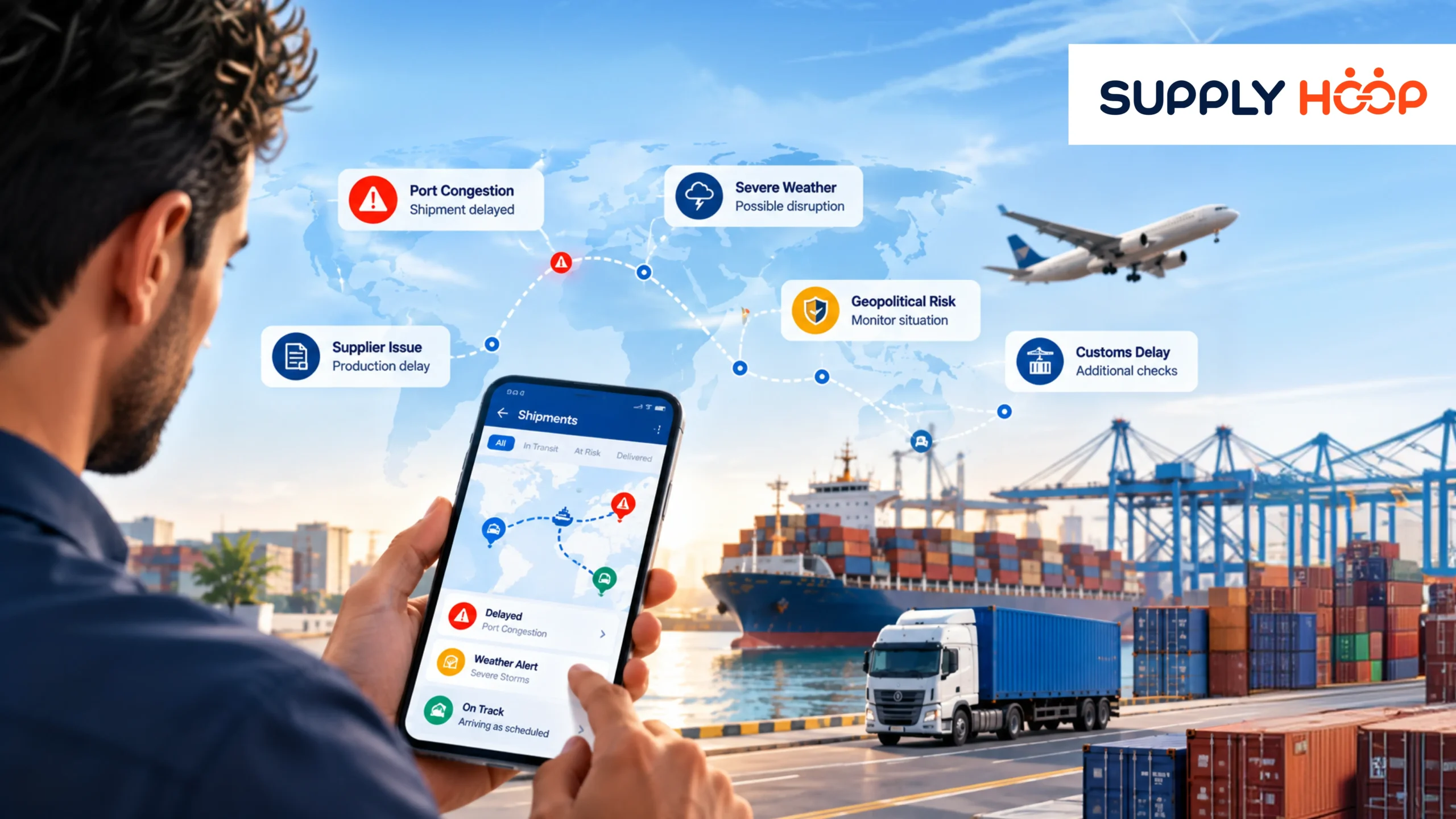
A vessel ETA changes by two days. Operations notices first. The warehouse is still working with yesterday’s arrival plan. Customer service has already communicated the old ETA. The customer sends a message asking whether delivery is still on schedule, while the carrier has another update sitting in a separate system.
Everyone is working on the same shipment, but everyone has a different version of what is happening.
That is one of the biggest weaknesses in supply chain collaboration today.
Modern logistics involves freight forwarders, carriers, suppliers, customers, customs teams, warehouses, transport providers, and internal departments. Effective collaboration depends on giving these stakeholders timely access to the information they need and a simple way to act on it together. Current research continues to identify information sharing as a strategic requirement for stronger supply chain collaboration, while UNECE’s 2026 work on multimodal visibility emphasizes timely event sharing and standardized operational data as foundations for better collaborative planning.
A mobile supply chain collaboration app takes this idea beyond another communication channel. It connects live shipment information, conversations, documents, exceptions, approvals, and customer updates around the actual logistics activity.
What does Supply Chain Collaboration Really Mean?
Supply chain collaboration is often described as better communication between partners. That’s only part of it.
Good collaboration means the right people can see the same operational situation, understand what has changed, decide what needs to happen next, and coordinate the response without spending hours collecting information.
Consider a container whose ETA suddenly changes.
Without connected collaboration, operations might receive the update first and then separately notify the warehouse, customer service, transport provider, and customer.
With a mobile collaboration platform, the changed ETA becomes visible immediately. The relevant teams can discuss the shipment, update delivery plans, notify the customer, and coordinate the next action using the same live information.
That’s the difference between communicating about the supply chain and collaborating inside it.
Why Email and WhatsApp Alone aren’t Enough?
Email and messaging apps aren’t the problem. They are useful communication tools. The problem begins when critical operational information exists only inside conversations.
A message saying, “Container delayed until Friday,” may help the recipient at that moment. But where does that information sit afterward? Has the warehouse seen it? Was the delivery appointment changed? Does customer service know? Is the shipment record showing the new ETA?
This fragmentation forces people to become the connection between systems.
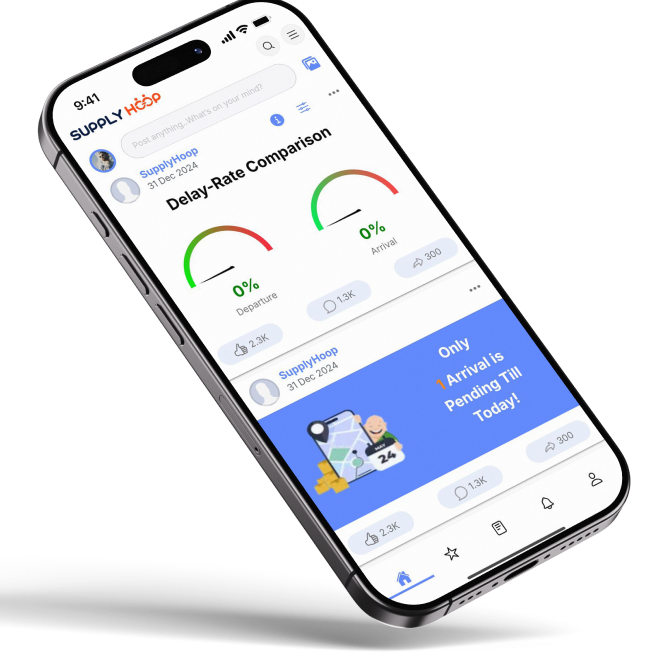
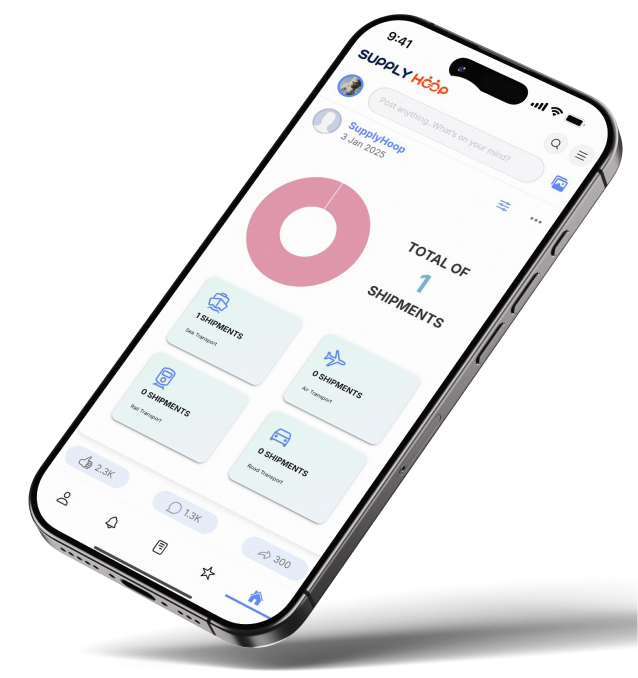
A mobile collaboration platform keeps the conversation tied to the shipment, purchase order, document, or exception it concerns. Users can comment, share, and discuss updates within a common workflow. Supply Hoop, for example, combines real-time shipment information with collaboration, self-service tools, exception notifications, and a unified view of logistics activity.
Put the Shipment at the Center of the Conversation
One of the most useful changes mobile collaboration brings is context.
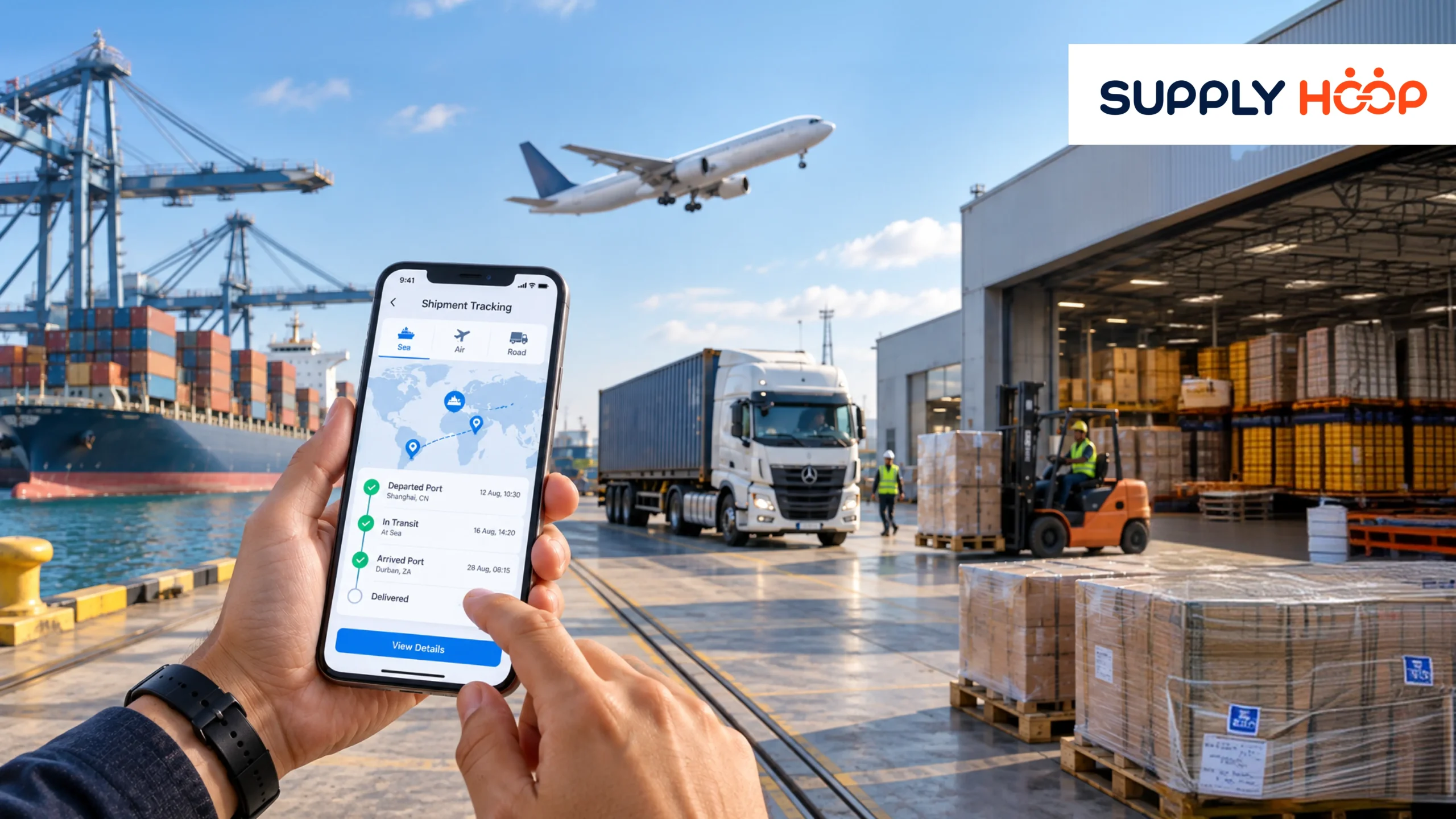
Instead of sending a generic message saying, “What’s happening with ABC shipment?”, users can open the actual shipment and see its current location, ETA, latest milestone, documents, and exceptions before starting the conversation.
The discussion now happens with the operational context already available.
For example, a team member could see that a vessel’s ETA has changed, comment on the shipment asking whether the delivery appointment should be moved, tag the appropriate colleague, and keep the resulting decision connected with that shipment.
When someone checks the shipment later, they don’t have to reconstruct what happened from emails and chat history.
Make Exception Management Collaborative
Collaboration becomes most valuable when something goes wrong.
A customs hold, missed sailing, delayed flight, route deviation, missing document, or late supplier order usually requires several people to respond. The longer it takes to identify the issue and coordinate those people, the greater the potential operational impact.
A mobile app can push exception notifications directly to the responsible users. The team can then see what happened and coordinate the response immediately.
For example:
- Operations sees a customs hold and checks what is missing.
- The documentation team uploads the required document.
- Customer service sees the same exception and informs the customer.
- The transport team adjusts the pickup schedule.
- Management can monitor whether the issue has been resolved.
This is where visibility starts producing operational value. FedEx’s 2026 logistics intelligence research found that 97% of surveyed leaders said visibility alone is no longer enough for competitive advantage; the next step is turning logistics information into insights and action.
Bring Documents into the Same Collaboration Flow
Documents are another common source of disconnected work.
A customer needs a bill of lading. Operations has one version. Another copy is sitting in an email. Someone else has the corrected document. Before anything can be shared, the team first needs to determine which version is current.
Mobile document visibility keeps important shipment documents connected with the shipment itself.
Teams can access and share bills of lading, invoices, packing lists, customs documents, proof of delivery, and other files without leaving the workflow. When document access becomes part of collaboration, the conversation changes from “Can somebody find this?” to “Here is what you need.”
Give Customers Visibility Without Creating More Work
Good collaboration shouldn’t require customers to constantly contact their freight forwarder.
A customer who can see shipment milestones, documents, exceptions, purchase order progress, and delivery information becomes an active participant in the visibility process rather than someone waiting outside it.
That doesn’t mean exposing every internal detail. Effective collaboration also requires controlled access. Research published in 2026 highlights the importance of balancing supply chain visibility and inter-organizational collaboration with privacy, security, and control over shared information.
The goal is simple: give each stakeholder the information relevant to them without exposing information they don’t need.
Use WhatsApp Without Disconnecting it from Logistics
WhatsApp is already part of everyday logistics communication. Trying to remove it from the workflow isn’t realistic.
A better approach is to make it part of the visibility experience.
When WhatsApp is integrated with the supply chain platform, shipment milestones, ETA changes, exceptions, and other relevant updates can reach customers through a channel they already use.
That means fewer repetitive “Any update?” conversations and less manual copying of shipment information from one system into another.
The underlying shipment data remains the source of truth, while WhatsApp becomes one way of delivering that information.
Ask Supply GPT Instead of Asking Five Different People
Collaboration can also break down because people don’t know who has the answer.
A customer service representative may ask operations. Operations checks with documentation. Documentation asks another team. A simple question turns into a chain of internal messages.
An AI logistics assistant such as Supply GPT can shorten that chain.
Users can ask questions in plain language, such as:
- Which shipments need attention today?
- What orders are delayed?
- Which containers are waiting for customs clearance?
- Are any shipment documents still pending?
- What cargo is arriving this week?
Supply GPT uses the connected operational information to surface answers quickly. The benefit isn’t simply AI for the sake of AI. It’s reducing unnecessary internal dependency so people can collaborate on decisions rather than spend their time locating basic information.
Connect Collaboration to the Systems You Already Use
A collaboration app becomes another silo if users have to manually recreate information inside it.
That’s why integration matters.
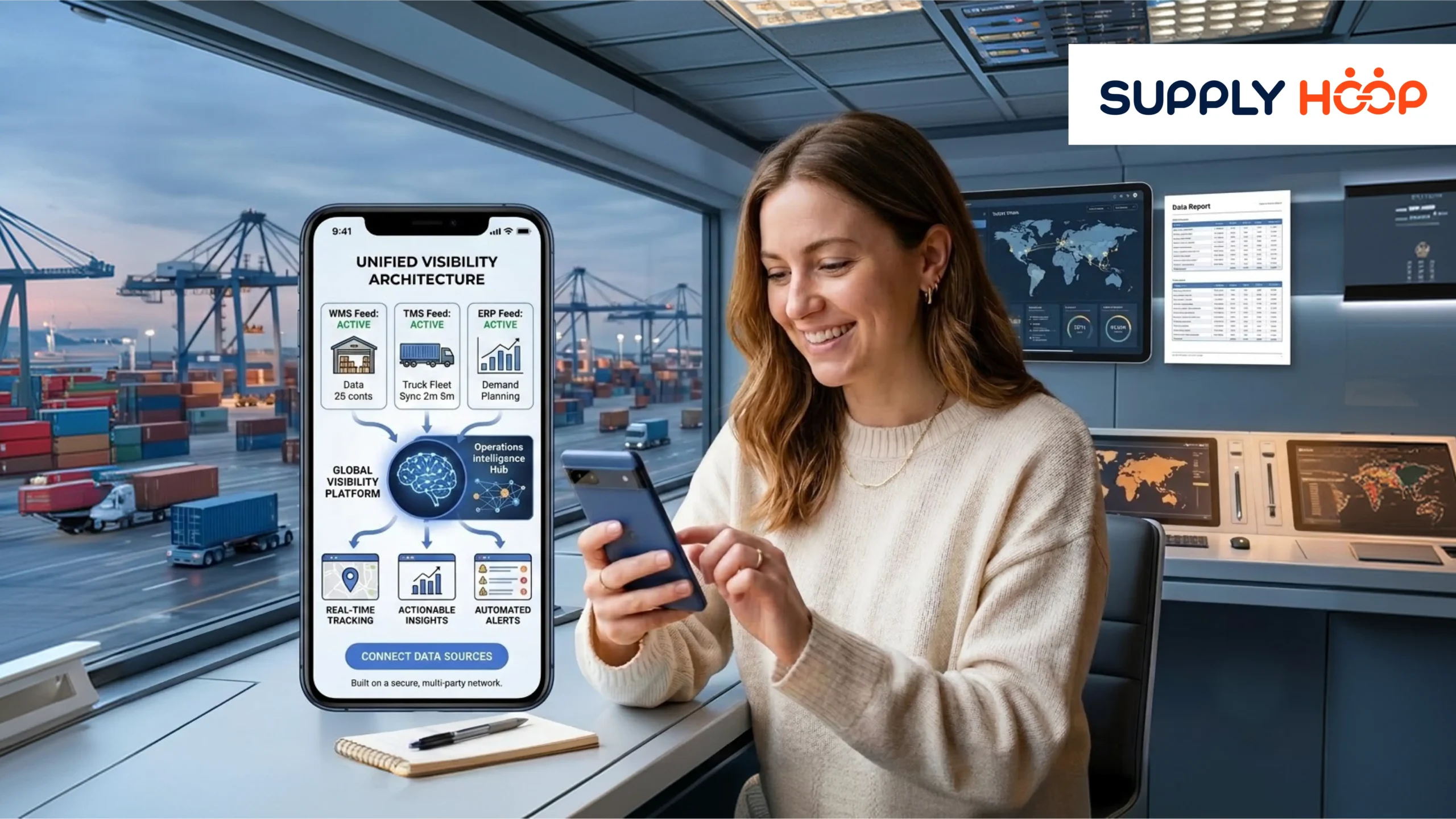
For freight forwarders using CargoWise or businesses working with ERP, TMS, carrier, warehouse, and other third-party systems, the mobile layer should pull operational information from those existing sources.
Supply Hoop is designed to consolidate logistics information and collaboration into a mobile experience while integrating with freight forwarders’ existing systems and supporting visibility across multiple providers.
The objective isn’t to replace every platform. It’s to make the information already inside those platforms easier for people to see, discuss, share, and act on.
What Better Collaboration Looks Like in Daily Operations?
The strongest sign of improved supply chain collaboration isn’t more messages. It’s fewer unnecessary ones.
Customers don’t have to repeatedly request ETAs because they already have visibility. Customer service doesn’t have to ask operations for every update. Operations doesn’t have to search email threads to understand an exception. Managers don’t need to wait for a weekly report to see what needs attention.
Instead, people come together when a decision actually needs to be made.
That’s what a connected mobile app can change: not simply how much information is shared, but how efficiently everyone works around that information.
Turn Visibility into Teamwork
A shipment can be visible and still be poorly managed if nobody knows what to do with the information.
Real supply chain collaboration happens when visibility, communication, documents, exceptions, customers, and decisions come together around the same live operational picture.
A mobile app puts that environment in everyone’s hands. Add Supply GPT for faster answers, WhatsApp integration for practical customer communication, document access for easier sharing, and connectivity with CargoWise or other existing systems, and visibility becomes something teams can actually work with.
Ready to move beyond disconnected updates? Book a demo and see how Supply Hoop can turn end-to-end supply chain visibility into real-time collaboration between your teams, customers, and logistics partners.