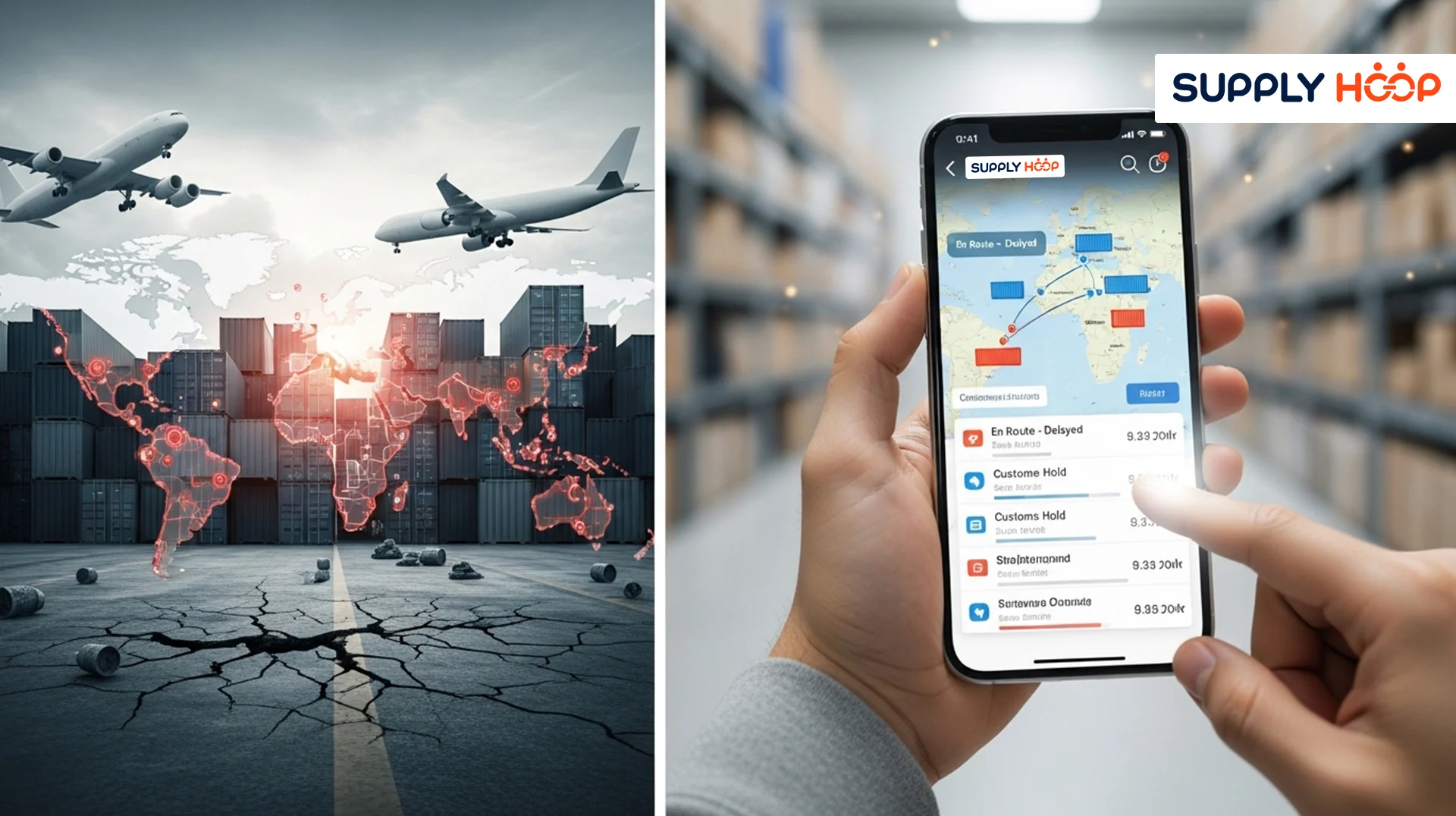
A conflict in one region can ripple across the entire global trade network within hours. A single geopolitical escalation can close airspace, reroute vessels, delay cargo, and push freight costs higher overnight. For logistics professionals, these events are no longer distant political headlines, they are operational disruptions that directly impact shipment timelines, customer commitments, and financial performance.
Over the past few years, global supply chains have experienced multiple disruptions triggered by geopolitical tensions. Conflicts affecting major trade corridors, restrictions around strategic waterways, sanctions, and security concerns have all forced airlines and ocean carriers to change routes or suspend services.
For freight forwarders, the biggest challenge is not only the disruption itself but the lack of immediate visibility into what is happening with shipments once global events begin to affect transportation networks.
This is where real-time shipment visibility through a mobile application becomes essential.
Why Geopolitical Conflicts Disrupt Global Trade So Quickly?
Global supply chains depend on predictable transportation routes. Air cargo networks and container shipping lanes are designed around efficiency and speed. When geopolitical tensions arise, those routes can change immediately.
For example, conflicts near strategic regions often lead to:
- Airspace closures or flight rerouting
- Increased security inspections at airports and ports
- Vessel diversions away from high-risk maritime zones
- Congestion at alternative shipping routes
- Longer transit times and higher fuel costs
Air cargo operations are especially sensitive to airspace restrictions. When airlines must avoid certain regions, flights often take longer routes, which increases operational costs and reduces available cargo capacity.
Similarly, container vessels may reroute to avoid high-risk zones, creating delays and congestion at alternative ports.
For freight forwarders managing multiple shipments, these changes can quickly create uncertainty across the supply chain.
The Impact on Air Cargo Operations
Air cargo plays a crucial role in transporting high-value and time-sensitive goods such as electronics, pharmaceuticals, automotive components, and urgent industrial parts. When geopolitical conflicts affect airspace access, airlines must adjust their routes immediately.
This can lead to several operational challenges:
- Longer flight paths that increase transit time
- Reduced cargo capacity due to operational constraints
- Flight cancellations or schedule changes
- Higher freight rates due to limited capacity
For logistics professionals coordinating urgent shipments, even a few hours of delay can disrupt downstream operations such as production schedules or retail distribution.
Without accurate real-time information, it becomes difficult to provide customers with reliable updates.
Container Shipping and Ocean Freight Disruptions
Ocean freight, particularly containerized trade, is also heavily impacted by geopolitical instability. Maritime security risks, port inspections, and rerouting decisions can quickly affect shipping schedules.
Common impacts include:
- Vessel delays caused by rerouting around conflict zones
- Congestion at alternative ports
- Longer sailing times due to detours
- Increased insurance premiums and operational costs
These disruptions affect global trade lanes and may cause delays for thousands of containers simultaneously.
For freight forwarders responsible for coordinating complex shipments, knowing the exact status of cargo becomes critical.
The Visibility Gap During Global Disruptions
One of the biggest problems during geopolitical disruptions is the delay in information flow. Traditional logistics processes often rely on emails, manual updates, or fragmented tracking systems.
When shipments are affected by sudden global events, teams need to know:
- Where the shipment currently is
- Whether the route has changed
- Updated ETAs and transit timelines
- Customs inspection status
- Whether cargo has been delayed or diverted
Without centralized visibility, teams spend valuable time chasing updates from carriers, agents, and partners.
In a rapidly changing environment, delayed information can lead to poor decisions and customer dissatisfaction.
Real-Time Shipment Tracking Through Mobile Apps
Modern supply chains are increasingly turning to mobile-based shipment visibility platforms to bridge this information gap.
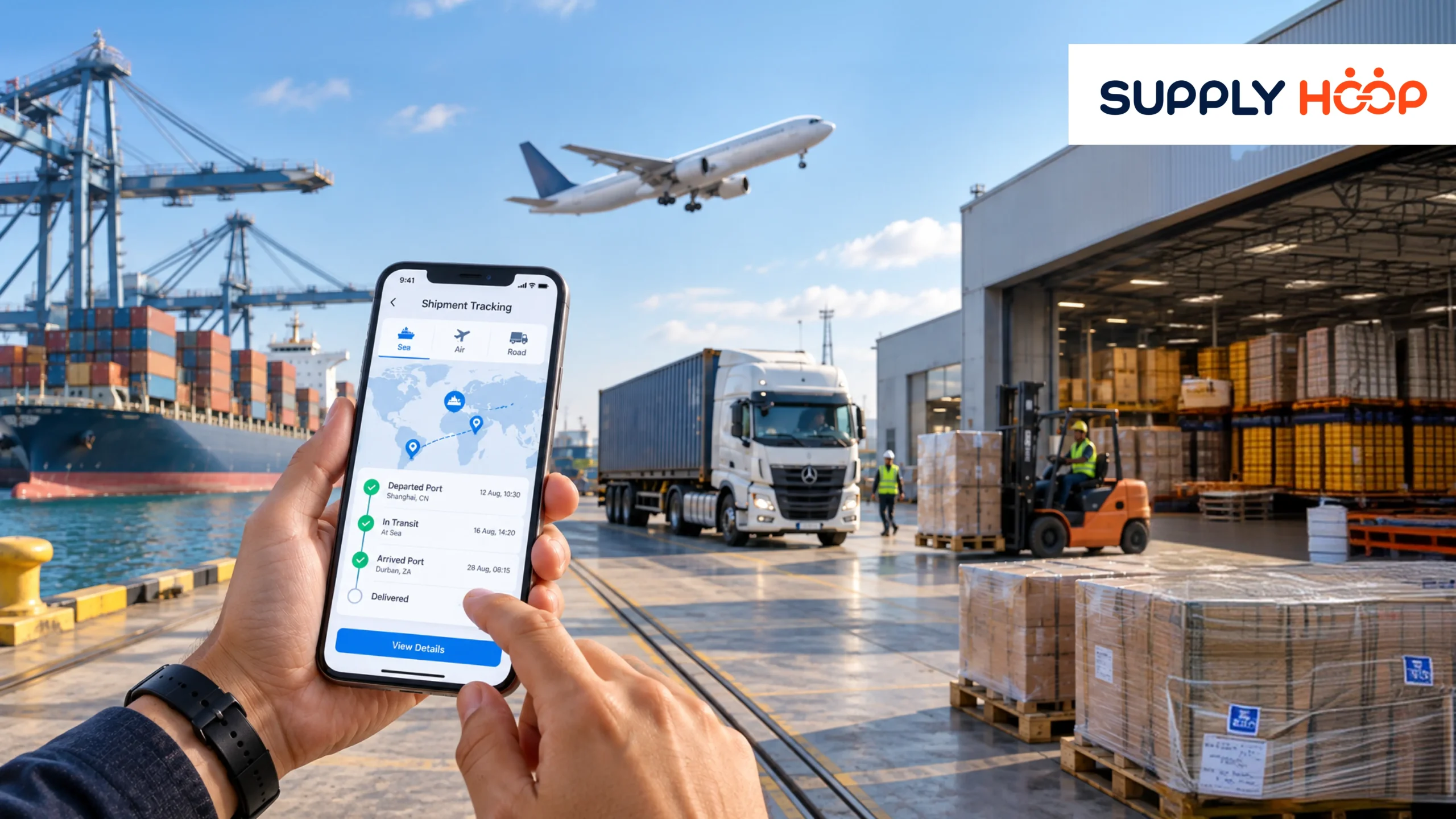
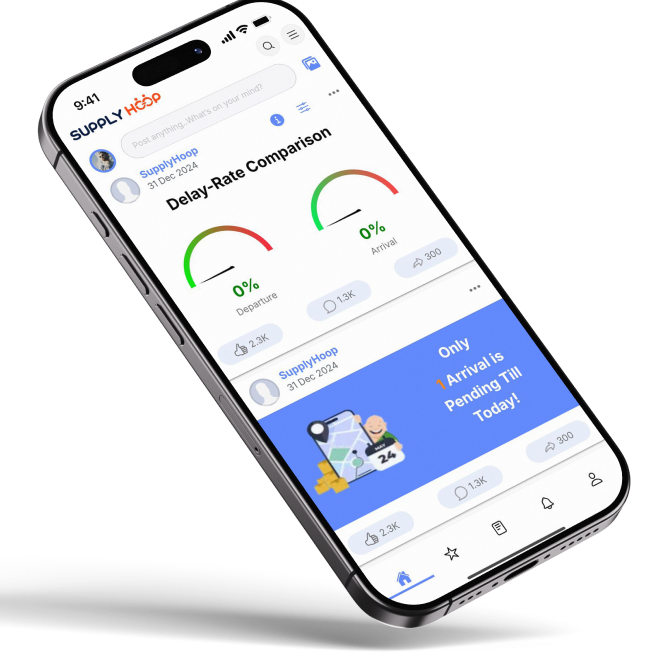
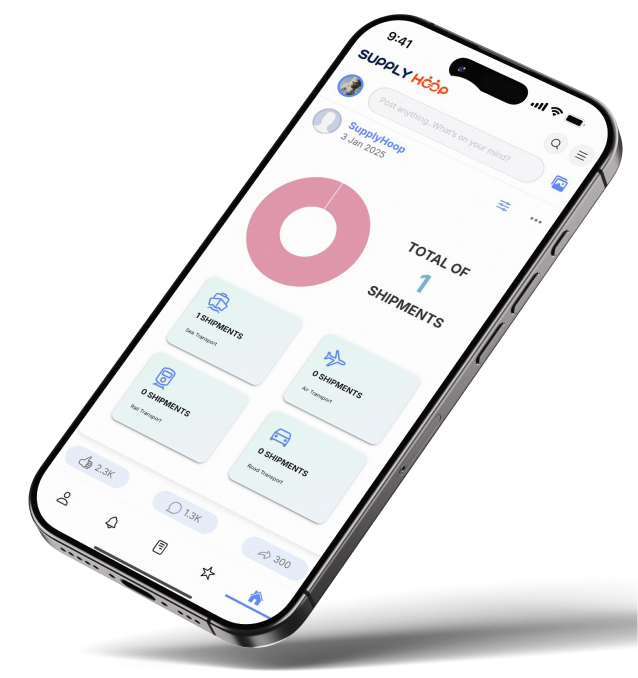
A mobile application connected to logistics systems provides instant access to shipment data anytime, anywhere. Instead of waiting for updates from multiple sources, freight forwarders can monitor cargo progress directly from their mobile devices.
Through a mobile app, logistics professionals can:
- Track shipment locations in real time
- View ETA, ETD, ATA, and ATD updates
- Monitor container movements and milestones
- Receive alerts for route changes or delays
- Access documentation and customs status
This real-time visibility allows teams to stay informed even when disruptions occur unexpectedly.
Responding Faster to Supply Chain Disruptions
The biggest advantage of mobile shipment visibility is the ability to react quickly.
When a geopolitical conflict causes route changes or delays, logistics teams can immediately assess the situation. Instead of waiting for manual updates, they can identify disruptions early and adjust operations accordingly.
Mobile visibility helps teams:
- Inform customers about potential delays
- Adjust delivery schedules
- Coordinate with carriers or partners
- Prepare warehouses for revised arrival times
This proactive response reduces operational stress and protects customer relationships.
Improving Customer Communication During Uncertainty
During geopolitical disruptions, customers want clarity more than anything else. Even when delays are unavoidable, timely communication builds trust.
Mobile shipment tracking allows freight forwarders to provide accurate updates instantly. Customer service teams can confirm shipment locations, explain route changes, and provide revised ETAs without waiting for multiple internal confirmations.
This improves:
- Customer confidence
- Transparency in communication
- Reliability of service commitments
Visibility becomes a critical part of maintaining strong client relationships.
Strengthening Supply Chain Resilience
Geopolitical conflicts will continue to influence global trade. Supply chains must adapt to increasing complexity, changing regulations, and unpredictable disruptions.
Organizations that rely on delayed information will struggle to manage these challenges. However, companies that invest in real-time visibility tools gain a significant advantage.
Mobile-based tracking platforms enable freight forwarders to monitor shipments continuously and respond quickly when conditions change.
Instead of reacting to problems after they escalate, teams can operate with full situational awareness.
The Mobile App as Your Supply Chain Control Tower
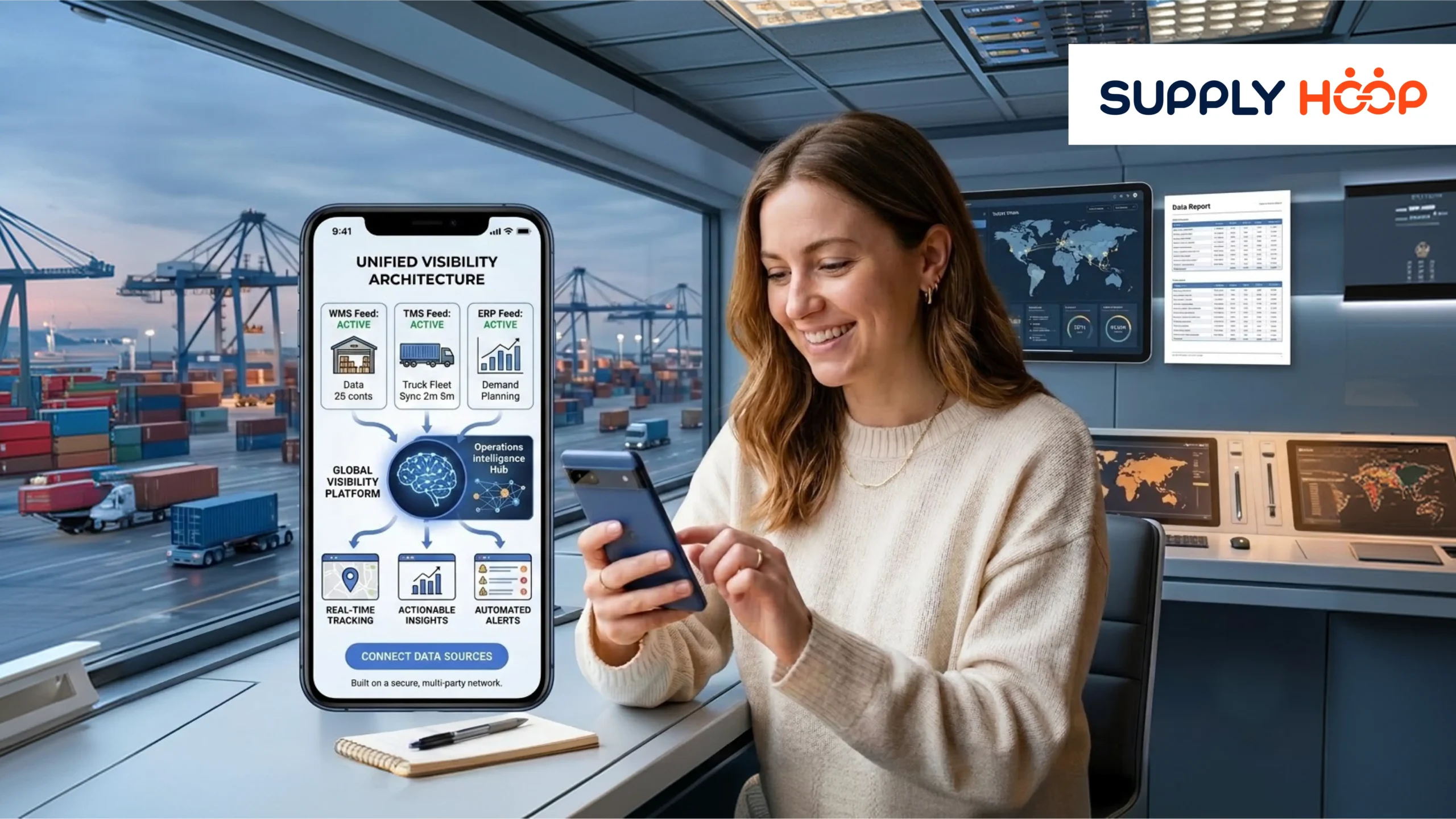
Think of a mobile visibility platform as a control tower for your supply chain. It centralizes shipment data, integrates updates from logistics systems, and provides instant insight into cargo movements.
With real-time mobile visibility, freight forwarders can:
- Monitor shipments across air and ocean transport
- Track container movements globally
- Identify disruptions early
- Improve operational coordination
- Make faster and more informed decisions
In an increasingly unpredictable world, this level of visibility is essential for maintaining control over complex logistics networks.
Conclusion
Geopolitical conflicts will continue to affect air cargo routes and container shipping lanes across the world. While freight forwarders cannot control global events, they can control how quickly they respond to them.
Real-time shipment tracking through a mobile app provides the visibility needed to manage disruptions, communicate effectively with customers, and maintain operational confidence even during uncertain times.
If you want to strengthen your logistics operations and gain true end-to-end supply chain visibility, now is the time to adopt mobile-driven shipment tracking.
Book a demo today and see how real-time mobile visibility can help you stay in control of your shipments, no matter what happens in global trade.