A single vessel detention or unexpected rerouting can quickly ripple across the entire supply chain. A container that was scheduled to arrive this week suddenly shifts to next week. Warehouse schedules change. Production lines wait for missing components. Customers start asking for updated delivery timelines.
For freight forwarders and logistics professionals, these disruptions are no longer rare events. Global trade routes today are influenced by geopolitical tensions, port congestion, weather disruptions, regulatory inspections, and security alerts. When vessels are detained or rerouted, the operational impact spreads across multiple stakeholders.
The key challenge is not just the disruption itself, but the speed at which logistics teams become aware of it. Without real-time insight into vessel movements and shipment status, teams often discover problems too late to respond effectively.
This is where AI-enabled shipment visibility through mobile applications plays a critical role.
Why Vessel Detentions and Rerouting Happen?
Container vessels operate across complex global routes. Several factors can cause ships to pause, detain cargo, or reroute unexpectedly.
Some of the most common causes include:
- Geopolitical tensions affecting maritime corridors
- Security inspections in sensitive regions
- Port congestion or berth unavailability
- Weather conditions affecting navigation routes
- Regulatory compliance checks or customs interventions
- Mechanical or operational issues on vessels
When these events occur, shipping lines may reroute vessels to safer corridors or delay entry into ports. While these decisions prioritize safety and compliance, they create operational uncertainty for logistics providers managing cargo downstream.
The Operational Impact on Freight Forwarders
When vessels are detained or rerouted, logistics operations can quickly become complicated.
Freight forwarders may experience several operational challenges:
- Unexpected changes in arrival schedules
- Missed port connections or transshipment delays
- Warehouse congestion due to rescheduled deliveries
- Inventory shortages caused by delayed shipments
- Increased demurrage or detention costs
Even a small change in vessel movement can affect multiple shipments simultaneously. Without timely visibility, planning becomes difficult and response time slows.
In many cases, teams rely on email updates or manual carrier notifications to learn about these disruptions. By the time the information arrives, the shipment may already be delayed.
Why Traditional Tracking Methods are No Longer Enough?
Traditional shipment tracking often depends on milestone updates recorded at ports or terminals. While useful, these updates may occur hours or even days after an event has already happened.
This creates a visibility gap.
Logistics professionals need to know:
- The exact location of the vessel
- Whether the route has changed
- Updated estimated arrival times
- Potential congestion at alternative ports
- The impact on downstream delivery schedules
Without real-time access to this information, teams spend valuable time chasing updates instead of managing operations.
AI-Driven Mobile Visibility: A Smarter Way to Track Shipments
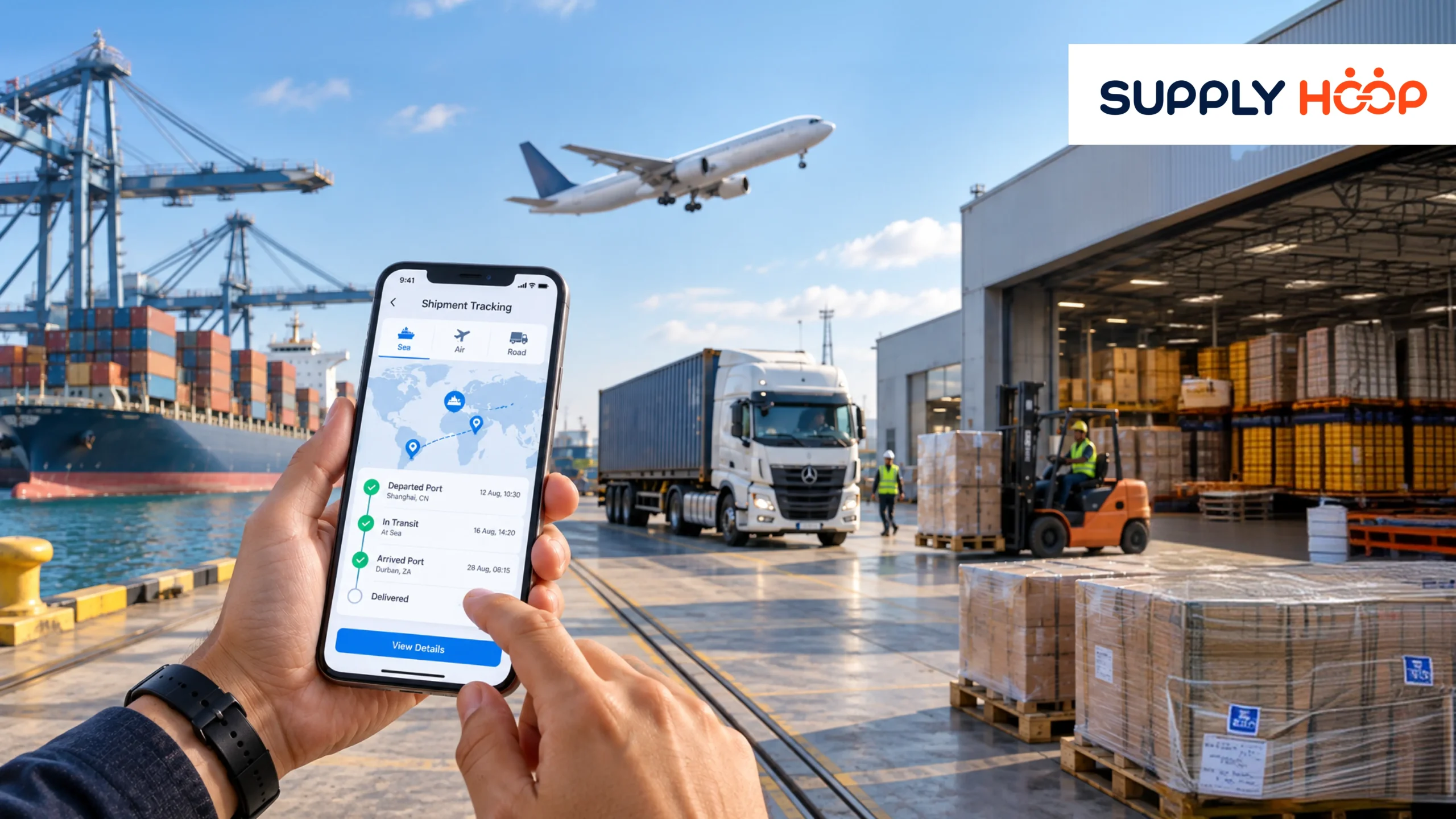
Modern logistics platforms are increasingly integrating AI-powered intelligence with mobile shipment tracking. This combination provides freight forwarders with continuous visibility into vessel movements and shipment milestones.
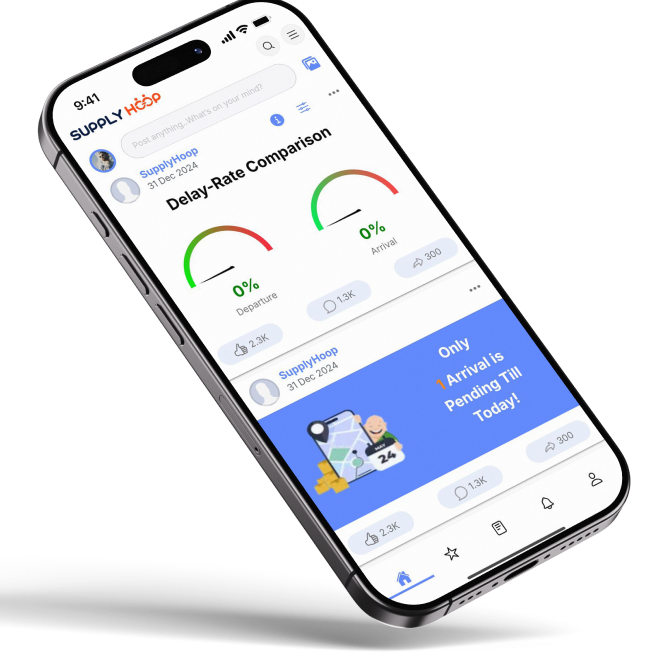
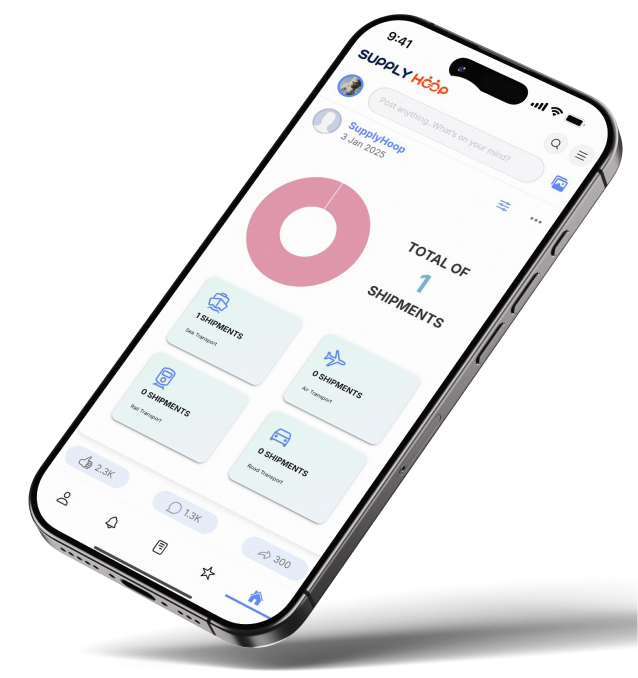
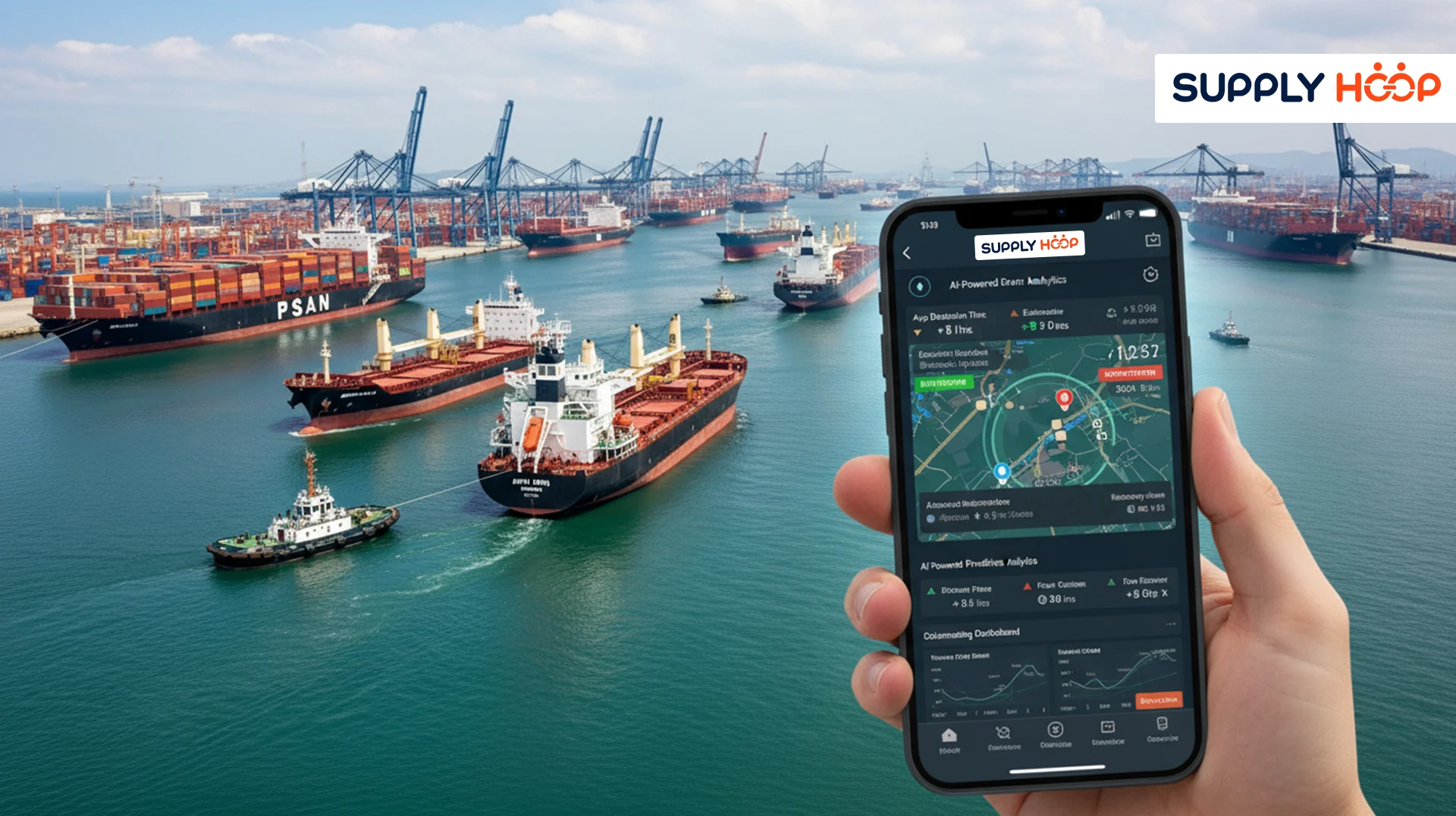
Through a mobile application connected to logistics systems, users can access live operational insights directly from their smartphones.
AI-driven mobile visibility enables teams to:
- Track vessels in real time using global AIS data
- Monitor container and shipment milestones automatically
- Receive instant alerts when routes change or delays occur
- View updated ETAs and transit timelines immediately
- Identify disruptions before they escalate into operational issues
Instead of waiting for manual notifications, teams gain proactive insight into shipment progress.
Predictive Intelligence Helps Prevent Disruptions
AI adds an important advantage to shipment visibility and predictive analysis.
By analyzing vessel speed, route patterns, and port congestion data, AI systems can identify early warning signals that suggest a shipment may be delayed.
Predictive alerts can notify logistics teams when:
- A vessel slows down unexpectedly
- A route deviation occurs
- Port congestion is increasing
- Weather conditions may affect arrival timelines
This intelligence allows freight forwarders to act earlier.
They can notify customers, adjust warehouse plans, or coordinate alternative logistics solutions before disruptions impact operations.
Managing Customer Expectations with Real-Time Updates
When vessels are detained or rerouted, customers want clear answers. Uncertainty can quickly damage confidence in logistics services.
Mobile visibility platforms allow freight forwarders to provide accurate updates immediately. Customer service teams can confirm vessel locations, explain schedule changes, and share revised arrival times without waiting for multiple internal confirmations.
This improves:
- Transparency in communication
- Reliability of delivery commitments
- Customer trust during disruptions
Even when delays occur, timely information helps maintain strong relationships.
Faster Operational Decisions from Anywhere
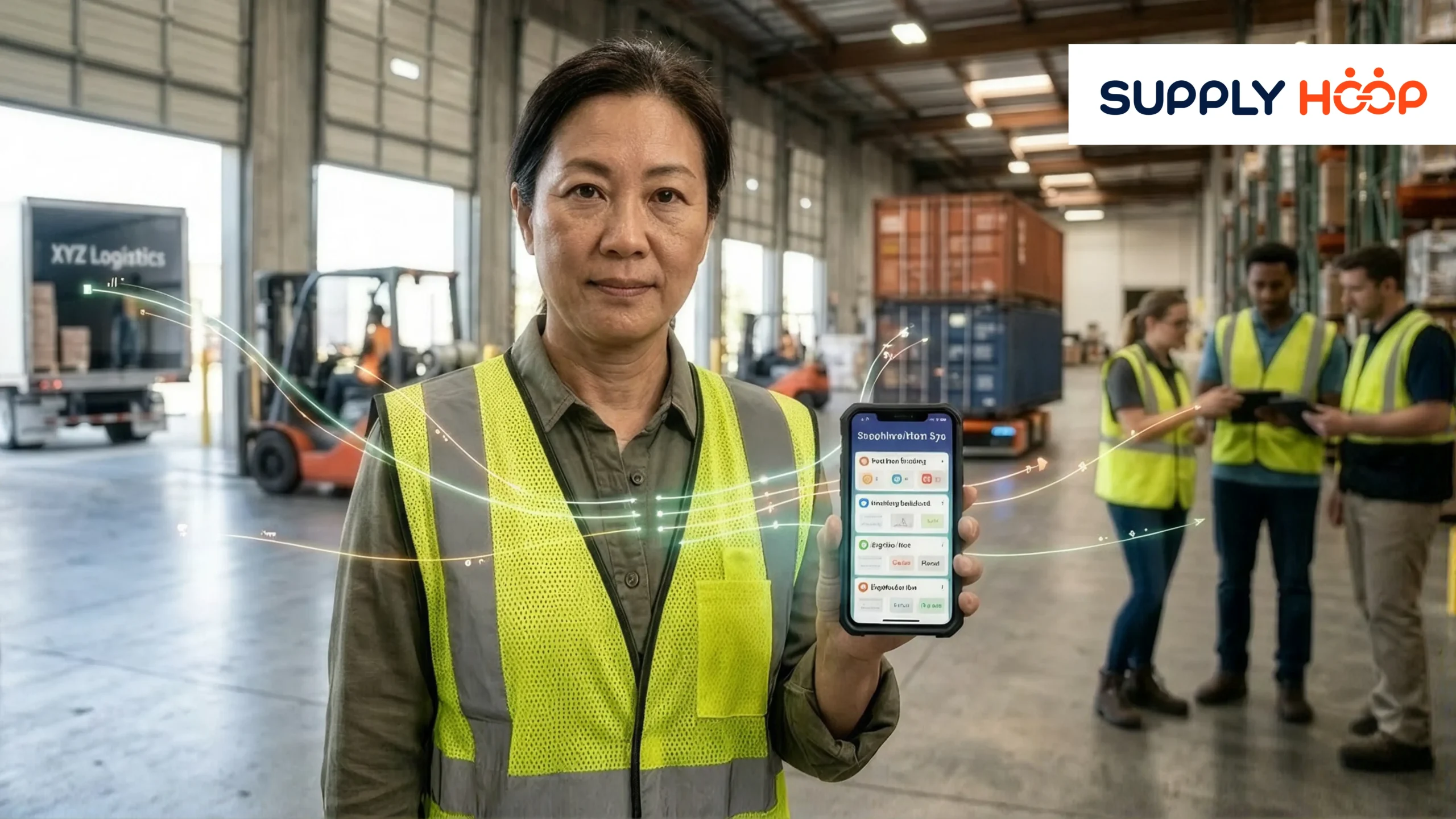
Logistics professionals rarely spend their entire day behind a desk. They move between warehouses, ports, client meetings, and operational sites.
Mobile shipment visibility ensures that critical information is always accessible.
From a mobile device, teams can:
- Monitor vessel movements globally
- Check shipment status instantly
- Review ETA updates and delays
- Coordinate with partners and customers in real time
This mobility allows teams to respond faster when global events affect shipments.
Strengthening Supply Chain Resilience
The logistics environment is becoming increasingly complex. Geopolitical tensions, climate events, and trade regulations can all affect transportation routes without warning.
Organizations that rely on delayed or fragmented information will struggle to adapt.
However, companies that adopt AI-driven shipment visibility and mobile tracking platforms gain a significant advantage. They can monitor shipments continuously, identify disruptions earlier, and make better operational decisions.
Real-time visibility strengthens supply chain resilience.
Turning Your Mobile Device into a Supply Chain Control Center
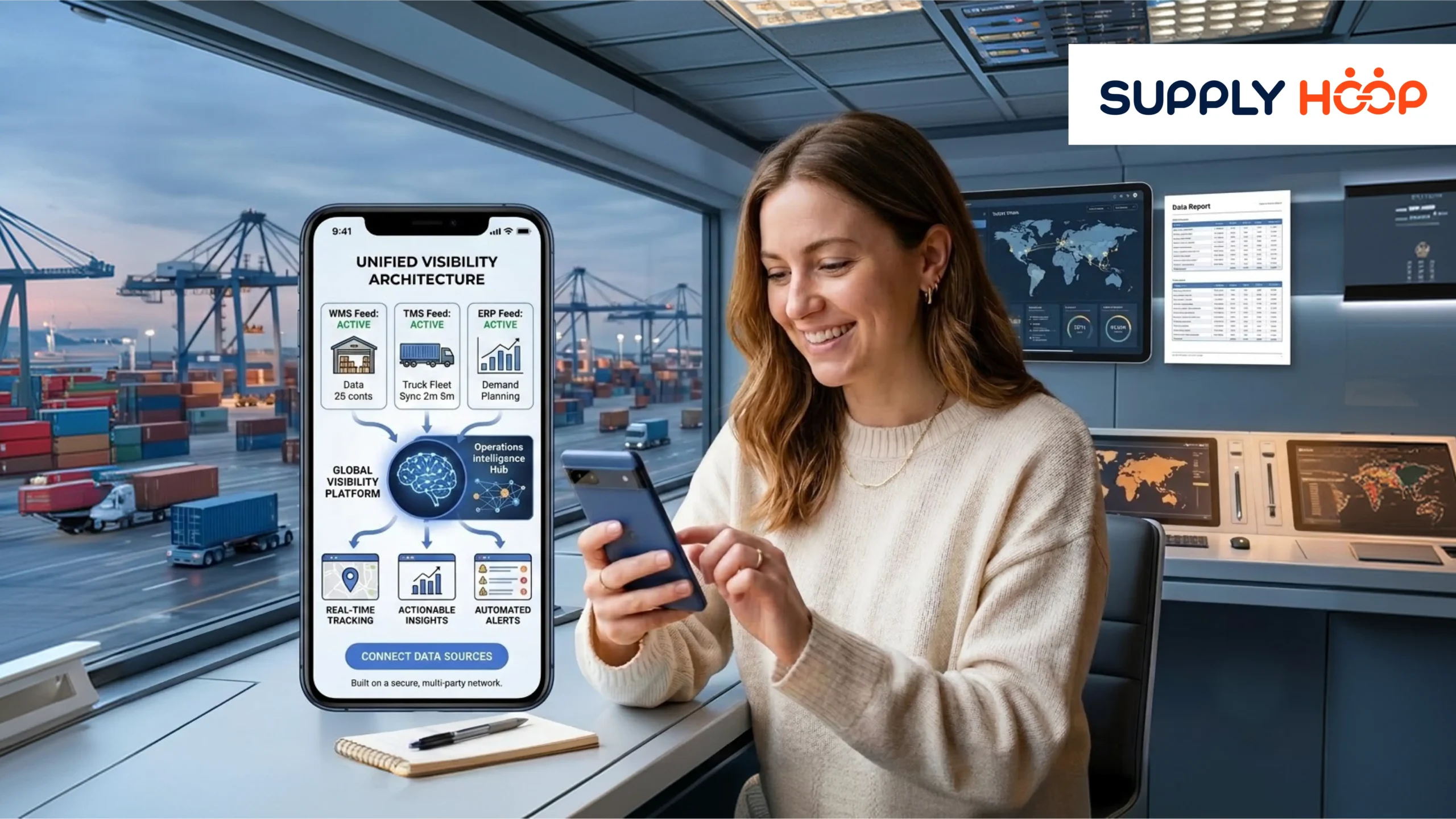
Think of mobile shipment visibility as a portable control tower. It connects operational data, vessel tracking, and predictive insights into a single interface accessible from anywhere.
Through AI-powered mobile apps, logistics teams can:
- Track global vessel movements
- Monitor shipment milestones in real time
- Receive predictive alerts for potential delays
- Respond quickly to disruptions
This centralized visibility helps organizations stay in control even when global shipping routes become unpredictable.
Conclusion: Visibility is the Key to Managing Global Shipping Disruptions
Vessel detentions and rerouting are becoming more common in today’s complex global trade environment. While freight forwarders cannot control geopolitical events or maritime disruptions, they can control how quickly they respond to them.
AI-driven shipment visibility through mobile applications provides the real-time insight needed to monitor vessels, anticipate delays, and coordinate responses effectively.
With accurate data available at your fingertips, logistics teams can reduce operational risk, improve communication, and maintain supply chain stability even during global disruptions.
If you want to strengthen your logistics operations and achieve true end-to-end supply chain visibility, now is the time to explore AI-enabled mobile shipment tracking.
Book a demo today and see how mobile-driven intelligence can help you stay ahead of vessel disruptions and keep your shipments moving.