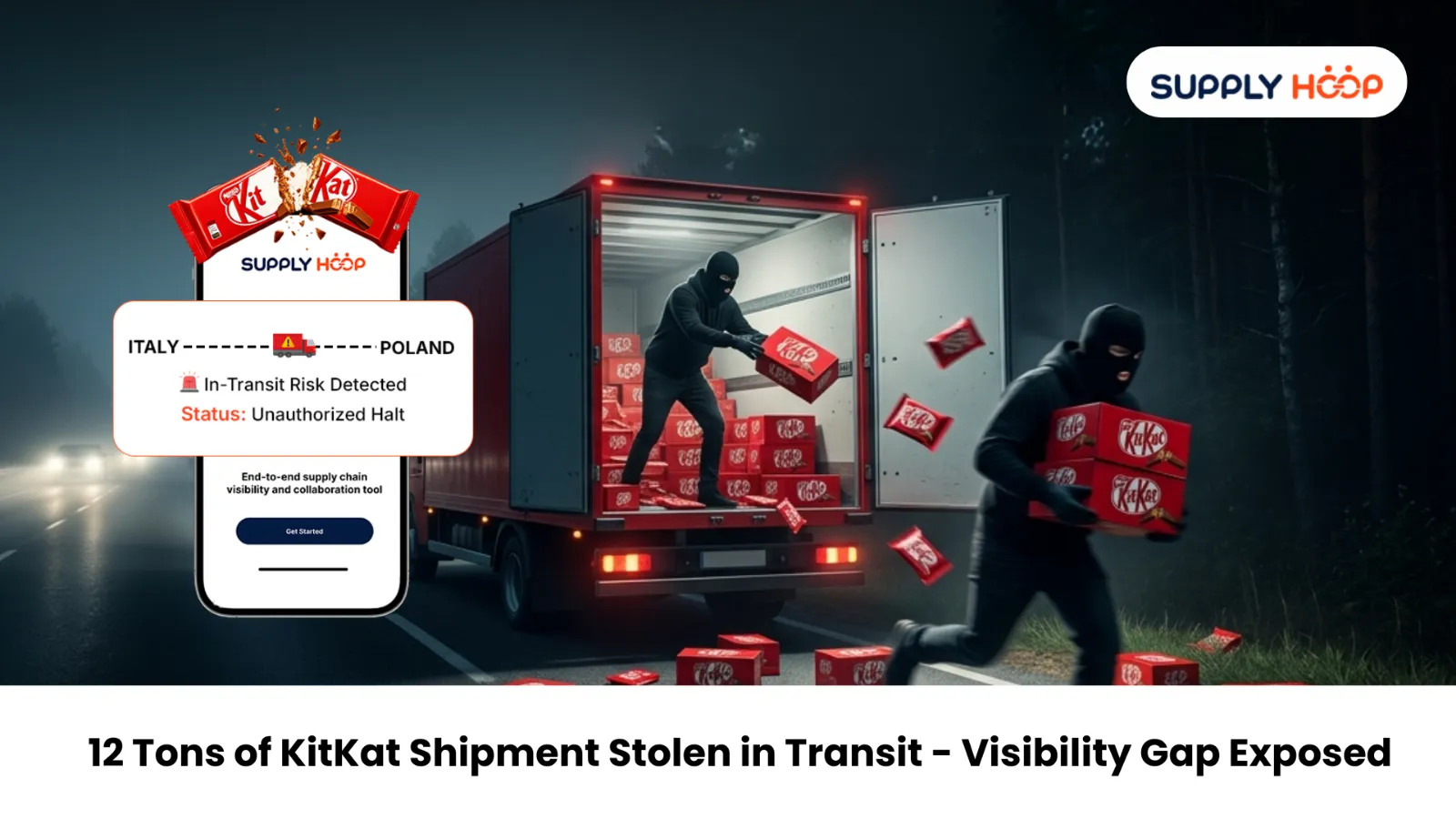
413,793 KitKat chocolate bars.
Nearly $1 million in cargo.
Loaded. Dispatched. Gone.
It sounds like a rare incident, but it’s not. What happened to this KitKat shipment is becoming increasingly common across global supply chains, and it exposes a bigger issue most businesses don’t talk about enough:
It’s not just theft, it’s the lack of real-time visibility that turns incidents into full financial losses.
🚨 What Actually Happened?
The KitKat shipment moving from Italy to Poland, roughly 1,300 km, was handed over to what appeared to be a legitimate carrier. The documentation checked out. The pickup was scheduled. The handover was completed.
Everything looked normal.
Until it wasn’t.
The shipment was stolen using a “phantom carrier” setup:
- Fake trucking company credentials
- Forged transport documentation
- Legitimate warehouse pickup process
From an operational standpoint, nothing seemed suspicious at the time. The cargo was handed over legally.
And then, it vanished.
⚠️ The Real Risk Isn’t Theft, It’s What Happens After
Most teams assume that if a stolen shipment is eventually traced, the damage can be controlled.
But here’s the reality.
Even if that truck is found days later, you’re still left with critical unknowns:
❓ Was the cargo tampered with?
🌡️ Were storage conditions maintained?
🧪 Was temperature exposure compromised?
For sensitive goods like chocolate, pharmaceuticals, or food products, these questions matter more than recovery itself.
Because once product integrity is compromised, the shipment becomes unsellable.
And at that point, it’s no longer just a delay or disruption, it’s classified as a Constructive Total Loss.
📦 Why are these Incidents Increasing?
Cargo theft isn’t new, but the methods are evolving fast.
Organized fraud networks are now targeting supply chains with more sophisticated tactics. Instead of intercepting shipments in transit, they’re entering the process at the handover stage, where verification gaps still exist.
Here’s what’s driving the increase:
📈 Rise in digital documentation that can be forged or manipulated
🌍 Complex multi-party supply chains with limited verification checkpoints
🚚 Heavy reliance on third-party carriers and subcontractors
⏱️ Operational pressure to move shipments quickly
In many cases, the theft doesn’t look like theft, it looks like a normal operation.
📱 Where Mobile Visibility Changes Everything?
Now here’s where things start to shift.
What if your team didn’t have to wait for a missed delivery to realize something was wrong?
What if you could see risk signals while the shipment is still in motion?
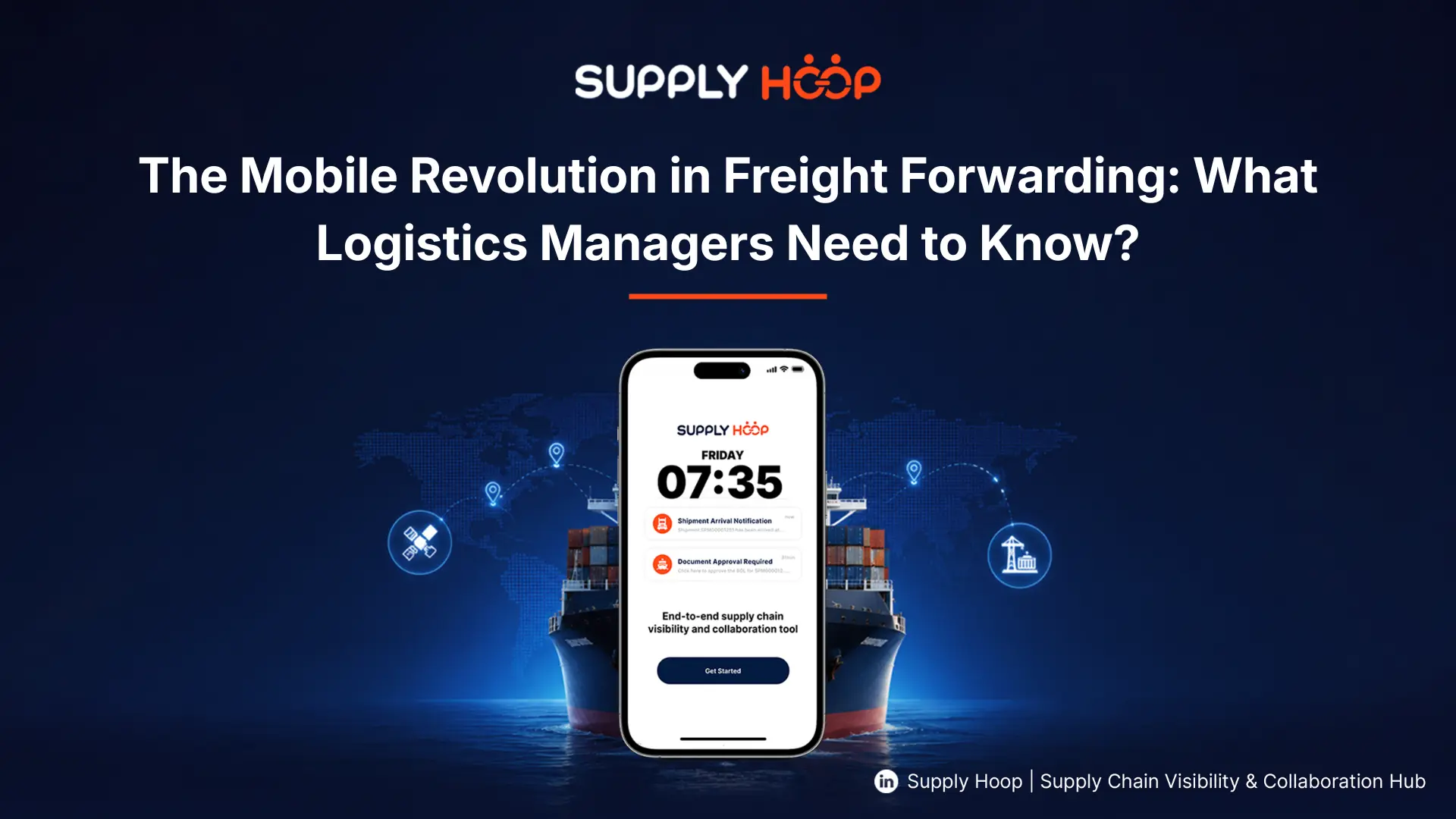
This is exactly where mobile-driven supply chain visibility is becoming a game changer.
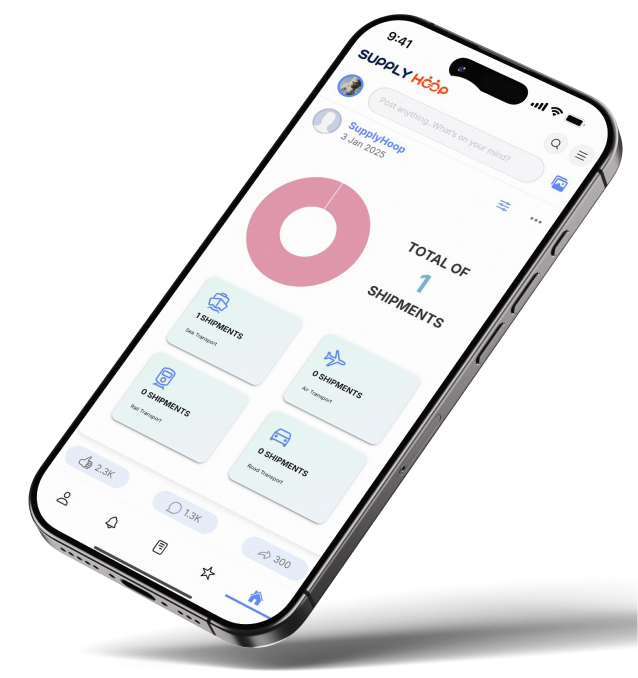
With real-time mobile access, operations teams can:
📍 Track shipment movement live, not hours later
🚨 Receive instant alerts on unexpected route deviations or stops
🔐 Verify carrier identity at the point of pickup
📊 Monitor shipment conditions like temperature and handling
Instead of reacting after the loss, teams can identify risks as they happen and act immediately.
🤖 From Visibility to Prevention
Visibility alone isn’t enough, it’s what you do with it that matters.
Modern systems now combine real-time tracking with intelligent alerts and pattern detection. This means your team doesn’t need to manually monitor every shipment.
The system highlights what needs attention.
For example:
⚠️ A truck stops in an unauthorized location → instant alert
🔄 A route deviates from the planned corridor → flagged immediately
🧾 Carrier credentials don’t match verified data → risk warning triggered
These aren’t just updates, they’re decision triggers.
And when your team can respond in minutes instead of hours, the outcome changes completely.
🛡️ The Role of Insurance: Protection, Not Prevention
In cases like this, insurance plays a critical role.
Coverage such as ITC A (All Risk) typically includes:
✔️ Theft of cargo
✔️ Non-delivery
✔️ Loss due to compromised condition
This provides financial protection when things go wrong.
But let’s be clear, insurance doesn’t prevent the incident. It only reduces the financial impact after the damage is done.
And in many cases, the operational disruption, customer impact, and reputational damage still remain.
📊 The Bigger Shift in Supply Chains
What this incident really highlights is a broader industry shift.
Supply chains are no longer just about moving goods efficiently, they’re about managing risk in real time.
The companies that are adapting fastest are not the ones reacting better.
They’re the ones seeing earlier.
They are:
📱 Equipping teams with mobile-first visibility tools
🔍 Building verification checkpoints into operations
⚡ Acting on live data instead of delayed reports
Because in today’s environment, speed of awareness = speed of control.
🚀 Final Thought
Let’s face it, no system can completely eliminate cargo theft or operational risks.
But what you can control is how quickly you detect it, and how effectively you respond.
The difference between a delayed shipment and a million-dollar loss often comes down to one thing:
Visibility at the right moment.
If your team can see what’s happening while it’s happening, on mobile, in real time, you move from reacting to controlling.
And that’s where real resilience begins.
👉 Ready to move from blind spots to real-time control? Start building stronger supply chain visibility today.