A vessel ETA changes by two days.
Operations sees the update. The warehouse is still planning around the old arrival date. Customer service has already given the customer yesterday’s ETA. Meanwhile, another update is sitting somewhere in a carrier system.
Everyone is working on the same shipment, but not with the same information.
That’s where supply chain collaboration often breaks down.
Modern logistics connects freight forwarders, carriers, warehouses, customs teams, transport providers, suppliers, and customers. When each stakeholder works from a different email, message, spreadsheet, or system, even a small shipment change can create a long chain of follow-ups.
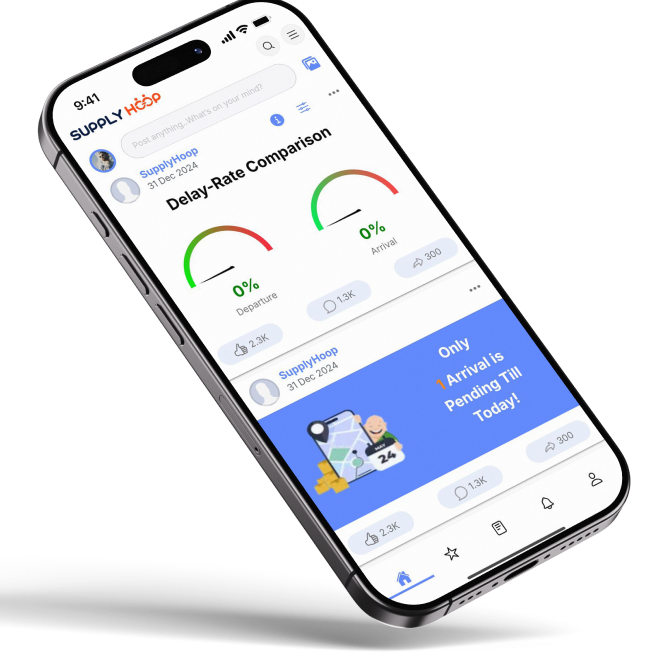
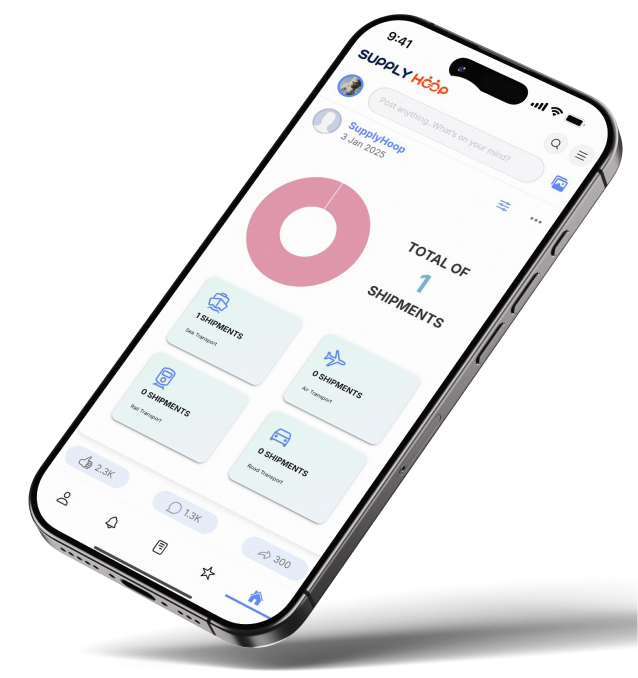
A mobile supply chain collaboration app brings those conversations and updates back to one place: the shipment itself.
📱 Put Live Shipment Information at the Center
Better collaboration doesn’t necessarily mean sending more messages. It means giving the right people access to the same information when a decision needs to be made.
When an ETA changes, for example, the update can immediately become visible alongside the shipment. Operations can assess the impact, the warehouse can adjust receiving plans, customer service can provide the right ETA, and transport teams can reschedule accordingly.
Instead of everyone asking, “What’s the latest update?”, they can focus on “What do we need to do next?”
That’s a much more useful conversation.
🚨 Make Exception Management a Team Effort
Collaboration matters most when shipments don’t go according to plan.
A customs hold, missed sailing, missing document, route deviation, or delayed supplier order can require action from several teams.
With mobile exception visibility, the relevant people can see the same issue and coordinate their response without waiting for information to move through a chain of emails.
For example, operations can identify a customs hold, documentation can provide the missing paperwork, transport can adjust the pickup plan, and customer service can communicate the delay.
One exception. One shared operational picture. Multiple teams working together.
📄 Keep Documents with the Shipment
How much time does your team spend asking:
“Do you have the latest document?”
Bills of lading, commercial invoices, packing lists, customs documents, and Proof of Delivery can easily become disconnected from the conversations surrounding them.
Mobile document access keeps these files connected with the relevant shipment, making it easier for teams to find and share the information they need without searching through inboxes or local folders.
The result is less document chasing and fewer version-control headaches.
💬 Bring WhatsApp into the Visibility Flow
WhatsApp is already widely used for everyday logistics communication. The opportunity isn’t necessarily to replace it, it’s to make the information shared through it more connected.
With WhatsApp integration, relevant shipment milestones, ETA changes, and exception updates can reach customers through a familiar channel while the underlying shipment data remains connected to the visibility platform.
This can reduce repetitive “Any update?” messages and make customer communication faster and more consistent.
🤖 Let Supply GPT Handle the Information, Hunt
Sometimes collaboration slows down because people simply don’t know who has the answer.
Instead of customer service asking operations, operations checking with documentation, and documentation searching another system, logistics assistant Supply GPT can help users retrieve answers directly from connected operational information.
Teams can ask:
- Which shipments need attention today?
- What orders are delayed?
- Which containers are waiting for customs clearance?
- What shipment documents are still pending?
- What cargo is arriving this week?
The goal isn’t to replace collaboration with AI. It’s to remove unnecessary information chasing so teams can spend more time collaborating on decisions.
🔗 Connect the Systems You Already Use
A collaboration platform shouldn’t become another silo.
For teams working with CargoWise, ERP platforms, TMS solutions, warehouse systems, carriers, and other logistics technology, mobile visibility can act as a connected layer over existing operational data.
That means shipment information doesn’t have to be manually recreated just so another stakeholder can see it.
Teams get a simpler way to access, discuss, share, and act on the information already flowing through their logistics systems.
🚀 Better Collaboration can Actually Mean Fewer Messages
Here’s the interesting part: successful supply chain collaboration shouldn’t necessarily create more communication.
It should eliminate the communication nobody needed in the first place.
Fewer ETA requests. Fewer internal status checks. Fewer document searches. Fewer calls asking whether someone saw an update.
Instead, freight teams, customers, and logistics partners can work from the same live operational picture and communicate when an actual decision or action is required.
That’s the difference between simply sharing information and truly collaborating around it.
🌐 Turn Visibility into Teamwork
Supply chain visibility creates the most value when people can actually work together around what they see.
A mobile app can bring shipment information, documents, exceptions, customer communication, and operational conversations into one connected experience. Add Supply GPT for faster answers and WhatsApp integration for practical communication, and teams can move from disconnected updates toward real-time collaboration.
Ready to bring your teams, customers, and logistics partners closer together? Explore how Supply Hoop can turn end-to-end supply chain visibility into connected collaboration from anywhere.