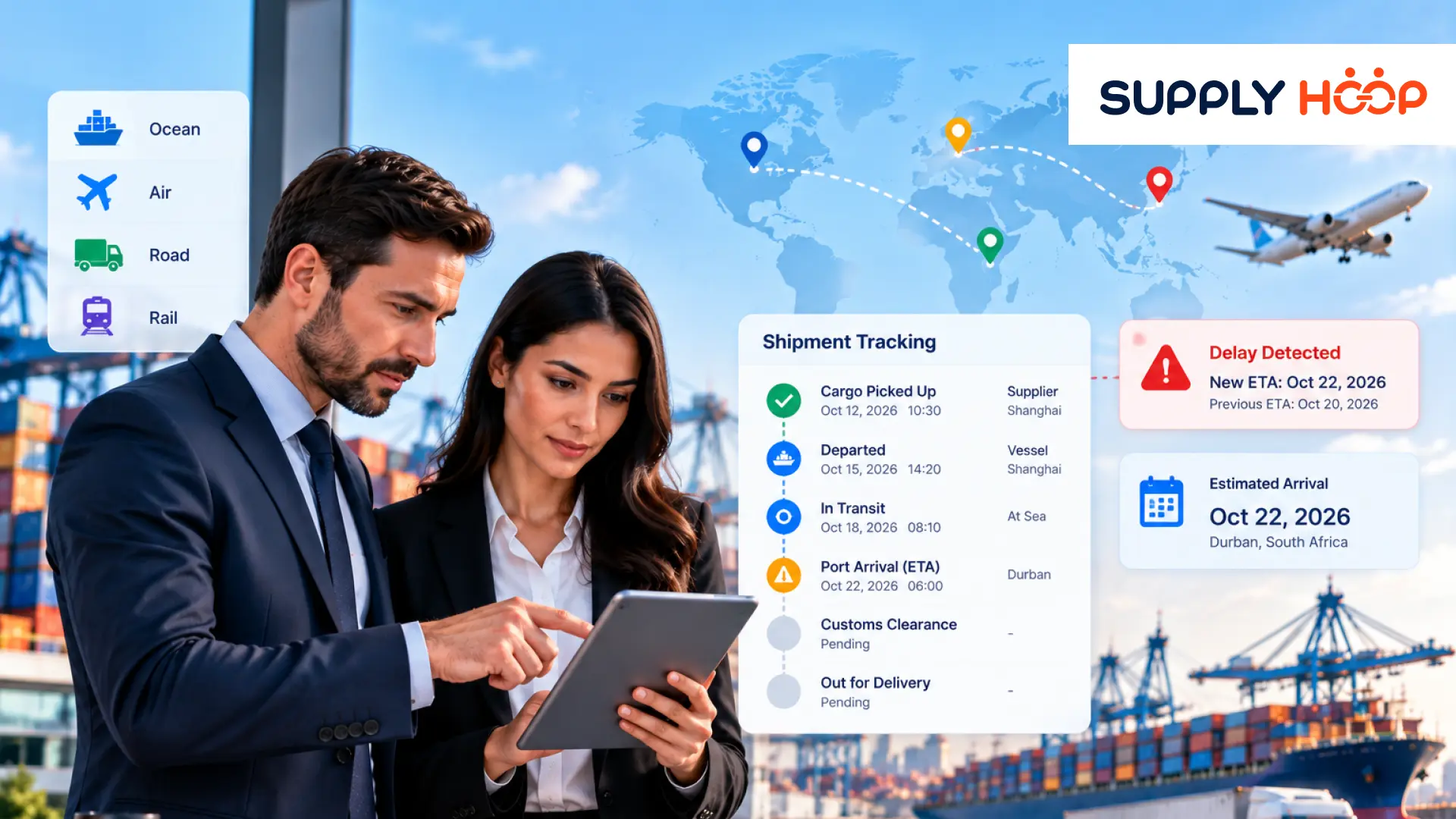
A shipment leaves the origin warehouse on schedule. The carrier confirms departure, and everything appears to be progressing normally.
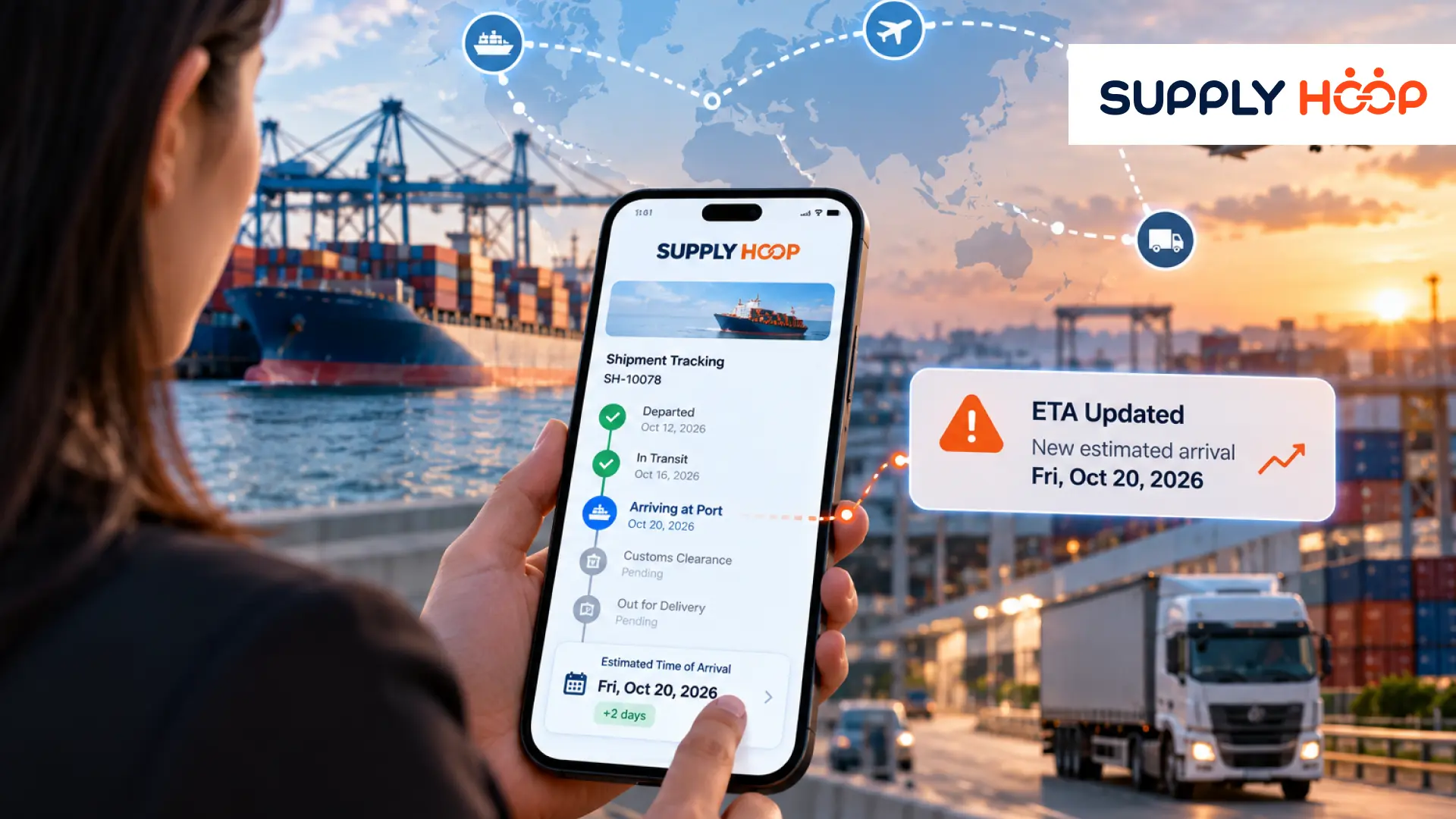
Two days later, the consignee asks for an updated arrival time. The freight forwarder checks the carrier portal, discovers a revised ETA, contacts operations for clarification, and then updates the customer.
Meanwhile, the warehouse has already arranged its receiving team around the original delivery date.
The shipment was being tracked. So why did the delay still create confusion?
Because shipment tracking and shipment visibility are not the same thing.
Tracking tells you where cargo is or which milestone it has reached. Freight forwarding visibility connects that information with shipment documents, expected arrival times, exceptions, and the people responsible for the next action.
A freight forwarding visibility mobile app makes this information accessible to shippers, consignees, operations teams, and customer service representatives without requiring them to be at their desks.
For freight forwarders handling ocean, air, road, and rail shipments, the objective is simple: make shipment information available to the right people when they need it, so they can act before small disruptions become larger operational problems.
What does Freight Forwarding Visibility Mean in a Mobile App?
Freight forwarding visibility refers to the ability to monitor and understand cargo movements across different stages of transportation.
A shipment may begin with a supplier pickup, move through an origin terminal, travel internationally, undergo customs clearance, and continue through inland transportation before reaching the consignee.
Each stage generates operational information.
The challenge is that this information may come from different sources, including freight management systems, shipping lines, airlines, road transport providers, rail operators, customs processes, and warehouses.
A mobile visibility platform brings relevant information into a connected environment.
Instead of opening several applications to understand one shipment, authorized users can access available tracking milestones, ETAs, documents, and exceptions through their phones.
For freight forwarders using CargoWise or other logistics systems, mobile visibility can act as an accessible layer over existing operations rather than replacing the systems responsible for shipment execution.
The result is a more practical way to monitor freight movements, communicate updates, and manage exceptions throughout the shipment lifecycle.
A Shipment Dashboard should Tell You What Needs Attention
Imagine a freight forwarding manager responsible for 250 active shipments.
Opening each shipment individually to check its status is not a realistic daily workflow.
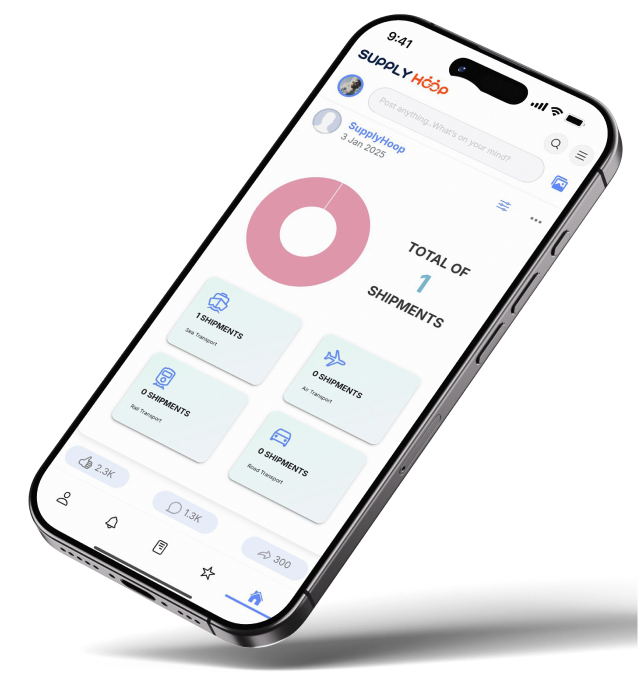
A useful mobile shipment dashboard should provide an overview of current operations before the user investigates individual records.
That overview may include active shipments, in-transit movements, delivered shipments, upcoming arrivals, and shipments with exceptions.
Filters help users narrow the information by transportation mode, customer, route, milestone, or date.
For example, an operations manager may want to see ocean shipments expected to arrive within the next three days. A customer service representative may need to identify delayed shipments belonging to a particular customer.
The dashboard should make those questions easier to answer.
More importantly, it should distinguish normal shipment progress from situations that require investigation.
A shipment that has departed on schedule may need no immediate action. A container awaiting customs release with an approaching delivery commitment deserves closer attention.
The purpose of a shipment dashboard is not to display as much data as possible. It is to help users recognize which information matters right now.
Real-Time Track and Trace Across Ocean, Air, Road, and Rail
Freight forwarders rarely manage just one transportation mode.
An international shipment may involve ocean transportation followed by road delivery. Another may move by air and require local distribution. Some trade lanes also depend on rail connections.
When each mode uses a separate tracking environment, understanding the complete shipment journey becomes more difficult.
A multimodal mobile visibility app provides a common place to review relevant shipment progress.
For ocean freight, this may include vessel departure, transshipment, destination arrival, container discharge, and delivery milestones.
Air freight visibility may include flight departure, arrival, cargo availability, and customs clearance.
Road freight tracking can provide vehicle progress, pickup confirmation, estimated delivery, and proof of delivery where supported.
Rail movements may include departure, terminal arrival, interchange, and final rail destination milestones.
The frequency and detail of these updates depend on the connected transportation providers and available data feeds.
A reliable visibility experience should therefore show the latest available milestone, its timestamp, and relevant location information rather than implying that every shipment has continuous live positioning.
This gives users a clearer understanding of what has been confirmed and what is still expected.
Exception Alerts: Know When a Shipment Stops Following the Plan
Not every shipment requires constant attention.
The problem begins when a shipment deviates from its expected movement and the responsible team does not discover the change quickly enough.
Consider a container scheduled to connect with a second vessel at a transshipment port.
The first vessel arrives late, and the container misses its planned connection.
The original ETA is no longer achievable.
If the freight forwarder only discovers the missed connection during a routine status check, the customer may already be planning around an outdated arrival date.
This is where mobile exception management becomes important.
Push notifications can help alert relevant users to significant changes such as shipment delays, customs holds, missed connections, revised ETAs, or delivery exceptions.
The notification should provide enough context for the recipient to understand which shipment is affected and why further investigation may be necessary.
From there, the operations team can review the shipment, coordinate with the carrier, assess available alternatives, and communicate an updated expectation.
A useful exception alert does not simply announce that something has changed. It helps the user identify the shipment that needs attention.
For freight forwarders handling large volumes, this reduces the need to repeatedly check every active movement for possible problems.
Access Shipping Documents When They are Actually Needed
Shipment visibility is incomplete when tracking information is available, but supporting documents remain difficult to access.
Consider a consignee preparing for cargo clearance.
The shipment has arrived, but the team needs the relevant bill of lading, commercial invoice, packing list, or other shipping documents.
If those records are buried in email conversations or stored in a separate system, accessing them can slow down the next step.
A mobile document visibility feature allows authorized users to retrieve available shipment-related records from their phones.
Depending on the connected systems and permissions, these may include booking confirmations, bills of lading, commercial invoices, customs documents, and proof of delivery.
This is especially useful for teams working outside traditional office environments.
A warehouse supervisor may need to verify shipment details during receiving. A customer service representative may need to check whether a delivery document is available. A logistics manager may need to review paperwork while attending a customer meeting.
Having relevant documents connected to the shipment record reduces the effort involved in finding them.
However, document visibility should also support appropriate access permissions and version control. Users need confidence that they are reviewing the correct record, not an outdated attachment from an earlier email.
Different Users Need Different Shipment Information
One of the most important considerations in freight forwarding visibility is understanding who needs access to what.
A shipper, consignee, operations manager, and customer service representative may all be interested in the same shipment, but their responsibilities are different.
Shippers and Exporters
A shipper may need to confirm that cargo has been collected, monitor origin handling, check departure milestones, and understand whether the shipment is progressing according to the agreed schedule.
Mobile access helps them stay informed without requesting every update from the freight forwarder.
Consignees and Importers
A consignee is often more concerned with destination arrival, customs clearance, cargo availability, and final delivery.
A revised ETA can affect warehouse labor, receiving appointments, production requirements, and inventory planning.
Access to current shipment information helps the consignee prepare for those activities.
Freight Forwarding Operations Teams
Operations teams need deeper visibility into milestones, delays, documents, and exceptions.
Their responsibility extends beyond viewing shipment progress. They must investigate deviations, coordinate with transportation providers, and manage the next operational steps.
Customer Service Teams
Customer service representatives need reliable information to respond to customer enquiries.
When shipment status, ETA, and relevant documents are accessible through a connected mobile app, routine questions can often be answered without repeatedly contacting operations.
These different requirements explain why role-based access matters.
A customer should only see the shipment information they are authorized to access, while internal operations teams may require more detailed records and exception information.
Why Mobile Collaboration Matters After a Shipment Update?
Visibility is valuable, but information alone does not complete the work.
Suppose a consignee receives an alert that a shipment’s arrival date has changed.
The consignee may need to adjust receiving arrangements. The freight forwarder may need to investigate the cause. Customer service may need to communicate the revised expectation.
If each person works from a different version of the shipment information, coordination becomes unnecessarily difficult.
A connected mobile visibility environment gives the relevant parties a common reference.
Users can review the shipment status, check available milestones, access relevant documents, and communicate about the movement.
Where supported, shipment updates can also be shared through familiar communication channels.
With WhatsApp integration, freight forwarders can extend relevant shipment communication beyond the app, helping customers receive updates without repeatedly requesting them.
The objective is not to eliminate personal communication.
It is to make those conversations more useful by ensuring the people involved have access to relevant, current shipment information.
What About Connectivity at Ports, Warehouses, and Remote Locations?
Mobile access introduces a practical question: what happens when internet connectivity is unreliable?
Logistics professionals frequently work in ports, warehouses, transport yards, and other environments where network coverage may be inconsistent.
An offline-friendly application can be useful in these situations.
Depending on the platform’s capabilities, users may be able to access previously synchronized shipment information or downloaded documents when connectivity is unavailable.
However, cached information should not be confused with live shipment data.
A shipment status viewed offline may no longer reflect the latest carrier update.
For this reason, logistics businesses evaluating mobile visibility solutions should check whether offline access is supported, which information remains available, and how the application handles synchronization when connectivity returns.
Clear timestamps and update indicators are important for helping users distinguish current information from previously retrieved records.
How AI can Help Users Find the Right Shipment Information?
A connected visibility platform may contain information about hundreds or thousands of shipments.
Even with dashboards and filters, users sometimes need a faster way to answer specific operational questions.
This is where Supply GPT can support mobile shipment visibility.
Instead of manually searching multiple shipment records, users can ask natural-language questions about information available through their connected logistics environment.
For example:
- Which shipments are arriving this week?
- Show ocean shipments with revised ETAs.
- Which shipments are currently delayed?
- What is the latest status of a particular shipment?
- Which shipments have customs-related exceptions?
These questions help users move from browsing records to finding information relevant to a particular task.
AI-assisted information retrieval is especially useful when teams need to identify patterns across several shipments rather than investigate only one tracking number.
However, the quality of the answer still depends on the information available through connected systems.
AI should help users understand existing shipment information, not create unsupported explanations for missing milestones or delays.
How can Freight Forwarders Measure the Value of Mobile Visibility?
A mobile visibility platform should improve operational workflows in ways that can be measured.
One useful starting point is the volume of routine shipment status enquiries.
If customer service receives dozens of requests each day asking for current locations or ETAs, connected mobile access may help reduce the number requiring manual investigation.
Other useful performance indicators include:
- Status enquiry response time: How long does it take to provide a reliable shipment update?
- Exception response time: How quickly does the responsible team investigate an important deviation?
- On-time performance: What percentage of shipments reach their required milestones within the expected window?
- Milestone data completeness: How consistently are relevant tracking events available across shipments and transportation modes?
- ETA reliability: How closely do estimated arrival times align with actual arrivals?
- Document retrieval time: How long does it take users to locate necessary shipment paperwork?
These measurements can reveal whether visibility is reducing administrative work, improving customer communication, and helping teams identify operational problems sooner.
They can also highlight gaps in carrier integrations, missing milestones, or outdated information.
Choosing a Mobile Visibility Platform for Freight Forwarding
The right platform should reflect how the freight forwarding business actually operates.
A company managing international multimodal shipments may need visibility across ocean, air, road, and rail movements.
A forwarder serving importers may prioritize customs milestones, cargo availability, and delivery information.
A customer-focused logistics provider may place greater importance on notifications, document sharing, and self-service shipment tracking.
Before implementing a mobile visibility solution, businesses should evaluate how well it connects with their existing systems, which transportation modes it supports, how frequently information is updated, and how user permissions are managed.
The platform should also make it easy to identify exceptions without overwhelming users with routine notifications.
For CargoWise users, integration with existing shipment information is particularly relevant because it can reduce the need to maintain separate records for mobile visibility.
The most useful solution is not necessarily the one offering the longest feature list.
It is the one that makes shipment information accessible, understandable, and actionable for the people responsible for moving freight.
Bring Shipment Visibility Closer to Every Logistics Decision
Freight forwarding visibility should extend beyond a tracking number and an estimated arrival date.
Shippers need to understand shipment progress. Consignees need information to prepare for receiving. Operations teams need to identify exceptions. Customer service teams need reliable answers.
When shipment milestones, ETAs, documents, and relevant alerts are accessible through a mobile app, these activities become easier to coordinate.
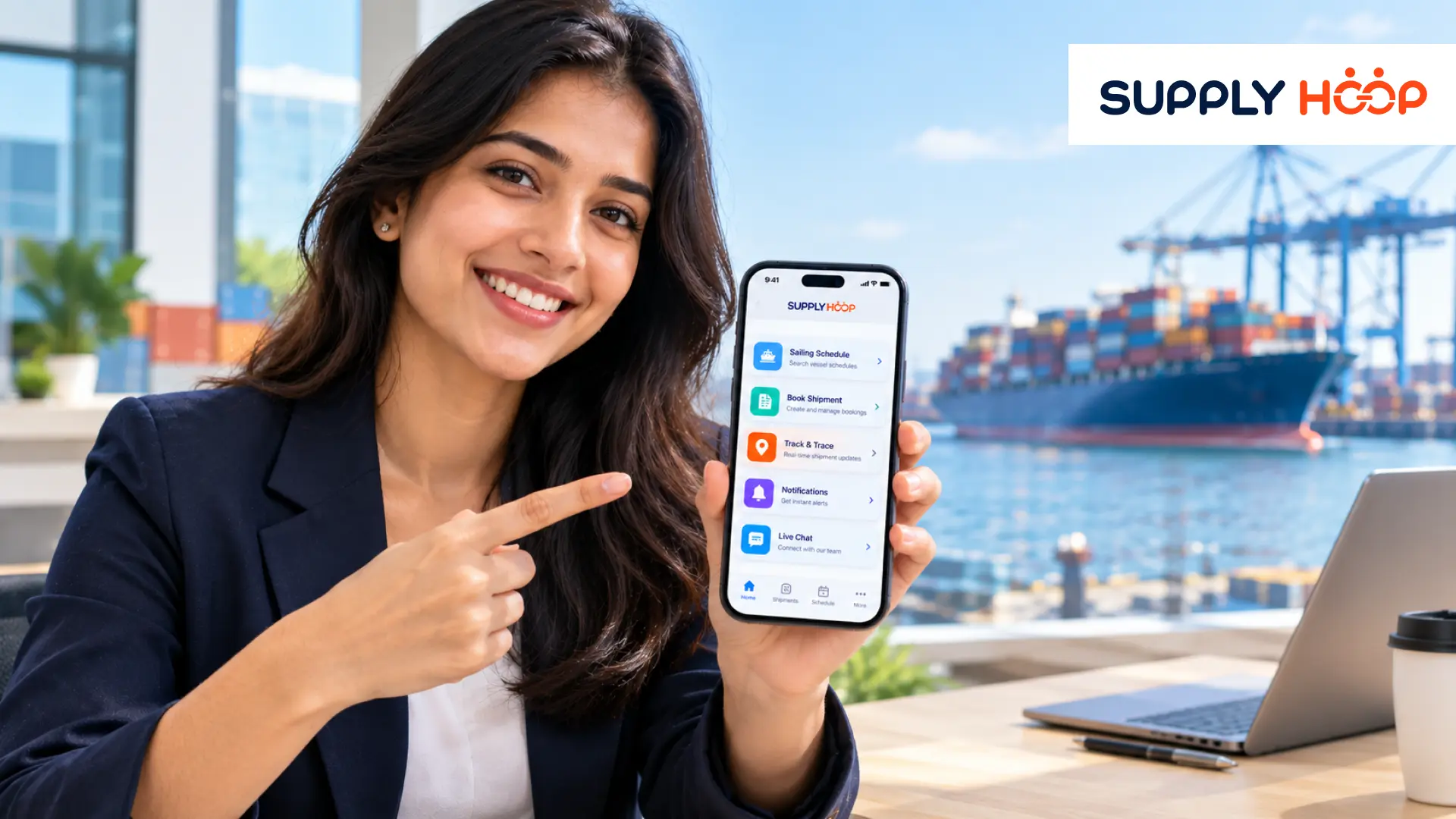
With Supply Hoop, freight forwarders can bring connected shipment information into a mobile-first environment, supported by features such as shipment visibility, exception management, document access, Supply GPT, and WhatsApp communication.
Instead of spending valuable time searching for routine shipment information, teams can focus on the movements and decisions that require their attention.
Ready to give your logistics team better access to shipment information? Book a demo and explore how Supply Hoop can support end-to-end supply chain visibility through a connected mobile experience.