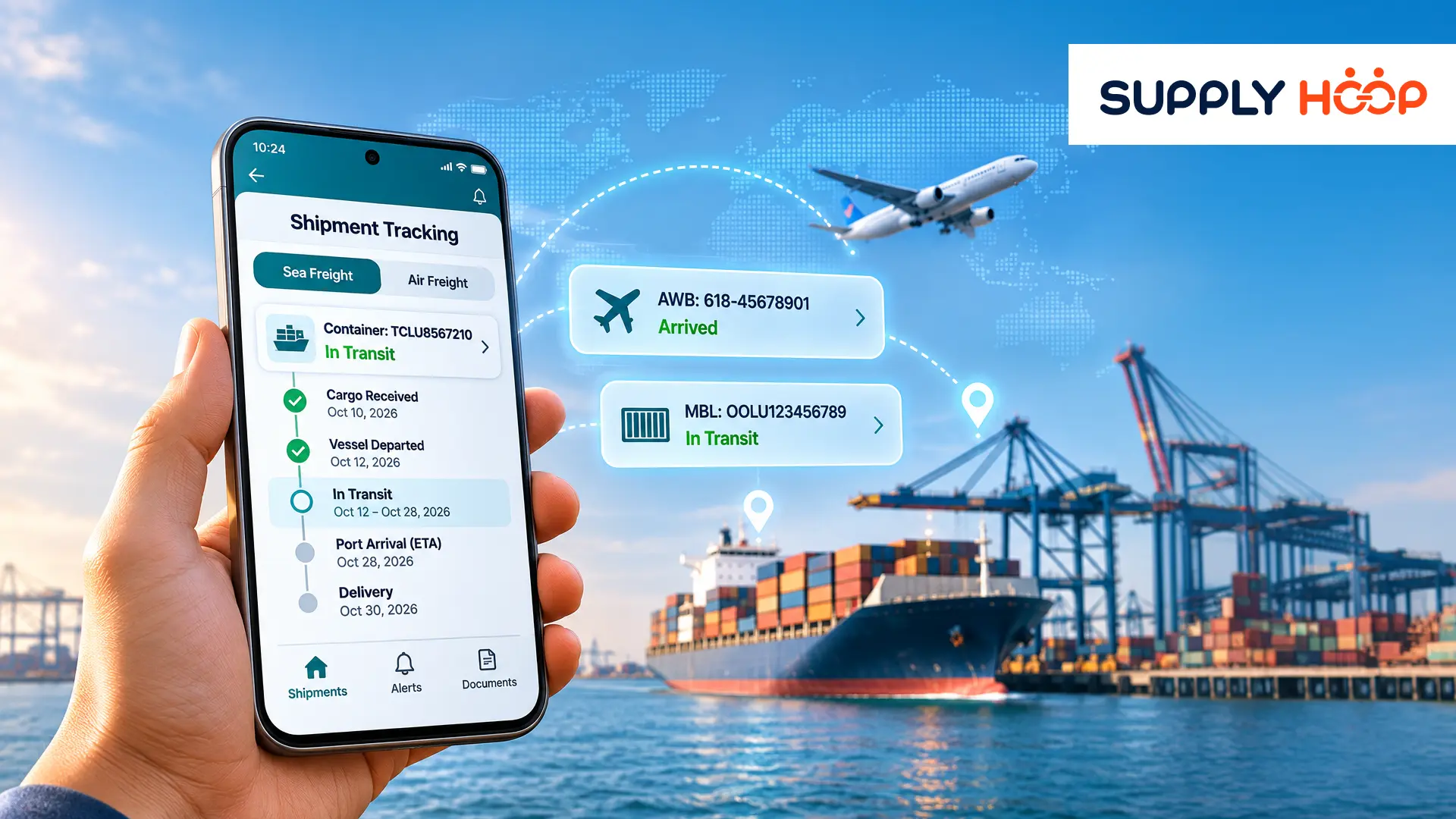
A customer shares a container number and asks when their ocean shipment will arrive. Another customer sends an Air Waybill number, wanting to know whether their air cargo has landed.
Both requests involve cargo tracking. But finding the answers can be surprisingly different.
For ocean freight, the operations team may need to check a shipping line’s website, review vessel schedules, and confirm container milestones. For air freight, the process may involve airline tracking systems, flight information, and cargo acceptance or arrival updates.
Now imagine handling these requests for hundreds of shipments moving through different carriers and countries.
The challenge isn’t simply tracking cargo. It’s managing different tracking references, milestones, and information sources without losing visibility.
A cargo tracking mobile app helps freight forwarders, shippers, and consignees monitor sea and air freight shipments through a connected mobile experience. Instead of visiting individual carrier websites, users can access available shipment statuses, estimated arrival times, and important updates from their phones.
But what makes mobile cargo tracking genuinely useful, and how does it work differently for ocean and air freight?
Why Sea and Air Freight Need Different Tracking Approaches?
Sea and air freight serve different transportation requirements, and their tracking processes reflect those differences.
Ocean shipments may travel for several weeks, pass through multiple ports, and involve transshipment between vessels. Air cargo generally moves over shorter transportation periods but depends on flight schedules, airport handling, and cargo connections.
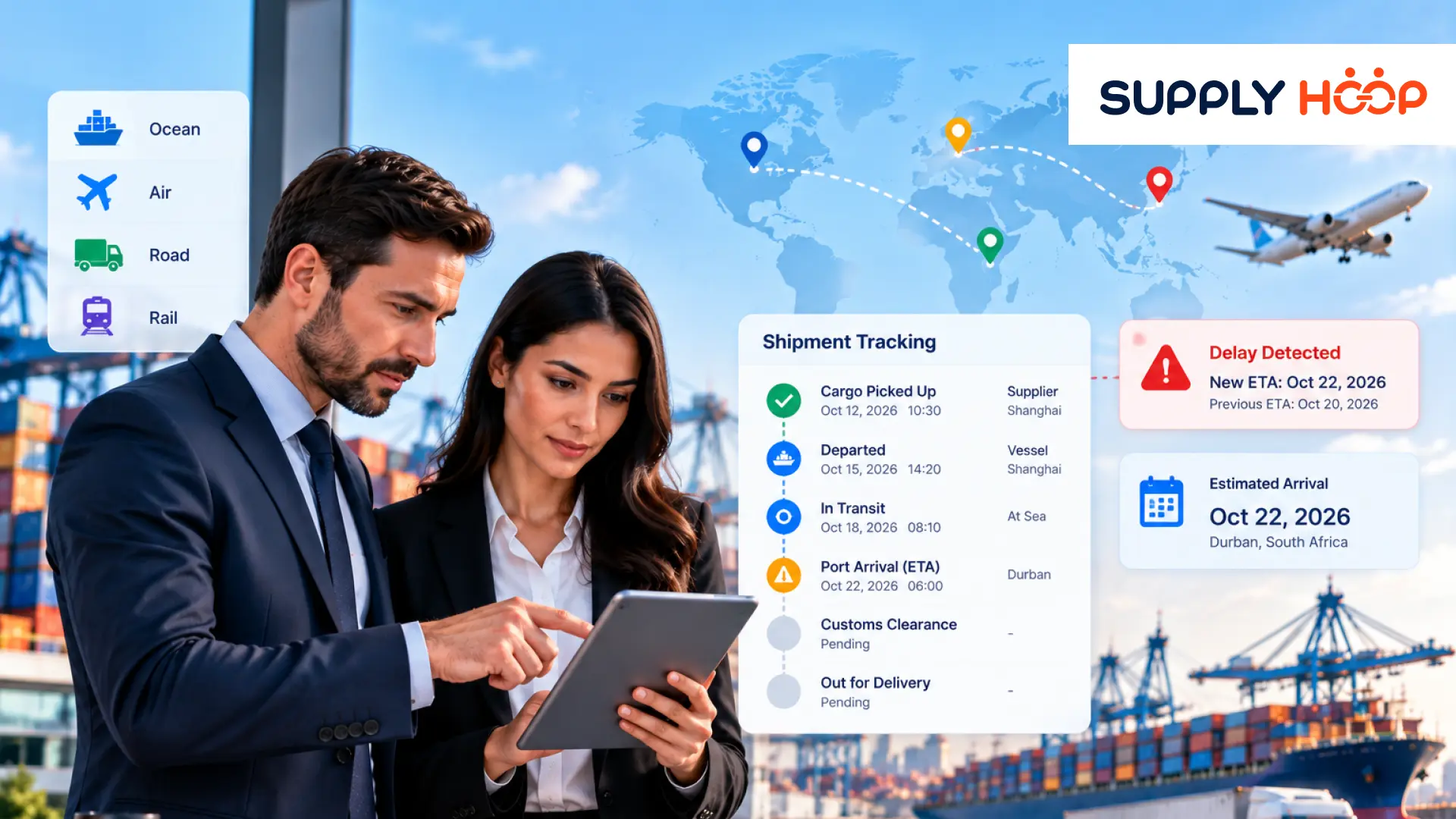
For example, an ocean container moving from Shanghai to Durban may involve vessel loading, departure, transshipment, destination discharge, customs clearance, and inland delivery.
An air shipment moving from Singapore to Johannesburg may involve cargo acceptance, flight departure, arrival, customs processing, and delivery.
Both shipments require visibility, but the milestones and potential disruptions are different.
Ocean freight teams may be particularly concerned about vessel rollovers, port congestion, missed transshipment connections, and container availability.
Air freight teams may focus on flight delays, cargo acceptance, missed flight connections, and airport clearance.
A useful mobile cargo tracking solution should accommodate these differences while providing a consistent way to access shipment information.
That means users should not have to learn a completely different tracking process every time they switch transportation modes.
Track Cargo Using Container Numbers, MBLs, and AWBs
One of the first challenges in international freight tracking is identifying the correct shipment reference.
For sea freight, customers commonly use a container number or Master Bill of Lading (MBL) number to check cargo movement.
For air freight, the Air Waybill (AWB) serves as an important tracking reference.
These identifiers connect a shipment to the records maintained by carriers and freight forwarding systems.
Container Number Tracking
A container number identifies a particular shipping container. It can help users follow container-related events such as gate-in, vessel loading, discharge, and gate-out when the carrier provides those milestones.
Master Bill of Lading Tracking
An MBL identifies the shipment covered by the ocean carrier’s bill of lading. It can be useful for tracking shipments associated with a particular ocean booking.
Air Waybill Tracking
An AWB number identifies an air cargo consignment and allows users to review available airline tracking events, including cargo acceptance, flight departure, arrival, and delivery-related milestones.
For consolidated shipments, users may also work with House Bills of Lading or House Air Waybills. These references may need to be linked to the corresponding master shipment within the freight forwarder’s system.
A connected mobile visibility platform can simplify this process by making shipment records searchable through supported references.
Rather than requiring customers to understand every carrier’s tracking interface, the app provides a familiar place to access the relevant shipment information.
Follow the Complete Shipment Journey through Milestone Tracking
Knowing that cargo is “In Transit” is useful, but it rarely tells the complete story.
Consider an ocean shipment that has departed its origin port.
Has the container been loaded onto the planned vessel? Is it moving directly to the destination? Has it reached a transshipment port? Is it waiting for a connecting vessel?
These details help explain what is happening between departure and arrival.
A shipment milestone timeline organizes available tracking events into a sequence that users can understand.
For sea freight, a typical timeline may include booking confirmation, cargo receipt, container gate-in, vessel loading, departure, transshipment, destination arrival, discharge, customs release, and delivery.
For air freight, milestones may include AWB creation, cargo acceptance, flight departure, airport arrival, customs clearance, cargo release, and final delivery.
Not every shipment will have every milestone, and the exact terminology may differ between carriers.
The value of a connected mobile app is that it can present available events in a consistent format.
Users can identify the latest completed milestone, review previous movements, and understand which stage is expected next.
This is particularly helpful for customer service teams that need to explain shipment progress without interpreting several carrier-specific tracking codes.
How Accurate is Real-Time Sea and Air Cargo Tracking?
The term “real-time tracking” can create an expectation that every shipment’s exact position is continuously visible.
In practice, freight tracking depends on the transportation mode and available data sources.
Ocean cargo tracking may use carrier milestone updates, terminal events, vessel information, and estimated arrival data.
Vessel-position information can provide additional context, but knowing a vessel’s location does not always confirm the exact operational status of a container.
For example, a vessel may have arrived at the destination port while its containers are still awaiting discharge.
Air cargo tracking generally relies on airline and cargo-handling events, such as acceptance, departure, arrival, and release.
An aircraft may land at the destination airport before the cargo becomes available for collection.
This is why a mobile tracking app should distinguish between confirmed events and estimated future milestones.
It should also make the timing of the latest available update clear.
A shipment status received several hours ago may still be useful, but users should understand when the information was recorded.
Reliable cargo visibility is not about displaying constant movement. It is about showing accurate, timely, and meaningful shipment events.
Why Does the ETA Change After the Shipment Has Departed?
Estimated Time of Arrival (ETA) is one of the most frequently checked details in international cargo tracking.
It is also one of the most misunderstood.
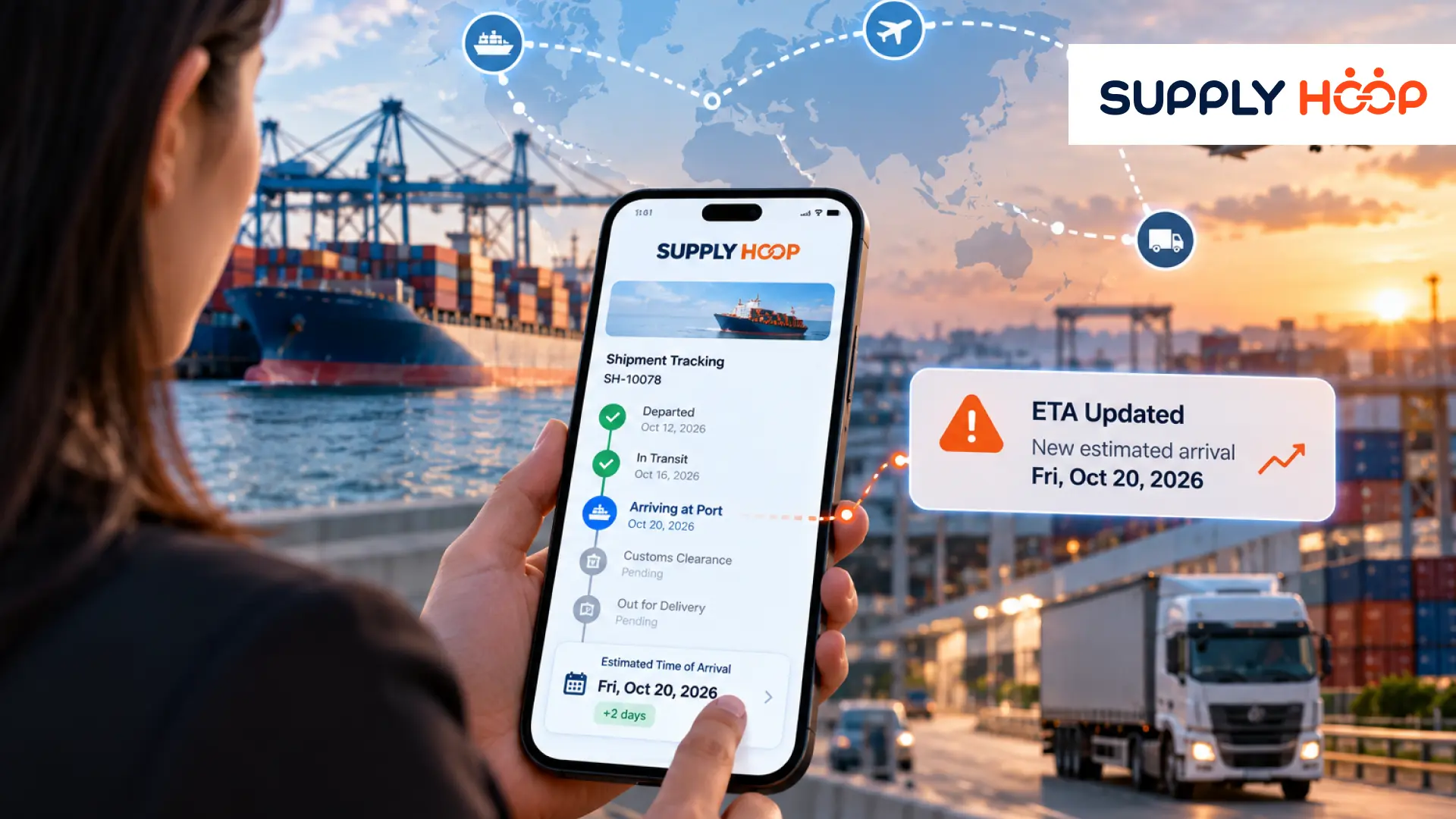
An ETA represents the expected arrival time based on the information available at a particular moment. It is not automatically a guaranteed delivery date.
For ocean freight, an ETA may change because of port congestion, adverse weather, vessel schedule revisions, transshipment delays, or changes in port rotation.
For air freight, flight cancellations, missed connections, airport restrictions, and operational delays may affect arrival estimates.
Consider an air shipment originally expected to arrive on Tuesday evening.
If the cargo misses its planned connecting flight, the airline may move it to a later service. The revised arrival estimate will reflect that change once the relevant information becomes available.
The same principle applies to ocean freight.
A container may be scheduled to arrive on Friday, but a delayed vessel connection can push the expected arrival into the following week.
For freight forwarders, the important task is recognizing when the ETA changes and understanding how that affects customs arrangements, cargo collection, warehouse receiving, and customer commitments.
A mobile app makes the latest available ETA easier to access, while exception notifications can help bring significant changes to the user’s attention.
Push Notifications Help You Track What Matters
Freight forwarders managing multiple shipments cannot spend the entire day refreshing tracking pages.
Most shipments will progress normally. A smaller number will experience events that require attention.
This is where mobile shipment notifications become valuable.
Instead of manually checking every active consignment, users can receive relevant alerts when important milestones or exceptions are recorded.
For example, a consignee may want to know when an ocean container is discharged at the destination port.
An importer receiving air cargo may need an alert when the shipment arrives and becomes available for the next clearance process.
An operations manager may be more interested in missed connections, revised ETAs, or customs-related exceptions.
The notification requirements are different, but the objective is the same: bring important information to the right person at the right time.
A well-designed mobile tracking experience should allow users to focus on meaningful updates rather than overwhelming them with every routine event.
This helps turn cargo tracking from a repetitive checking activity into a more manageable, exception-focused workflow.
Keep Critical Shipments and Documents Easy to Find
Not every shipment requires the same level of attention.
A freight forwarder may manage routine cargo movements alongside urgent production materials, high-value shipments, or time-sensitive customer orders.
A useful mobile app should make it easier to find and revisit these important consignments.
Search functions, shipment filters, and watchlists can help users organize the movements they monitor most frequently.
For example, an operations manager may want to review all air shipments expected to arrive within the next 24 hours.
A customer service representative may need to check ocean shipments belonging to a particular customer.
A consignee may want to monitor a small group of containers associated with an upcoming warehouse receiving schedule.
Shipment history is equally valuable.
Users may need to review previous milestones, confirm when cargo was received, or retrieve documents associated with an earlier movement.
Where connected records and user permissions allow, a mobile visibility platform can provide access to relevant booking confirmations, shipping documents, customs paperwork, and proof of delivery.
This reduces the need to search separate email conversations or request the same document repeatedly.
How Mobile Cargo Tracking Improves Communication Between Forwarders and Customers?
A customer does not necessarily need access to every logistics system involved in moving their cargo.
They need reliable information about their shipment.
For example, an importer may ask whether an ocean container has arrived, whether customs clearance is complete, or when delivery is expected.
A manufacturer waiting for air cargo may need confirmation that the shipment has departed and whether the arrival schedule still supports its production requirements.
When customers can access relevant shipment information through a mobile app, routine status enquiries become easier to manage.
Customer service teams also benefit because they can review the same available shipment milestones before responding to questions.
This creates a more consistent communication process.
With Supply Hoop’s WhatsApp integration, freight forwarders can also communicate relevant shipment updates through a familiar messaging channel.
The objective is not to remove human communication from freight forwarding.
It is to reduce unnecessary information chasing so teams can spend more time resolving exceptions and supporting customers when additional assistance is required.
What should Freight Forwarders Look for in a Cargo Tracking Mobile App?
Before selecting a mobile cargo tracking solution, freight forwarders should evaluate how it supports their actual shipment operations.
A business managing both sea and air freight needs more than a tracking screen that works with only one carrier or transportation mode.
The platform should make relevant shipment information accessible across connected carriers and freight management systems.
It should also support the identifiers customers and operations teams commonly use, including container numbers, MBLs, and AWBs where available.
Other important considerations include milestone visibility, ETA updates, exception notifications, document access, shipment history, search capabilities, and appropriate user permissions.
Integration with existing freight management systems is particularly important.
For CargoWise users, a mobile visibility solution should complement the information already maintained in their operational environment rather than require unnecessary duplicate data entry.
It is also worth evaluating how the app handles missing carrier milestones, outdated information, and shipment references that cannot be matched automatically.
These situations occur in real freight operations, and a useful visibility platform should make information gaps understandable rather than presenting incomplete data as confirmed.
The right solution should make shipment tracking easier for both internal teams and customers without creating another disconnected system to maintain.
Track Sea and Air Freight through One Connected Mobile Experience
Sea and air freight operate differently, but the people managing them share a common need.
They want to know where their cargo stands, what has happened, when it is expected to arrive, and whether anything requires attention.
A cargo tracking mobile app brings those questions into one accessible experience.
Instead of moving between shipping line portals, airline tracking pages, and internal shipment records, freight forwarders can access connected milestones, ETAs, documents, and exceptions from their phones.
With Supply Hoop, freight forwarders can bring sea and air shipment information into a mobile-first supply chain visibility environment, supported by connected logistics data, shipment updates, Supply GPT, and customer communication capabilities.
Through Supply GPT, users can also ask questions about available shipment information without manually searching through individual records.
The value goes beyond convenience.
It helps freight forwarding teams spend less time locating shipment information and more time managing the movements that require their attention.
Want to simplify sea and air freight tracking for your team and customers? Book a demo to explore how Supply Hoop can provide end-to-end mobile supply chain visibility across your connected freight operations.