In logistics, most customer frustration doesn’t come from delays alone, it comes from not knowing what’s happening. When shipments move without visibility, customers start calling, emailing, and escalating. Operations teams spend more time answering status requests than actually managing freight. Trust slowly erodes, even when teams are doing their best behind the scenes.
That’s why visibility to customers has become a defining factor in logistics performance. Today’s customers expect more than delivery, they expect transparency across the entire journey. They want to see shipment status, booking progress, document availability, approvals, and performance insights without chasing updates.
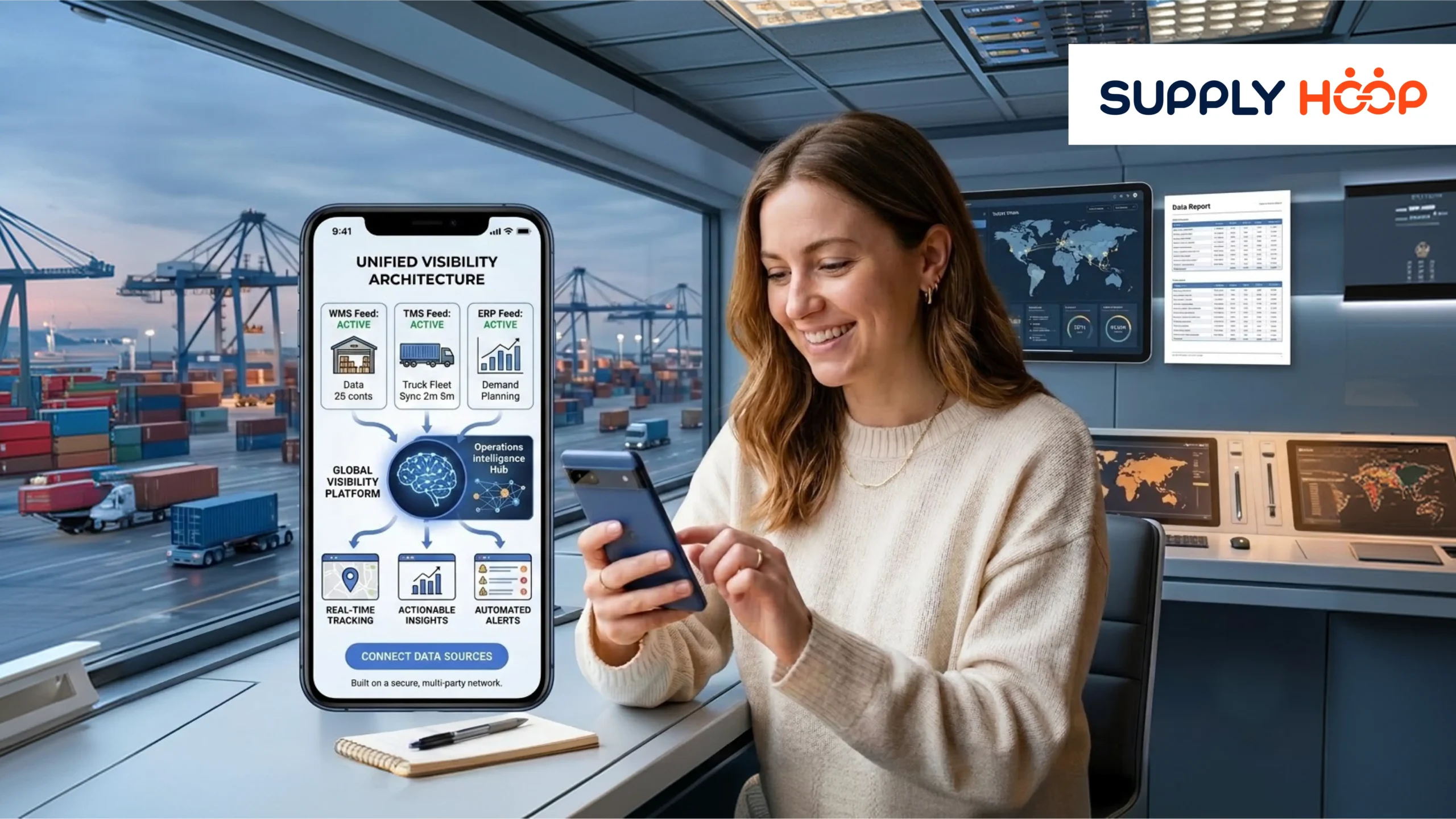
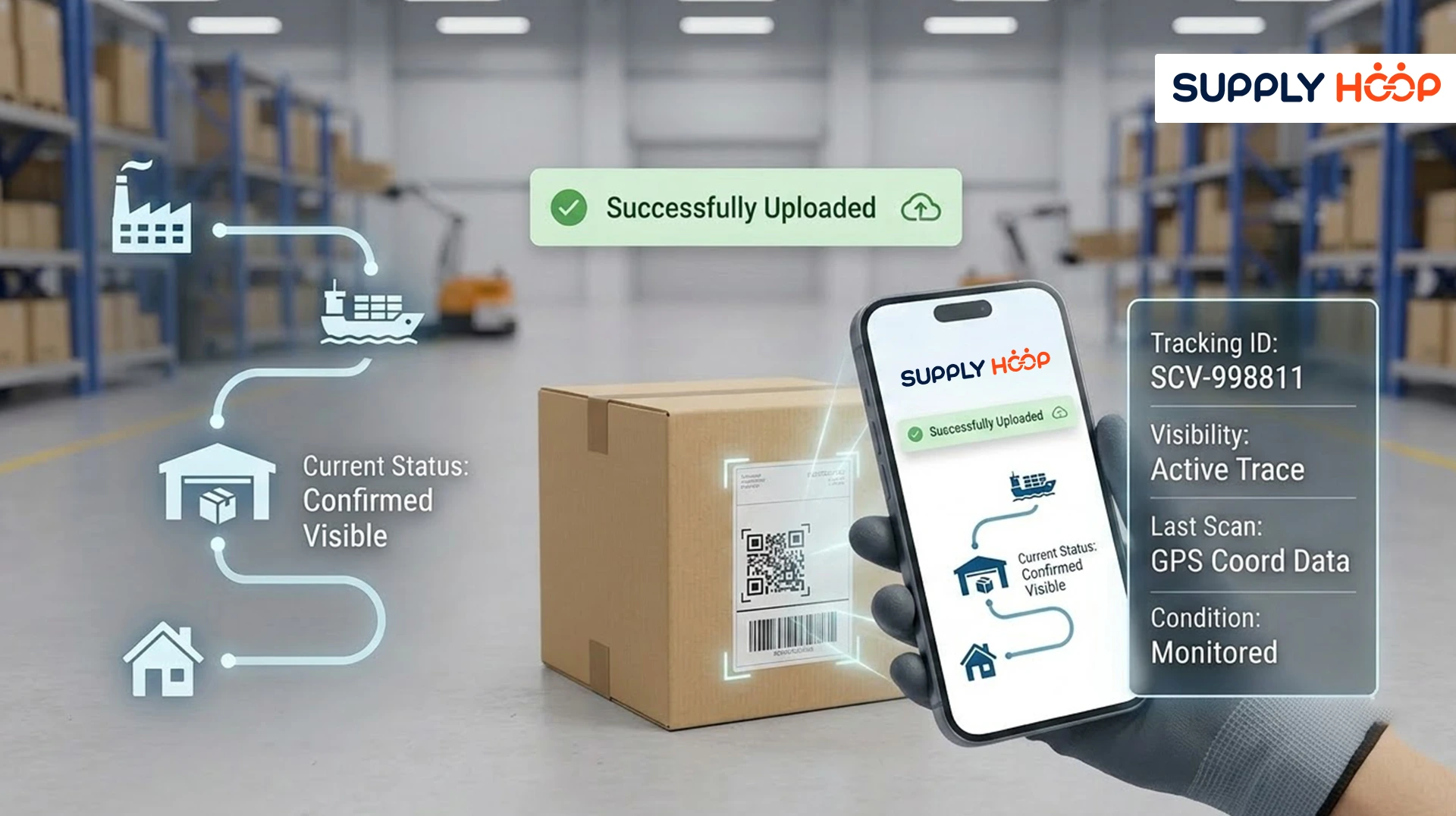
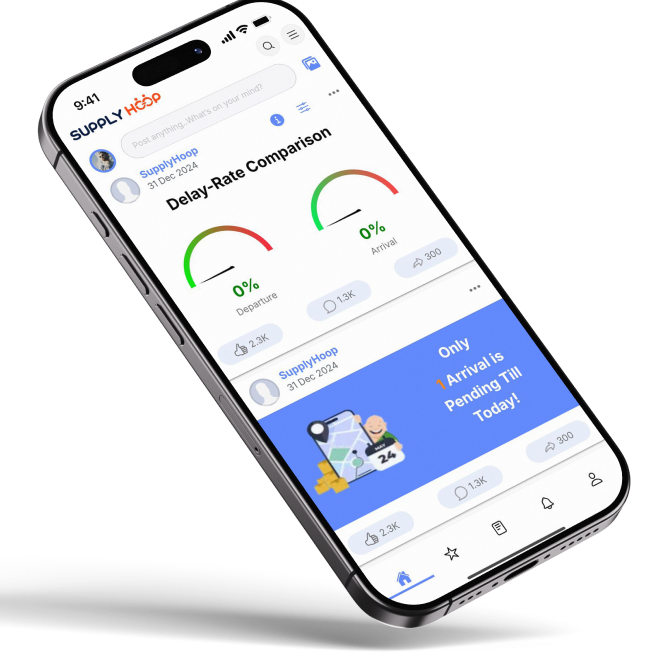
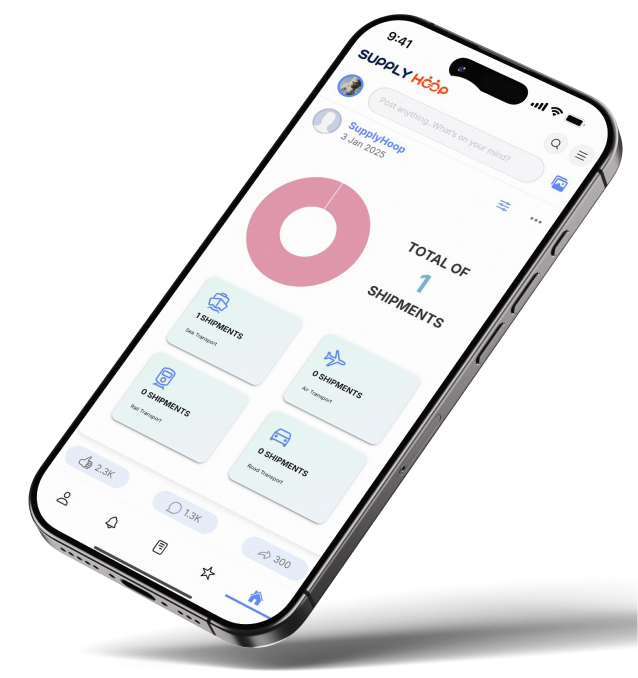
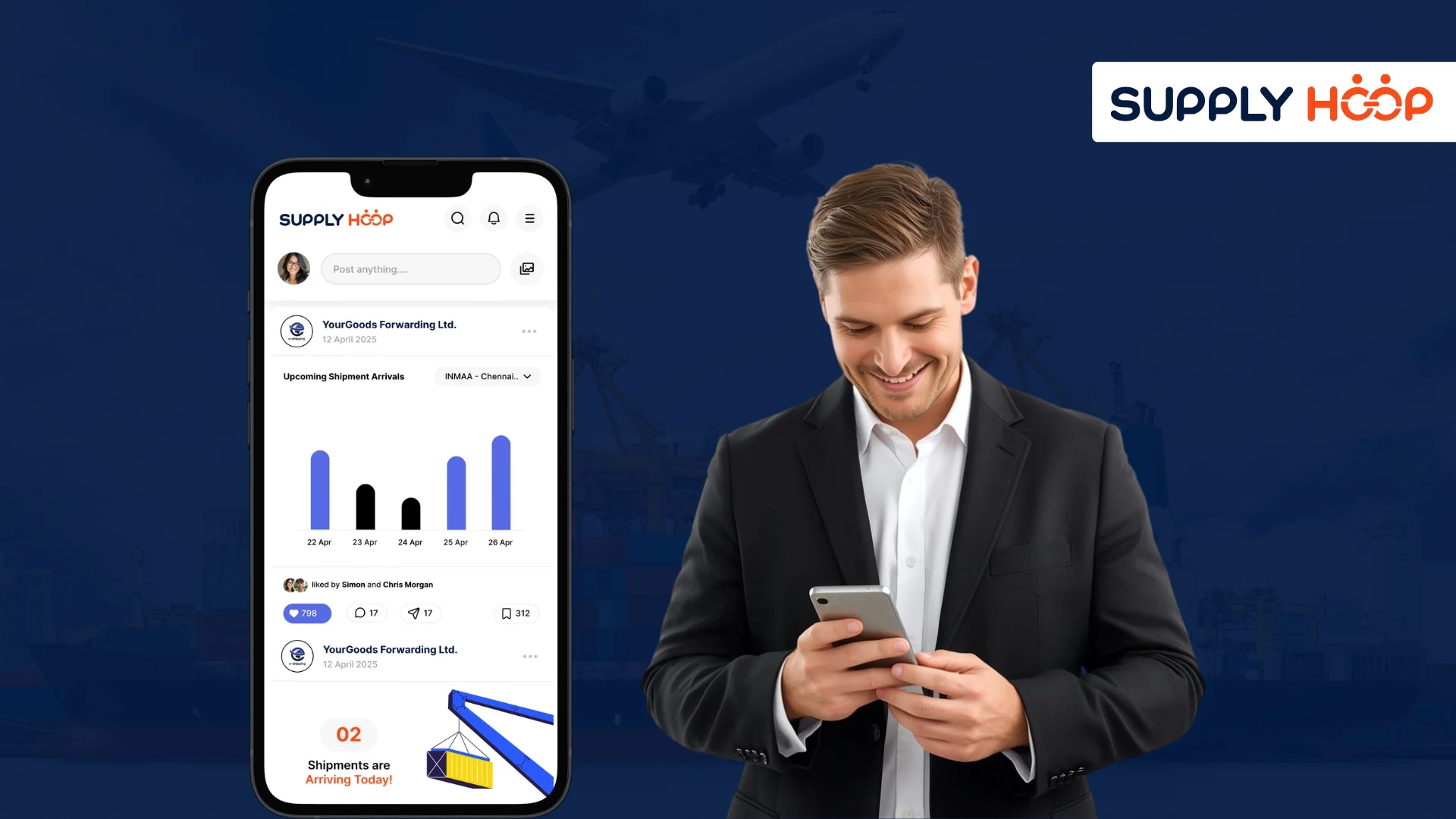
The process shown in the image represents how modern logistics platforms deliver this transparency by connecting every operational step into a single, customer-visible flow through a mobile-based experience.
Visibility is a Must for Customers
Customer expectations have changed. They are influenced by consumer-grade digital experiences where tracking, notifications, and instant updates are standard. Logistics customers now expect the same clarity from freight and supply chain partners.
Without structured visibility:
- Customers feel out of control
- Operations teams get overloaded with status queries
- Delays turn into escalations
- Minor issues feel like major failures
Customer visibility doesn’t mean exposing complexity. It means presenting clear, relevant, and timely information, exactly what customers need, when they need it.
Shipment Tracking and Visibility: The Foundation of Customer Trust
At the center of customer visibility is shipment tracking. But modern tracking goes beyond showing a location on a map. Customers want context.
Effective shipment visibility allows customers to:
- See current shipment status and milestones
- Understand ETAs and changes in real time
- Know whether a delay is operational, customs-related, or weather-driven
- Track progress across multiple legs and modes
When customers have access to this information through a mobile interface, they stop asking “Where is my shipment?” and start planning their own operations with confidence.
Bookings Visibility: Setting Expectations from the Start
Customer experience begins long before cargo moves. Booking visibility plays a major role in shaping expectations.
Through transparent booking workflows, customers can:
- View booking requests and confirmations
- Track booking status without follow-ups
- See changes or constraints early
- Understand timelines before execution begins
This upfront clarity reduces misunderstandings later and creates alignment between what was promised and what will be delivered.
Invoice and Quote Amendments: Eliminating Post-Shipment Confusion
Nothing damages customer trust faster than unexpected billing changes. Visibility into invoice and quote amendments helps customers stay informed and confident.
With clear amendment visibility, customers can:
- See when a quote or invoice has changed
- Understand what was updated and why
- Avoid surprises after shipment completion
- Maintain a transparent audit trail
This openness reduces disputes and strengthens long-term commercial relationships.
In-App Comments and Messaging: Contextual Communication Matters
One of the biggest gaps in logistics communication is context. Conversations often happen in emails or chats that are disconnected from the actual shipment.
In-app messaging is tied directly to shipments, bookings, or document changes that are dynamic. Customers benefit from:
- Conversations linked to the exact shipment or issue
- Clear communication history
- Faster responses without repeated explanations
- Fewer misunderstandings
When communication happens inside the process, not outside it, collaboration becomes smoother and more productive.
Approvals Visibility: Keeping Customers in the Loop
Approvals, whether for bookings, HBLs, or deviations, often happen silently in the background. Customers are left guessing why progress has stalled.
Approval visibility allows customers to:
- See when an item is pending approval
- Understand where a delay is coming from
- Track progress without chasing updates
- Trust that issues are being handled
Even when approvals take time, visibility reassures customers that things are moving forward.
Analytics and Reporting: Turning Visibility into Insight
Customer visibility isn’t just about the current shipment. It’s also about understanding performance over time.
Analytics and reporting give customers insight into:
- On-time delivery performance
- Exception trends
- Volume movement patterns
- Service consistency
When customers can see performance data clearly, conversations shift from blame to improvement. Logistics partnerships become more strategic and data-driven.
Document Visibility and Sharing: Reducing Delays and Dependence
Documents are often the biggest cause of delays, especially when customers don’t know whether files are ready or approved.
With document visibility, customers can:
- Access shipment documents instantly
- Confirm availability of HBLs, invoices, and PODs
- Share documents internally without requesting copies
- Avoid clearance and billing delays
This self-service access reduces friction and speeds up downstream processes.
How do All These Steps Work Together to Deliver True Customer Visibility?
Customer visibility is not one feature, it’s the result of connected processes. Shipment tracking, bookings, approvals, documents, communication, and analytics must work together as a single flow.
When these elements are unified:
- Customers see one consistent version of the truth
- Operations teams spend less time explaining and more time executing
- Issues are identified earlier
- Trust builds naturally through transparency
A mobile-first approach ensures this visibility is always accessible, not limited to desktop systems or office hours.
Why Mobile Access is Essential for Customer Visibility?
Supply chains don’t operate on a 9-to-5 schedule. Customers, carriers, and operations teams work across time zones and environments. Mobile access ensures visibility travels with the shipment.
For customers, mobile visibility means:
- Updates anytime, anywhere
- Faster responses to changes
- Fewer delays caused by waiting for information
Mobility turns visibility into a continuous experience rather than a periodic update.
Conclusion
Customer visibility is no longer about sending updates, it’s about sharing control. When customers can see what’s happening across shipments, bookings, documents, approvals, and performance, confidence increases, and friction decreases.
Every operational step contributes to customer experience. When visibility is built into that process, logistics stops feeling reactive and starts feeling reliable.
Book a demo to see how end-to-end, mobile-driven customer visibility can transform your logistics operations and strengthen customer trust.