One supplier ships through a global freight forwarder. Another uses a regional partner. Air freight moves through one provider, while ocean freight is handled by someone else entirely.
By the middle of the day, your operations team is checking four tracking portals, responding to customer emails, chasing updates on WhatsApp, and trying to understand which shipment is delayed and which one is still on schedule.
This is the reality for many logistics teams today.
Modern supply chains rarely depend on a single freight forwarder anymore. Businesses now work with multiple logistics providers across different countries, transport modes, and trade lanes. While this improves flexibility and pricing options, it creates a major operational challenge:
How do you manage all shipments in one place without losing visibility?
That’s exactly why companies are turning toward centralized logistics mobile apps that unify multi-forwarder shipment visibility into a single operational view.
Why is Multi-Forwarder Logistics Becoming More Common?
Supply chains have changed significantly over the past few years. Companies no longer rely on one forwarding partner for every movement.
Instead, businesses often split operations across multiple providers based on:
- Region-specific expertise
- Pricing and freight availability
- Different transport modes
- Specialized customs or trade lane support
- Capacity management during disruptions
For example, one forwarder may handle Asia–US ocean freight, while another manages European air shipments, and a third coordinates domestic trucking.
Operationally, this makes sense.
But visibility becomes difficult when every forwarder operates on different systems, update cycles, and communication channels.
The Real Problem is Fragmented Visibility
The issue isn’t having multiple forwarders.
The issue is managing visibility across them.
Most logistics teams today struggle with:
- Separate tracking portals for each provider
- Inconsistent shipment milestone updates
- Different ETA formats and reporting methods
- Delayed communication between stakeholders
- Lack of centralized operational oversight
As shipment volumes increase, teams spend more time gathering information than making decisions.
And in today’s logistics environment, delayed visibility quickly turns into delayed action.
Why Traditional Tracking Methods Break Down?
Most freight tracking systems were not designed for multi-forwarder operations.
They often require users to:
- Log in to different carrier systems
- Search individual tracking numbers manually
- Depend on emails for milestone updates
- Coordinate through spreadsheets or chat groups
This creates disconnected workflows and operational blind spots.
When disruptions happen, port congestion, vessel rerouting, customs delays, or geopolitical issues, teams struggle to understand the full picture quickly enough.
What a Centralized Logistics Mobile App Changes?
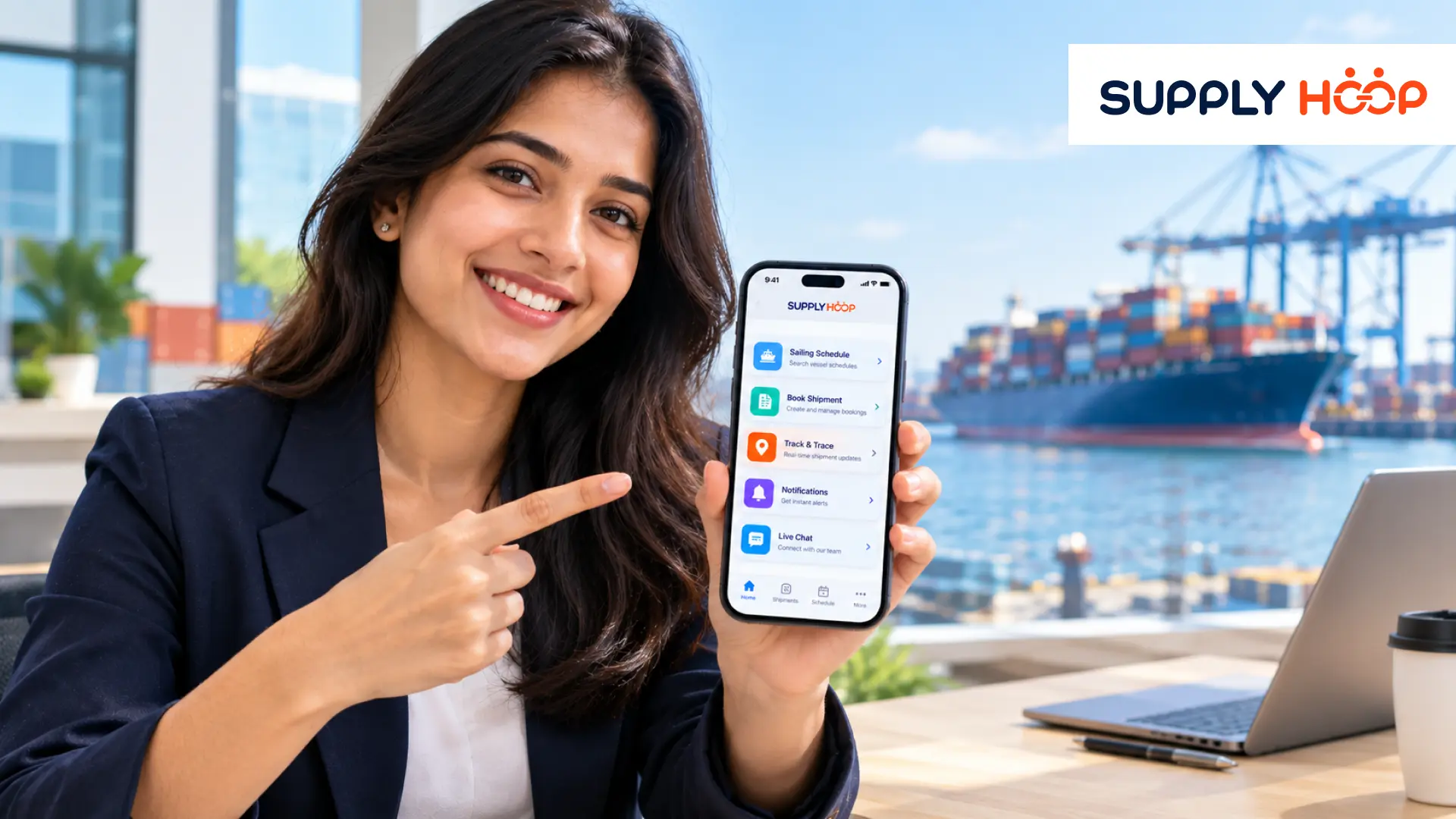
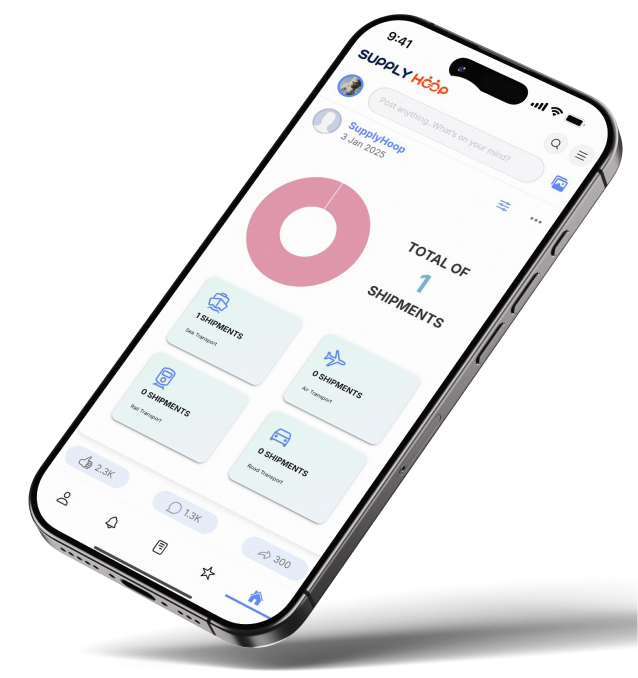
A centralized logistics mobile app solves this by bringing all shipment data into one unified interface.
Instead of checking multiple systems, users can monitor every shipment from every forwarder in one place.
The app creates a connected operational layer where teams can:
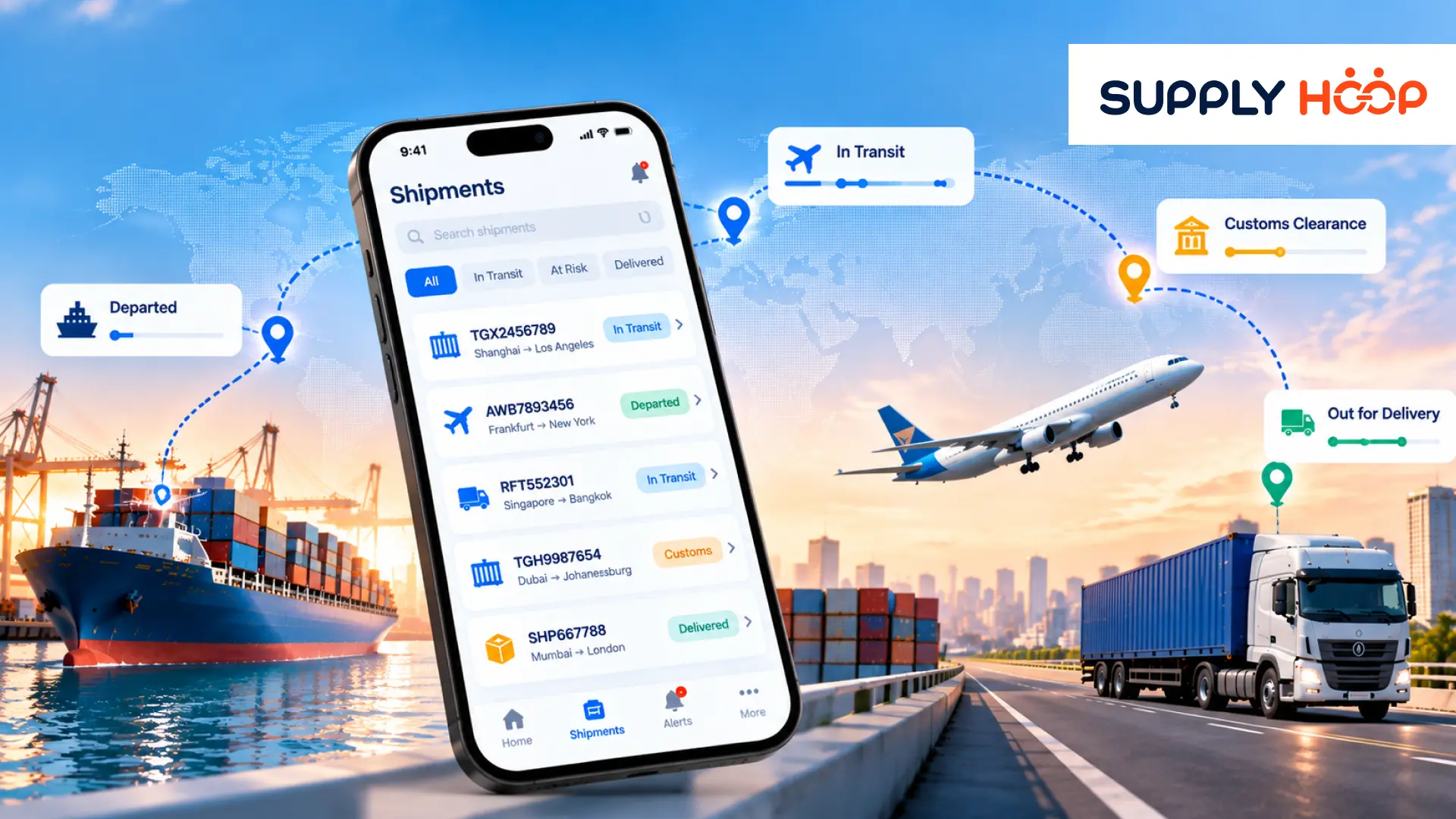
- Track ocean, air, rail, and road shipments together
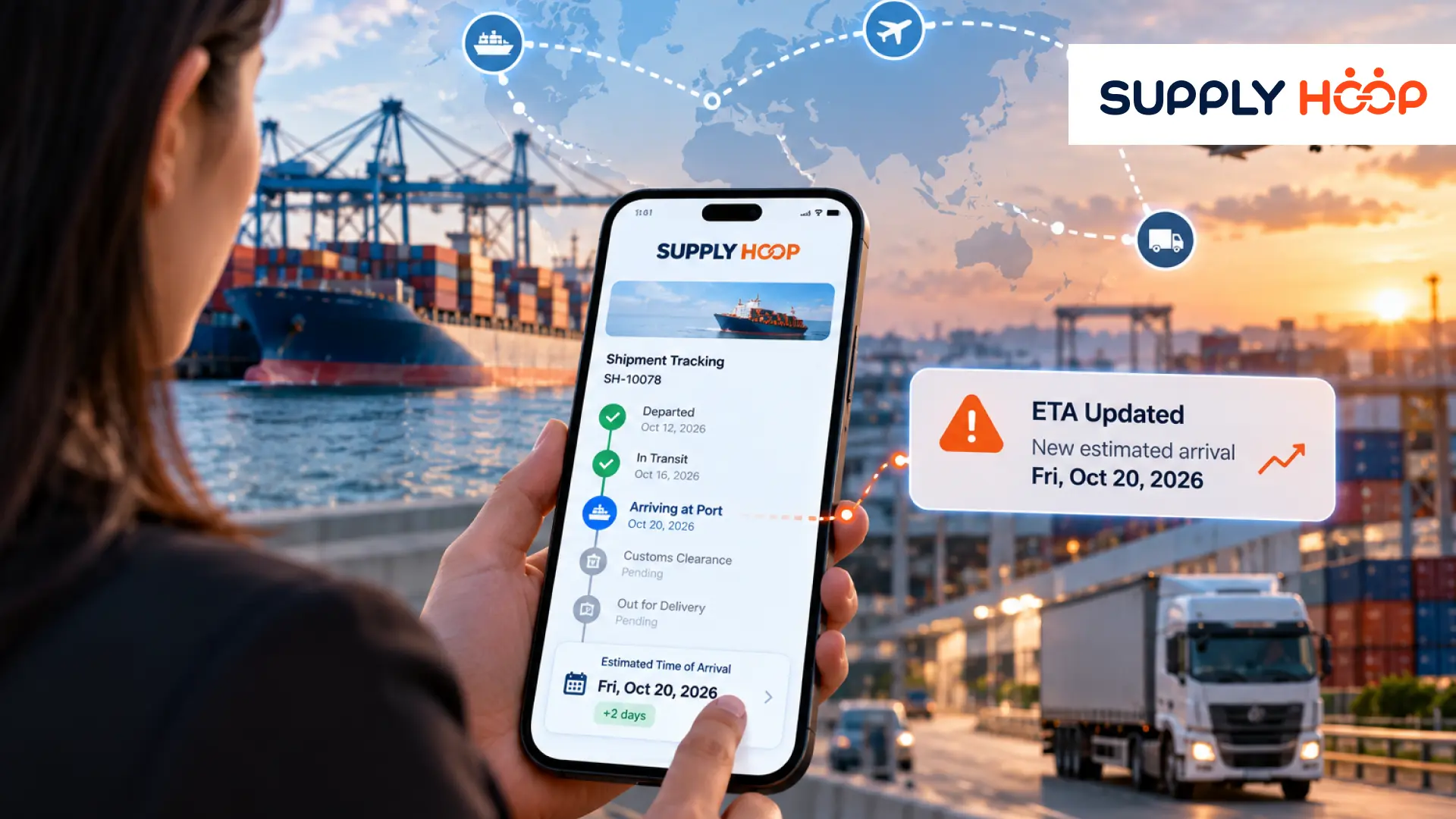
- View ETA, ETD, ATA, and milestone updates in real time
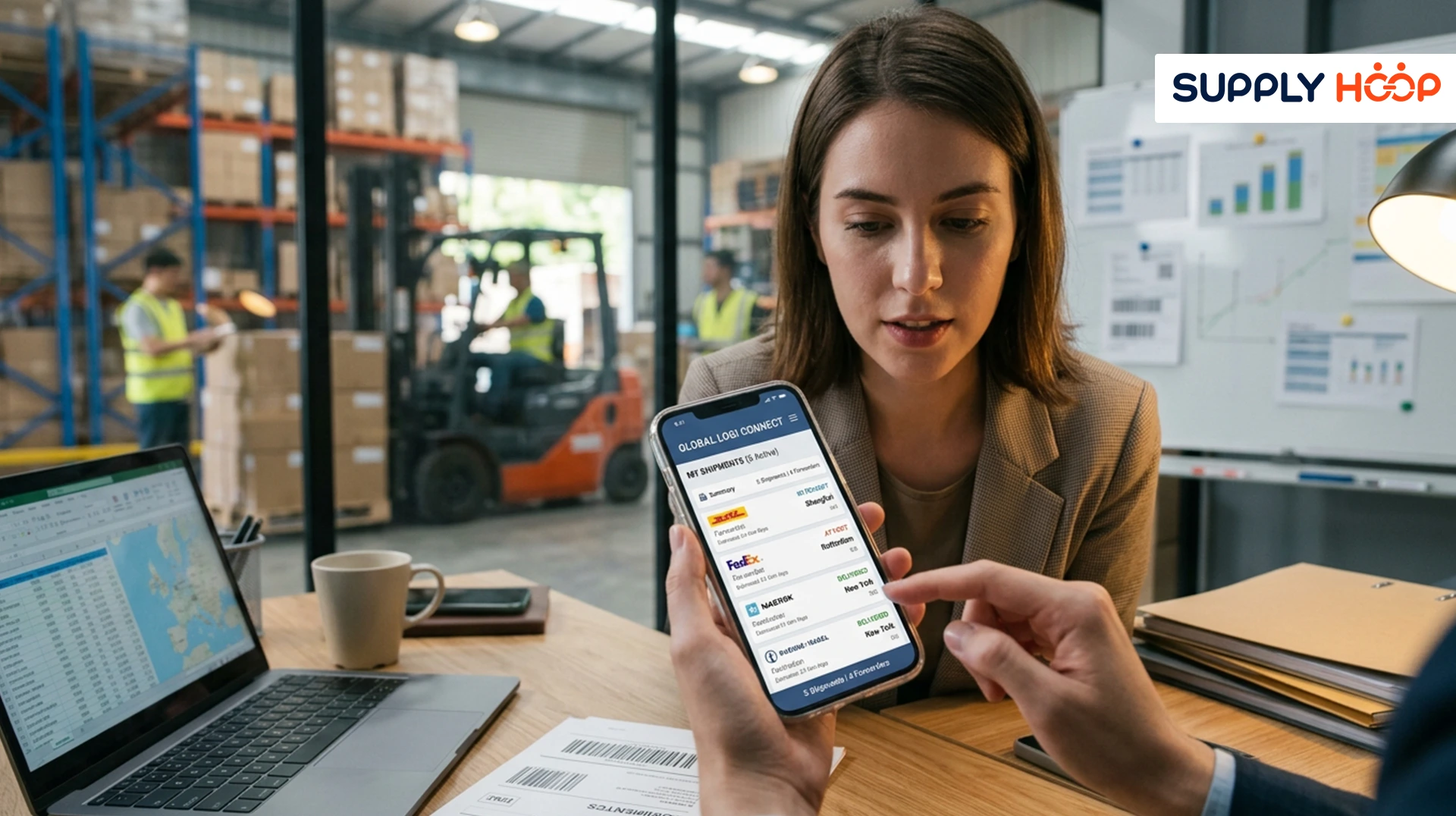
- Monitor shipments from different forwarders simultaneously
- Receive alerts for delays, holds, or exceptions
- Access shipment documentation and status instantly
This removes the operational friction caused by fragmented systems.
One Dashboard, One Shipment View, One Operational Truth
One of the biggest advantages of a unified mobile app is consistency.
No matter which freight forwarder is handling the shipment, the information appears in one standardized view.
This helps logistics teams:
- Compare shipment performance easily
- Understand delays faster
- Identify operational bottlenecks
- Coordinate customer communication more efficiently
Instead of juggling systems, teams work from one operational truth.
That dramatically improves visibility and decision-making.
Real-Time Visibility Matters More than Ever
In today’s supply chain environment, shipment conditions can change rapidly.
Vessels are rerouted. Air cargo capacity shifts overnight. Customs holds happen unexpectedly. Port congestion affects schedules globally.
Without real-time visibility, logistics teams react too late.
A mobile app with centralized visibility allows users to:
- Monitor shipment movement continuously
- Receive instant updates when ETAs change
- Detect disruptions earlier
- Adjust operations proactively
This helps teams stay ahead instead of constantly catching up.
AI-Powered Insights Simplify Complex Operations
Managing multi-forwarder operations generates large amounts of shipment data.
The challenge is understanding what actually needs attention.
This is where AI-powered logistics assistants become valuable.
Inside a modern mobile app, users can ask simple operational questions like:
- “Which shipments are delayed today?”
- “What containers are at risk of detention charges?”
- “Which forwarder is causing the delay?”
Instead of manually reviewing multiple dashboards, AI analyzes live operational data and provides immediate answers.
This reduces manual effort and speeds up operational response.
Why Mobile Access Changes Logistics Management?
Multi-forwarder operations are dynamic. Decisions often happen outside the office.
Logistics professionals move between:
- Warehouses
- Ports and terminals
- Customer meetings
- Distribution centers
A mobile-first visibility platform ensures that operational insight is always accessible.
Teams can:
- Check shipment status instantly
- Respond to customer queries immediately
- Coordinate with forwarders in real time
- Monitor disruptions while on the move
This flexibility improves both responsiveness and efficiency.
Better Communication Across Stakeholders
One major challenge in multi-forwarder operations is communication alignment.
Different providers often communicate through different channels, creating confusion and delays.
When communication is integrated into the mobile visibility workflow, operations become smoother.
Features like WhatsApp integration help by:
- Sharing automated shipment updates
- Sending delay notifications instantly
- Reducing manual follow-up messages
- Keeping customers informed in real time
This improves transparency across the supply chain.
Integration with Existing Platforms Matters
A strong logistics mobile app should not force businesses to replace existing systems.
Instead, it should integrate with:
- CargoWise
- ERP systems
- TMS platforms
- Carrier APIs
- Third-party forwarder systems
This allows shipment data to flow automatically into one centralized visibility layer.
The result is better operational control without disrupting existing workflows.
The Bigger Shift: Visibility is Becoming the Backbone of Logistics Operations
The logistics industry is moving toward connected ecosystems rather than isolated operations.
As companies continue working with multiple forwarders, visibility becomes the key factor that determines operational efficiency.
Businesses that can centralize shipment tracking, communication, and decision-making into one mobile platform gain a major advantage.
They operate faster, respond earlier, and communicate more confidently.
Conclusion: Managing Multiple Forwarders Shouldn’t Mean Managing Multiple Systems
Working with multiple freight forwarders can improve flexibility and scalability, but only if visibility remains connected.
A centralized logistics mobile app brings every shipment, milestone, alert, and update into one operational view. It simplifies complexity, reduces communication gaps, and gives logistics teams real-time control across the entire shipment network.
With AI-powered insights, real-time alerts, and integrated communication, companies can manage multi-forwarder operations with far greater clarity and confidence.
If you’re ready to simplify shipment management and achieve true end-to-end supply chain visibility, now is the time to take the next step.
Book a demo today and discover how a mobile-first visibility platform can help you manage every forwarder, shipment, and update from one connected experience.