Every logistics professional knows that Less than Container Load (LCL) and Full Container Load (FCL) shipments don’t move through the supply chain in exactly the same way.
An FCL shipment usually follows a more direct journey, with one shipper occupying the entire container from origin to destination. LCL shipments, on the other hand, involve consolidation, deconsolidating, warehouse handling, and coordination with multiple consignments before they reach the final customer.
Although the operational processes differ, one thing remains the same: customers expect timely updates regardless of whether their cargo fills an entire container or only a few pallets.
The problem is that many logistics teams still monitor LCL and FCL shipments through separate carrier portals, spreadsheets, emails, and manual status updates. Switching between different systems wastes time, delays customer communication, and makes it harder to identify shipments that need immediate attention.
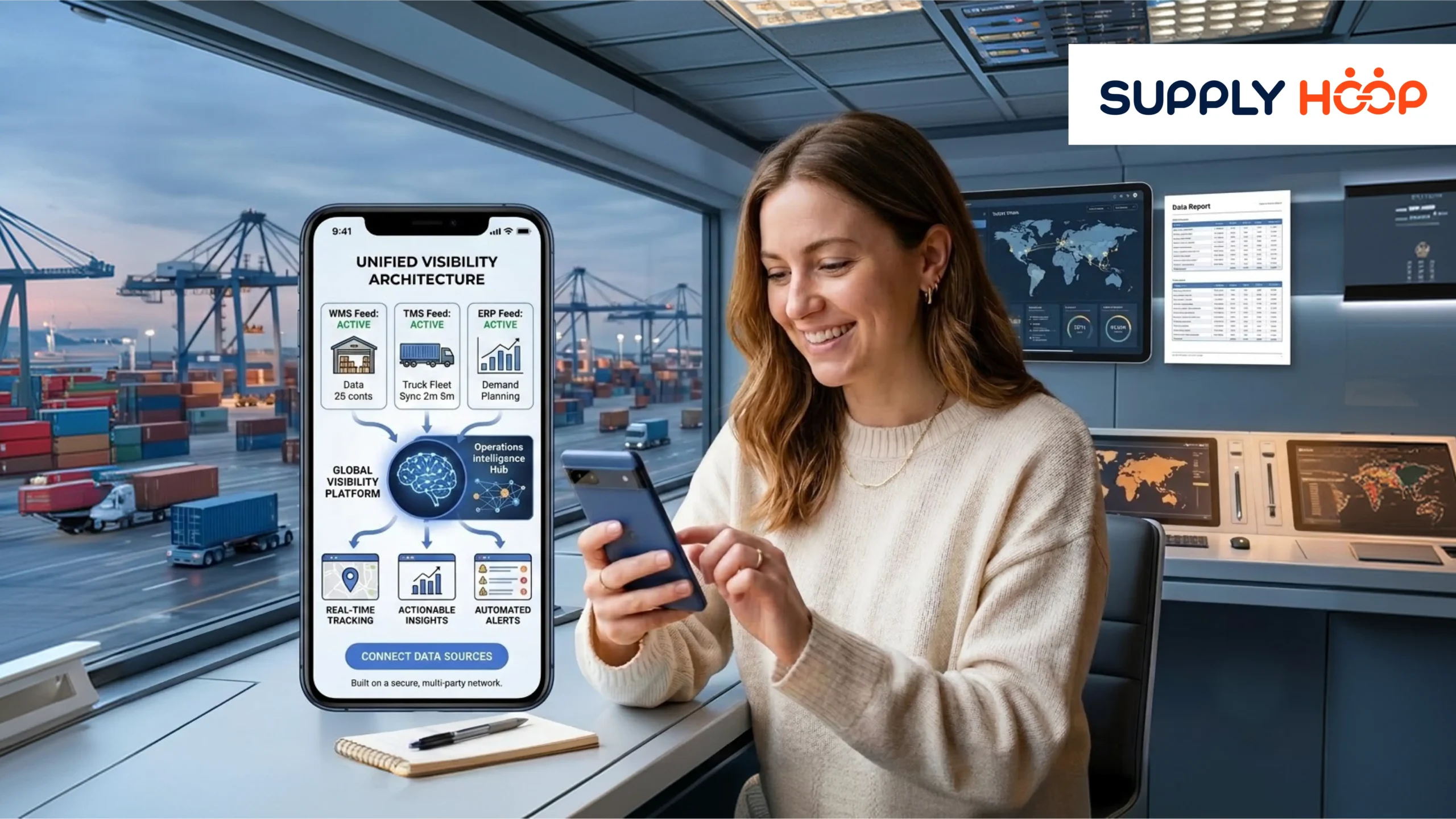
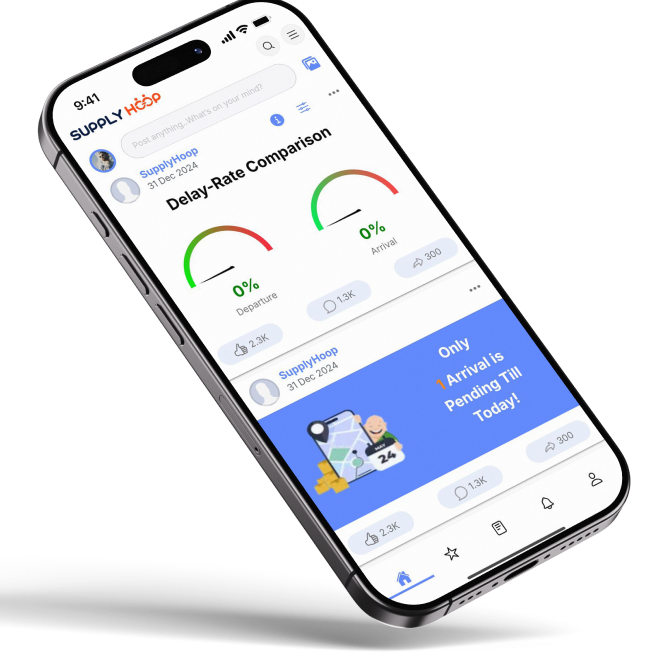
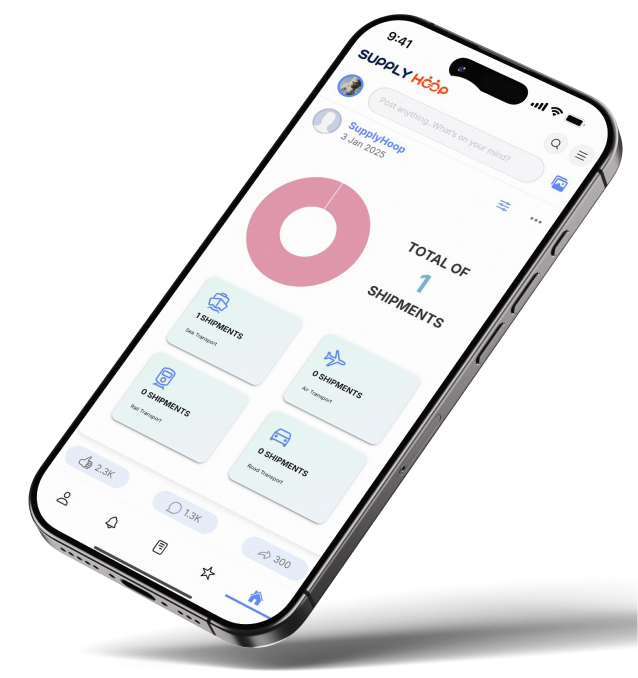
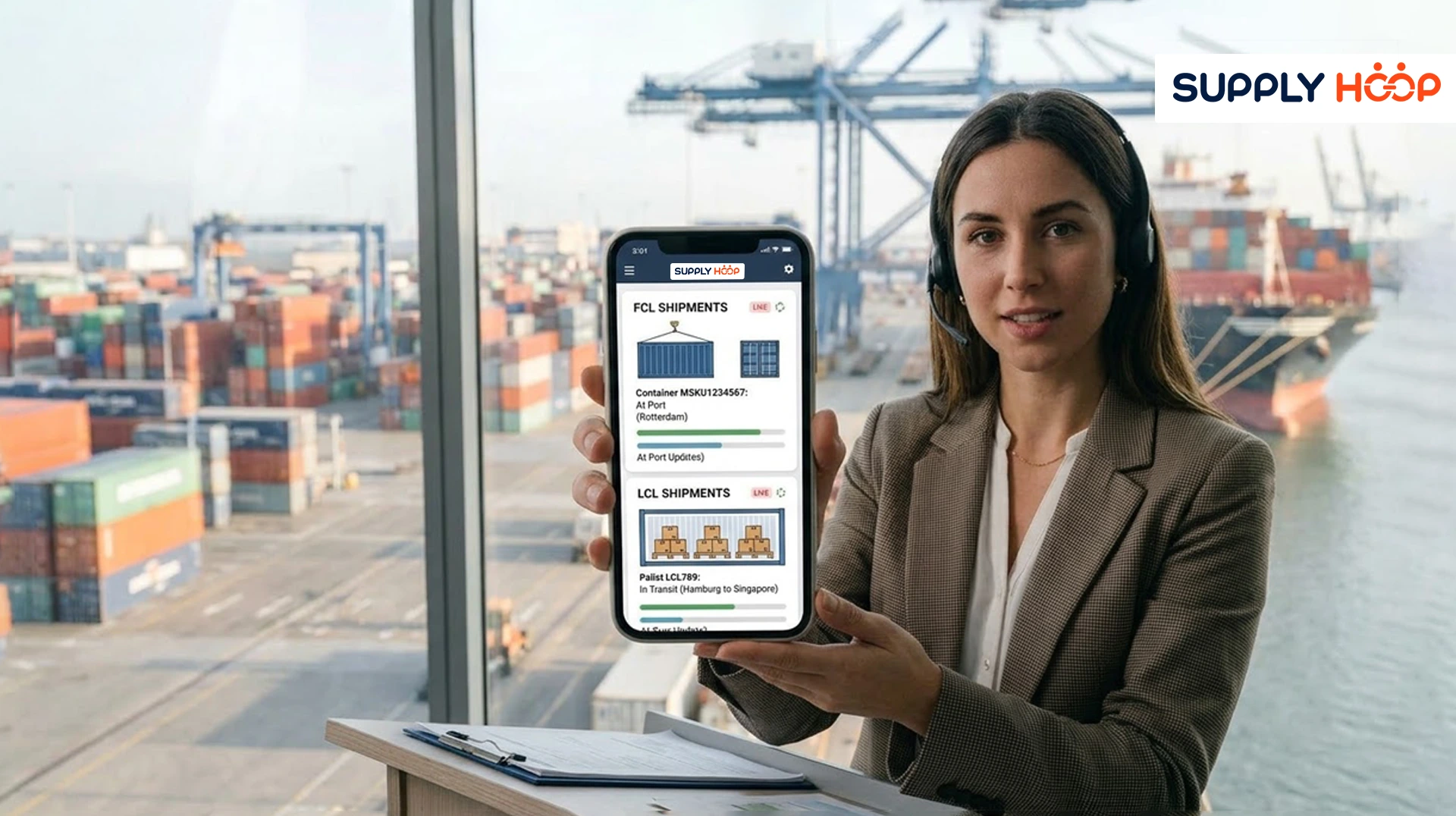
A mobile supply chain visibility platform solves this challenge by bringing both LCL and FCL shipments into one centralized dashboard, allowing teams to monitor every container, milestone, and exception from a single mobile app.
Why Tracking LCL and FCL Together Has Become More Important?
International shipping has become increasingly complex. A single freight forwarder may manage hundreds of containers moving through different ports, shipping lines, consolidation warehouses, customs checkpoints, and inland transport providers at the same time.
For businesses handling both LCL and FCL cargo, operations quickly become fragmented.
LCL shipments require visibility into consolidation schedules, warehouse movements, and container unpacking, while FCL shipments often focus on vessel schedules, container release, and inland delivery planning.
Without a unified tracking system, operations teams spend more time searching for information than managing freight.
A single mobile application removes these silos by providing one live view of every shipment, regardless of the container type.
Understanding the Different Visibility Requirements
Although LCL and FCL shipments ultimately move through similar international logistics networks, the information users need during transit is often different.
For FCL shipments, operations teams usually monitor:
- Container gate-in and gate-out
- Vessel departure and arrival
- Port discharge
- Customs clearance
- Container release
- Inland delivery
- Empty container return
LCL shipments typically require additional visibility into:
- Cargo consolidation
- Warehouse receipt confirmation
- Container stuffing
- Deconsolidation activities
- Freight availability
- Final distribution scheduling
A modern mobile app presents these milestones in one timeline, allowing users to follow every shipment without changing platforms.
One Dashboard, Complete Shipment Visibility
Instead of opening separate carrier websites or waiting for manual updates, logistics teams can access a single dashboard that displays all active LCL and FCL shipments together.
Users can instantly search by:
- Container number
- House Bill of Lading
- Master Bill of Lading
- Purchase Order
- Customer name
- Booking reference
- Shipment status
This unified visibility allows customer service teams, operations managers, warehouse planners, and management to access the same live information without requesting updates from different departments.
Everyone works from one source of truth.
Never Miss a Shipment Milestone Again
One of the biggest advantages of mobile shipment tracking is the ability to monitor every important logistics milestone as it happens.
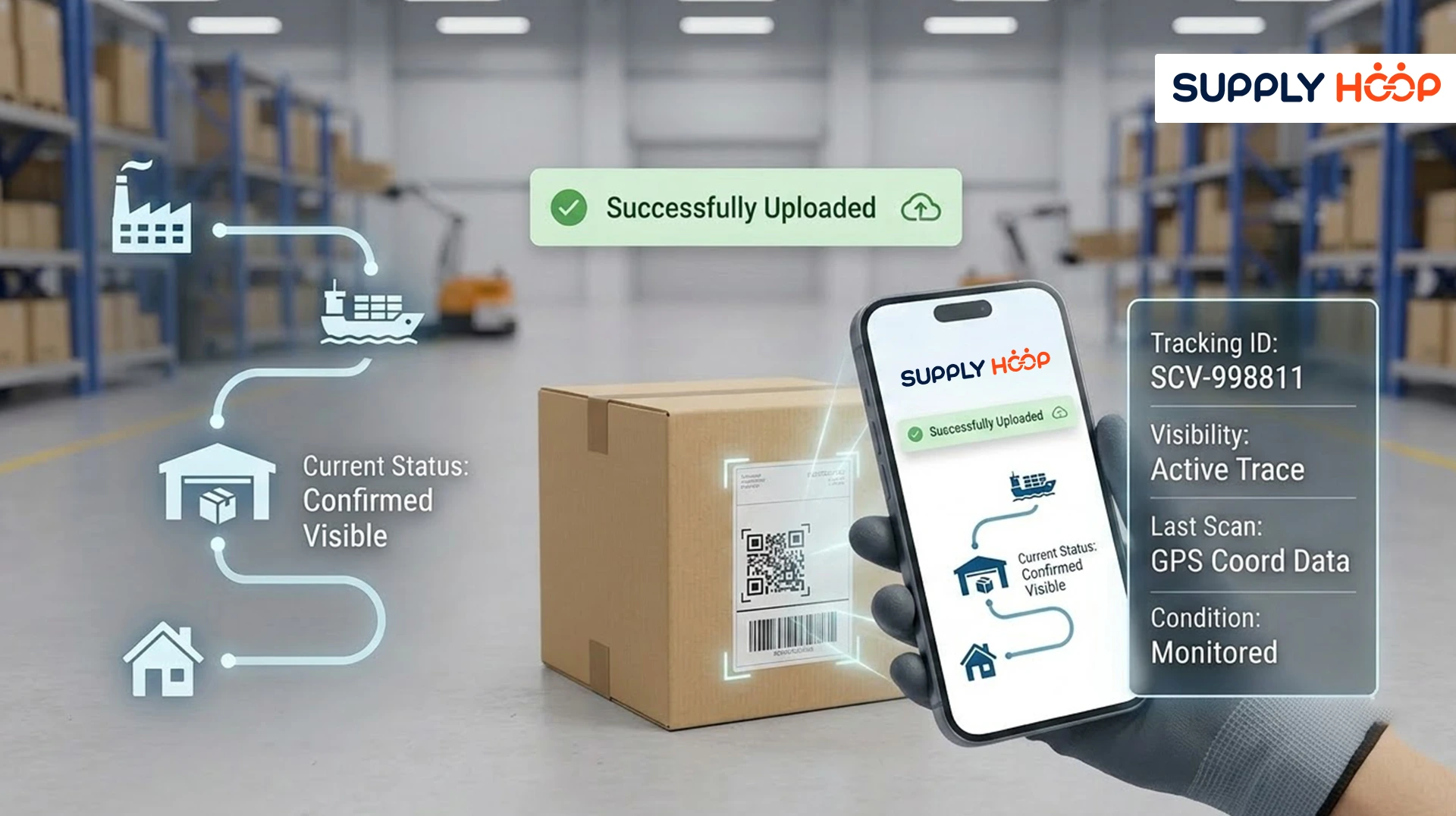
Rather than simply displaying “In Transit,” the app provides meaningful operational updates throughout the shipment lifecycle.
For example, users can follow milestones such as booking confirmation, container pickup, origin departure, transshipment, customs processing, destination arrival, cargo release, inland delivery, and proof of delivery.
For LCL shipments, additional milestones such as cargo consolidation, warehouse receipt, and deconsolidations provide much greater operational clarity than traditional shipment tracking methods.
This level of visibility helps logistics teams identify delays before they become customer issues.
Receive Immediate Alerts Instead of Searching for Problems
Operations teams shouldn’t have to monitor every shipment manually throughout the day.
A mobile app can automatically notify users whenever something important changes.
For example, notifications can be triggered when:
- A vessel schedule changes.
- An ETA is revised.
- Customs places cargo on hold.
- A container is released.
- Cargo becomes available for collection.
- Delivery milestones are completed.
Instead of discovering delays hours later, teams receive actionable information immediately, allowing faster decision-making and better customer communication.
Find Shipment Answers Instantly with Supply GPT
Managing hundreds of LCL and FCL shipments often means searching through reports just to answer simple operational questions.
Supply GPT removes that complexity.
Rather than filtering dashboards, users can ask questions naturally through the mobile app.
For example:
“Which FCL containers arrive this week?”
“Which LCL shipments are delayed at destination?”
“Show shipments waiting for customs clearance.”
“Which customers are affected by today’s vessel delay?”
Within seconds, Supply GPT retrieves answers from live operational data, helping teams focus on solving issues instead of searching for information.
Keep Customers Updated Without Manual Follow-Ups
Customers don’t usually ask whether their shipment is LCL or FCL because they already know that.
What they really want to know is:
Where is my shipment?
When will it arrive?
Has anything changed?
A mobile visibility platform with WhatsApp integration automatically delivers milestone notifications as shipments progress through the supply chain.
Customers receive updates when cargo departs, arrives at destination, clears customs, or becomes ready for delivery.
Instead of repeatedly contacting customer service, they remain informed throughout the shipment journey.
This improves transparency while reducing the communication workload for logistics teams.
Connect with CargoWise and Your Existing Logistics Systems
Most freight forwarders already use systems like CargoWise, ERP platforms, transportation management systems, and carrier integrations to manage operations.
A mobile visibility platform works alongside these systems rather than replacing them.
Shipment information flows automatically into one connected mobile experience, giving users complete visibility without duplicate data entry or manual synchronization.
Whether managing ten containers or ten thousand, teams gain a consistent view of every shipment from origin to delivery.
Better Visibility Creates Better Logistics Decisions
The real value of tracking LCL and FCL shipments from one mobile app extends beyond convenience.
When operations teams have instant access to live shipment information, they can prioritize delayed cargo, coordinate warehouse resources more effectively, improve customer communication, reduce manual administration, and respond to disruptions before they escalate.
Instead of spending valuable time collecting updates, logistics professionals spend more time making informed decisions that improve service performance.
In today’s supply chain environment, visibility isn’t simply about knowing where freight is. It’s about knowing what needs your attention next.
Conclusion
Managing LCL and FCL shipments separately creates unnecessary complexity in an industry where speed, visibility, and customer communication matter more than ever. A single mobile app eliminates fragmented tracking by bringing every shipment, milestone, alert, and exception into one connected workspace.
With end-to-end supply chain visibility, real-time milestone updates, AI-powered insights through Supply GPT, WhatsApp notifications, and seamless integration with CargoWise and other logistics systems, logistics teams can manage every shipment with greater confidence, whether it’s a single pallet in an LCL consolidation or a full container moving across global trade lanes.
Book a demo today and discover how one mobile app can simplify LCL and FCL shipment tracking while giving your team complete end-to-end supply chain visibility from booking to final delivery.