A shipment that was on schedule yesterday has suddenly been delayed today. A vessel changes course. A flight route disappears overnight. And the only thing worse than the disruption itself? Not knowing it’s happening until it’s already too late.
That’s the reality logistics teams are dealing with right now.
Geopolitical volatility, whether it’s tensions in the Middle East, trade restrictions, sanctions, or regional conflicts, is no longer an occasional disruption. It’s becoming a constant variable in global supply chains. And as these disruptions grow more frequent, one thing is becoming very clear:
Visibility is no longer optional. It’s critical.
Why is Geopolitical Volatility Hitting Supply Chains Harder?
Global supply chains are built on interconnected routes, air corridors, sea lanes, rail networks, and ports. When geopolitical tensions impact even one part of this network, the effects spread quickly.
Today’s disruptions are more complex because they involve:
- Strategic chokepoints like the Strait of Hormuz and the Suez Canal
- Airspace restrictions affecting cargo flights
- Sanctions and trade compliance changes
- Security inspections and port delays
- Sudden rerouting of vessels and aircraft
These aren’t isolated incidents. They create a ripple effect across multiple regions, impacting everything from raw material supply to final delivery timelines.
For logistics professionals, this means one thing: uncertainty is now built into the system.
The Real Problem: Lack of Real-Time Risk Visibility
Most companies are aware that risks exist. The bigger issue is how quickly they can see those risks affecting their shipments.
In many operations, visibility is still limited by:
- Delayed milestone updates
- Siloed systems that don’t communicate
- Manual tracking through emails and calls
- Lack of centralized shipment data
When disruptions happen, teams often find out too late. A vessel has already been rerouted. A container is stuck at a port. A shipment misses its connection.
By the time the update reaches the team, the damage is already done.
Why Supply Chain Risk is Now a Data Problem?
Traditionally, supply chain risk was managed through planning, backup suppliers, alternate routes, and safety stock. While those strategies still matter, they don’t solve the real-time challenge.
Today, risk management is increasingly about data visibility and speed.
Logistics teams need answers to questions like:
- Where is my shipment right now?
- Has the route changed?
- What is the updated ETA?
- Are there delays at ports or checkpoints?
- Will this impact downstream operations?
Without real-time data, these questions take time to answer. And in logistics, time is everything.
Mobile Apps: Turning Visibility into Action
This is where mobile-based supply chain visibility is changing the game.
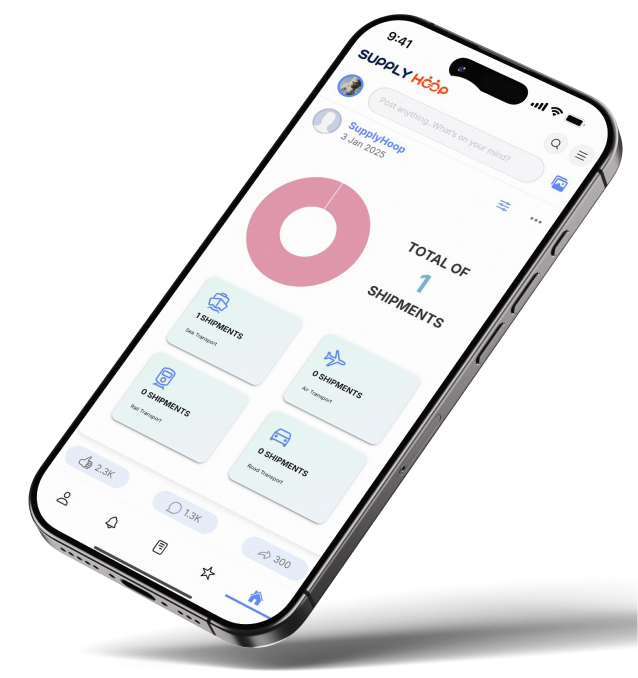
Instead of relying on desktop systems or waiting for updates, logistics teams can now access real-time shipment data directly from their mobile devices.
A mobile visibility platform allows users to:
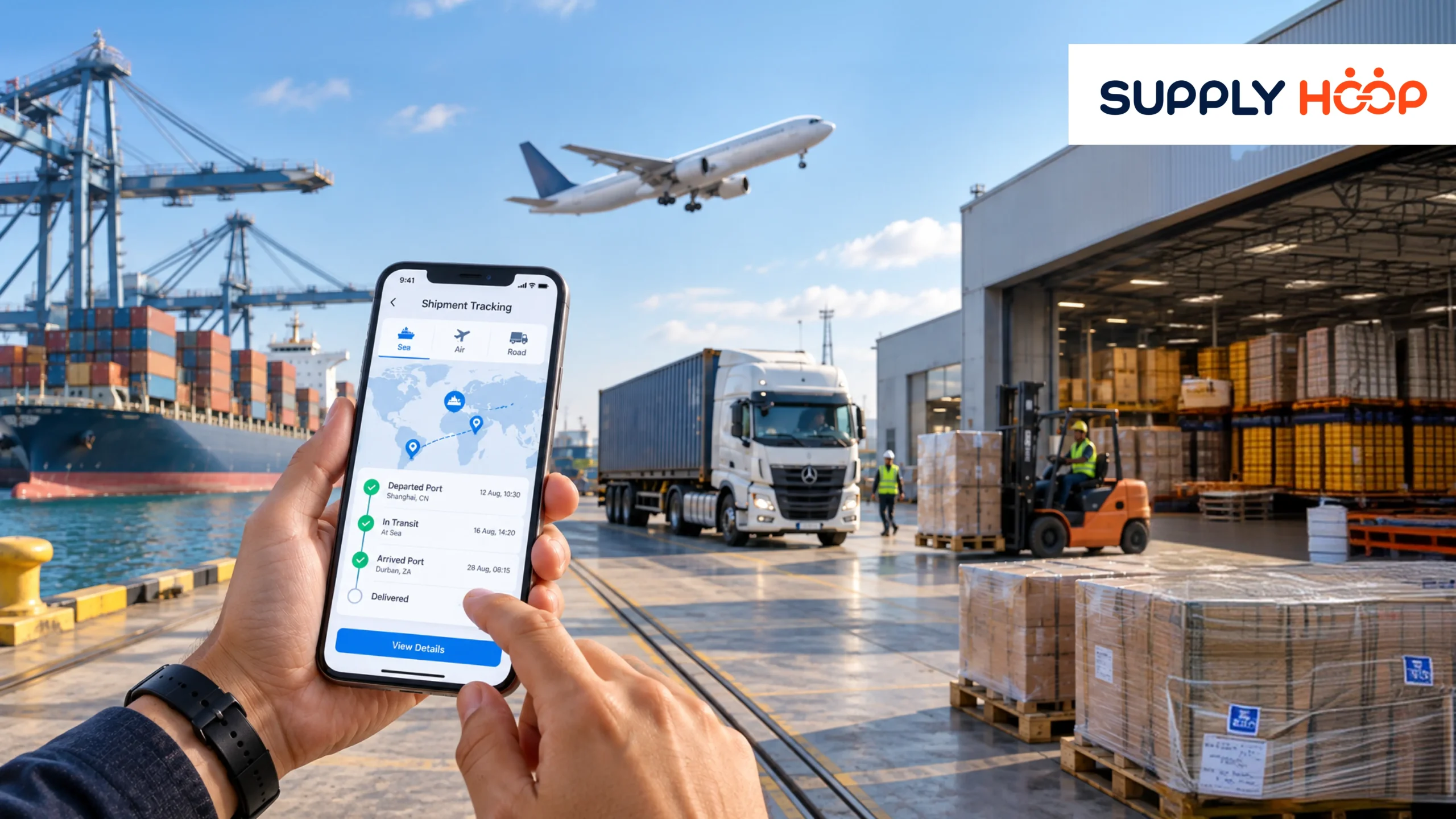
- Track shipments live across air, ocean, and road
- Monitor ETA, ETD, and milestone updates
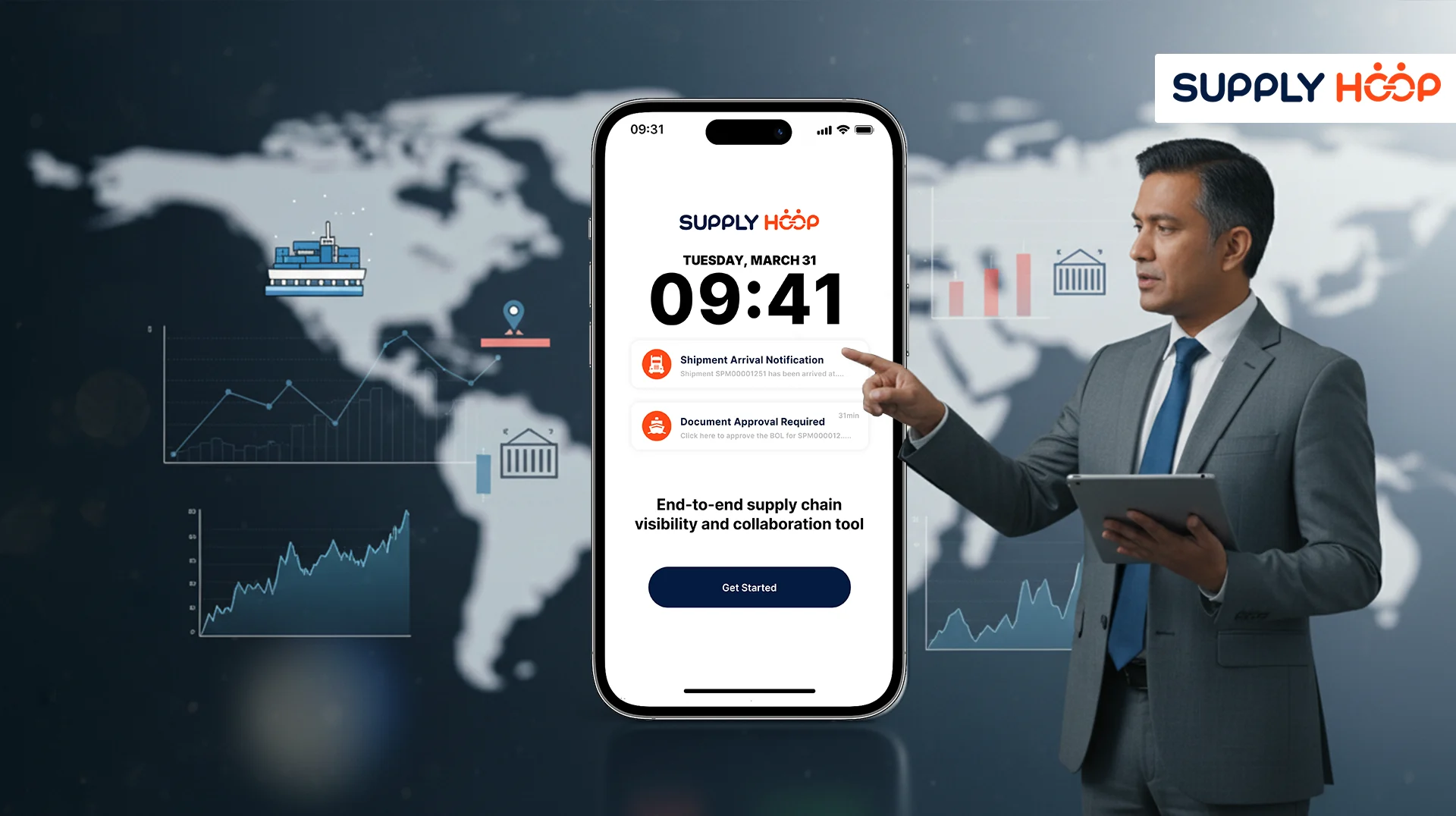
- Receive instant alerts for delays or disruptions
- Access shipment documents and compliance data
- Stay connected with operations from anywhere
This isn’t just about convenience, it’s about speed of decision-making.
When information is available instantly, teams can act instantly.
AI-Powered Risk Monitoring: Seeing Problems Before They Happen
Real-time tracking is powerful. But combining it with AI makes it even more valuable.
AI-driven systems analyze patterns across shipment data, routes, and external factors to identify potential risks early.
These systems can detect:
- Vessel slowdowns near high-risk zones
- Route deviations caused by geopolitical issues
- Port congestion is building up
- Delays forming before official updates are released
With predictive alerts, logistics teams don’t just react, they anticipate.
This allows them to:
- Adjust delivery schedules early
- Inform customers proactively
- Coordinate alternative plans
- Avoid last-minute disruptions
- The Cost of Poor Visibility
When visibility is limited, the impact goes beyond delays.
Companies may face:
- Increased demurrage and detention charges
- Higher transportation costs due to last-minute changes
- Inventory shortages or overstocking
- Missed delivery commitments
- Reduced customer trust
These costs add up quickly, especially in a volatile global environment.
On the other hand, companies with strong visibility systems can reduce these risks significantly by acting earlier.
Building Resilient Supply Chains Through Visibility
The current geopolitical environment is pushing companies to rethink how they manage supply chains.
Many organizations are already taking steps to improve resilience:
- Diversifying suppliers across regions
- Redesigning logistics networks
- Increasing buffer inventory
- Investing in digital visibility platforms
But one factor ties all these strategies together: real-time visibility.
Without it, even the best planning strategies can fall short.
Why is Mobile Visibility Becoming the Industry Standard?
As supply chains become more dynamic, the need for mobility becomes obvious.
Logistics professionals are constantly on the move, between warehouses, ports, offices, and client meetings. They can’t afford to wait for updates.
Mobile visibility ensures that:
- Critical data is always accessible
- Teams stay connected in real time
- Decisions can be made from anywhere
It turns every smartphone into a supply chain control center.
Conclusion: Visibility is the Foundation of Modern Supply Chains
Geopolitical volatility is not going away. If anything, it’s becoming a permanent part of global trade.
The companies that succeed in this environment will not be the ones that avoid disruptions, but the ones that see them early and respond faster.
Real-time, AI-powered mobile visibility provides exactly that advantage.
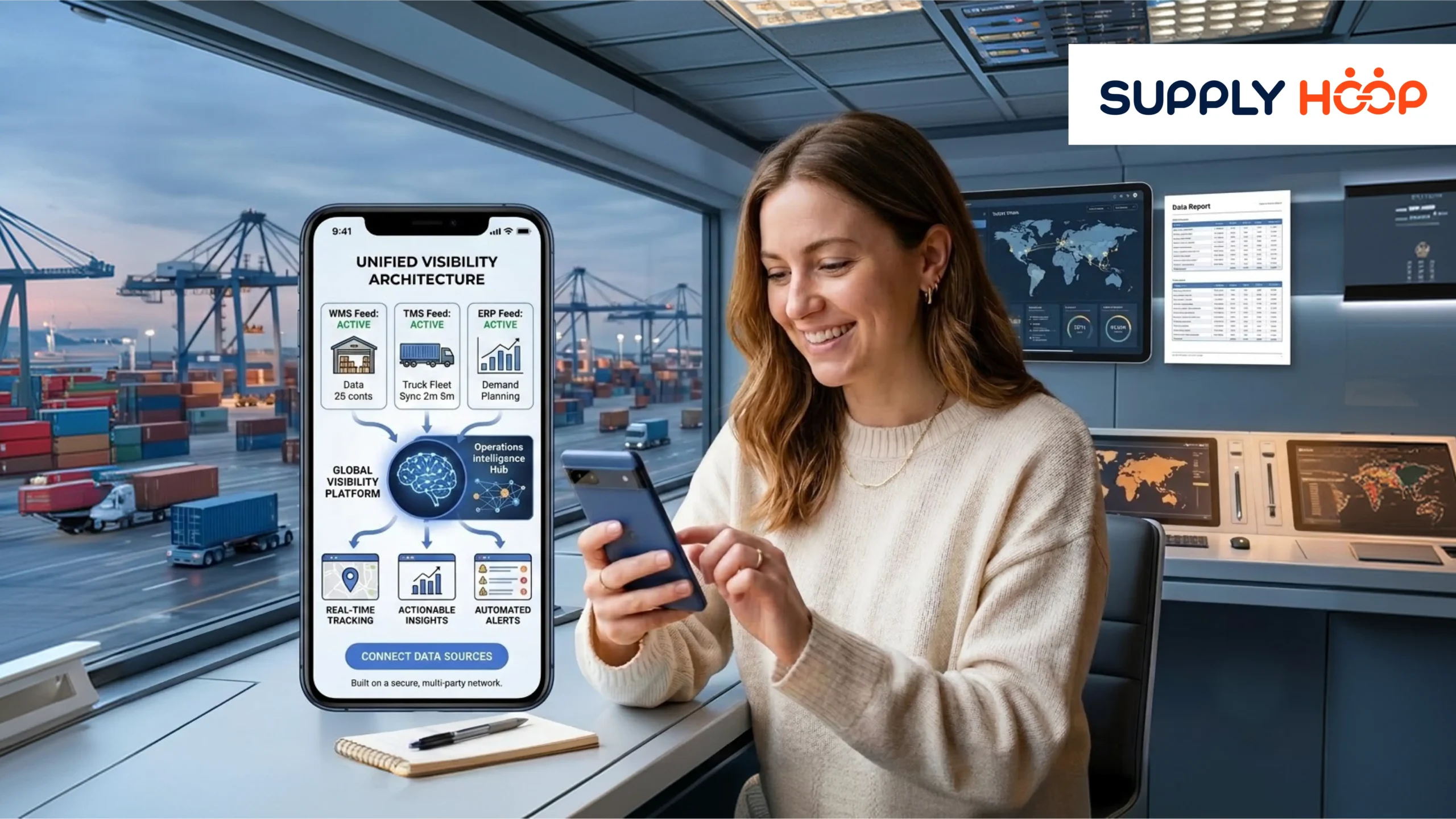
It connects data, people, and operations into a single, accessible platform, giving logistics teams the clarity they need to navigate uncertainty with confidence.
If you’re looking to strengthen your operations and stay ahead of supply chain risks, it’s time to rethink visibility.
Book a demo today and discover how end-to-end supply chain visibility through mobile technology can help you take control of your shipments, anytime, anywhere.