Some disruptions build slowly. Others appear overnight.
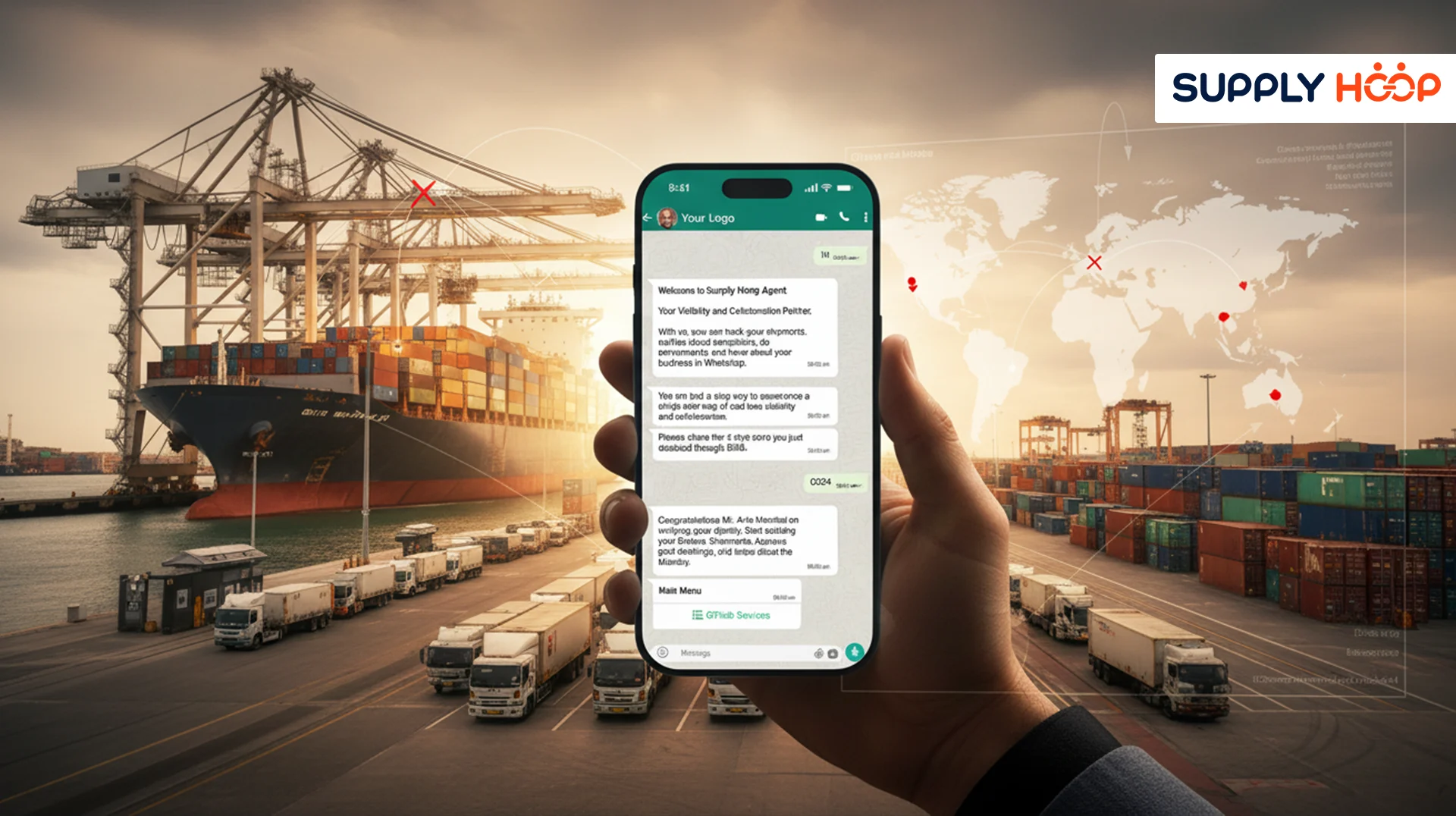
A conflict escalates near a strategic shipping corridor. Airspace restrictions are announced without warning. A port authority introduces new inspections. Within hours, vessels are rerouted, flights are delayed, and cargo schedules collapse.
For freight forwarders and logistics professionals, geopolitical tensions are no longer distant news headlines, they are operational risks that directly affect shipments, costs, and delivery commitments.
Yet many supply chains still rely on delayed updates, fragmented tracking systems, and manual communication. When global trade becomes unpredictable, that lack of visibility can quickly turn manageable disruptions into operational chaos.
How Geopolitical Conflicts Disrupt Global Freight Movement?
Modern supply chains depend on interconnected routes. When a geopolitical crisis emerges, the impact spreads rapidly across multiple logistics channels.
Some of the most common disruptions include:
- Vessel rerouting due to security risks
- Airspace closures affecting cargo flights
- Port congestion caused by redirected shipments
- Customs inspections are increasing due to heightened security
- Sudden changes in trade policies or sanctions
When these events occur, shipment timelines change instantly. A vessel delay in one region can affect warehouse operations thousands of miles away.
Without real-time tracking and visibility, logistics teams are left reacting instead of planning.
Why Freight Forwarders Often Underestimate Geopolitical Risk?
Many logistics organizations focus heavily on operational efficiency, optimizing routes, managing costs, and improving delivery performance. While these goals are important, geopolitical risks are often underestimated until disruption occurs.
This happens for several reasons:
- Global conflicts evolve quickly and unpredictably
- Traditional tracking systems provide delayed information
- Shipment visibility is often fragmented across multiple platforms
- Communication between stakeholders takes time
By the time a disruption becomes visible, the shipment may already be affected.
The challenge isn’t awareness of geopolitical events, it’s translating that awareness into real-time operational visibility.
The Visibility Gap During Global Disruptions
During geopolitical crises, supply chain visibility becomes more important than ever. Yet this is exactly when many systems fail to provide clear answers.
Logistics teams need to know:
- Where the shipment is right now
- Whether the route has changed
- Updated ETAs and arrival timelines
- Customs clearance status
- Potential delays caused by rerouting or inspections
When this information is difficult to access, teams rely on phone calls, emails, and manual follow-ups.
In a rapidly evolving situation, those delays create uncertainty and stress for both logistics teams and customers.
Why Mobile Visibility Changes Everything?
When disruptions occur, waiting to access information from a desktop system is no longer practical. Logistics professionals need answers immediately, whether they are in a warehouse, at a port, or meeting with clients.
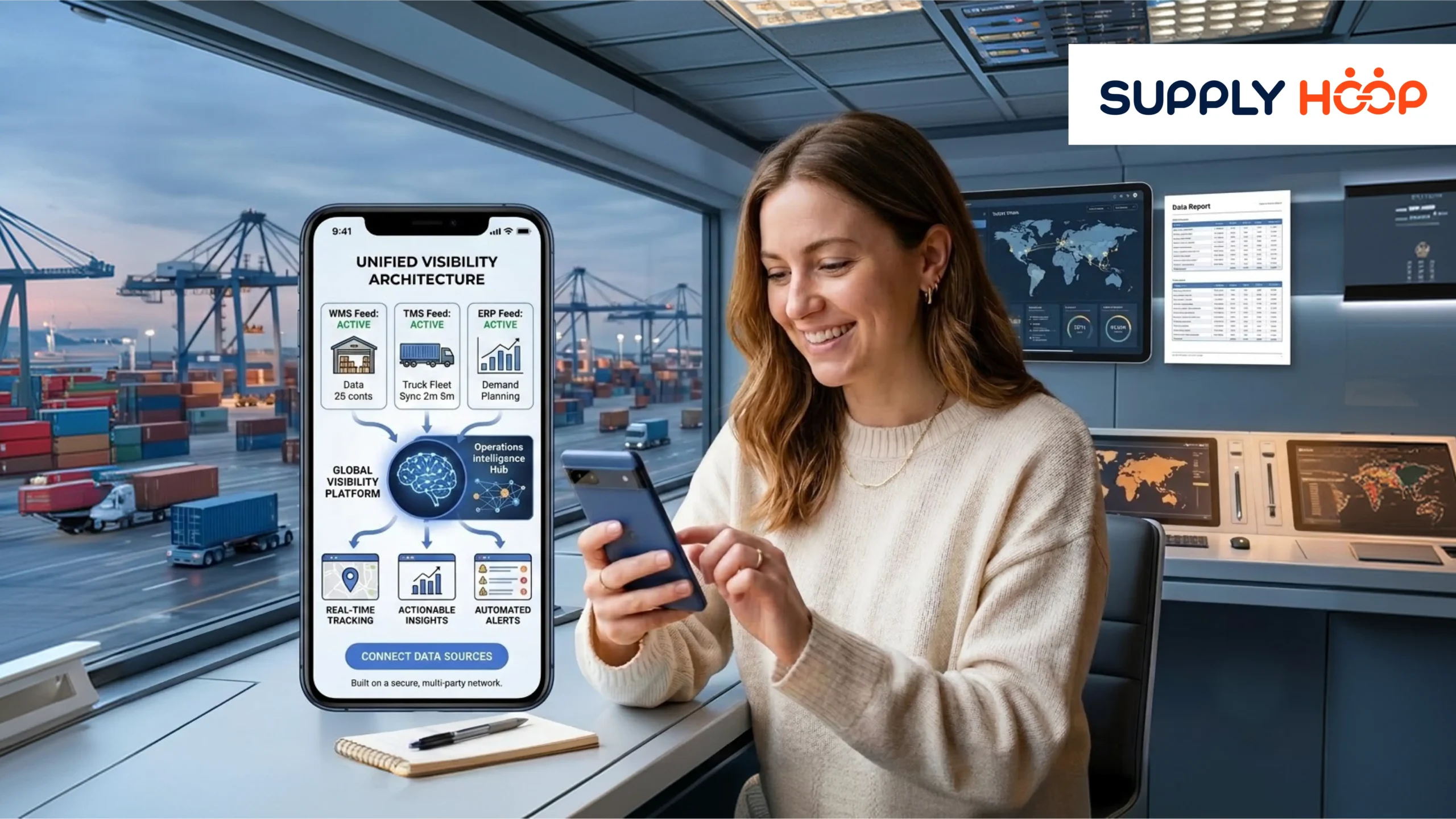
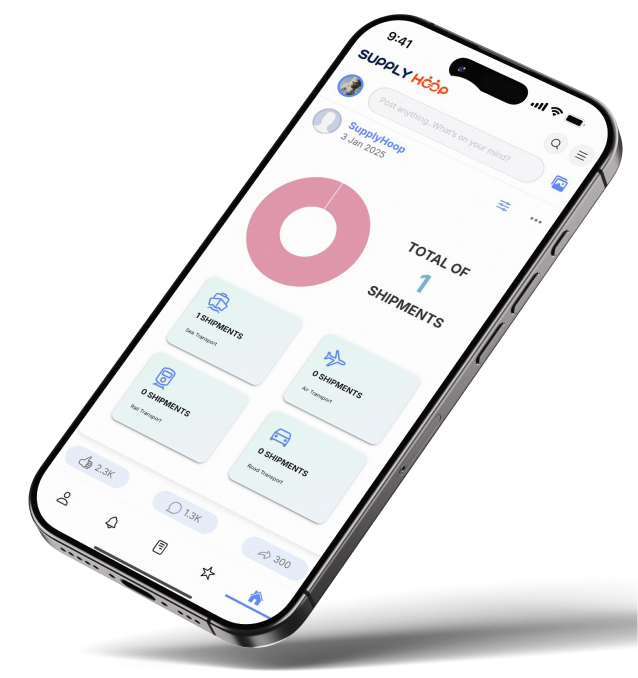
Mobile-based shipment visibility solves this challenge by providing real-time access to shipment data anywhere.
With a mobile app, teams can:
- Track shipment locations in real time
- Monitor ETA and route changes
- Receive alerts for delays or deviations
- Access documentation and customs updates
- View shipment milestones instantly
Instead of searching across systems, teams gain a centralized view of operational information.
This immediate access helps organizations respond faster when global events disrupt logistics networks.
Tracking Shipments in an Uncertain World
During geopolitical disruptions, the ability to track shipments accurately becomes essential.
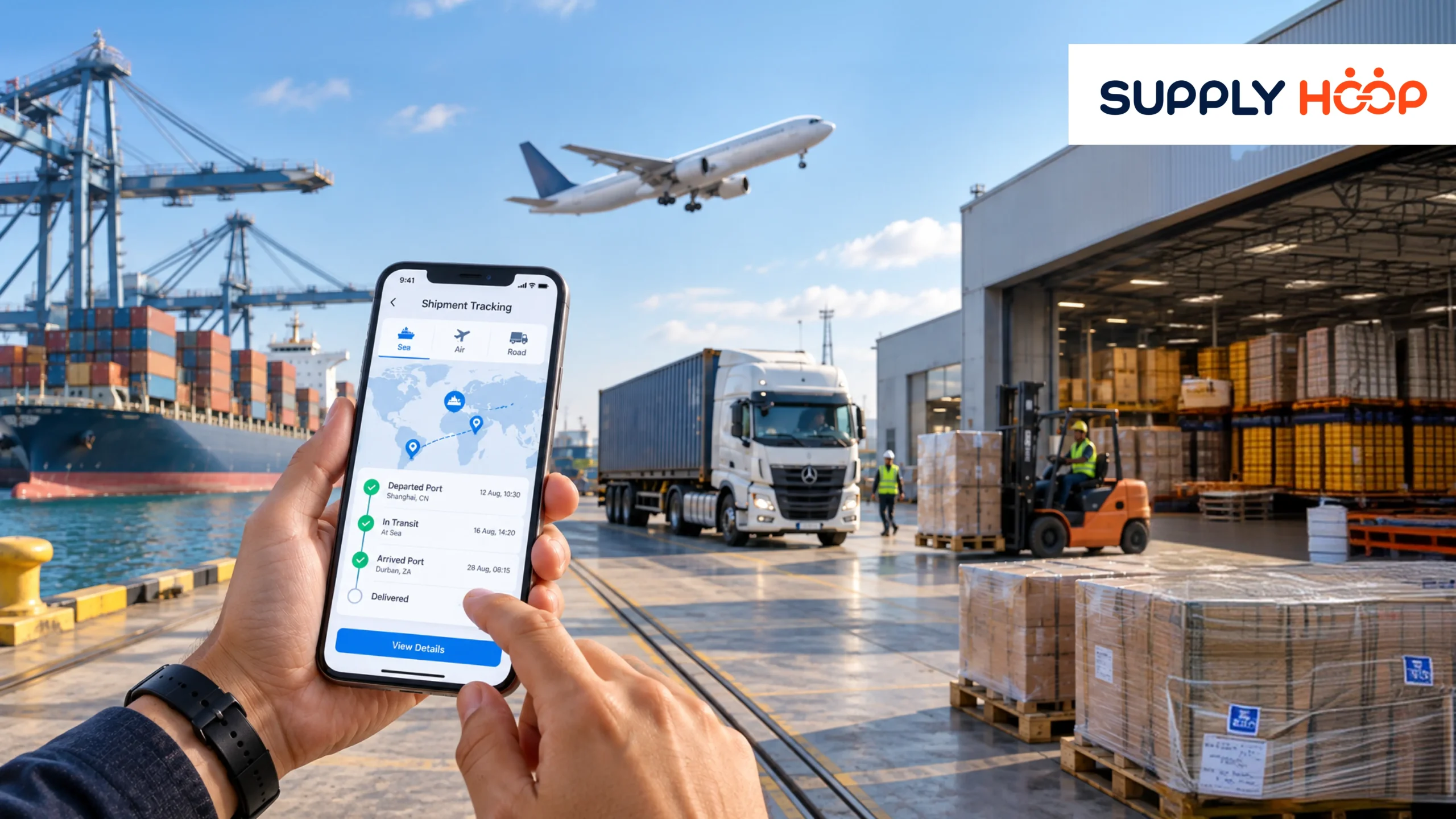
Real-time mobile tracking allows freight forwarders to monitor:
- Vessel positions and transit routes
- Arrival and departure updates
- Consolidation progress
- Customs clearance milestones
- Shipment deviations from planned routes
When updates happen automatically, logistics teams no longer depend on manual status checks.
This level of visibility provides clarity even when global conditions remain uncertain.
Strengthening Communication with Customers
When geopolitical tensions disrupt trade routes, customers expect transparency. They understand delays may happen, but they need clear and timely updates.
Mobile visibility platforms allow freight forwarders to provide accurate information quickly. Customer service teams can confirm shipment status, explain delays, and provide revised timelines without waiting for multiple internal confirmations.
This improves:
- Customer confidence
- Service reliability
- Communication speed
- Long-term client relationships
Visibility isn’t just operational, it’s a key part of customer experience.
From Reactive Operations to Proactive Control
Geopolitical events cannot be controlled by logistics companies. However, the way organizations respond to those events can be controlled.
Companies with strong visibility tools can:
- Identify disruptions earlier
- Adjust routing strategies
- Coordinate with carriers and customers faster
- Prevent delays from escalating
Mobile-enabled visibility transforms how organizations handle uncertainty. Instead of reacting to surprises, teams operate with continuous awareness.
Building Resilient Supply Chains for a Changing World
The global trade environment is becoming more complex every year. Political tensions, regulatory changes, and regional conflicts will continue to influence shipping routes and logistics networks.
Resilient supply chains depend on visibility, agility, and rapid communication.
Freight forwarders who invest in mobile-based tracking and integrated visibility platforms gain a critical advantage, the ability to monitor shipments continuously and respond to disruptions with confidence.
Conclusion
Geopolitical tensions will continue to reshape global trade. Routes will shift, regulations will change, and disruptions will occur without warning.
In this environment, supply chain visibility becomes one of the most valuable tools freight forwarders can have.
Mobile-enabled shipment tracking provides the clarity needed to manage uncertainty. It connects real-time data, operational insight, and decision-making into one accessible platform.
When global events create disruption, visibility becomes control.
If you want to strengthen your supply chain resilience and gain true end-to-end supply chain visibility, book a demo today and see how mobile tracking can help your logistics operations stay ahead of disruption.