Vessel carriers move the world’s trade, but their job is no longer just about sailing from port to port. They manage vessel schedules, container movements, transshipment updates, port calls, documentation, delays, and constant status requests from freight forwarders, shippers, and consignees.
In today’s ocean freight environment, one schedule change can affect hundreds or thousands of containers. A vessel delay, port congestion, missed transshipment, or route change can quickly create pressure across the entire supply chain.
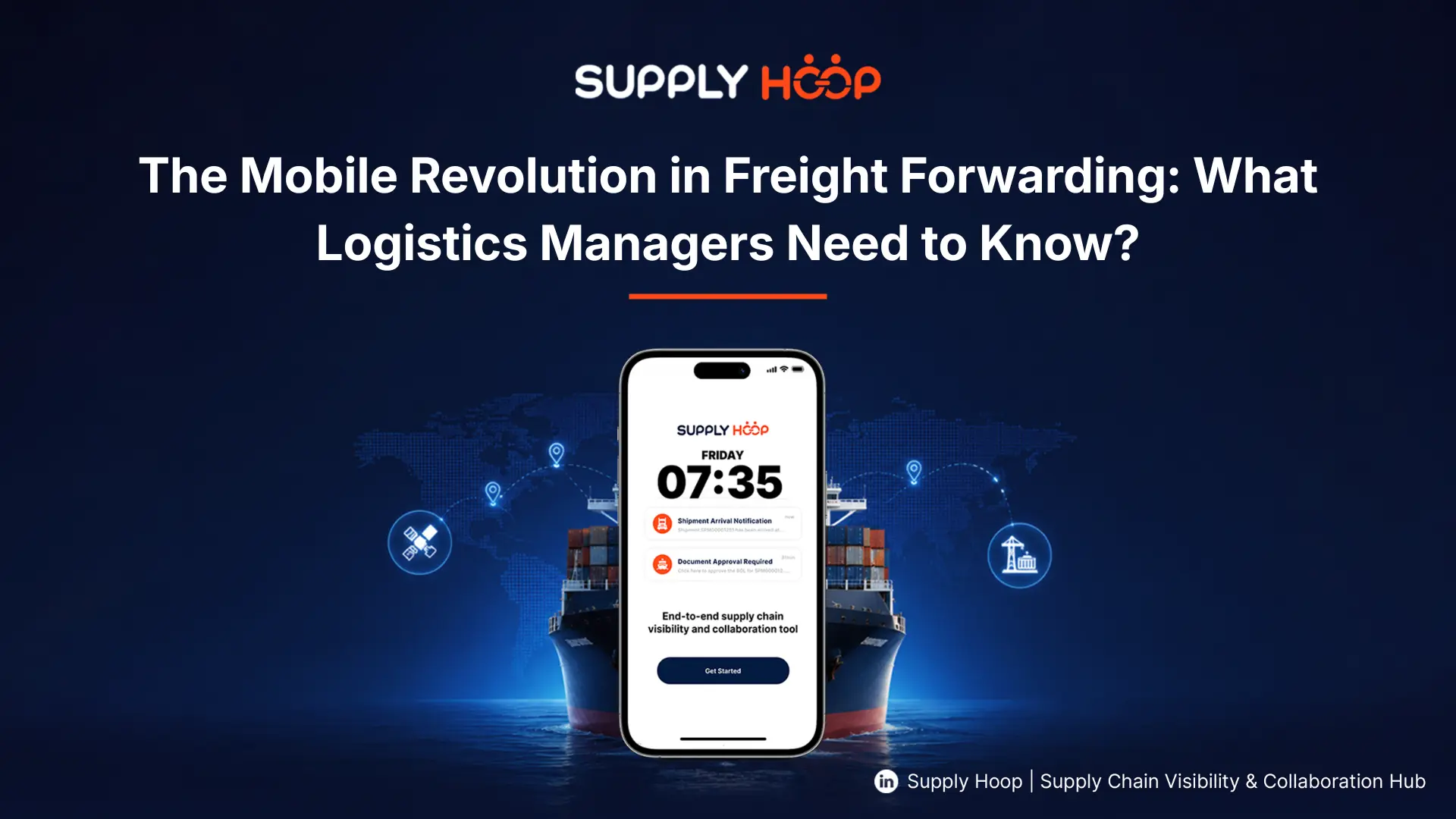
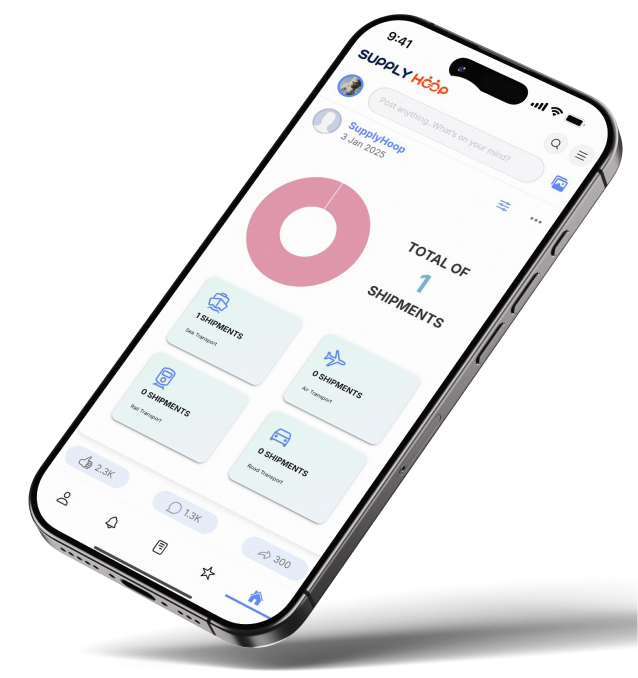
That’s why mobile-based supply chain visibility is becoming important for vessel carriers. It helps turn vessel movement, container milestones, and shipment updates into real-time information that can be shared instantly with the right stakeholders.
📱 Real-Time Vessel and Container Visibility
For vessel carriers, visibility is not just about knowing where the vessel is. It’s about helping customers understand how vessel movement affects their containers.
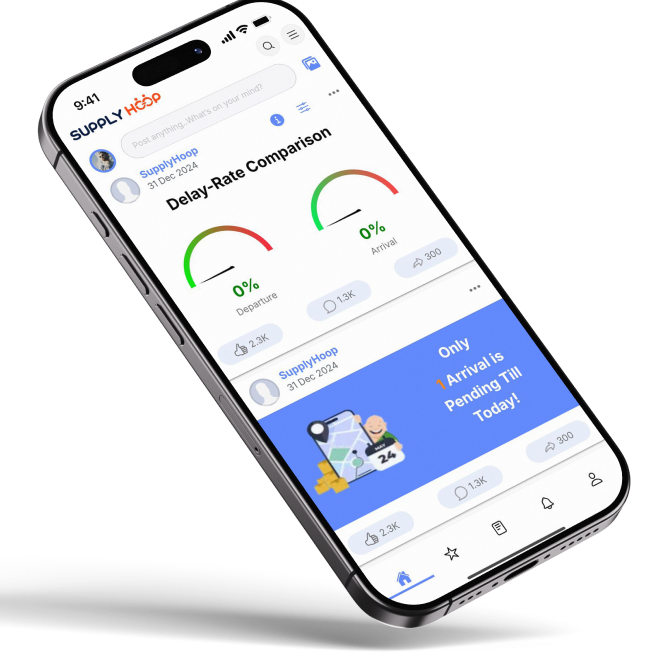
Through a mobile visibility platform, teams can monitor:
- 🚢 Vessel departure and arrival status
- 📦 Container loading and discharge milestones
- 🔄 Transshipment updates
- ⏱️ ETA and ETD changes
- ⚓ Port congestion impacts
- 🚨 Delays, rollovers, and exceptions
This helps freight forwarders and shippers stay informed without repeatedly chasing carrier teams for updates.
⚓ Faster Communication During Schedule Changes
Ocean freight schedules change often. Weather, port congestion, equipment availability, berth delays, and geopolitical disruptions can all affect vessel movement.
With mobile visibility for vessel carriers can share updated ETAs, route changes, and delay alerts faster. Instead of relying only on emails or manual notices, updates can reach customers and partners in real time.
This improves transparency and reduces confusion when plans change.
📦 Better Container Milestone Accuracy
Container milestones are critical in ocean freight. Freight forwarders and customers need to know whether containers are loaded, departed, transshipped, discharged, cleared, or ready for pickup.
A mobile visibility platform helps vessel carriers provide cleaner milestone data, including:
- Loaded on the vessel
- Vessel departed
- Arrived at the transshipment port
- Loaded on the connecting vessel
- Discharged at destination
- Available for pickup
Accurate milestones help customers plan warehouse labor, inland transport, customs activity, and final delivery more confidently.
🚨 Smarter Exception Management
When a container is rolled, delayed, held, or missed during transshipment, the impact can be significant.
Mobile exception alerts help carrier teams and customers act faster. Instead of discovering the issue late, stakeholders can receive early notifications and adjust plans before costs increase.
This helps reduce:
- Customer escalations
- Manual follow-ups
- Missed delivery planning
- Unnecessary operational pressure
🤝 Stronger Relationships with Forwarders and Shippers
Vessel carriers that provide real-time visibility become easier to work with.
Freight forwarders gain confidence because they can see container progress clearly. Shippers receive better transparency. Customers get faster updates without waiting for manual responses.
In a competitive ocean freight market, visibility improves service quality and strengthens long-term trust.
🚀 Final Thought
Vessel carriers do more than move containers across oceans. They create the movement data that keeps global supply chains running.
A mobile-based supply chain visibility platform helps vessel carriers share that data faster, improve milestone accuracy, manage exceptions earlier, and support better communication across the ocean freight journey.
👉 If vessel carriers are ready to move beyond manual updates, now is the time to strengthen supply chain visibility through a mobile-first platform.