A shipment leaves the origin warehouse on schedule. The carrier confirms departure, and everything appears to be progressing normally. Two days later, the consignee requests an updated arrival time, only for the freight forwarder to discover that the ETA has changed. Meanwhile, the destination warehouse has already scheduled its receiving team around the original delivery date.
The shipment was being tracked, but the delay still created confusion.
This highlights an important distinction in modern logistics: shipment tracking and shipment visibility are not the same thing.
Tracking provides information about cargo movements and completed milestones. Visibility connects those updates with expected arrival times, documents, exceptions, and the people responsible for the next action.
As freight forwarders manage shipments across ocean, air, road, and rail networks, mobile visibility is becoming a practical way to make relevant information accessible without relying entirely on desktop systems or repeated status enquiries.
Shipment Visibility is Moving Beyond Tracking Numbers
International shipments generate information across multiple stages, from supplier pickup and origin handling to international transportation, customs clearance, and final delivery.
However, those updates often come from different systems, including CargoWise, carrier platforms, transport providers, warehouses, and customs processes.
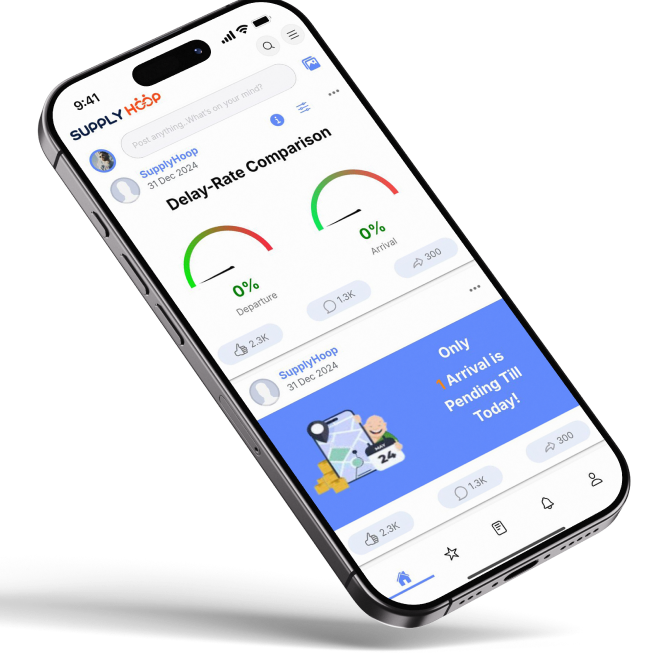
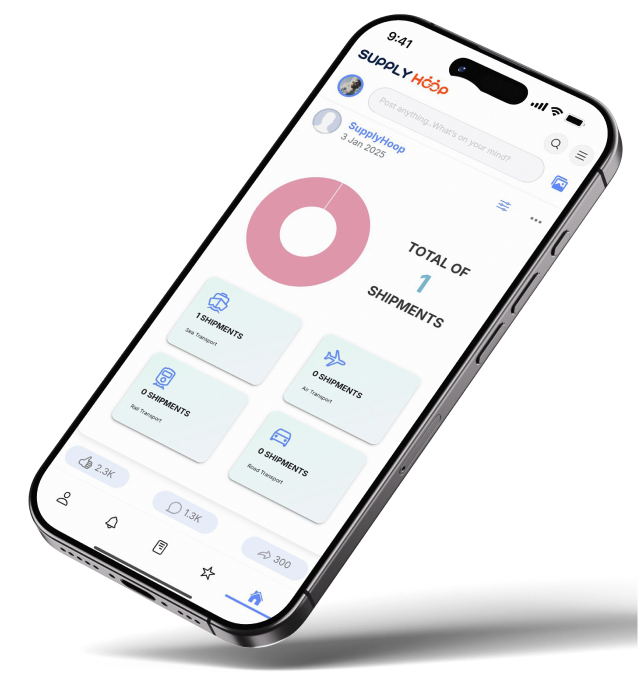
A mobile freight forwarding visibility platform brings relevant shipment information into a connected environment, allowing authorized users to review available milestones, ETAs, documents, and exceptions from their phones.
For logistics businesses, the value is not simply having another tracking interface. It is reducing the effort required to understand shipment progress and identify movements that need attention.
A freight forwarding manager overseeing 250 active shipments, for example, cannot realistically open every record throughout the day. A mobile dashboard that highlights upcoming arrivals, delayed movements, and important exceptions provides a more useful starting point.
The objective is to identify which shipments require action, rather than displaying every available data point.
Different Stakeholders Need Different Shipment Updates
One shipment can involve several parties, but each has a different operational responsibility.
Shippers and exporters typically want confirmation that cargo has been collected, processed at origin, and dispatched according to schedule. Consignees and importers are more concerned with destination arrival, customs clearance, cargo availability, and final delivery.
Operations teams require deeper visibility into transportation milestones, missing updates, supporting documents, and shipment exceptions. Customer service representatives need reliable information to respond to enquiries without repeatedly contacting operations.
These differences make role-based access essential.
A consignee may need the latest delivery ETA and relevant shipment documents, but not internal freight costs or unrelated customer information. Operations teams may require more detailed records to investigate exceptions.
Mobile visibility should therefore provide the right information to the right authorized users, rather than making every shipment detail available to everyone.
Multimodal Freight Requires Connected Tracking Information
Freight forwarders rarely operate within a single transportation mode.
An international shipment may move by ocean freight before continuing by road. Another may arrive by air and require local distribution, while certain trade lanes depend on rail connections.
Each transportation mode generates different milestones.
Ocean freight updates may include vessel departure, transshipment, container discharge, and destination arrival. Air freight tracking may cover flight movements, cargo availability, and customs clearance. Road freight can provide pickup confirmation, vehicle progress, and delivery milestones, while rail movements may include terminal arrivals and interchange events.
A connected mobile app makes these available updates easier to review across the shipment journey.
However, the accuracy and frequency of information depend on the connected transportation providers and data sources. Not every shipment has continuous live positioning.
A reliable visibility experience should distinguish confirmed milestones from expected events and show relevant timestamps so users understand how current the information is.
Exception Alerts Help Teams Respond Before Delays Escalate
Consider a container scheduled to connect with another vessel at a transshipment port.
The first vessel arrives late, and the container misses its planned connection. The original ETA is no longer achievable, but the consignee may still be preparing for delivery based on the earlier schedule.
If the freight forwarder discovers the problem only during a routine tracking check, valuable response time may already have been lost.
Mobile exception notifications can help bring significant changes, such as revised ETAs, customs holds, missed connections, and delivery exceptions, to the attention of relevant users.
The operations team can then investigate the movement, coordinate with the carrier, review available alternatives, and communicate updated expectations.
The purpose is not to generate more notifications. It is to highlight meaningful changes that require investigation.
For freight forwarders handling large shipment volumes, this helps shift attention from routine status checking to exception management.
Shipment Documents Need to be Accessible When Work Happens
Shipment visibility also depends on access to supporting documentation.
A consignee preparing for customs clearance may need a bill of lading, commercial invoice, packing list, or other shipping records. A warehouse supervisor may need to verify cargo details during receiving, while customer service may need to confirm whether Proof of Delivery is available.
When these documents are stored across email conversations and separate systems, retrieving them can slow down operational decisions.
Mobile document access can help authorized users retrieve relevant records connected to the shipment, subject to system integrations and permissions.
Document version control also matters. Users need confidence that they are reviewing the correct and current information rather than an outdated attachment.
Mobile Collaboration Keeps Everyone Working from Relevant Updates
A revised shipment ETA can affect several teams simultaneously.
The consignee may need to change receiving arrangements. Operations may need to investigate the delay. Customer service may need to inform the customer, while inland transportation providers may need updated collection instructions.
If each team relies on different information, coordination becomes more difficult.
A connected mobile environment gives relevant stakeholders a common operational reference, making it easier to review shipment progress and coordinate the next step.
With WhatsApp integration, freight forwarders can also communicate appropriate shipment updates through a familiar channel.
This does not eliminate the need for direct communication. It helps make those conversations more useful by ensuring the people involved have access to relevant information.
AI is Making Shipment Information Easier to Find
As freight forwarders manage hundreds or thousands of active shipments, even well-organized dashboards may require time to search.
AI-assisted information retrieval provides another way to access connected shipment data.
Through Supply GPT, authorized users can ask natural-language questions such as which shipments are arriving this week, which ocean shipments have revised ETAs, or which movements have customs-related exceptions.
Instead of opening individual records, users can identify shipments relevant to a particular operational question.
However, AI responses still depend on the quality and availability of connected data. Missing milestones or unexplained delays should not be presented as confirmed information.
The practical value is faster access to existing shipment information, helping logistics teams focus on the movements that require attention.
Measuring Whether Mobile Visibility Improves Operations
Introducing a mobile visibility platform should deliver more than convenient access to tracking information.
Freight forwarders can evaluate its operational value by monitoring how quickly customer service responds to status enquiries, how long teams take to investigate exceptions, and how consistently shipment milestones are available.
ETA reliability, document retrieval time, and on-time performance can also provide useful indicators.
These measurements help businesses determine whether connected visibility is reducing repetitive administrative work and improving shipment coordination.
They can also reveal gaps in carrier integrations, outdated milestones, or information that remains difficult to access.
Mobile Visibility is Becoming Part of Everyday Freight Management
Freight forwarding visibility should extend beyond knowing where cargo is located.
Shippers need reliable progress updates. Consignees need information to prepare for arrivals. Operations teams need to identify exceptions, while customer service teams need accurate answers.
Through end-to-end supply chain visibility, freight forwarders can bring connected shipment milestones, ETAs, documents, and exceptions into a mobile-first environment, supported by Supply GPT and WhatsApp communication.
The opportunity is not to replace existing freight management systems, but to make relevant shipment information more accessible and actionable for the people who depend on it.
Because better shipment visibility is not about giving everyone more data. It is about helping the right people make better decisions with the information they need.