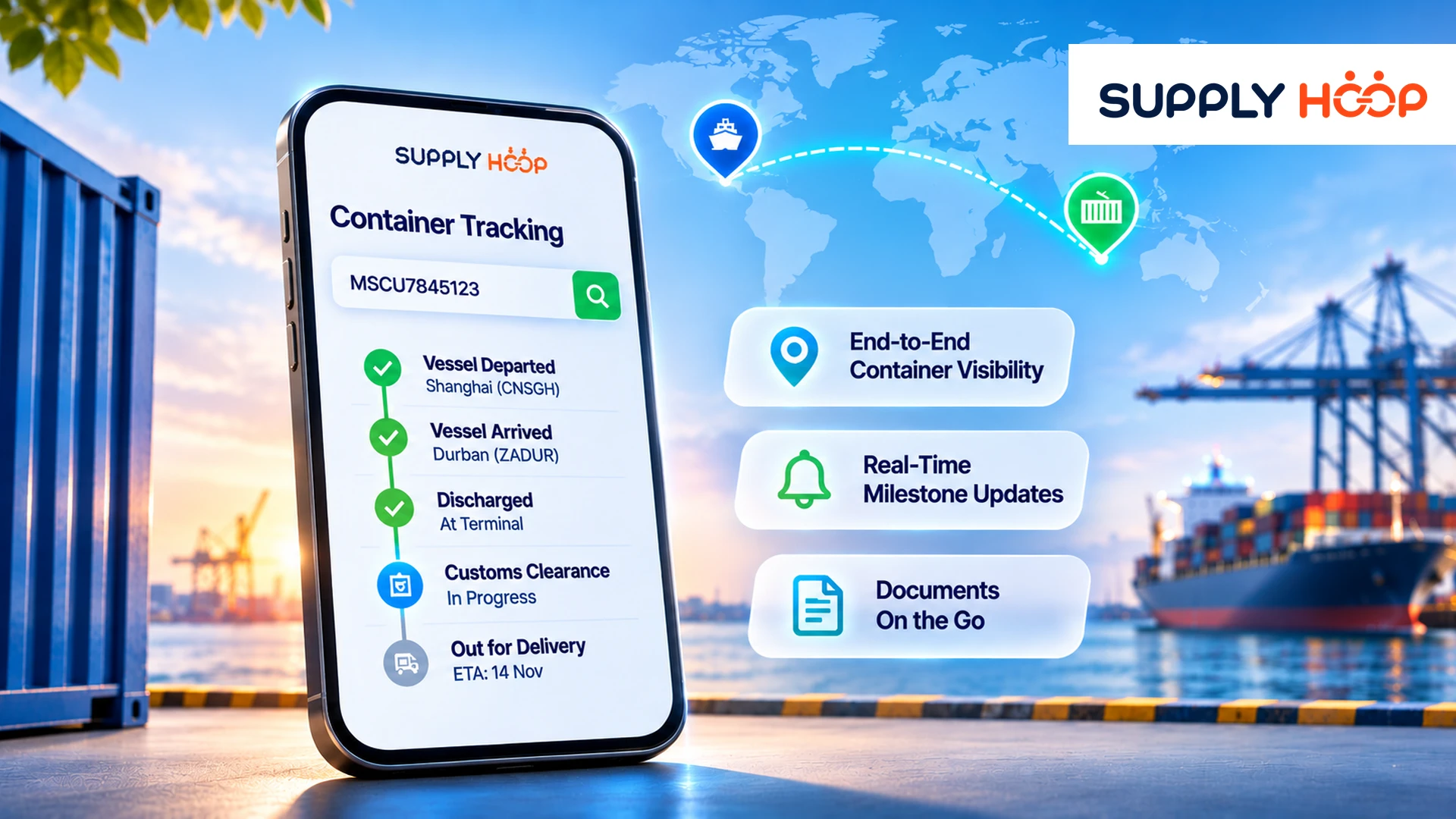
A container arrives at the destination port on Monday. The vessel has completed its journey, and the tracking system shows the shipment as arrived.
But the container is still waiting to be discharged.
The consignee wants a delivery update. The transport provider needs to arrange collection. The warehouse wants to confirm its receiving schedule.
Everyone knows the vessel has arrived. Yet nobody has a complete picture of what is happening with the container.
This is a common visibility gap in container logistics.
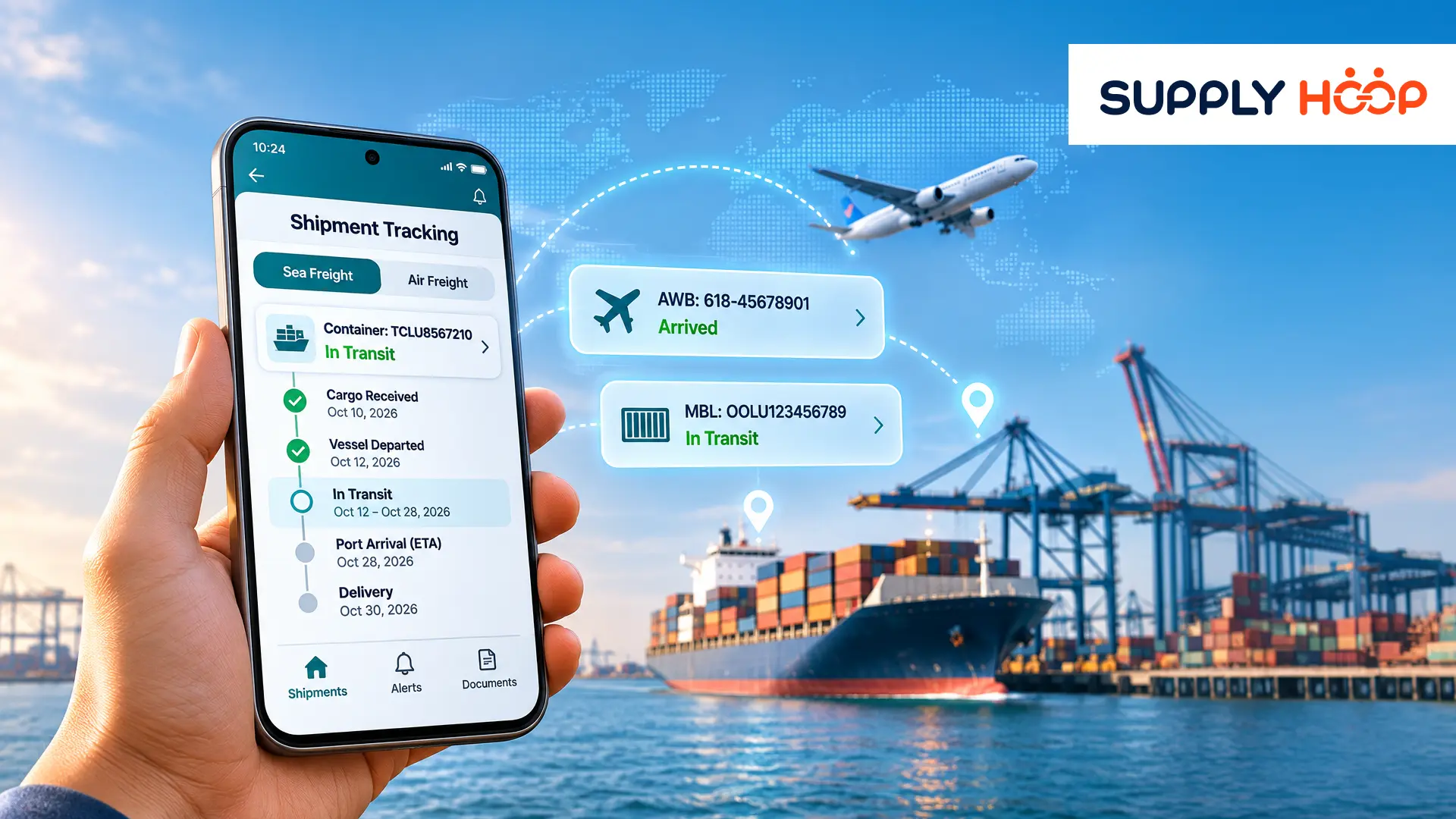
Container visibility through a mobile app helps carriers, freight forwarders, transport providers, and customers monitor container movements beyond basic arrival and departure updates.
By connecting carrier milestones, vessel information, terminal events, and inland transportation updates, a mobile visibility platform can provide a clearer understanding of where a container is, what has happened, and which operational steps still need attention.
The real value is not simply knowing the container’s last reported location. It is understanding whether the movement is progressing according to plan and what needs to happen next.
Why Container Tracking Often Stops Short of Real Visibility?
Container transportation involves several organizations working across different stages of the journey.
An ocean carrier manages the vessel movement. A terminal operator handles container discharge and gate activities. Customs authorities oversee clearance requirements. Inland transport providers move the container to its destination.
Each participant generates information, but those updates may not be available through the same system.
For example, a shipping line may confirm that a vessel has arrived at the destination port. However, that milestone does not necessarily indicate whether the container has been discharged, released, collected, or delivered.
Similarly, a container marked as discharged may still be waiting for customs clearance or inland transportation.
This is where traditional milestone tracking can leave important information gaps.
For businesses managing both LCL and FCL shipments, visibility requirements can also differ. FCL movements focus on container milestones, release, and delivery, while LCL shipments require additional visibility into consolidation, deconsolidation, and cargo availability.
A connected mobile visibility platform helps bring relevant events together, allowing authorized users to follow the container across different transportation stages.
Instead of treating vessel arrival as the end of the tracking process, teams can continue monitoring the container until delivery and other required milestones are completed.
What should a Container Visibility Dashboard Actually Show?
A useful container dashboard should help users understand the current operational position of a container without requiring several separate searches.
Consider a logistics manager monitoring 80 containers across different vessels, ports, and delivery locations.
Opening each container record individually is not an efficient way to identify which movements require attention.
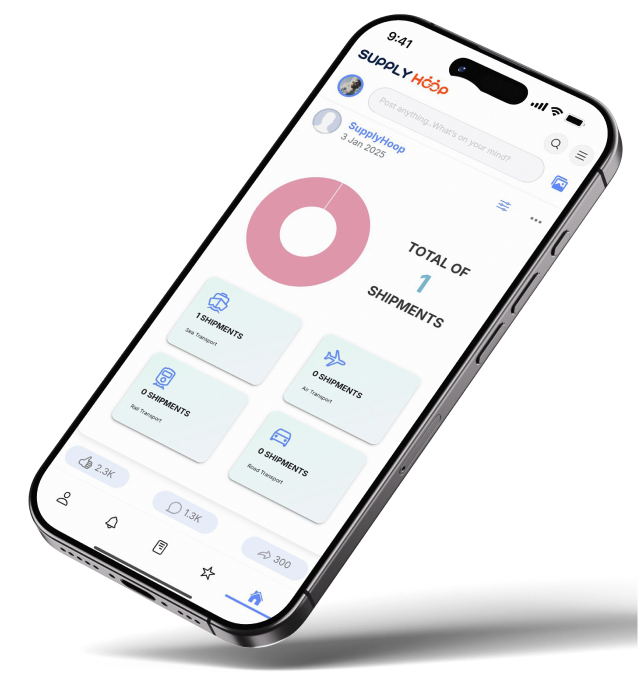
A mobile dashboard can organize available container information around practical operational questions.
Which containers are currently at sea? Which have reached their destination ports? Which are awaiting release? Which have been collected for inland delivery?
For an individual container, the dashboard should provide relevant details such as the container number, booking or Bill of Lading reference, shipping carrier, vessel and voyage information, latest recorded milestone, ETA, and next expected event.
The latest available location and update timestamp are equally important.
A container status recorded several hours earlier should not be presented as though it confirms the container’s exact current position.
This distinction helps users understand what the system knows and where additional confirmation may be required.
Alongside tracking milestones, mobile document access helps authorized users retrieve relevant bills of lading, customs paperwork, and delivery records without searching separate email conversations or document repositories.
For teams managing multiple shipments, filters by carrier, route, status, or expected arrival date can make the dashboard more useful.
The objective is to help users find the containers requiring action rather than simply displaying every movement in one long list.
How Live Maps Add Context to Container Movements?
A container marked “In Transit” could be crossing the ocean, approaching a port, or moving inland toward its destination.
The status alone provides limited context.
Map-based visibility can help users understand where the transportation movement is taking place.
For ocean freight, vessel-position data can show the ship’s latest reported location, its route, and relevant port calls.
When connected with container booking and vessel information, this provides useful context about the container’s expected ocean journey.
However, there is an important difference between vessel tracking and container tracking.
Knowing the vessel’s position does not mean the container itself is transmitting its location.
A container may have been rolled to another vessel, discharged at an intermediate port, or transferred to a different transportation service.
For this reason, vessel-position information should be interpreted alongside confirmed container milestones.
Once the container moves inland, GPS information from a truck, telematics system, or other connected transportation source may provide additional location updates.
A mobile visibility platform that combines these sources can help users follow the container’s broader journey without confusing estimated movement with confirmed container events.
Follow Every Important Container Milestone from Origin to Delivery
A container’s journey involves more than loading and unloading.
At origin, the container may be received at the terminal, loaded onto the vessel, and confirmed as departed.
During ocean transportation, it may pass through intermediate ports or require transshipment.
At destination, the container may be discharged, undergo customs procedures, receive release authorization, and leave the terminal for inland transportation.
The final stages may include road or rail movement, delivery to the consignee, unloading, and empty-container return.
Each event answers a different operational question.
A gate-in milestone confirms that the container entered a terminal.
A loaded milestone indicates that it was loaded onto a vessel.
A discharge milestone confirms unloading from the vessel.
A gate-out milestone records departure from the terminal.
A delivery milestone confirms completion of the relevant delivery activity.
These distinctions matter because the next action often depends on a specific milestone.
For example, a transport provider may need confirmation that the container is available for collection before dispatching a truck.
A warehouse may need the latest inland delivery estimate before allocating receiving capacity.
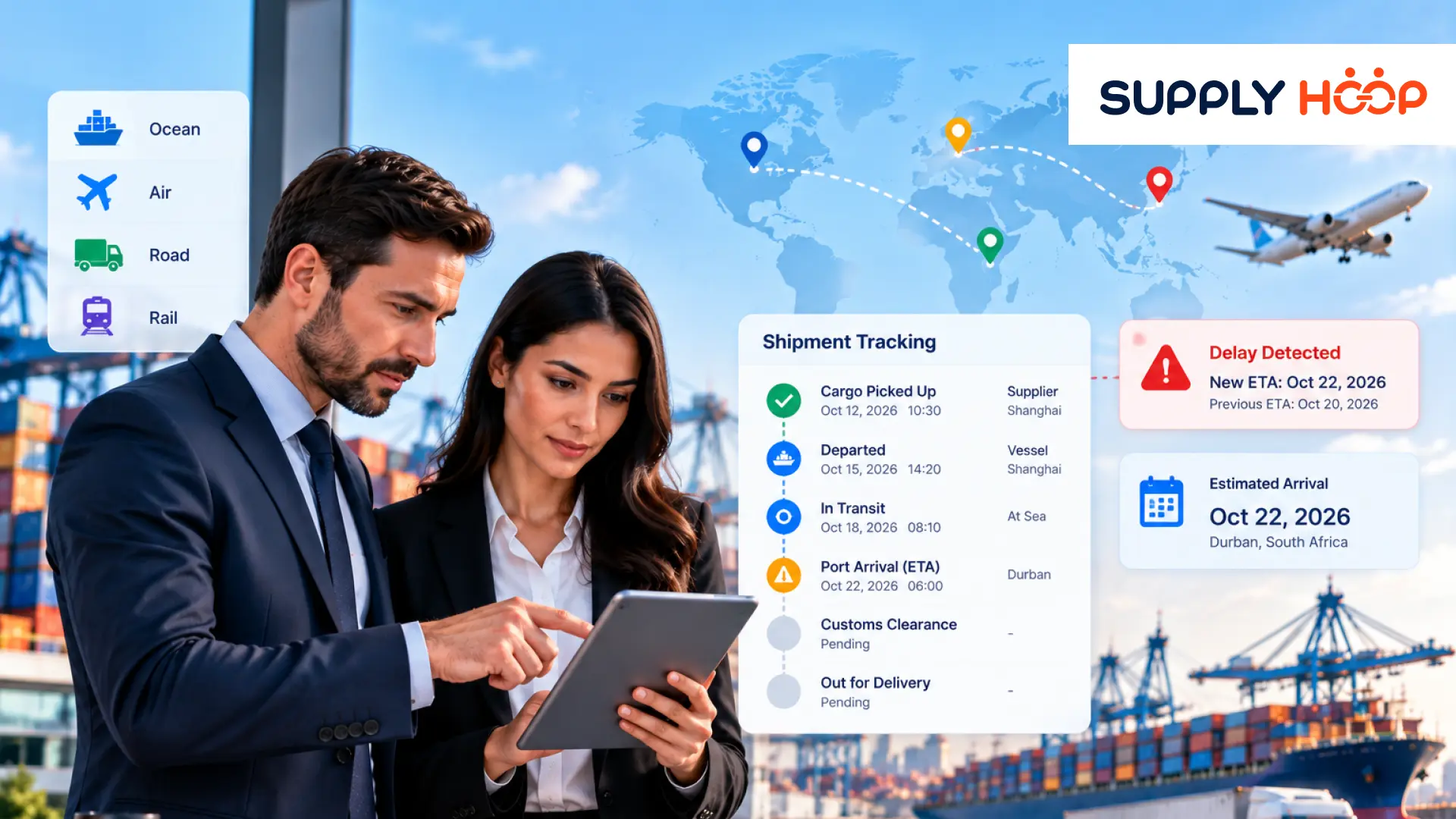
By presenting milestones in chronological order, a mobile container tracking app can help users understand what has happened and what is still outstanding.
Why Exception Alerts Matter More than Constant Status Checks?
Most container movements do not require continuous intervention.
The challenge is identifying the smaller number that are no longer progressing as expected.
Imagine a container scheduled to arrive at a transshipment port on Tuesday and depart on its connecting vessel on Thursday.
The first vessel arrives late, and the container misses its planned connection.
The revised arrival date may now be several days later.
If the operations team discovers this only after checking the carrier portal, the customer may already be working with an outdated delivery expectation.
Mobile exception alerts help bring significant changes to the attention of the relevant users.
Depending on connected data and notification settings, these alerts may relate to ETA changes, vessel rollovers, missed connections, customs holds, port congestion, or delayed inland deliveries.
Understanding why an estimated arrival time changes helps teams evaluate its operational impact and communicate more realistic delivery expectations.
The notification should identify the affected container and provide enough context for the user to investigate.
This allows the team to review available alternatives, adjust transport arrangements, communicate with the customer, or reconsider warehouse schedules.
The goal is not to generate a notification for every routine event.
It is to make important deviations visible before they create avoidable operational problems.
Connect Port Visibility with Inland Transportation
One of the most significant gaps in container visibility occurs when responsibility moves from the ocean carrier or terminal to an inland transport provider.
The shipping line may confirm that the container has left the terminal, but the consignee still needs to know whether it has been collected, where the truck is, and when delivery is expected.
For carriers and transport providers, this handoff requires coordination between dispatch, drivers, warehouses, and customers.
A connected mobile environment can help bring available inland transportation information into the container’s broader movement history.
For example, a dispatch team may assign a collection to a driver through its transport management workflow.
The driver may record container and chassis details, confirm pickup, and provide location or delivery updates through a connected driver application.
Those events can then contribute to the container visibility record where the systems are integrated.
This is particularly useful when containers move between ports, inland terminals, distribution centers, and final delivery locations.
It helps prevent the visibility journey from ending at the port gate.
However, operational functions such as driver assignment, dispatch, and field data capture depend on the capabilities of the connected transport systems. They should not be assumed to be included in every container visibility application.
How Mobile Visibility Helps Reduce Demurrage and Detention Exposure?
Container delays can create costs beyond transportation.
Demurrage and detention charges are particularly important because they depend on container availability, collection, use, and return timelines under the applicable carrier and terminal terms.
A container may be discharged at the destination port but remain uncollected while customs release or transport arrangements are pending.
Another container may be delivered successfully but remain with the consignee longer than the permitted free-time period.
In both situations, a lack of timely information can make it harder to act before charges begin.
Mobile container visibility helps operations teams monitor relevant milestones such as discharge, release, gate-out, delivery, and empty-container return.
When these events are connected with the applicable free-time information, teams can identify containers approaching important deadlines.
For example, an operations manager may prioritize collection of a released container approaching its last free day.
A transport coordinator may follow up on an empty container awaiting return.
Beyond detention and demurrage, poor coordination between container movements and receiving operations can increase transportation and warehousing costs. Access to updated container milestones allows teams to plan collections, allocate receiving capacity, and identify movements approaching important cost deadlines.
The mobile app does not eliminate demurrage or detention charges by itself.
Its value is making relevant container information more accessible, so teams have a better opportunity to coordinate the actions required to avoid unnecessary costs.
Why Proof of Delivery Matters in Container Visibility?
Container tracking should not end when the truck reaches the delivery location.
The consignee may still need confirmation that the container or cargo was received, along with supporting delivery documentation.
For freight forwarders and transport providers, mobile proof of delivery provides an important record of the completed movement.
Depending on the delivery workflow, this may include a delivery timestamp, recipient acknowledgment, signature, photographs, or other supporting information.
When available through a connected mobile system, these records can help customer service teams confirm delivery without contacting the driver for every enquiry.
They can also support investigations when a customer reports a delivery discrepancy.
For example, if a consignee questions the delivery time, the relevant delivery record may help establish when the transport activity was completed.
Connecting proof of delivery with the shipment or container record makes the information easier to retrieve later.
It also provides a more complete picture of the transportation journey, from the first recorded milestone through final delivery.
Different Users Need Different Levels of Container Visibility
A container may involve an ocean carrier, freight forwarder, inland transport provider, driver, shipper, and consignee.
Each party has different responsibilities.
A dispatch team may need to monitor collection assignments, vehicle movements, and delivery progress.
A driver may only need access to assigned jobs, collection instructions, and delivery requirements.
A freight forwarding operations team may need visibility into vessel milestones, customs status, ETA changes, and inland transportation progress.
A consignee may primarily need to know when the container will arrive and whether delivery arrangements have changed.
This is why role-based access is an important consideration when choosing a container visibility platform.
Users should be able to access the information relevant to their responsibilities without exposing unrelated shipment records or sensitive operational details.
Effective supply chain collaboration depends on giving each stakeholder access to relevant shipment information. When carriers, freight forwarders, transport providers, and consignees work from connected updates, they can coordinate container collections, delivery arrangements, and exception responses more efficiently.
A mobile app that presents appropriate information to each user can improve collaboration while maintaining necessary access controls.
How Supply Hoop Supports Mobile Container Visibility?
For freight forwarders managing containerized shipments, the challenge is often connecting ocean transportation information with the broader shipment workflow.
Container milestones, vessel movements, customs updates, delivery information, and customer communication may originate from different systems.
Providing a mobile-first approach to accessing connected shipment information, helping freight forwarders monitor cargo progress without repeatedly switching between logistics platforms.
Through available shipment tracking and exception visibility capabilities, teams can review relevant container movement information and identify changes that require attention.
Supply GPT can also help users retrieve connected logistics information through natural-language questions.
For example, an operations team may want to identify containers with revised ETAs, shipments approaching destination, or movements affected by customs-related exceptions.
Meanwhile, WhatsApp integration can support the communication of relevant shipment updates to customers through a familiar channel.
For businesses already using CargoWise, mobile visibility can complement existing freight management workflows by making connected operational information more accessible to authorized users.
The aim is to provide a clearer view of the shipment journey without requiring teams to recreate information already maintained in their logistics systems.
Container Visibility should Help Teams Decide What Happens Next
Container visibility is most useful when it connects tracking information with operational decisions.
Knowing that a vessel has arrived is useful. Knowing whether the container has been discharged and released is more actionable.
Knowing that a container has left the terminal is helpful. Knowing whether inland transportation is progressing toward the delivery appointment provides better context.
Knowing that an ETA has changed matters. Understanding which containers are affected allows teams to respond more effectively.
A container visibility mobile app helps bring these different stages into one accessible environment, allowing carriers, freight forwarders, and authorized customers to monitor container movements and respond to important changes.
For logistics businesses, the goal should not be to display more tracking data.
It should be to make the available information easier to understand, share, and use.
Ready to improve container tracking across your freight operations? Book a demo to explore how Supply Hoop can support end-to-end mobile supply chain visibility and help your team stay informed from ocean transit through inland delivery.