A shipment was scheduled to depart yesterday, but the tracking portal still shows “Cargo Received.” Has the cargo departed, is it waiting at the terminal, or has the carrier simply not updated the information?
For freight forwarders managing multiple shipments, situations like this create uncertainty. Operations teams may need to check carrier websites, booking records, and emails before they can provide a reliable update to the customer.
The challenge is not always that the shipment has stopped moving. It is that the latest information may not be readily accessible.
As freight forwarding operations become increasingly connected, mobile shipment milestone tracking is helping logistics teams follow cargo movements through chronological updates, from booking and cargo acceptance to customs clearance and final delivery.
Rather than relying on a single tracking status, milestone visibility provides a clearer understanding of what has happened, what is expected next, and whether a shipment is progressing according to plan.
Why Shipment Milestones Matter More than a Tracking Status?
International freight shipments pass through multiple operational stages before reaching their destinations.
An ocean container may be received at a terminal, loaded onto a vessel, transferred through a transshipment port, discharged at its destination, and collected for inland delivery.
Air freight follows a different sequence, including cargo acceptance, export clearance, flight departure, transit connections, import clearance, and final delivery.
Each stage generates a milestone that helps establish the shipment’s actual progress.
However, when these updates are spread across shipping lines, airlines, terminals, and freight management systems, understanding the complete journey becomes difficult.
A mobile visibility platform can organize available milestone information into a chronological timeline, helping authorized users identify completed events and upcoming activities without repeatedly switching between tracking systems.
For freight forwarders handling both LCL and FCL shipments, the milestones may also differ. FCL tracking commonly focuses on container movements, while LCL cargo may require additional visibility into consolidation, deconsolidation, and cargo availability.
The value lies in understanding the shipment’s operational position rather than simply knowing that it is in transit.
What Makes a Shipment Milestone Update Reliable?
A milestone should communicate more than a brief status such as “Departed” or “Arrived.”
For example, a container discharge update becomes more useful when it includes the event date and time, destination terminal, container reference, and reporting source.
Similarly, an air cargo departure milestone should identify the relevant flight movement and shipment reference where that information is available.
Reliable milestone records can include the event description, actual timestamp, location, booking or transportation reference, reporting party, and any related exception details.
One important distinction is the difference between planned, estimated, and confirmed events.
A shipment scheduled to depart on Monday has not necessarily departed. Likewise, a vessel expected to arrive on Friday may still be several days away from making its actual port call.
Mobile shipment timelines should make these differences clear so users do not confuse expected movements with completed activities.
Ocean and Air Freight Require Different Milestone Timelines
Ocean freight involves several transportation and terminal activities that influence shipment planning.
A typical container movement may include booking confirmation, terminal gate-in, vessel loading, departure, transshipment, destination arrival, discharge, customs clearance, gate-out, and delivery.
Vessel arrival does not automatically mean the container is available for collection. Terminal discharge, customs procedures, and release requirements may still need to be completed.
Air freight generally operates on shorter timelines, making timely milestone information particularly important.
An air shipment may have a confirmed booking but still be awaiting cargo acceptance. Similarly, a flight may have landed while the cargo remains under airport handling or customs processing.
When an air shipment misses a connecting flight, the milestone timeline can help teams distinguish between the completed first leg and the onward movement that has not yet occurred.
Presenting these events in sequence gives operations teams and customers a more accurate understanding of the shipment’s progress.
ETA Revisions and Exception Alerts Add Context to Shipment Progress
A shipment can complete its departure milestones on schedule and still arrive later than originally expected.
Port congestion, weather disruptions, missed connections, customs holds, and transportation changes can all influence the remaining journey.
This is where milestone updates and ETA information serve different purposes.
Milestones confirm what has happened, while ETAs indicate what is currently expected to happen next.
For example, a container may have departed its origin port as scheduled, but a delayed connecting vessel could change its destination arrival date.
The departure milestone remains accurate even though the expected arrival needs to be revised.
Understanding why shipment ETAs change helps freight forwarders distinguish routine schedule adjustments from exceptions requiring attention.
Mobile notifications can bring important developments, such as revised ETAs, missed connections, customs holds, and delivery completion, to the attention of relevant users.
This reduces the need to repeatedly check shipments that are progressing normally and helps teams focus on movements that may affect customer commitments.
Connecting Inland Transportation with Shipment Milestones
Shipment visibility can become less consistent when cargo moves from an ocean carrier or airline into inland transportation.
A shipping line may confirm that a container has left the terminal, but the consignee still needs to know whether the truck has reached its destination.
Where transport management systems and driver applications are connected, pickup confirmations, vehicle movements, delivery timestamps, and other relevant events can contribute to the broader shipment timeline.
GPS and geofencing technology may also provide location-based updates when vehicles enter or leave designated areas.
However, location events and confirmed operational milestones should not be treated as identical.
A truck arriving at a warehouse does not necessarily confirm that the cargo has been unloaded or accepted.
A reliable mobile visibility experience should distinguish between reported vehicle movements and verified cargo-handling activities.
Shipment Documents should be Connected to the Relevant Milestones
Tracking updates explain shipment progress, but supporting documents are often necessary to complete the next operational step.
Customs clearance may require commercial invoices, packing lists, declarations, and other relevant paperwork. Delivery completion may require a signed Proof of Delivery or another receiving acknowledgement.
When shipment records and documents are connected, authorized users can retrieve the information relevant to a particular stage without searching multiple email conversations.
Mobile document access can help operations teams verify available paperwork, respond to customer enquiries, and review shipment history more conveniently.
For example, a customer service representative responding to a delivery enquiry can check the completed delivery milestone and retrieve the corresponding document where available.
Connecting documents with shipment records creates a clearer operational history and makes important information easier to find when needed.
Mobile Milestone Visibility Improves Customer Communication
Customers generally do not need every technical tracking message generated by a carrier.
They want to know whether their shipment has departed, where it stands, when it is expected to arrive, and whether anything has changed.
Without accessible milestone information, customer service teams may need to contact operations repeatedly to confirm these details.
A connected mobile timeline allows authorized users to review the latest available milestones and provide more consistent updates.
When a customer asks whether cargo has cleared customs, the team can check the recorded clearance event rather than relying on an earlier arrival notification.
When the ETA changes, the revised estimate can be communicated with relevant context.
This supports better supply chain collaboration between freight forwarders, shippers, consignees, and transportation partners.
The objective is not to give everyone unrestricted access to shipment data. It is to ensure the appropriate stakeholders receive the updates relevant to their responsibilities.
How Supply Hoop Supports Mobile Shipment Milestone Visibility?
For freight forwarders, shipment information is often already available across freight management systems, carrier platforms, and operational records.
The challenge is accessing those updates conveniently and understanding which movements require attention.
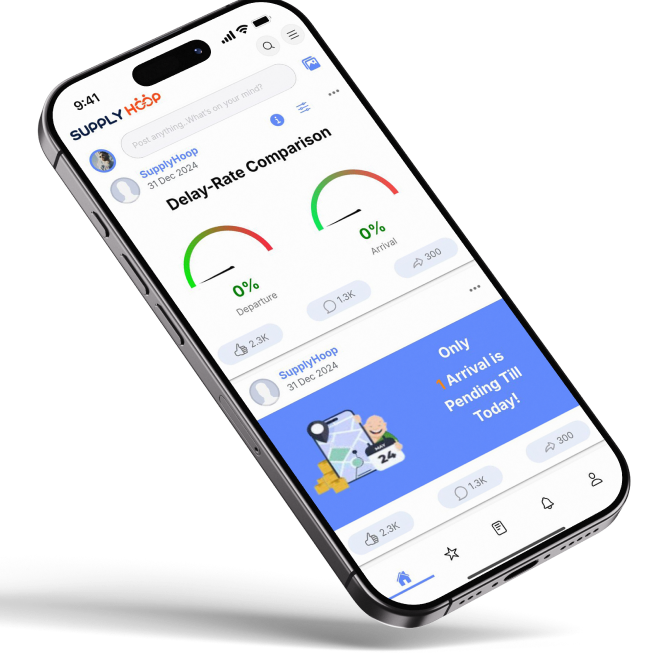
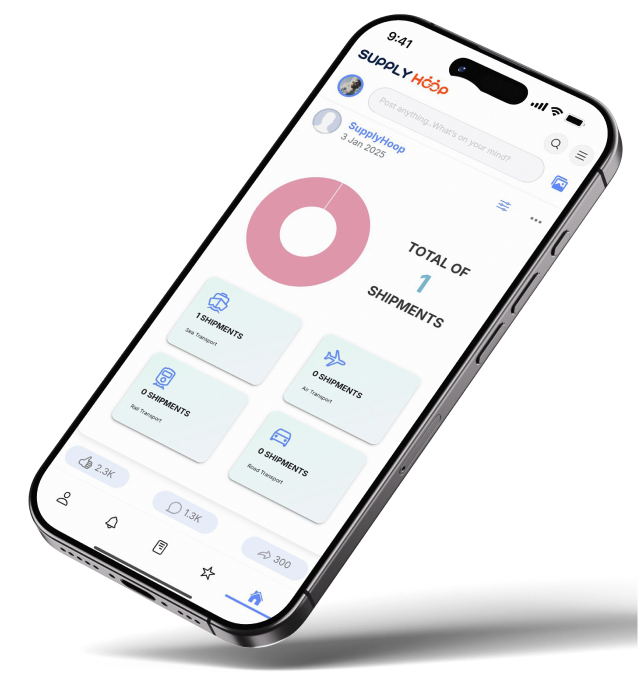
With Supply Hoop, freight forwarders can access connected shipment information through a mobile-first environment, helping teams monitor available milestones, review shipment progress, and stay informed about important changes.
For businesses using CargoWise, this approach can complement existing freight management workflows by making connected operational information more accessible outside the desktop environment.
Through Supply GPT, authorized users can ask natural-language questions about connected shipment information, such as which shipments are arriving this week or which movements have revised ETAs.
Meanwhile, WhatsApp integration provides an additional channel for communicating relevant shipment updates to customers.
The accuracy and timeliness of individual milestones still depend on the information supplied by connected carriers and transportation partners.
From Shipment Updates to Better Freight Decisions
Shipment milestone tracking is most useful when it helps freight forwarders understand what has happened and determine what needs attention next.
For ocean freight, this means following container movements beyond vessel departure and arrival. For air freight, it means distinguishing flight movements from cargo acceptance, clearance, and delivery. For inland transportation, it means connecting available pickup and delivery information with the broader shipment record.
As logistics teams manage growing shipment volumes, mobile milestone visibility can reduce the time spent searching for routine tracking information and help them concentrate on exceptions and operational decisions.
With end-to-end supply chain visibility, freight forwarders can make connected shipment information more accessible throughout the transportation journey.
Better freight tracking is not simply about knowing the latest shipment status. It is about understanding which milestones are complete, what comes next, and whether the shipment is still progressing according to plan.